
Yes, household dust can actively damage your furniture. While it may look like a harmless, soft layer of grey powder, dust contains microscopic abrasive particles that can wear down protective coatings over time. When objects are dragged across dusty surfaces, or when dry cloths are used to wipe them down, these tiny particles act like fine sandpaper, grinding into the finish and causing permanent micro-scratches, cloudiness, and localized wear.
To protect your investment, it is essential to recognize when dust is actively harming your surfaces and when you need to transition from basic cleaning to using physical protective pads. This guide will help you diagnose surface wear, understand the mechanics of dust damage, and select the right protective barriers for your home.
Quick Diagnosis: Is Dust Actively Wearing Down Your Furniture?
To determine if dust is actively wearing down your furniture, you must look beyond the temporary layer sitting on the surface. Superficial dust can be wiped away easily, leaving the underlying finish intact. Actual surface damage, however, remains visible even after a thorough cleaning and represents a permanent compromise of the protective topcoat.
Products mentioned in this guide
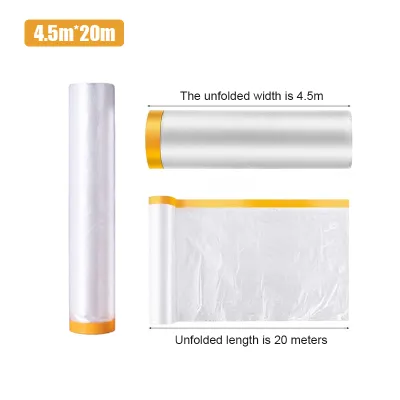
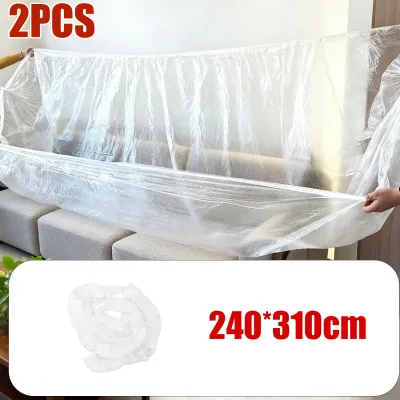
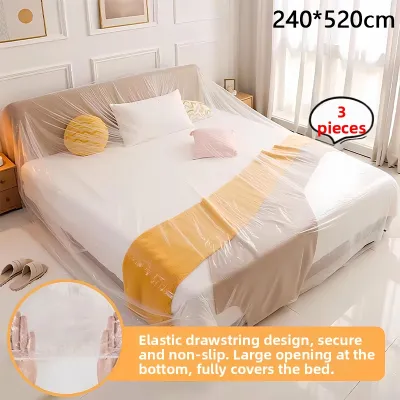
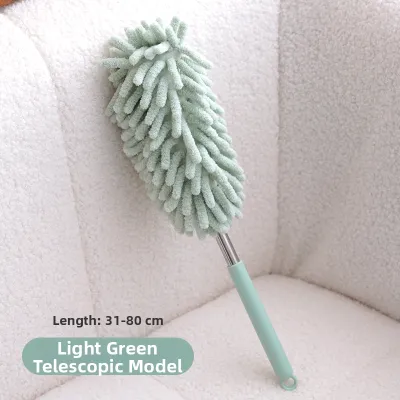
Prices are valid at publication and may change. Please refer to the product page for the latest price.
High-risk zones are almost always horizontal surfaces that experience frequent physical contact. Dining tables, coffee tables, TV consoles, and open display shelves are primary candidates for damage because they collect the most settling dust and experience the highest frequency of object movement.
To perform a quick diagnostic check, clear a small section of the furniture and clean it gently using a damp microfiber cloth. Once dry, turn off the overhead room lights and shine a bright flashlight or your smartphone light across the surface at a shallow, parallel angle. If you see a hazy, cloudy halo around the light reflection or feel a rough, draggy texture when sliding your clean fingertips across the surface, dust particles have already begun to abrade the finish.
Observable Signs of Dust-Induced Surface Damage
Dust-induced damage manifests in several distinct ways depending on the material and finish of your furniture. One of the most common signs is a localized loss of gloss or the appearance of cloudy, milky patches on polished wood, lacquer, or high-gloss laminate surfaces. This cloudiness occurs because thousands of microscopic scratches have pitted the clear topcoat, scattering light rather than allowing it to reflect cleanly.

Another clear indicator is the presence of fine, swirling micro-scratches, often referred to as cobwebbing. These scratches are highly visible on dark-colored wood finishes, high-gloss acrylics, and glass tabletops when viewed under direct sunlight or focused indoor lighting. Unlike deep gouges caused by sharp objects, these micro-scratches are incredibly fine and cover a wide area, tracing the path of past wiping motions or the rotation of decorative items.
You may also notice uneven wear patterns across the surface of your furniture. For instance, the center of a dining table or the front edge of a study desk might appear dull and worn, while the corners retain their original luster. This localized dullness is a direct result of frequent contact in areas where dust was not fully removed before objects were placed down or slid across the surface.
How Dust Particles Act as Abrasives on Furniture Finishes
To understand why dust is so damaging, it helps to look at what household dust actually consists of. Far from being just soft fabric fibers or skin cells, a significant portion of household dust is made up of hard mineral grit, silica, outdoor soil, and microscopic construction debris. In urban environments like Singapore, where open windows let in fine soot and traffic dust, these particles are highly abrasive.
When these mineral particles settle on a table, they act like microscopic grains of sand. If you slide a ceramic plate, a heavy vase, or even a laptop across a dusty surface, you trap these hard particles between the heavy object and the furniture finish. The downward pressure concentrates on these tiny, sharp grains, dragging them across the clear coat and grinding them into the sealant.
The vulnerability of your furniture depends heavily on its finish. Untreated or natural oiled woods are porous; while they do not show micro-scratches as easily, dust can grind deep into the wood grain, causing permanent discoloration. High-gloss laminates and lacquered finishes are the most vulnerable, as their smooth, reflective surfaces make even the slightest micro-abrasion immediately visible. Glass surfaces are harder and resist deep scratches, but over time, constant friction from dusty objects will create a hazy, worn appearance.
When to Rely on Cleaning vs. When to Use Protective Pads
Deciding whether to adjust your cleaning routine or invest in physical protective pads depends on how you use your space. For low-traffic furniture, such as high display shelves or side tables that hold static decorative items, proper cleaning habits are usually sufficient. This means avoiding dry dusting entirely, as dry cloths simply drag abrasive dust particles across the finish. Instead, use high-quality microfiber cloths paired with a dedicated dusting spray or a slightly damp cloth to lift and trap the dust. Always lift items completely when cleaning rather than sliding them.
However, for high-traffic surfaces, cleaning alone is rarely enough. Dining tables, coffee tables, entry consoles, and desks are subject to constant activity. Even if you dust daily, new particles settle constantly, and the friction from sliding cups, keys, and laptops will inevitably grind those particles into the finish. In these scenarios, physical surface protectors are essential.
From a financial perspective, using protective pads is highly cost-effective. Refinishing a damaged solid wood dining table or a lacquered sideboard in Singapore can easily cost between S$300 and S$1,000, depending on the size and the level of craftsmanship required. In contrast, high-quality felt pads, silicone coasters, or clear table protectors typically cost between S$5 and S$50. Investing in targeted protection preserves the aesthetic appeal and resale value of your furniture for a fraction of the restoration cost.
How to Choose the Right Surface Protectors for Dust-Prone Areas
Selecting the right protective pad requires matching the protector material to both your furniture finish and the items you want to place on top.
- Felt Pads: These are ideal for the bottoms of heavy decorative objects, table lamps, and furniture legs. Felt is soft and absorbs minor impacts, but because it is fibrous, it can trap dust and grit over time. It is best suited for dry, low-moisture areas.
- Silicone Protectors: Excellent for coasters and non-slip placemats. Silicone provides a strong grip and is highly water-resistant, making it perfect for dining tables. However, ensure you choose high-quality, food-grade silicone, as cheaper alternatives can sometimes leave a cloudy residue on delicate oil or lacquer finishes under heavy pressure.
- Cork Mats: A natural, breathable option that works beautifully under hot items, mugs, or indoor potted plants. Cork does not react chemically with wood sealants and provides a stable, cushioned barrier.
- Clear PVC or Vinyl Liners: Often used to cover entire tabletops or shelf interiors. While they offer excellent protection against spills and scratches, they can trap ambient moisture underneath in humid tropical climates. If you use clear PVC on wood, ensure the wood finish is fully cured, and consider using small, clear silicone bumpers to create a tiny air gap that prevents moisture buildup.
When applying protective pads, prioritize non-slip properties. A pad that slides around easily with trapped dust underneath can cause the very scratches you are trying to prevent. Additionally, choose pads that are slightly smaller than the base of your decorative items so they remain hidden from view, keeping your home’s interior design clean and seamless.
Frequently Asked Questions (FAQ)
Can regular dusting completely prevent furniture scratches?
No, regular dusting cannot entirely prevent scratches on frequently used furniture. Dust settles continuously throughout the day, meaning a thin layer of abrasive mineral particles can accumulate within hours of your last cleaning. When you slide a cup, plate, or laptop across the table between cleaning sessions, those newly settled particles are ground directly into the finish. Physical barriers like coasters, placemats, and protective pads are necessary to absorb this daily friction.
Do adhesive protective pads damage wood finishes over time?
Yes, certain adhesive pads can damage delicate wood finishes, particularly in warm and humid climates. Strong chemical adhesives can react with wood lacquers, varnishes, or oil finishes over time, leading to discoloration or peeling when the pad is eventually removed. To avoid this, check the manufacturer’s guidelines for your furniture, and opt for non-adhesive pads, self-gripping silicone mats, or felt pads specifically labeled as safe for delicate wood finishes.
How often should I clean or replace furniture protector pads?
You should inspect your furniture protector pads every three to six months. Felt and fabric pads are highly prone to trapping dust, pet hair, and grit within their fibers; once saturated, they turn into abrasive surfaces themselves. If a felt pad feels stiff, rough, or looks visibly dirty, it should be replaced immediately. Washable silicone or plastic protectors should be removed periodically, washed with mild soap and water, dried completely, and reinstalled only after the underlying furniture surface has been thoroughly cleaned.
Community discussion
Share your experience or ask a question. Comments are reviewed before publication.