
Finding the ideal shoe storage for your wardrobe depends on three main factors: your closet’s physical dimensions, the weight and style of your footwear, and how often you need to access each pair. While stackable boxes offer excellent dust protection for seasonal or high-value shoes, hanging organizers maximize vertical space in narrow closets, and pull-out racks provide seamless access in deep, built-in wardrobes. Choosing the wrong format can lead to sagging closet rods, damaged shoe structures, or wasted space that leaves your bedroom cluttered.
To make an informed decision, you must evaluate your wardrobe’s structural limits and match them with your daily habits. This guide breaks down the structural requirements, material checks, and practical trade-offs of each storage type so you can build an organized, moisture-resistant wardrobe system that preserves your footwear collection.
Assessing Your Wardrobe Dimensions and Footwear Collection
Before purchasing any storage accessories, you must take precise measurements of your wardrobe’s interior. Use a metal measuring tape to record the interior width, usable depth, and total height clearance of your shelving or hanging sections. If your wardrobe has hinged doors, measure the door swing radius and check if internal hinges protrude into the storage space, which can block pull-out drawers or wide boxes. For sliding doors, identify the overlap zone where the doors meet, as this area often restricts access to the center of the wardrobe.
Products mentioned in this guide
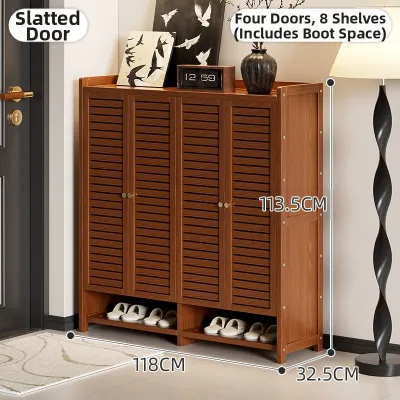
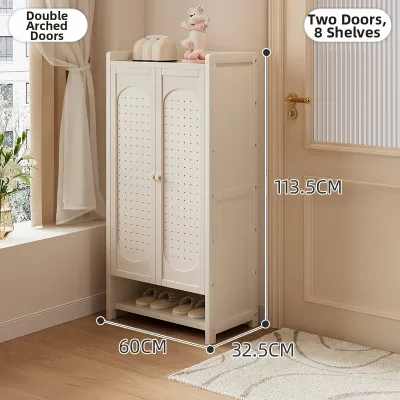
Prices are valid at publication and may change. Please refer to the product page for the latest price.
Next, audit your footwear collection by categorizing your shoes by physical dimensions, weight, and usage frequency. Measure the height of your tallest boots, the width of your widest sneakers, and the length of your longest dress shoes to ensure they will fit within standard storage compartments. Weigh a few pairs of your heaviest shoes, such as leather boots or thick-soled trainers, to calculate the cumulative load your storage system must support. Group your shoes into daily wear, weekly rotation, and seasonal or occasional wear to determine where each pair should reside within your closet layout.
Finally, inspect the structural integrity of your existing wardrobe components. Check if your wooden shelves are adjustable or fixed, and look for pre-drilled peg holes that allow you to reconfigure shelf heights. If you plan to use hanging storage, locate the closet rod brackets and verify how they are anchored to the side panels or ceiling. Standard wooden or thin metal rods can bow under excessive weight, so identifying their material and span length is crucial before adding heavy vertical organizers.
Stackable Boxes: Best for Adjustable Shelves and Dust Protection
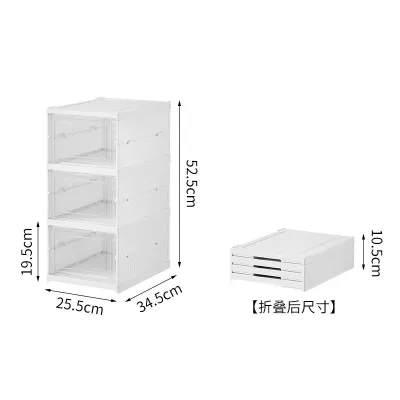
Stackable shoe boxes are highly effective for wardrobes with adjustable shelving or open floor space. These modular containers allow you to utilize the full height of a shelf bay or the closet floor by stacking units directly on top of one another. Because they are individual units, you can easily reconfigure the stack to fit changing wardrobe layouts or to accommodate taller boots by removing a box from the column. They are particularly useful in regions with high humidity, such as Singapore, where dust accumulation combined with moisture can ruin delicate suede or leather finishes.

When selecting stackable boxes, always verify the interior dimensions rather than relying on external product labels. Ensure the box length accommodates your shoe size comfortably without bending the heel or compressing the toe box. Look for boxes constructed from rigid, high-density polypropylene or clear acrylic, which offer superior structural stability compared to flimsy, soft plastic folding boxes. Check that the boxes feature interlocking tabs or grooves on the top and bottom panels to prevent the stack from sliding or tipping over when you open a compartment.
While stackable boxes offer excellent protection, they present specific usability trade-offs. Traditional lid-opening boxes require you to unstack the entire column to access a pair of shoes at the bottom, which quickly becomes tedious for daily-wear items. To avoid this, look for front-opening designs featuring magnetic or snap-lock drop-front doors. Additionally, because enclosed plastic boxes trap moisture, ensure the models you choose have built-in ventilation holes on the rear or side panels to facilitate airflow and prevent mold growth.
Hanging Organizers: Best for Narrow Closets and Lightweight Shoes
Hanging shoe organizers are designed to maximize unused vertical space directly beneath your hanging clothes. These fabric-based systems suspend from your existing closet rod using heavy-duty hook-and-loop straps or metal hooks, making them an excellent low-effort solution for narrow wardrobes. They require zero floor space and no drilling, allowing you to quickly add storage compartments to a rental wardrobe or a compact guest closet without modifying the cabinetry.
Before installing a hanging organizer, you must verify the weight capacity of your closet rod and the structural design of the organizer itself. Fabric shelves can sag over time under the weight of heavy footwear, which causes the shoes to slide toward the center and press against each other. To prevent this, look for organizers that feature reinforced shelving bases made of thin MDF, rigid plastic inserts, or thick cardboard sewn into the fabric layers. Check the hanging attachment mechanism to ensure it distributes weight evenly across a wide section of the rod rather than concentrating stress on a single point.
Despite their convenience, hanging organizers have distinct limitations that make them unsuitable for certain shoe collections. They are generally designed for lightweight, flexible footwear such as sandals, flats, canvas sneakers, and slippers. Heavy leather boots, high heels, or rigid platform shoes can easily overload the fabric structure, causing the seams to tear or the closet rod to bow. Furthermore, storing delicate leather or patent shoes in tight fabric cubbies can cause friction damage, and overloading the compartments may lead to shoe collar or shoulder deformation over time.
Pull-Out Racks: Best for Deep Built-in Wardrobes and Daily Access
Pull-out shoe racks are the premium choice for deep, built-in wardrobes where reaching shoes stored at the back is difficult. These systems utilize metal or wooden trays mounted on telescopic drawer runners, allowing you to pull the entire rack out into the room for full visibility and immediate access. They are ideal for deep closets (typically 60cm or more) because they transform hard-to-reach rear space into highly functional storage, making them perfect for your most frequently worn shoes.
Installing pull-out racks requires careful technical verification of your wardrobe’s construction. First, measure the thickness of your wardrobe’s side panels to ensure they can support mounting screws without splitting; standard panels should be at least 16mm to 18mm thick. Next, check the clearance around the wardrobe doors, ensuring the tracks can extend fully without hitting the door frame, hinges, or sliding door tracks. You must also verify the load rating of the ball-bearing slides, which should ideally be rated for at least 15kg to 20kg to handle the weight of multiple pairs of heavy shoes and the rack itself.
While pull-out racks offer unmatched convenience and a clean, integrated look, they require a higher initial investment and more installation effort than other options. They are semi-permanent fixtures that require drilling into your wardrobe carcass, which may not be permissible in rental properties. Additionally, because the shoes are exposed on open trays or rails, they do not offer the same dust protection as enclosed boxes, meaning you will need to dust the racks and shoes regularly to maintain a clean wardrobe interior.
Comparison Matrix: Matching Storage Types to Closet Constraints
To help you determine which storage format aligns with your specific wardrobe setup, review the comparison matrix below. This table maps each storage type against key physical constraints, weight capacities, and installation requirements.
| Storage Type | Minimum Wardrobe Depth | Weight Capacity per Tier | Installation Effort | Best Suited Footwear | Dust & Moisture Protection |
|---|---|---|---|---|---|
| Stackable Boxes | 35 cm | High (up to 5 kg per box) | Low (no tools required) | Leather dress shoes, heels, sneakers | High (enclosed with ventilation) |
| Hanging Organizers | 30 cm | Low (approx. 1 kg per slot) | Low (hangs on closet rod) | Sandals, flats, canvas slip-ons | Low (exposed to closet air) |
| Pull-Out Racks | 55 cm | Medium to High (15–25 kg total) | High (requires drilling & tracks) | Daily sneakers, heavy boots, dress shoes | Moderate (easy to clean, open air) |
| Angled Shelves | 35 cm | Medium (depends on shelf support) | Medium (requires brackets) | Heels, flat shoes, low-top sneakers | Low (exposed to closet air) |
For many homeowners, a hybrid storage strategy yields the most efficient results. You can install a pull-out rack at the bottom of your wardrobe for your daily-wear shoes, hang a lightweight fabric organizer on the side of your closet rod for seasonal sandals, and place clear stackable boxes on high, hard-to-reach shelves to protect expensive dress shoes or boots from dust and humidity.
How to Choose the Right Shoe Storage for Your Setup
To finalize your shoe storage purchase, follow this conditional decision framework based on your wardrobe’s physical layout and your specific storage goals:
- Choose stackable boxes if your wardrobe has existing adjustable wooden shelves, or if you have open floor space at the bottom of your closet. This setup is ideal if you want to protect high-value leather shoes, heels, or collectible sneakers from dust and humidity, and if you prefer a modular system that can grow with your collection.
- Choose hanging organizers if you are dealing with a narrow wardrobe with zero available floor space, but you have unused vertical space hanging beneath shorter garments. This is the best low-cost, temporary option for renters or those storing lightweight shoes like flats, sandals, and slippers.
- Choose pull-out racks if you have a deep, built-in wardrobe carcass with sturdy side panels and want maximum convenience for your daily-wear shoes. This option is perfect if you are willing to invest in hardware installation to eliminate the hassle of reaching into deep, dark closet corners.
Before making any purchase from an online marketplace or home organization store, perform a final structural safety check. Verify that your closet rod brackets are securely fastened before hanging any organizers, and ensure that any drilling for pull-out tracks will not pierce through thin external wardrobe panels. If you are stacking plastic boxes higher than five tiers, anchor the stack or place it against a solid wall to prevent tipping.
Frequently Asked Questions (FAQ)
Can You Mix Different Shoe Storage Types in One Wardrobe?
Yes, mixing different storage types is often the most practical way to manage a diverse shoe collection. You can allocate your high-traffic daily footwear to an easily accessible pull-out rack or lower shelf, while keeping seasonal shoes, formal heels, or delicate leather boots protected inside ventilated stackable boxes on your upper shelves. This hybrid approach keeps your daily routine efficient while ensuring that delicate, expensive footwear remains protected from dust, light exposure, and physical compression over long periods of storage.
How to Prevent Odors in Enclosed Shoe Storage?
To prevent odors and mold in enclosed wardrobe spaces, you must control both moisture and airflow. Always allow your shoes to air out completely for at least a few hours after wearing them before placing them inside plastic stackable boxes or fabric organizers. Place moisture-absorbing packets, activated charcoal bags, or cedar blocks inside your shoe boxes to absorb residual sweat and humidity, which is especially important in tropical climates. Finally, choose stackable boxes with built-in ventilation slots and avoid packing your hanging organizers so tightly that they block the natural circulation of air within your wardrobe.
Community discussion
Share your experience or ask a question. Comments are reviewed before publication.