
Finding the ideal shoe cabinet bench in Singapore requires balancing seating comfort, storage capacity, and structural durability. There is no single brand that fits every home perfectly; the right choice depends on your household size, entryway dimensions, and budget.
In Singapore, the market is broadly divided into three main brand profiles: mass-market flat-pack retailers, premium showroom brands, and custom carpentry services. Each profile serves different household needs, ranging from quick, budget-friendly storage solutions to highly durable, bespoke installations.
To secure the best value, buyers must look past marketing claims and actively verify material specifications, weight limits, and spatial fit before making a purchase. Focusing on these objective criteria ensures you select a bench that safely supports daily use while keeping your entryway organized.
Products mentioned in this guide
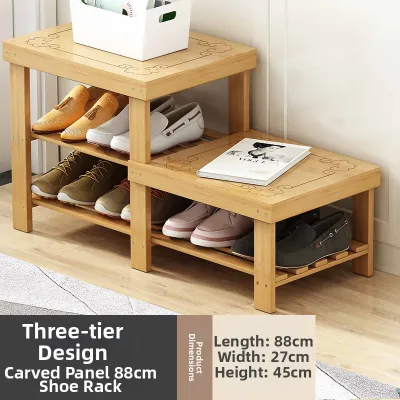
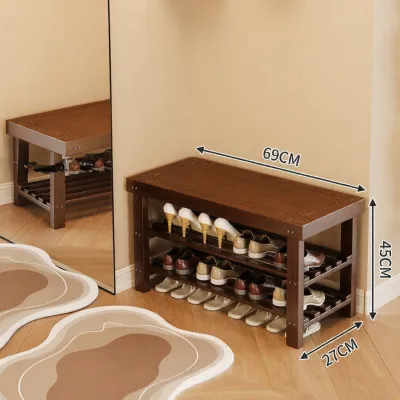
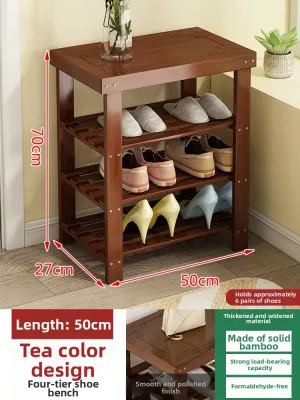
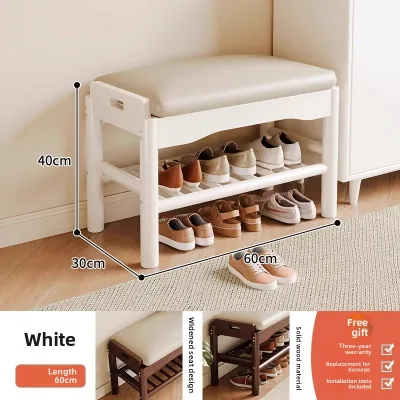
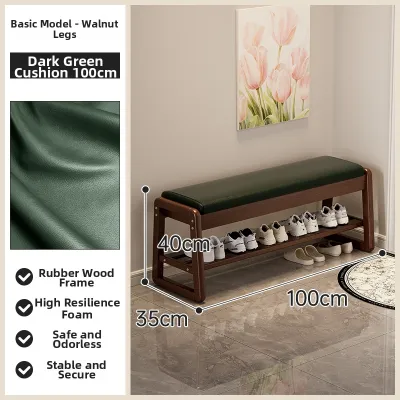
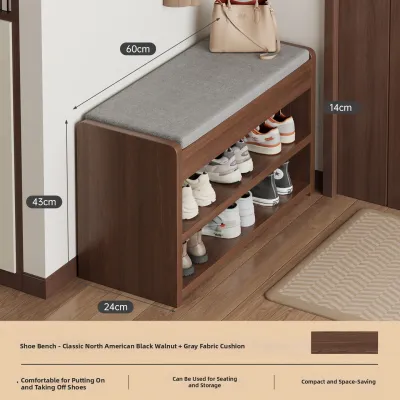
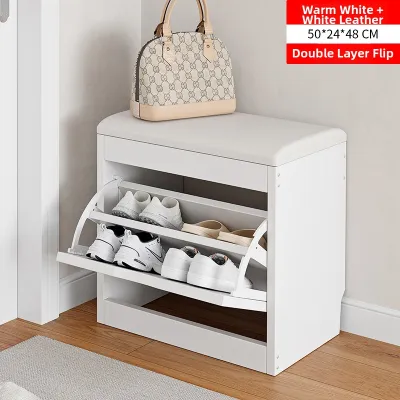
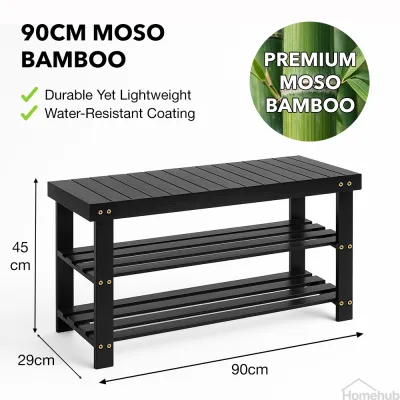
Prices are valid at publication and may change. Please refer to the product page for the latest price.
How to Evaluate Shoe Cabinet Bench Brands
When comparing different furniture makers, you must weigh the upfront cost against the expected lifespan of the piece. A lower initial price tag often comes with the trade-off of self-assembly and lighter-weight materials, whereas premium options usually offer pre-assembled units made from denser, more robust materials.
Evaluating these brands requires a close look at the manufacturer’s specification sheets. Look for explicit load-bearing limits for the seating surface and detailed descriptions of the core materials used. A high-quality brand will transparently list these details rather than using vague marketing terms.
Additionally, after-sales support is a critical indicator of brand reliability. Check whether the manufacturer offers a clear warranty on structural components and if they supply replacement hardware, such as hinges or drawer runners, should the original parts wear out over time.
The design of the base is another crucial evaluation point. Benches that sit directly on the floor (plinth bases) offer excellent stability but can trap dust and moisture underneath, whereas benches with raised legs allow for easy cleaning and can even provide extra floor space for temporary shoe placement.
Finally, consider the anchoring options provided by the brand. If you have young children or pets, or if the bench is relatively tall and narrow, look for brands that include wall-anchoring hardware to prevent accidental tip-overs when someone sits down or opens the doors.
Checking Build Quality and Material Labels
Understanding material labels is essential when assessing the quality of a shoe cabinet bench. Manufacturers typically use engineered wood, such as particleboard or Medium-Density Fibreboard (MDF), or solid wood.

Engineered wood is highly common and cost-effective, but its performance depends heavily on the quality of the protective laminate or veneer. High-density MDF resists warping better than low-grade particleboard, making it a more durable choice for daily seating.
Solid wood offers superior natural strength and longevity but requires a higher investment and regular maintenance to prevent warping in humid climates. If choosing solid wood, verify if it has been properly treated or sealed to withstand indoor humidity levels.
The type of surface finish is equally important. Melamine and high-pressure laminates are highly resistant to scratches, moisture, and stains, making them excellent for the high-traffic entryway environment. Wood veneers offer a natural look but require gentler cleaning methods to avoid damaging the thin wood layer.
Hardware quality directly impacts how smoothly the cabinet operates on a daily basis. When browsing options, look for brands that specify the use of heavy-duty hinges, soft-close mechanisms, and smooth drawer runners. These components prevent doors from slamming, reduce wear on the main frame, and ensure quiet operation.
Because this furniture piece doubles as a seat, verifying the weight capacity label is a critical safety step. A reliable bench should explicitly state its maximum seating load, ensuring it can safely support adults during daily use. Look for a minimum weight rating of 100 to 120 kilograms for single-seat benches, and higher for multi-person units.
Finally, inspect the edge banding and joint construction. In Singapore’s humid climate, poorly sealed edges can allow moisture to penetrate the core material, leading to swelling and structural failure. Look for tight, seamless edge bands and reinforced joints, such as dowels or metal brackets, rather than simple glued seams.
Calculating Storage Capacity and Spatial Fit
Before choosing a brand, you must calculate your household’s actual storage needs. Estimate your shoe volume by counting the number of active pairs per resident, keeping in mind that different shoe types require varying amounts of space.
For instance, flat sandals and slippers take up minimal vertical space, whereas high heels, boots, and bulky sneakers require taller compartments. If you store a mix of footwear, a single fixed-shelf height may lead to wasted vertical space or force you to store taller shoes on their sides.
Accurately measuring your entryway is the next crucial step to avoid spatial conflicts. Measure the available depth, width, and height, and pay close attention to the door swing clearance of both your main entrance door and the cabinet doors themselves. A bench that blocks a walkway or prevents a door from opening fully creates an immediate safety hazard.
When measuring depth, ensure the internal dimensions can accommodate your largest shoe size. Many standard benches have an external depth of 30 to 35 centimeters, which may be too shallow for larger men’s shoes (such as US size 11 or 12) if stored straight. In such cases, look for benches with slanted shelves or pull-out drawers designed specifically for larger footwear.
To maximize utility, look for brands that offer adjustable internal shelves or removable dividers. This flexibility allows you to reconfigure the interior layout as your footwear collection changes over time, accommodating seasonal boots or new additions easily.
Ventilation is another vital factor to consider for shoe storage. Enclosed cabinets can trap moisture and odors, so look for designs that incorporate ventilation gaps, louvered doors, or open-back panels to promote consistent airflow. This is particularly important in tropical climates where damp shoes can quickly lead to mold growth.
Comparing Price, Warranties, and Delivery Services
When budgeting for a shoe cabinet bench, look beyond the base retail price. Many brands list a low initial price but charge additional fees for delivery, home assembly, or carrying items up stairs if lift access is limited. These add-ons can significantly increase the total cost of ownership.
Review the warranty terms carefully to understand what is actually covered. A robust warranty should protect against structural defects, warping, and hardware failures for at least one to five years, rather than just covering cosmetic damage upon delivery. Be wary of brands that offer no warranty or limit coverage to a few days post-purchase.
Delivery lead times and return policies can vary significantly between online marketplaces and direct-to-consumer brands. If you need the furniture immediately, a local stockist with quick dispatch times is preferable to an overseas seller with a multi-week shipping window. Always check the return policy to see who covers the return shipping costs if the item arrives damaged or does not fit.
Additionally, consider the long-term value of modular designs. Some brands offer matching add-on units or sell individual replacement parts, allowing you to expand your storage or repair a damaged section without replacing the entire bench. This modularity extends the lifespan of your furniture and provides better long-term value.
Do not forget to factor in the cost of disposal for your old furniture if you are replacing an existing unit. Some premium brands offer complimentary disposal services, while others charge a fee or require you to arrange independent disposal through your town council.
Decision Framework: Matching Brand Profiles to Your Needs
To simplify your search, align your household priorities with one of the three primary brand categories available in Singapore.
Mass-Market Flat-Pack Brands These brands are ideal if you prioritize budget flexibility, immediate availability, and enjoy DIY assembly. They offer highly functional designs at accessible price points, making them suitable for rental properties or temporary setups. However, you must carefully follow assembly instructions, use the correct tools, and respect the stated weight limits to ensure stability.
Premium Showroom Brands Choose these brands if you are looking for long-term durability, premium materials like solid timber or high-grade veneers, and professional white-glove delivery services. These pieces often come fully assembled and feature superior hardware, making them a lasting investment for permanent homes. They also tend to offer more comprehensive warranties and reliable customer support.
Custom Carpentry Services Opt for custom carpentry if your entryway has awkward dimensions, requires seamless integration with existing built-in furniture, or if you have highly specific material and aesthetic preferences. While this is the most expensive route, it ensures absolute spatial optimization and a perfect match with your home’s interior design. It also allows you to choose exact materials that match your home’s existing woodwork.
Regardless of the path you choose, always verify the retailer’s customer service reputation and structural warranty terms before finalizing your purchase. Taking the time to read customer reviews and check the brand’s physical showroom, if available, can save you from unexpected quality issues.
Frequently Asked Questions (FAQ)
How many pairs of shoes should a standard bench cabinet hold?
A standard shoe cabinet bench typically accommodates between 6 to 12 pairs of adult shoes, depending on the width of the unit and the internal shelf configuration. To estimate your needs, allow approximately 20 to 25 centimeters of width per pair of adult shoes. If you have a larger household or store bulky footwear, look for benches with double-tier shelves or opt for a wider unit to avoid overcrowding the compartments.
Are flat-pack shoe benches less durable than pre-assembled ones?
Flat-pack shoe benches are not inherently less durable, but their longevity depends heavily on the quality of the materials, the hardware used, and the precision of the assembly. A flat-pack bench constructed with high-density engineered wood and secured with cam-lock fasteners can be highly stable. To ensure durability, strictly follow the manufacturer’s assembly steps, tighten all joints securely, and avoid exceeding the recommended weight capacity for the seating area.

Community discussion
Share your experience or ask a question. Comments are reviewed before publication.