
Choosing the right leather seat patch for your furniture repair is not a matter of finding a universally superior product, but rather matching the patch’s adhesive mechanism to your specific upholstery material. The success of your repair depends on the base material’s heat tolerance, the location of the damage, and how the furniture is used daily. Self-adhesive patches offer a quick, tool-free application that works well on heat-sensitive synthetics, whereas iron-on patches rely on heat-activated bonding that can provide a flatter edge seal but carries a high risk of melting or scorching delicate synthetic covers.
Before purchasing any repair kit, you must evaluate the physical state of your furniture and understand the limitations of cosmetic patches. A patch is designed to cover surface blemishes, small punctures, and minor tears; it cannot restore structural integrity to collapsed foam or torn internal webbing. By carefully assessing your furniture’s material composition and following a systematic testing process, you can achieve a clean, lasting repair without causing irreversible damage to your seating.
Understanding How Self-Adhesive and Iron-On Patches Work
To make an informed decision, it is essential to understand the physical and chemical bonding mechanisms that keep a leather seat patch in place. Self-adhesive patches are manufactured with a pre-applied layer of pressure-sensitive adhesive on the backing. This type of adhesive does not require heat, water, or solvent activation to function. Instead, it relies on physical pressure to force the adhesive into the microscopic valleys of the upholstery surface, creating a mechanical bond. For this bond to succeed, the receiving surface must be exceptionally clean, dry, flat, and free of oils or wax treatments.
Products mentioned in this guide
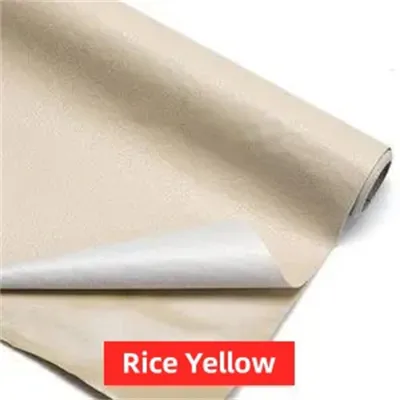
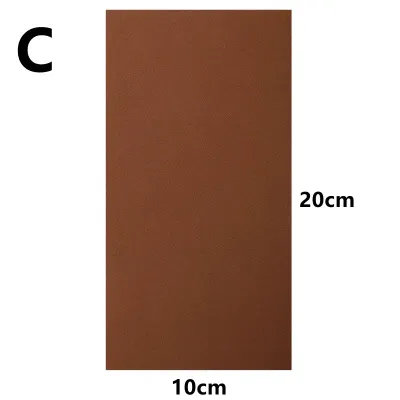
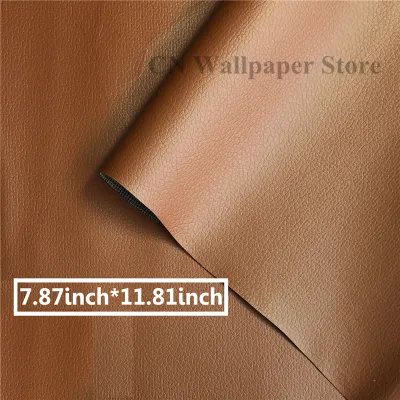
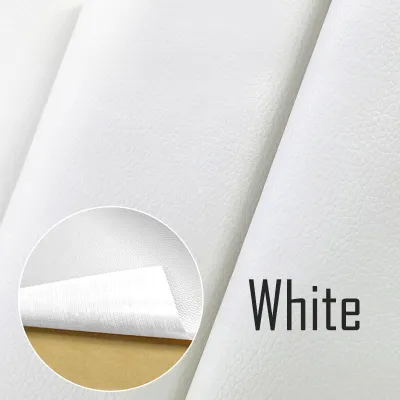
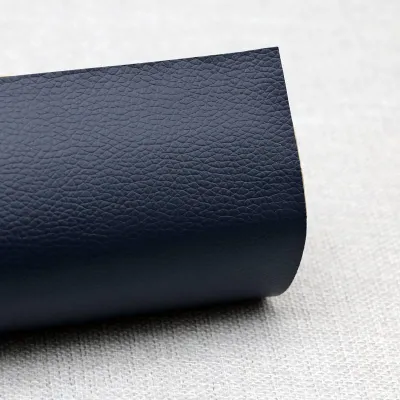
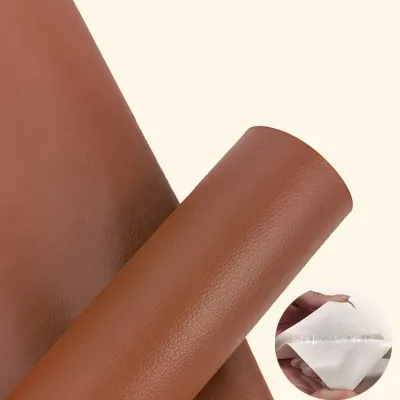
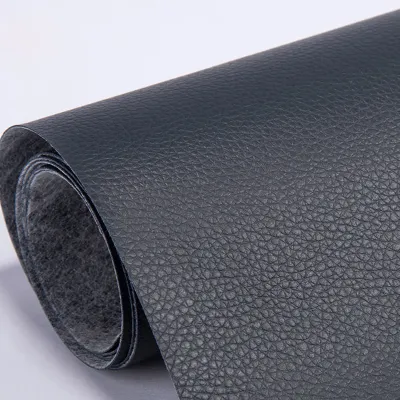
Prices are valid at publication and may change. Please refer to the product page for the latest price.
In contrast, iron-on patches utilize a dry, solid adhesive layer that remains inactive at room temperature. When you apply controlled heat and pressure using a household iron or a specialized heating tool, this adhesive melts and transitions into a liquid state. In this fluid form, the adhesive flows into the fibers or porous structure of the base material. As the heat source is removed and the area cools, the adhesive solidifies once again, fusing the patch and the original upholstery together.
Because these two bonding methods operate on entirely different physical principles, they require different surface conditions and material properties. A self-adhesive patch is highly dependent on the initial tack and the cleanliness of the surface, making it sensitive to dust and oils. An iron-on patch requires a base material that can withstand the specific temperature threshold needed to melt the adhesive without degrading the underlying fabric or synthetic coating. Always check the patch manufacturer’s specifications to verify which base materials their adhesive is designed to bond with before starting your repair.
Assessing Your Furniture Damage and Material Compatibility
Before selecting a patch type, conduct a thorough physical inspection of the damaged area to determine if a patch is a viable solution. Begin by measuring the size and depth of the tear, scratch, or puncture. If the damage is limited to the surface coating or a clean, shallow tear where the backing fabric is still intact, a cosmetic patch is highly effective. However, if the tear is wide, deep, or located on a high-tension seam, a simple patch may pull apart under the weight of a seated person. Remember that patches are cosmetic covers; they cannot repair compromised structural foam, broken springs, or torn webbing beneath the upholstery.

Next, identify the exact material of your furniture. Genuine leather, polyurethane (PU) faux leather, vinyl (polyvinyl chloride or PVC), and woven fabrics all react differently to adhesives and heat. Genuine leather has a natural, porous structure that generally accepts pressure-sensitive adhesives well, provided it has not been treated with heavy silicone-based conditioners or water-repellent coatings. Synthetic materials like PU and vinyl are essentially plastic coatings layered over a fabric backing. These synthetic surfaces are often slicker and may require specific adhesive formulations to achieve a secure bond.
The most critical factor when considering an iron-on patch is heat tolerance. Applying a hot iron to synthetic materials like vinyl or low-grade PU faux leather can cause immediate, irreversible damage. The heat can melt the plastic coating, cause the material to shrink and warp, or strip away the color and texture. Even some genuine leathers with heavy protective polyurethane topcoats can discolor or blister under direct heat. If you cannot verify that your furniture’s upholstery is highly heat-tolerant, avoiding heat-activated patches is the safest course of action to prevent ruining the entire furniture piece.
Comparing Application Effort, Finish, and Long-Term Wear
The practical experience of applying these patches, along with their visual outcomes and durability, varies significantly between the two methods. Self-adhesive patches require minimal tools and preparation, making them highly accessible for quick repairs. The application process involves cutting the patch to size, peeling off the protective backing, aligning it precisely over the damage, and applying firm, even pressure. Because the adhesive bonds instantly, there is very little room for error during alignment; once the patch touches the surface, repositioning it can weaken the adhesive or stretch the original material.
Iron-on patches demand a more meticulous setup and a higher level of user skill. You will need a reliable heat source, such as a household iron, and a protective barrier cloth—such as parchment paper or a thin cotton towel—to prevent direct contact between the hot metal and the upholstery. The temperature must be monitored closely according to the manufacturer’s instructions, as insufficient heat will fail to melt the adhesive, while excessive heat can damage the furniture. The benefit of this method is that the melted adhesive can sometimes create a flatter, more integrated edge seal that is less prone to peeling when subjected to friction.
Regardless of the attachment method, the thickness of the patch material plays a major role in the final finish. Thicker leather patches will inevitably create a visible ridge along the edges, which can catch on clothing or feel noticeable when you sit down. Over time, the edges of any patch are subjected to constant friction from daily use. In warm, humid climates like Singapore, high ambient moisture can accelerate the degradation of certain pressure-sensitive adhesives, making proper surface preparation even more critical to prevent edge lifting. To maximize the lifespan of either patch type, avoid using harsh chemical cleaners or placing the repaired furniture in direct sunlight, as UV rays and strong solvents can degrade the adhesive bond over time.
Decision Framework: Which Leather Seat Patch Fits Your Repair?
To help you choose the correct patch type for your specific furniture repair, use the following condition-based framework to evaluate your options.
Choose Self-Adhesive if:
- The base upholstery is made of vinyl, polyurethane (PU) faux leather, or any other heat-sensitive synthetic material.
- The damage consists of small scratches, minor punctures, or shallow tears on flat, low-tension areas of the seat or armrest.
- You prefer a low-risk, straightforward application process that does not require specialized tools or heat sources.
- You want a repair that can potentially be reversed or adjusted in the future without permanently fusing materials together.
Choose Iron-On if:
- The patch manufacturer explicitly states that the adhesive is compatible with your specific base material, and you have verified that the upholstery is highly heat-tolerant (such as heavy-duty natural canvas or specific genuine leathers).
- The repair instructions specifically mandate heat activation to achieve the necessary bond strength for that particular adhesive type.
- The damage is located in an area where a fused, low-profile edge seal is necessary to prevent clothing from catching on the patch.
Verify First or Consult a Professional if:
- The furniture is a valuable antique, heirloom, or features delicate designer leather with a sensitive finish.
- The upholstery material is completely unknown, or you cannot determine whether it is genuine leather or a synthetic blend.
- The damage involves deep structural tearing, sagging foam, or compromised seams that require stitching rather than a surface patch.
- The patch application instructions directly conflict with the care label or cleaning instructions provided by your furniture manufacturer.
Safe Application Steps and When to Stop
Achieving a successful repair requires careful preparation and a commitment to safety protocols before applying any adhesive to your furniture. The first and most critical step is surface preparation. The damaged area must be thoroughly cleaned to remove body oils, dust, and household grime that prevent adhesives from bonding. Use a mild, manufacturer-approved cleaning solution or a damp cloth with a tiny amount of gentle soap. Avoid using harsh alcohol-based solvents, acetone, or strong chemical degreasers, as these substances can strip away the protective topcoat of both genuine and synthetic leather, leaving the surface permanently damaged and even less receptive to adhesives. Allow the area to dry completely before proceeding.
Before applying the patch to the visible damage, you must perform a hidden compatibility test. Cut a tiny, inconspicuous piece of the patch material or use a small amount of the adhesive on a hidden part of the furniture, such as the underside of the seat frame or the back of a cushion flap. If you are using an iron-on patch, test the heat setting of your iron on this hidden area with the protective barrier cloth in place. This step allows you to observe how the upholstery reacts to the adhesive or heat without risking highly visible damage.
Establish clear stop conditions during your test phase. Halt the repair process immediately if you observe any of the following warning signs:
- The base material begins to bubble, blister, or warp.
- The color of the upholstery changes, fades, or transfers onto your cleaning cloth or barrier paper.
- You detect a strong chemical or burning plastic odor.
- The adhesive fails to stick or slides off the surface easily, indicating a chemical incompatibility or a silicone treatment on the upholstery.
If your test fails or if the damage to your furniture is too extensive for a simple cosmetic patch, do not attempt to force the repair. In these cases, the safest and most cost-effective long-term solution is to abandon the DIY approach and consult a professional furniture upholstery or restoration service. A professional can properly assess the damage, match the leather grain and color accurately, and perform structural repairs that a surface patch simply cannot achieve.
Frequently Asked Questions (FAQ)
Can I apply a leather seat patch to vinyl or fabric surfaces?
While some high-quality self-adhesive patches are formulated to bond with smooth vinyl surfaces, fabric upholstery presents a different challenge. Woven fabrics are highly porous, textured, and flexible, which means they lack the smooth, continuous surface area required for standard pressure-sensitive adhesives to form a secure mechanical bond. If you attempt to use a standard leather patch on fabric, the adhesive is likely to peel off quickly under normal use. Always check the patch packaging for explicit multi-surface compatibility claims and perform a test on a hidden area of the fabric before attempting a full repair.
Will removing the patch damage the original furniture finish?
Yes, removing a patch can carry a significant risk of damaging the underlying furniture finish, depending on the adhesive type used. Self-adhesive patches can often be peeled off, but they frequently leave behind a sticky, stubborn residue. Attempting to clean this residue with harsh adhesive removers or solvents can dissolve the protective topcoat of faux leather or discolor genuine leather. Iron-on patches, on the other hand, are designed to fuse permanently with the base material through heat activation. Attempting to peel off an iron-on patch will almost certainly tear, stretch, or delaminate the original upholstery, making the damage far worse than the original tear.
Community discussion
Share your experience or ask a question. Comments are reviewed before publication.