
Selecting a low wooden stool for a Singapore home requires looking beyond aesthetic appeal or a specific wood species name. In environments with high relative humidity, the key to longevity lies in dimensional stability, proper kiln-drying processes, and the quality of the protective finish. Rather than searching for a single “best” wood type, buyers should evaluate how a manufacturer has prepared and sealed the timber.
To ensure your stool resists warping and cracking, prioritize hardwoods with low movement ratings or high-quality engineered woods with sealed edges. Always verify the manufacturer’s specifications for moisture-resistant finishes and indoor suitability. By combining careful material inspection with proactive maintenance, you can find a durable low wooden stool that withstands tropical conditions for years to come.
How Tropical Humidity Affects Wooden Furniture
Singapore’s tropical climate presents a unique challenge for wooden furniture, with indoor relative humidity levels frequently fluctuating between air-conditioned dryness and open-window tropical warmth. Wood is a hygroscopic material, meaning it naturally absorbs and releases moisture to align with the surrounding atmosphere. When humidity rises, the wood fibers swell; when the air dries out, they contract.
Products mentioned in this guide
![[Made in Singapore] Wooden Rectangle Stool](https://img.lazcdn.com/g/ff/kf/Se5c69a59fd98471dacadfc5a5b899e24D.jpg_400x400q80.jpg_.webp)
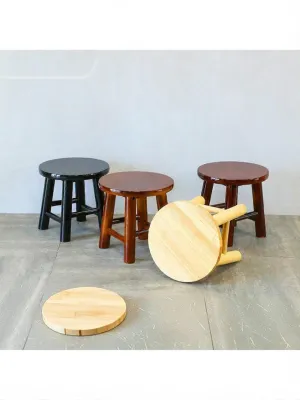
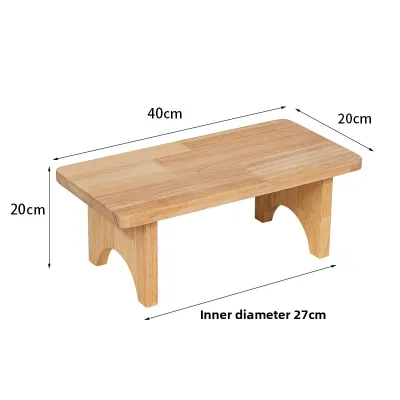
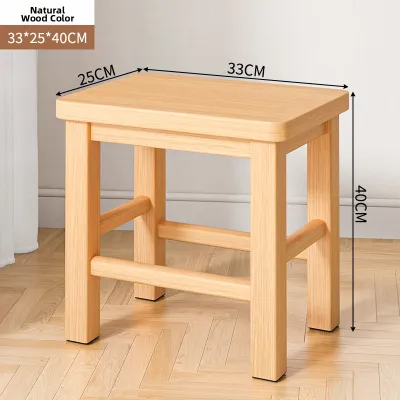
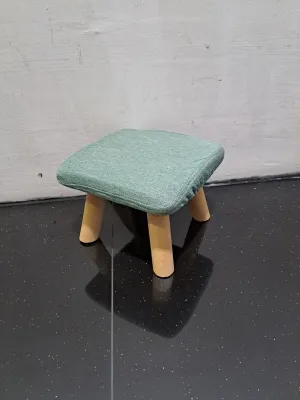
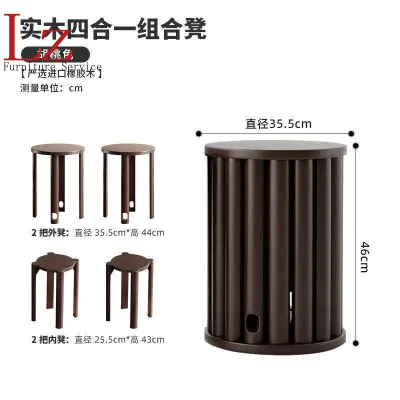
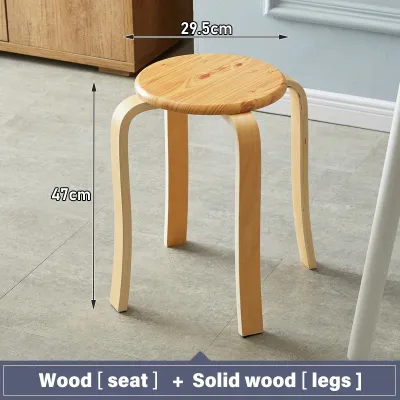
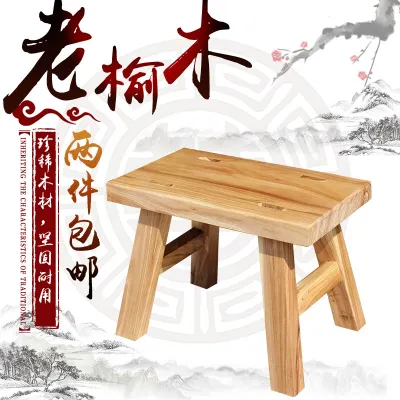
Prices are valid at publication and may change. Please refer to the product page for the latest price.
This constant cycle of expansion and contraction puts immense physical stress on solid wood. Over time, uneven moisture absorption can cause the wood to warp, cup, or develop deep structural cracks. This risk is particularly high for low stools, which sit close to the floor where cool, damp air often pools, or near entryways and balconies where outdoor air mixes with indoor climate control.
High humidity also creates an ideal breeding ground for mold, mildew, and fungal spores. Porous, unfinished, or poorly sealed wooden surfaces easily trap microscopic moisture droplets and organic dust, leading to unsightly dark spots and musty odors. Once mold penetrates the wood grain, it becomes incredibly difficult to eradicate without damaging the material.
It is important to recognize that no solid wood is completely immune to these environmental forces. Even highly durable species will degrade if they are poorly prepared. Long-term performance depends heavily on the initial kiln-drying process, which stabilizes the wood’s internal moisture content, as well as the natural oil density of the timber and the continuous integrity of its protective surface sealants.
Evaluating Wood Types for a Low Stool
When shopping for a low wooden stool, understanding the fundamental differences between wood categories and finishes will help you look past marketing buzzwords and make an informed decision.

Hardwoods vs. Softwoods
Hardwoods, derived from slow-growing broadleaf trees, generally offer higher density and superior resistance to physical impacts compared to softwoods. This density makes them highly suitable for seating, as they resist the dents and scratches common to low-profile furniture. However, hardness does not automatically equal moisture resistance. While dense hardwoods expand and contract more slowly than softwoods, they still require robust moisture protection to prevent warping in humid climates. Softwoods, such as pine or fir, are more porous and prone to rapid moisture absorption, making them less ideal for humid indoor environments unless they are thoroughly sealed and maintained.
Natural Oils and Resins
Certain wood species possess high levels of natural oils and resins that act as built-in water repellents. These natural compounds block moisture from penetrating deep into the wood fibers, providing an excellent baseline defense against humidity. When evaluating these woods, look for manufacturer details regarding natural oil content and specific care instructions. Keep in mind that even oil-rich woods require proper seasoning and sealing to prevent the natural oils from drying out or washing away over time under local cleaning routines.
Engineered and Treated Woods
Engineered wood options, such as high-grade plywood or medium-density fiberboard (MDF) with wood veneers, offer excellent dimensional stability because their layered construction resists warping. However, their performance in humid climates depends entirely on the quality of their construction. When inspecting an engineered wood stool, carefully check the edge banding and veneer seams. Any gaps or unsealed edges can allow moisture to seep into the core material, causing the layers to swell, delaminate, and structurally fail.
Surface Finishes
The surface finish is your stool’s primary defense against Singapore’s heavy air. Synthetic sealants like polyurethane and lacquer create an impermeable plastic-like barrier that completely blocks liquid water and significantly slows down moisture vapor transfer. Penetrating oil finishes, on the other hand, soak into the wood pores to highlight the natural grain but require more frequent reapplication to maintain their protective qualities. Always verify the type of finish applied to the stool and ask the retailer about the recommended maintenance schedule for that specific coating.
Structural and Safety Checks for Low Wooden Stools
Beyond the wood type itself, the physical construction of a low wooden stool determines how well it will hold up to daily use and environmental stress.
Joinery and Connections
Examine how the stool’s components are held together. High-quality wooden furniture relies on traditional mechanical joinery, such as mortise-and-tenon joints, dowels, or interlocking wood pieces. These joints allow the wood to expand and contract naturally without tearing itself apart. Avoid stools that rely solely on cheap adhesives or basic metal screws driven directly into the wood grain. As the wood shifts with seasonal humidity changes, glue lines can dry out and crack, and screws can strip the surrounding wood fibers, leading to a wobbly and unsafe seat.
Weight Capacity and Stability
A low wooden stool must be exceptionally stable, as users often apply lateral force when sitting down or standing up from a low height. Always check the manufacturer’s stated weight capacity to ensure it meets your household’s needs. Look for designs with a slightly flared leg base or a wider footprint relative to the seat size. A low center of gravity combined with a sturdy, wide base minimizes the risk of the stool tipping over during use.
Floor Protection and Airflow
Moisture often accumulates on floors, especially after routine mopping or near open windows during Singapore’s sudden rainstorms. Ensure the stool legs are equipped with built-in felt pads, rubber glides, or plastic feet. These accessories serve a dual purpose: they protect your flooring from scratches and elevate the raw wood of the stool legs slightly off the ground. This small gap prevents capillary action from drawing standing water into the end grain of the wood and allows crucial airflow to prevent moisture from becoming trapped underneath.
Maintenance and Moisture Management
Proper care is essential to preserve the appearance and structural integrity of your low wooden stool in a tropical environment.
Routine Cleaning
To clean your stool, use a slightly damp microfiber cloth to wipe away dust and surface oils. Avoid soaking the wood or leaving standing water on the surface. Never use harsh chemical cleaners, abrasive pads, or ammonia-based sprays, as these substances can strip away the protective polyurethane or lacquer finish, leaving the raw wood vulnerable to humidity.
Environmental Controls
Whenever possible, maintain a stable indoor climate. Using air conditioning or dehumidifiers helps regulate indoor relative humidity, reducing the stress placed on your wooden furniture. Avoid placing your low stool directly in the path of cold air conditioning drafts or in spots that receive intense, direct afternoon sunlight. These extreme temperature and humidity differentials can cause uneven drying, leading to rapid cracking along the wood grain.
Inspection and Upkeep
Make it a habit to inspect your stool every few months. Look for early warning signs of wear, such as fine cracks in the finish, loose joints, or small dark spots that indicate mold growth. If you notice the protective sealant wearing thin, consult the manufacturer’s guidelines or contact a professional furniture refinisher to reapply a compatible protective coat before moisture causes permanent structural damage.
Frequently Asked Questions (FAQ)
Can I use an outdoor wooden stool indoors in a humid climate?
Yes, you can use outdoor-rated wooden stools indoors, but there are important trade-offs to consider. Outdoor furniture is typically built from highly durable woods and treated with heavy-duty chemical preservatives or thick marine-grade finishes designed to withstand direct rain and sun. While these treatments offer excellent moisture resistance, they can sometimes emit strong chemical odors initially or feature a rougher, less refined texture than indoor furniture. Always check the manufacturer’s product label to ensure the finishes and treatments used are certified safe for indoor living spaces.
How do I know if my wooden stool has moisture damage?
Moisture damage usually manifests through clear visual and physical changes. Look for warping or cupping in the seat, white cloudy rings or hazy patches beneath the finish, or a soft, spongy texture along the bottom of the legs. If the joints feel loose or wobbly when you apply weight, or if you spot black, green, or white mold spots spreading across the wood grain, the structural integrity has been compromised. In these cases, stop using the stool immediately and consult a professional to determine if it can be repaired or if it needs to be replaced.
Community discussion
Share your experience or ask a question. Comments are reviewed before publication.