
Selecting the right dust proof cover for furniture in Singapore requires balancing tight weave density to block fine dust with sufficient breathability to prevent moisture accumulation. In a tropical climate where relative humidity levels frequently exceed 80%, using a completely sealed, non-breathable plastic cover can trap ambient moisture underneath, creating an ideal breeding ground for mould and mildew. Conversely, a highly porous fabric might let air circulate but fail to stop fine dust particles from settling on your upholstery or wood finishes. The ideal choice depends on your specific storage environment, the material of your furniture, and whether you can perform regular maintenance checks.
To protect your home investments, you must evaluate how different materials behave under local environmental conditions. Whether you are covering a sofa during a renovation, protecting balcony chairs from drifting dust, or shielding spare bedroom furniture, understanding material science is key to keeping your items pristine.
Understanding How Humidity Affects Dust Proof Covers
Singapore’s tropical climate presents a unique challenge for home maintenance. High ambient humidity means that the air constantly carries a significant amount of water vapour. When you place a cover over a piece of furniture, you are not just blocking dust; you are also creating a microclimate underneath that cover.
Products mentioned in this guide
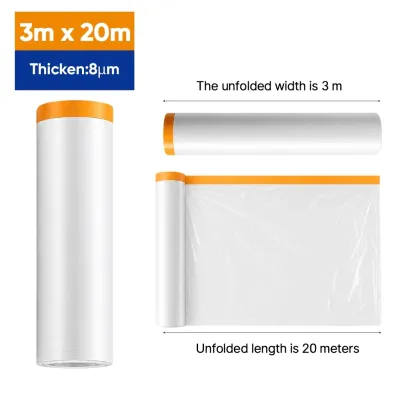
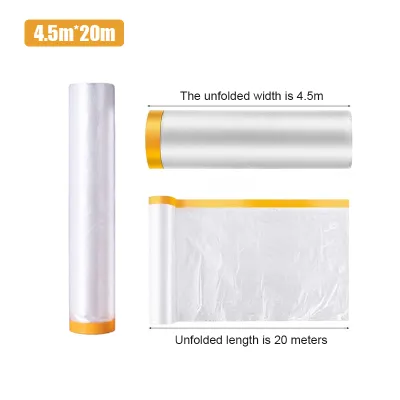
![[2-3 Days Delivery] 4.5m x 20m Plastic Dust Cover Protective Plastic Sheet Disposable Furniture Dustproof Cover Protective Cover Plastic Cover Plastic Film for Home Improvement CNY Gift Present](https://img.lazcdn.com/g/p/37fceab8fc43d4b3b58593d55aae9bcb.jpg_400x400q80.jpg_.webp)
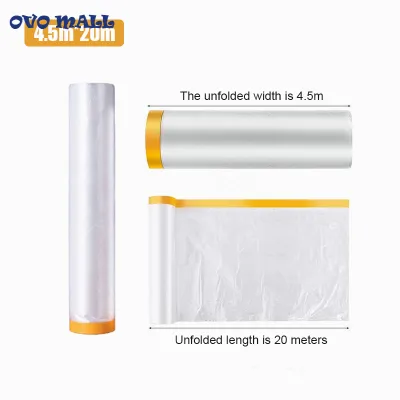
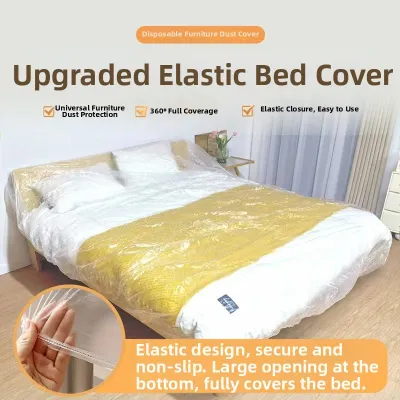
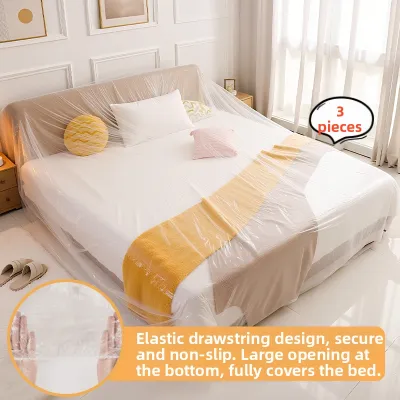
Prices are valid at publication and may change. Please refer to the product page for the latest price.
If you use an impermeable cover made of heavy plastic or tightly coated synthetic material, any moisture present in the air or within the furniture itself becomes trapped. As temperatures fluctuate between warm afternoons and cooler, air-conditioned nights, this trapped moisture can condense on the surface of your furniture. This persistent dampness is the primary catalyst for mould and mildew growth, which can permanently ruin fabric upholstery, leather, and solid wood.
Furthermore, dust itself is not just dry dirt. In a humid environment, dust particles absorb moisture from the air, becoming sticky and heavy. When this damp dust settles on an unprotected surface or penetrates a loose-weave cover, it binds with the moisture to form a stubborn layer of grime. This grime is much harder to clean than dry dust and can work its way into wood grains or fabric fibres, causing discolouration and deterioration over time.
To prevent these issues, a dust proof cover must do more than just act as a physical shield. It must manage the delicate balance between blocking external dust particles and allowing internal moisture to escape. Without proper air circulation or moisture management, a cover intended to protect your furniture can inadvertently accelerate its decay.
Key Material Properties to Evaluate for Dust and Moisture
When shopping for a dust proof cover, it is helpful to look past marketing buzzwords and focus on the physical properties of the material. The first critical property is dust blockage density. This refers to how tightly woven or structured the material is, which determines the size of the particles it can successfully block. A high-density weave is essential for stopping fine household dust, pet dander, and outdoor pollutants that drift through open windows.

The second property is the trade-off between breathability and water resistance. Breathability allows air to circulate freely, which helps equalise the humidity levels inside and outside the cover, preventing condensation. Water resistance, on the other hand, protects the furniture from accidental spills, roof leaks, or blowing rain from open windows. For indoor furniture, prioritizing breathability is generally safer, whereas outdoor or semi-outdoor furniture requires a higher degree of water resistance.
The third property to evaluate is the surface texture of the cover material. Smooth, flat-woven, or specially treated surfaces are highly advantageous because they do not easily trap dust or mould spores. A rough or highly textured fabric can become a reservoir for dust, making the cover itself a source of contamination when you remove or adjust it. Smooth surfaces are also much easier to wipe clean with a damp cloth or vacuum during routine maintenance.
Finally, consider the weight and drape of the material. A material that is too stiff may not conform well to the shape of your furniture, leaving large gaps at the bottom where dust can enter. A material with a soft drape will hug the contours of the furniture more closely, providing better overall coverage while still allowing air to escape from the base.
Evaluating Common Dust Proof Cover Materials
There is no single material that is ideal for every situation, as different furniture types and storage locations require different protective qualities. When selecting a cover, you must weigh the specific needs of your furniture—such as whether it is leather, fabric, or wood—against the environmental conditions of the room.
Before making a purchase, it is highly recommended to check the manufacturer’s product specifications. Look for detailed information regarding material thickness, the presence of any protective coatings, and the specific weave density to ensure the cover aligns with your intended use.
Woven and Non-Woven Fabric Options
Standard woven fabrics, such as cotton or poly-cotton blends, are highly valued for their natural breathability. These materials allow air to flow freely, which minimizes the risk of moisture buildup and condensation on sensitive surfaces like leather or polished wood. However, standard woven fabrics often have larger gaps between the threads, which can allow fine dust particles to sift through over time, especially during dry, windy periods.
Non-woven materials, such as spunbond polypropylene, offer an alternative fabric option. These materials are made by bonding fibres together mechanically, thermally, or chemically, creating a web-like structure that provides excellent basic dust protection. While they are highly effective at blocking fine particles, untreated non-woven fabrics can degrade quickly when exposed to sunlight and may trap moisture if they lack sufficient breathability.
When evaluating fabric options, always check the manufacturer’s labels for specific features. Look for tightly woven fabrics designed specifically for dust filtration, or materials that have received anti-microbial treatments to resist mould growth. These specialized fabrics offer a much safer balance of dust protection and breathability for Singapore’s humid climate.
Coated and Synthetic Waterproof Options
Coated synthetics, such as polyurethane-coated polyester, vinyl, or heavy-duty polyethylene, offer exceptional dust and water blockage. Because these materials are completely impermeable, they prevent any external moisture, liquid spills, or fine dust from reaching the furniture. This makes them highly suitable for outdoor patios, semi-open balconies, or areas undergoing heavy renovation where dust levels are extremely high.
However, this complete impermeability comes with a significant risk of condensation. If the furniture is not completely dry before you apply a synthetic cover, or if the room experiences high humidity, moisture will become trapped underneath. Over time, this trapped dampness can lead to severe mould outbreaks, wood warping, or the peeling of leather finishes.
If you choose a coated synthetic cover, verify the quality and durability of the coating in the product specifications. Look for materials that specify UV resistance and high-quality bonding to prevent the coating from peeling, cracking, or off-gassing in warm tropical temperatures. Additionally, look for designs that incorporate built-in air vents to allow some degree of ventilation while keeping the top surface waterproof.
Verifying Manufacturer Claims and Product Labels
When browsing online marketplaces or local home improvement stores, you will encounter a wide variety of marketing claims. Terms like “100% dust-proof,” “mould-resistant,” or “breathable” are often used loosely. To make an informed decision, you must learn to look past these generic descriptions and seek out verifiable specifications.
Start by looking for the exact material composition on the product label. A reputable manufacturer will list the specific fibres used, such as 100% polyester, cotton-poly blends, or polypropylene, along with the fabric weight, often measured in grams per square metre (GSM) or denier. A higher GSM generally indicates a thicker, more durable material, but you must balance this with the need for breathability.
Avoid relying on vague brand names or proprietary fabric titles that do not explain what the material actually is. Instead, look for standardized testing labels or certifications if they are available. For example, fabrics tested for air permeability or water resistance under recognized standards provide a reliable benchmark of performance that you can trust.
Finally, pay close attention to the care and cleaning instructions provided by the manufacturer. A high-quality dust proof cover should be easy to maintain. Check whether the cover can be machine washed, hand washed, or simply wiped down with a damp cloth. Covers that cannot be cleaned easily will eventually accumulate dust and mould spores, rendering them ineffective and potentially harmful to your furniture over time.
Ensuring Proper Fit, Maintenance, and Mould Prevention
Even the highest-quality material will fail to protect your furniture if it is not used and maintained correctly. Proper sizing and fit are crucial. A cover that is too small will leave parts of your furniture exposed, while a cover that is too large will drape onto the floor, potentially sucking up moisture from damp tiles or trapping stagnant air underneath.
When measuring your furniture, ensure the cover is long enough to shield the main body but leaves a small gap of a few centimetres at the bottom. This gap is essential for promoting air circulation, allowing cooler air to enter from the base and push warm, humid air out through the top or sides.
Before applying any dust proof cover, follow this preparation checklist to minimize the risk of mould and dust damage:
- Vacuum the furniture thoroughly to remove any existing dust, pet hair, or organic debris that mould could feed on.
- Ensure the furniture is completely dry; avoid covering items immediately after steam cleaning or wiping them down with a wet cloth.
- If the room has been closed or air-conditioned, let the furniture acclimate to the ambient room temperature to prevent trapping cold, condensation-prone air.
- Place a few moisture-absorbing packets or silica gel sachets in inconspicuous areas under the cover, especially if you plan to leave the furniture covered for an extended period.
Establish a regular maintenance routine for your covers. Every few weeks, remove the cover to inspect both the furniture and the underside of the material for any signs of dampness, musty odours, or early mould growth. If you detect any moisture, let both the furniture and the cover air out completely in a well-ventilated space, preferably under indirect sunlight, before reassembling. Replace any cover immediately if you notice persistent mould stains, physical tears, or a degrading inner coating that leaves residue on your furniture.
Frequently Asked Questions (FAQ)
Can I use a completely waterproof cover for long-term indoor furniture storage?
Using a completely waterproof, non-breathable cover for long-term indoor storage in Singapore is generally not recommended due to the high risk of condensation. If you must use one, you must ensure that the furniture is absolutely dry before covering it. Additionally, you should place high-capacity moisture absorbers under the cover and check the setup regularly. For long-term indoor storage, a breathable, tightly woven fabric cover is usually a safer choice as it allows moisture to escape naturally.
How often should I wash or clean my dust proof furniture covers?
The cleaning frequency depends on the dust levels in your home and how often the room is used. As a general guideline, you should vacuum or wipe down the exterior of the cover every month to prevent heavy dust buildup. For washable fabric covers, a thorough wash every three to six months is beneficial. Always ensure the cover is completely dry before placing it back on your furniture, as any remaining dampness can quickly lead to mould growth.
Community discussion
Share your experience or ask a question. Comments are reviewed before publication.