
Moving heavy furniture across delicate parquet or glazed tile floors requires a careful balance between mobility and surface protection. Standard factory-installed wheels often degrade over time, leading to unsightly scratches, gouges, or cracked grout lines. Finding the right wheels for moving heavy items involves more than simply picking a generic material; it requires evaluating the total load capacity, verifying the mounting mechanism, and checking for specific floor-safe product labels. By systematically assessing your furniture’s weight, understanding how different wheel compounds interact with hard floors, and ensuring a precise physical fit, you can safeguard your home’s flooring while maintaining effortless mobility.
Assessing Furniture Weight and Floor Vulnerability
Before purchasing any replacement wheels for moving, you must determine the total weight of the furniture piece when fully loaded. For example, a heavy solid wood sideboard or a filled display cabinet can weigh significantly more than expected. To find the minimum load requirement per wheel, calculate the total estimated weight of the furniture and divide it by the number of casters (typically four). However, because floors are rarely perfectly level, the weight is seldom distributed evenly across all four wheels at any given moment. It is safer to divide the total weight by three instead of four to ensure a reliable safety margin.
Next, evaluate the specific vulnerabilities of your flooring. Parquet floors, which are common in many Singaporean bedrooms and living spaces, consist of natural wood blocks that are relatively soft and highly susceptible to pressure dents, deep scratches, and moisture damage. Glazed ceramic or homogenous tiles are much harder and more resistant to scratching, but they are vulnerable to chipping along the edges and grout lines if subjected to heavy, concentrated point loads.
Products mentioned in this guide
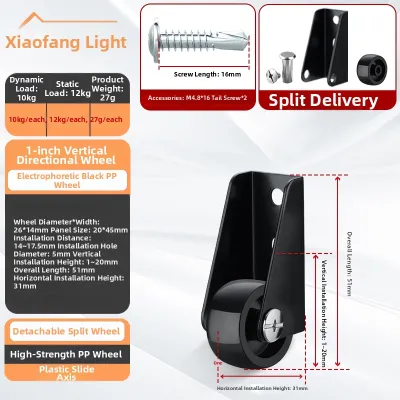
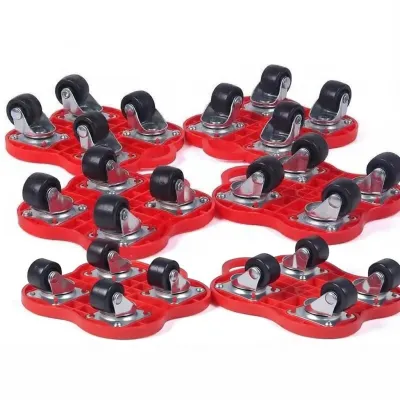
![[SG Seller]No Drill Self Adhesive Swivel Caster Wheel with ke Heavy Duty Sticky Furniture Moving Roller](https://img.lazcdn.com/g/p/3f1afc8d2f9a680a5d5c8514e0b5e099.jpg_400x400q80.jpg_.webp)
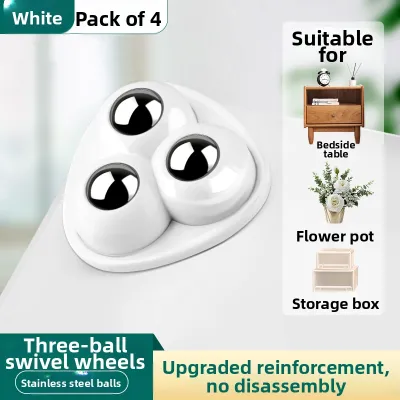
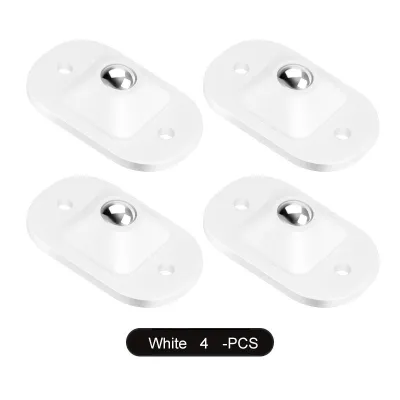
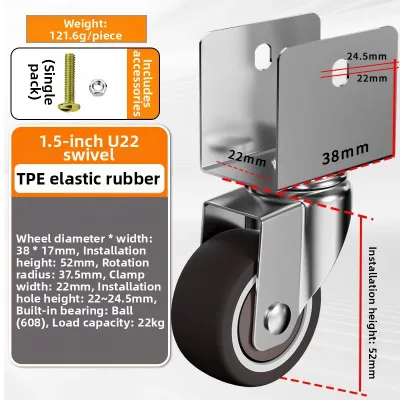
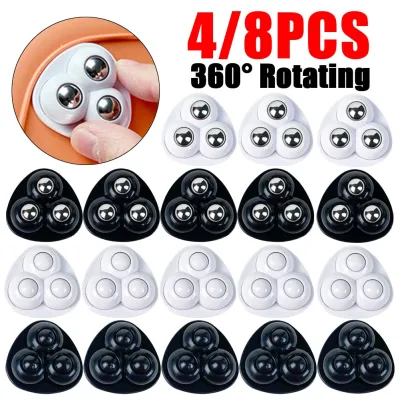
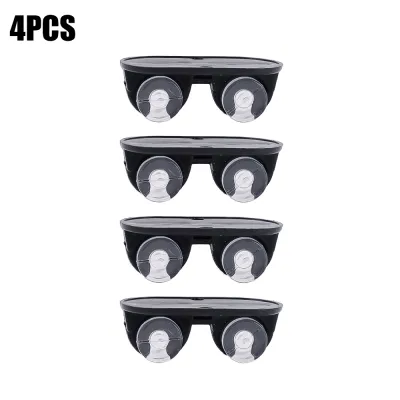
Prices are valid at publication and may change. Please refer to the product page for the latest price.
Finally, inspect the condition of your current wheels to diagnose the root cause of any existing floor damage. Often, scratches are not caused by the wheel material itself, but by worn-out bearings that prevent the wheel from pivoting smoothly, causing it to drag sideways. Additionally, check if the wheel treads have accumulated trapped grit, hair, or debris, which can act like sandpaper against both parquet and tile surfaces.
Evaluating Wheel Materials for Hard Floor Protection
When browsing for replacement wheels, do not rely solely on generic material names like polyurethane, rubber, or nylon. Manufacturers formulate these plastics and elastomers in varying degrees of hardness, meaning one polyurethane wheel might be soft and floor-safe, while another is hard enough to dent parquet. Instead, look for explicit specifications on the product packaging, such as “non-marking,” “soft tread,” or “safe for hardwood and tile.”

Understanding the physical trade-offs of different wheel compounds is essential for making an informed choice. Softer compounds, such as thermoplastic rubber or soft polyurethane, deform slightly under load, which increases the contact patch, provides excellent grip, and cushions the floor against impact. However, these softer materials require slightly more effort to roll when supporting extremely heavy items. Harder compounds, such as hard nylon or phenolic resins, roll with minimal resistance on smooth tile floors but can easily scratch, chip, or dent softer wood surfaces if they slide instead of roll.
You should also verify the physical width of the wheel tread. Narrow wheels concentrate the entire weight of the heavy furniture onto a tiny surface area, increasing the risk of crushing the wood fibers in parquet or cracking tile grout. Selecting wheels with wider treads distributes the heavy load more effectively across a larger surface area, significantly reducing point pressure on parquet joints and tile edges.
Calculating Load Capacity and Wheel Size for Heavy Items
To prevent the wheels from flattening or failing under pressure, you must calculate the load capacity with a generous safety margin. When heavy furniture is pushed, the dynamic forces—such as sudden stops, shifts in internal weight, or rolling over uneven floor transitions—temporarily increase the load on individual wheels. Choosing casters with a rated capacity that exceeds your static weight calculations ensures the wheels will not deform or lock up during movement.
The physical diameter of the wheel plays a critical role in how easily the furniture moves. Larger wheels, typically those with a diameter of 50mm or greater, roll much more easily over minor floor imperfections, low-profile rugs, and tile grout lines. A small wheel can easily get stuck in a grout line or a gap in the parquet, forcing you to apply excessive force, which can cause the furniture to tip or the wheels to scrape sideways across the floor.
Additionally, review the bearing type and housing construction specified by the manufacturer. For heavy-duty applications, look for casters featuring double ball-bearing swivel heads and sealed precision wheel bearings. These components ensure the wheel pivots instantly when you change directions, preventing the dragging action that often leads to deep scuff marks on delicate parquet.
Matching the Caster Mount to Your Furniture Base
Before purchasing your new wheels for moving, you must ensure they can physically attach to your furniture’s existing base. Casters generally fall into two mounting categories: stem mounts and plate mounts. Stem mounts insert directly into a pre-drilled hole or socket in the furniture leg, while plate mounts feature a flat metal plate that screws directly onto a flat wooden base.
To match a stem mount, you must measure both the diameter and the length of the existing stem with high precision. Using a digital caliper or a manufacturer’s physical sizing template is highly recommended, as even a one-millimeter difference can prevent a grip-ring stem from snapping securely into place or cause a threaded stem to strip the internal threads. For threaded stems, you must also verify the thread pitch to ensure a compatible match.
If you find that the replacement caster’s stem is slightly too small for the existing socket, you may need to install matching adapter sleeves or plastic sockets to ensure a snug fit. However, if the mounting holes on your furniture are severely damaged, or if the base requires structural modification to accept a plate mount, it is best to seek professional furniture repair services to avoid splitting the wood or compromising the stability of the piece.
Installing Casters and Maintaining Floor Protection
Installing your new wheels requires a safe, methodical approach to prevent injury and avoid damaging the furniture. Begin by emptying the furniture completely to reduce weight, then carefully tilt or invert the piece onto a soft blanket or protective cardboard. When removing old stem casters, use a flat pry bar or the claw end of a hammer cushioned by a block of wood to gently pop the stem out, taking care not to splinter the wooden legs or strip any metal threads.
Once the new wheels are securely installed, maintaining floor protection requires ongoing attention. Over time, dust, pet hair, and small abrasive particles will inevitably accumulate on your floors. As the wheels roll, they can pick up this grit, embedding it into the soft tread material and turning the wheel into an abrasive surface. Regularly wipe down the wheel treads with a damp microfiber cloth and vacuum your floors frequently to prevent this debris from scratching your parquet or tile.
Finally, monitor the structural integrity of the mounting points over time. If you notice that a wheel has become loose, or if the wood around the mounting hole has begun to split or crumble, stop moving the furniture immediately. Attempting to roll a heavy item on a compromised caster can cause the leg to snap, leading to a sudden tip-over or severe floor gouging. In such cases, consult a professional furniture restorer to reinforce the base before continuing use.
Frequently Asked Questions (FAQ)
Do softer wheels always prevent scratches on parquet?
While softer wheel materials like thermoplastic rubber or soft polyurethane are much gentler on parquet than hard nylon or metal, they do not offer an absolute guarantee against scratches. The primary risk with soft wheels is their tendency to pick up and embed tiny, hard particles such as sand, grit, or small metal fragments from the floor. Once these particles become embedded in the soft tread, they act like sandpaper every time the furniture is moved. To prevent this, you must clean the wheel treads regularly and keep the floor surface free of abrasive debris.
How can I test a replacement wheel before attaching it to heavy furniture?
To verify that a replacement wheel is safe for your specific flooring, you can perform a simple manual test before installing the entire set. Take one of the unmounted wheels and press it firmly against a hidden area of your flooring, such as inside a closet or behind where the furniture normally sits. Apply strong downward pressure while rolling the wheel back and forth over the surface. Check the test area carefully under bright light for any signs of scuffing, color transfer, or residue, and inspect the wheel tread to ensure it does not leave any physical indentations on your parquet.

Community discussion
Share your experience or ask a question. Comments are reviewed before publication.