
Finding the right leather sofa brand for a Singapore office requires balancing visual prestige with commercial-grade resilience. There is no single “best” brand; instead, the ideal choice depends on your office’s daily foot traffic, spatial layout, and corporate design language. A high-end executive suite in the Central Business District demands a completely different material specification and silhouette than a fast-paced tech startup’s collaborative lounge in One-North. By focusing on verifiable structural standards and commercial service terms, you can select a brand that keeps your workspace looking professional for years.
When procuring office furniture, decision-makers often get caught up in brand names rather than technical specifications. In a commercial environment, a sofa is an investment that must withstand constant use, occasional spills, and rigorous cleaning. Understanding how to evaluate design portfolios, material durability, and post-purchase support will empower you to make an informed decision that aligns with both your aesthetic goals and your operational budget.
Defining Modern Aesthetics for Office Leather Sofas
The visual impact of an office sofa sets the tone for clients, partners, and employees alike. Modern office design favors clean lines, minimalist profiles, and functional versatility. When evaluating a brand’s design portfolio, look beyond individual pieces and consider how their design philosophy integrates with contemporary office architecture.
Products mentioned in this guide
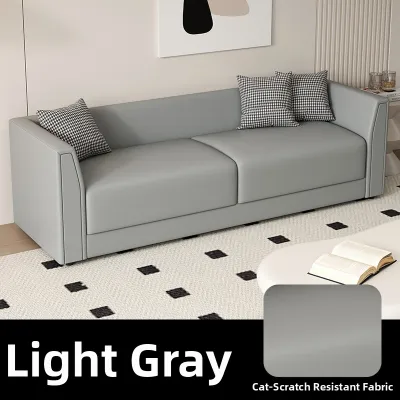
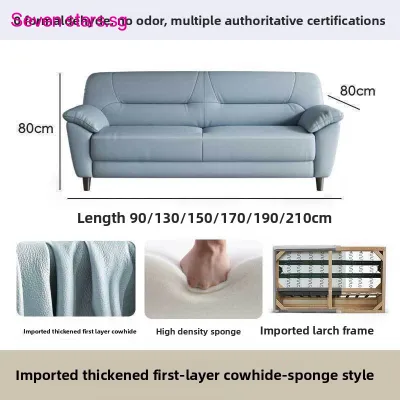
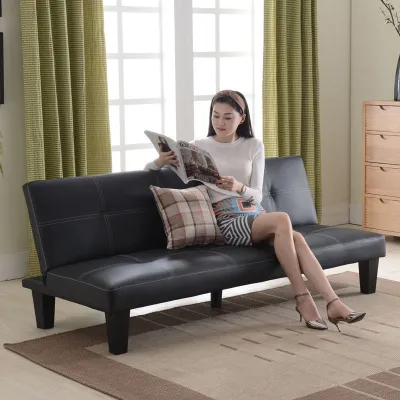
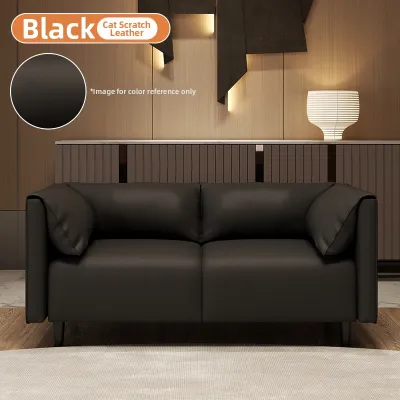
Prices are valid at publication and may change. Please refer to the product page for the latest price.
Silhouette and profile checks are essential first steps in your evaluation. Low-profile sofas with slim, metal legs create an illusion of spaciousness, making them ideal for compact reception areas or open-plan offices. These designs promote an airy, uncluttered atmosphere that aligns with modern minimalist aesthetics. Conversely, high-back leather sofas offer a sense of privacy and acoustic dampening, which is highly beneficial in busy, collaborative workspaces where spontaneous meetings occur. Modular configurations are another hallmark of modern design, allowing you to reconfigure seating arrangements as your team grows or your office layout evolves.
The leather finish and color palette must also align with your corporate identity and office lighting. Neutral tones such as charcoal, slate grey, navy, and warm tan are highly versatile, seamlessly blending into most professional environments. If your brand identity incorporates bold colors, some furniture brands offer custom upholstery services to match your corporate palette. However, keep in mind how these colors interact with your office lighting. Singapore’s commercial spaces often feature a mix of bright, natural light from floor-to-ceiling windows and cool fluorescent overhead lighting. Highly reflective, glossy leather finishes can look harsh under these conditions, whereas matte or semi-matte finishes tend to diffuse light elegantly, maintaining a sophisticated appearance throughout the day.
Evaluating Durability for Commercial Office Environments
While aesthetics draw people in, durability determines how long the sofa remains an asset rather than a liability. Commercial environments subject furniture to far greater wear and tear than residential spaces. Before finalizing a brand, you must scrutinize the materials and construction methods used in their commercial lines.

Leather grade and treatment are the primary indicators of surface durability. For high-traffic office zones, look for brands that offer top-grain pigmented or protected leathers. These leathers undergo a treatment process that applies a protective topcoat, making them highly resistant to scratches from laptop bags, keys, and zippers, as well as spills from coffee or water. While full-aniline or semi-aniline leathers offer a luxurious, soft texture, they lack this protective barrier and stain easily, making them unsuitable for communal areas. Always ask the brand for technical specifications regarding scratch and stain resistance rather than relying solely on the “genuine leather” label.
The internal structure of the sofa is just as critical as the exterior. A durable office sofa requires a robust frame, typically constructed from kiln-dried hardwood or reinforced steel. Kiln-drying removes moisture from the wood, preventing it from warping, cracking, or shrinking in Singapore’s humid climate. The suspension system should feature high-density polyurethane foam—ideally with a density rating suitable for commercial use—supported by heavy-duty pocket springs or industrial-grade elastic webbing. This combination ensures the sofa retains its shape and support, preventing the unsightly sagging that can make an office look neglected.
Finally, consider the maintenance and cleaning requirements of the leather. Office sofas must be cleaned regularly to maintain hygiene standards. Review the brand’s care instructions to ensure the leather can withstand standard commercial sanitizing agents or mild, pH-neutral leather cleaners. If a brand’s leather requires highly specialized, delicate maintenance routines, it may not be practical for a busy office environment where facilities management teams need to execute quick, efficient cleaning protocols.
Comparing Brand Service and Commercial Warranty Standards
Procuring furniture for a business involves operational logistics that go far beyond a simple retail transaction. The level of service, customization, and post-purchase support a brand offers can significantly impact your project’s timeline and long-term maintenance costs.
The most critical legal and financial distinction to verify is the commercial warranty. Many premium furniture brands offer extensive warranties, but these are often strictly limited to residential use. If a residential-grade sofa is placed in a commercial office, the warranty is typically voided immediately. When comparing brands, explicitly ask for their commercial warranty terms. A reputable commercial brand should provide a warranty that covers frame structural integrity, suspension, and seam stitching under office conditions for a specified multi-year period.
Lead times and customization capabilities are equally important, especially if you are working within tight renovation schedules. Ask brands about their typical lead times for bulk orders and whether they offer custom leather swatches to match your interior design scheme. Some brands maintain local inventory in Singapore warehouses for rapid delivery, while others manufacture items to order overseas, which can introduce shipping delays of several weeks or months. Ensure the brand can provide a reliable, guaranteed delivery schedule that aligns with your office move-in date.
After-sales support is the safety net for your investment. Check if the brand has a dedicated local service team or an established repair network in Singapore. If a sofa leg is damaged during an office relocation, or if a seam requires restitching after years of heavy use, a brand with local support can quickly dispatch technicians to perform on-site repairs. This minimizes downtime and prevents you from having to replace an entire sofa due to minor, repairable damage.
Decision Framework: Matching Brands to Office Needs
To narrow down your choices, establish a clear decision framework based on your office’s specific spatial constraints, traffic patterns, and aesthetic priorities. No single brand fits every scenario, so matching the product specifications to the intended use case is key.
If your primary goal is furnishing high-traffic collaborative zones, pantry areas, or main reception lobbies, prioritize brands that offer modular systems upholstered in fully protected, pigmented top-grain leather. These configurations allow you to adapt the seating to different group sizes, while the durable leather finish ensures easy cleanup of food and drink spills. Look for brands that can provide verifiable abrasion test ratings, such as Martindale cycle counts, to guarantee the material can handle thousands of uses without wearing thin.
For executive suites, private boardrooms, or exclusive client-facing lounges, shift your focus toward brands specializing in premium semi-aniline leathers and bespoke tailoring. In these low-traffic areas, the tactile comfort and prestigious appearance of high-grade leather outweigh the need for heavy-duty protective coatings. These spaces benefit from classic, structured silhouettes that project stability, professionalism, and attention to detail.
Before making any final commitments, always verify that the selected furniture complies with local commercial building codes and fire safety regulations. In Singapore, commercial properties must adhere to strict fire safety standards, which may require furniture to meet specific flame-retardant certifications, such as British Standard BS 5852. Ensure the brand can provide the necessary compliance certificates for their products. If a brand cannot provide these certificates, lacks a commercial warranty, or does not offer local delivery and installation services, they should be excluded from your shortlist.
Frequently Asked Questions (FAQ)
Is faux leather a viable alternative for modern office sofas?
Faux leather, such as high-quality polyurethane (PU), can be a viable alternative for certain office settings, but it comes with distinct trade-offs. While PU leather is generally more affordable and easier to clean than genuine leather, it is more prone to peeling and cracking over time, especially in Singapore’s humid climate if the office air conditioning is turned off over weekends. For commercial spaces, avoid cheap vinyl or low-grade PVC. If you opt for synthetic alternatives, ensure the manufacturer provides a high Martindale abrasion rating (ideally 50,000 cycles or more) to ensure it can withstand daily commercial use without premature wear.
How should I measure office space for a modular leather sofa?
Measuring for an office sofa requires assessing both the final placement area and the entire delivery route. First, measure the elevator door width, internal cabin height, and depth, as well as any tight stairwell turns or narrow corridors in your commercial building. Many large office sofas cannot fit into standard passenger lifts, requiring service lift access or manual carrying. In the office itself, ensure you leave at least 80cm of walking clearance around the sofa to maintain comfortable traffic flow. Additionally, check that the sofa’s footprint does not block floor-mounted power outlets, data ports, or designated fire escape routes.
Community discussion
Share your experience or ask a question. Comments are reviewed before publication.