
Finding the perfect balance between comfort and space efficiency is a constant challenge for residents living in Singapore’s compact HDB flats and condominiums. As urban living spaces become more streamlined, multi-functional furniture has transitioned from a luxury to an absolute necessity. Among the various space-saving solutions available on local online marketplaces, a Meizhaishenghuo sofa bed offers a practical way to maximize square footage without sacrificing style or utility.
To choose the right configuration for your home, you must look beyond aesthetics and evaluate how a convertible sofa integrates into your daily routine. This guide provides a comprehensive framework to help you assess your spatial constraints, compare different conversion mechanisms, verify product specifications directly with sellers, and ensure a safe, seamless installation in your living space.
Assessing Space and Functional Needs in Compact Homes
Before browsing online listings for a sofa meizhaishenghuo, you must conduct a thorough spatial audit of your room. Modern Singaporean homes, particularly BTO flats and newer executive condominiums, often feature tight living room layouts or multi-purpose study rooms where every centimeter matters. Begin by measuring the exact floor area where the sofa will sit, keeping in mind that you need to account for two distinct footprints: the folded seating configuration and the fully extended sleeping configuration.
Products mentioned in this guide
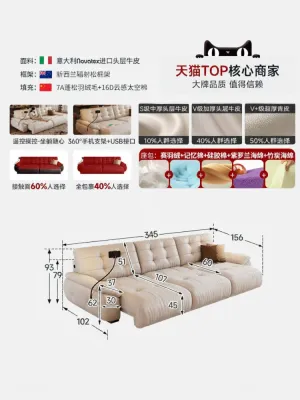
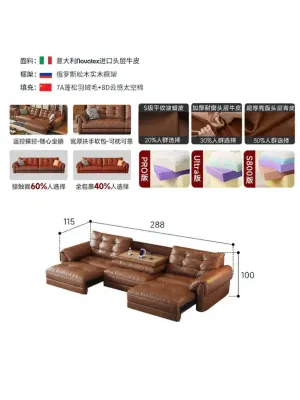
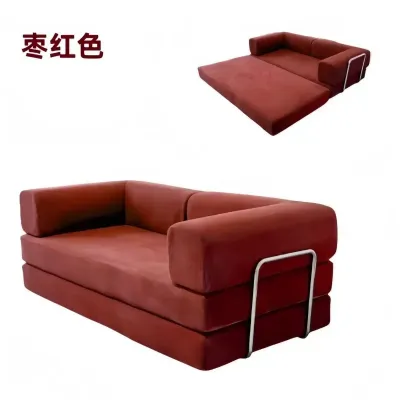
Prices are valid at publication and may change. Please refer to the product page for the latest price.
A common mistake is forgetting to measure the clearance required for walking paths once the bed is deployed. For a comfortable living environment, aim to maintain a clear pathway of at least 50 to 60 centimeters around the perimeter of the extended bed. This ensures that family members can navigate the room safely at night without tripping over corners or squeezing against walls. If the sofa bed is placed in a study or home office, check that it does not block access to your desk, wardrobe doors, or electrical outlets when opened.
Next, define the primary purpose of the sofa bed to determine your comfort and durability priorities. If the unit is intended for daily sleeping—such as in a studio apartment or a dedicated guest room—you must prioritize a robust frame and a high-resilience mattress support system. On the other hand, if the bed will only be used occasionally for overnight guests, you can place greater emphasis on seating comfort, fabric aesthetics, and how well the piece matches your existing living room decor.
Finally, consider the specific architectural features of your apartment. Low window sills, structural pillars, and the swing radius of nearby doors can significantly restrict where a sofa bed can be placed. If your living room features a wall-mounted television console or a low coffee table, ensure these items can be easily moved or bypassed when converting the sofa. Taking these precise measurements beforehand will narrow down your options and prevent the frustration of purchasing a piece of furniture that is physically incompatible with your home.
Evaluating Multi-Functional Features for Space Efficiency
Multi-functional sofa beds rely on various mechanical designs to transition between seating and sleeping surfaces. Understanding the strengths and limitations of each mechanism is crucial for selecting a model that fits your physical capabilities and spatial constraints.

The pull-out or trundle mechanism is highly popular for its ability to deliver a flat, consistent sleeping surface. These models typically feature a hidden frame beneath the main seat cushions that rolls forward on casters. While they offer excellent support and often resemble a traditional bed when fully extended, they require significant forward clearance and can be heavy to operate. If you choose a pull-out design, ensure your flooring material—such as vinyl, laminate, or parquet—is protected against potential scratches from the rolling wheels.
Click-clack mechanisms operate on a simpler hinge system where the backrest folds down flat to align with the seat cushion. These models are generally lightweight, affordable, and incredibly fast to convert. However, because the backrest must fold backward, many click-clack sofas cannot sit flush against a wall; you may need to pull the entire unit forward before converting it, which can be inconvenient in tight spaces. Additionally, the central seam where the two cushions meet can sometimes be felt during sleep, requiring a mattress topper for added comfort.
For those seeking maximum utility, integrated storage compartments are a game-changer in compact Singapore apartments. Many Meizhaishenghuo models incorporate hidden storage drawers beneath the seat cushions or within a lift-up chaise lounge. This dedicated space is ideal for stowing away bulky items like spare pillows, winter blankets, bedsheets, and bolster covers, freeing up valuable wardrobe space in your bedrooms.
Modular components offer another layer of flexibility for dynamic living rooms. A sofa bed with a reversible chaise allows you to configure the L-shape on either the left or right side, making it easy to adapt the furniture if you decide to rearrange your layout or move to a new apartment. Furthermore, models with split or adjustable backrests allow one person to sit upright while another reclines, providing customized comfort for shared living spaces.
Verifying Meizhaishenghuo Specifications and Model Details
Because product availability, dimensions, and material compositions can vary across different online retailers and import channels, independent verification is essential. When shopping for a sofa meizhaishenghuo on local e-commerce platforms, you should never rely solely on promotional images; instead, actively verify the technical specifications directly with the seller or through official product documentation.
Start by requesting a detailed schematic diagram that outlines the exact dimensions of the sofa in both its folded and unfolded states. Pay close attention to the total width, depth, seating height, and the fully extended length. If you are tall or plan to host taller guests, ensure the sleeping surface is long enough to accommodate them comfortably. Additionally, verify the maximum weight capacity specified by the manufacturer to ensure the frame can safely support multiple adults without bending or straining the joints.
Next, scrutinize the materials used in the frame and cushioning. A durable sofa bed requires a sturdy structural foundation, typically made from solid wood (such as larch or eucalyptus) or reinforced steel tubing. For the cushioning, look for high-density polyurethane foam or models that incorporate pocket springs and latex layers. High-density foam (typically 30 kg/m³ or higher) retains its shape much better over time, preventing the sagging that often plagues cheaper, low-density alternatives.
Finally, clarify the warranty terms, return policies, and after-sales support available in Singapore. Since these products are often shipped in flat packs or require specialized assembly, confirm whether the seller provides local warranty coverage for the mechanical parts and frame. Understand the return process in case the product arrives with manufacturing defects or shipping damage, as returning large furniture items can be logistically challenging and costly without clear seller policies.
Installation, Clearance, and Safety Checks
Successful integration of a new sofa bed goes beyond the living room layout; it requires careful planning for the delivery day and ongoing operational safety. Before finalizing your purchase, you must map out the entire delivery route from the unloading bay to your apartment door.
Measure the height and width of your building’s service elevator, the clearance of any tight corridor turns, and the exact dimensions of your front doorway. Many sofa beds are delivered in large, heavy boxes that may not fit through standard doorways if carried at certain angles. Confirming these dimensions beforehand prevents delivery failures and potential restocking fees, which can range from S$50 to S$150 or more depending on the retailer’s policy.
Once the sofa bed is inside your home, position it with adequate clearance to prevent damage to your walls and surrounding furniture. Leave a gap of at least 5 to 10 centimeters between the back of the sofa and the wall, especially for models that require the backrest to tilt backward during conversion. This small gap prevents friction from scuffing your paint or tearing wallpaper over time. Additionally, ensure the area directly in front of the sofa is kept clear of heavy coffee tables or delicate decor items that would be difficult to move daily.
During assembly, strictly follow the manufacturer’s step-by-step instructions and use the provided hardware. If you are not confident in your assembly skills, it is highly recommended to pay for professional installation services, which are often offered as an add-on by local furniture delivery companies. A professionally assembled sofa bed ensures that all mechanical linkages, hinges, and support legs are aligned correctly, reducing the risk of structural failure or physical injury.
Lastly, establish a routine safety check. Periodically inspect the moving parts of the folding mechanism to ensure no loose fabric, blankets, or fingers can get caught during operation. If you have young children or pets, always supervise the conversion process and ensure the mechanism is fully locked into place before allowing anyone to sit or sleep on the unit.
Frequently Asked Questions (FAQ)
How do I maintain the folding mechanism of a sofa bed?
Maintaining the mechanical components of your sofa bed is essential for ensuring smooth, squeak-free operation over its lifespan. Begin by regularly vacuuming the tracks, hinges, and metal joints using a soft brush attachment to remove dust, pet hair, and fabric lint that can accumulate and cause friction. Every six to twelve months, inspect the moving parts for any loose screws, misaligned brackets, or bent metal linkages, tightening them gently with the appropriate tools. If the mechanism begins to feel stiff or makes grinding noises, apply a small amount of silicone-based lubricant or light machine oil directly to the pivot points, taking care to wipe away any excess to prevent staining the surrounding fabric or cushions.
What mattress thickness is ideal for a sofa bed used by guests?
For a sofa bed intended for occasional guest use, a mattress thickness between 8 and 12 centimeters strikes the ideal balance between sleeping support and seating comfort. If the mattress is too thin, guests may feel the hard metal or wooden support bars underneath; if it is too thick, the sofa may become excessively bulky, heavy to fold, or uncomfortable to sit on in its folded state. To enhance the sleeping experience without compromising the sofa’s folding mechanism, look for high-density foam or pocket-spring construction that offers targeted pressure relief. Alternatively, you can keep a separate, rollable mattress topper (around 3 to 5 centimeters thick) in your storage compartment to add an extra layer of plushness when guests stay overnight.
Community discussion
Share your experience or ask a question. Comments are reviewed before publication.