
Selecting a wood kitchen island for a home in Singapore requires looking beyond the aesthetic appeal of different wood species. Because Singapore’s tropical climate maintains high relative humidity year-round, the performance of any wood surface depends heavily on its processing, sealing, and construction quality rather than the raw material name alone. To ensure your kitchen island remains stable and free from warping, you must evaluate how the wood is treated, sealed, and assembled to withstand both environmental moisture and daily kitchen activities.
Evaluating Wood Suitability for High-Humidity Kitchens
When shopping for a wooden kitchen island, start by reviewing the manufacturer’s product specifications for explicit moisture-resistance ratings or suitability for tropical climates. High-quality furniture designed for humid environments often features specialized factory-applied sealants, such as polyurethane, marine-grade varnishes, or specialized wood oils. These protective coatings act as a barrier, slowing down the rate at which the wood absorbs and releases moisture from the surrounding air.
Additionally, inquire about the wood’s movement-in-service classification. Some wood species naturally exhibit lower volumetric shrinkage and expansion rates when exposed to humidity fluctuations. However, even the most stable species require proper kiln-drying before manufacturing to ensure the internal moisture content is balanced for indoor use.
Products mentioned in this guide
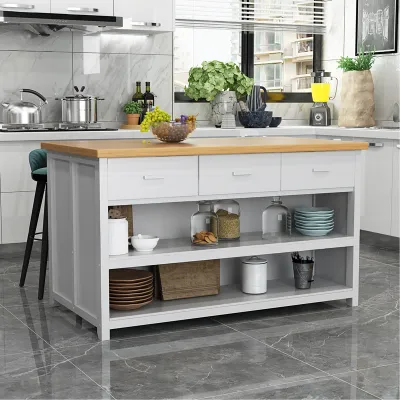
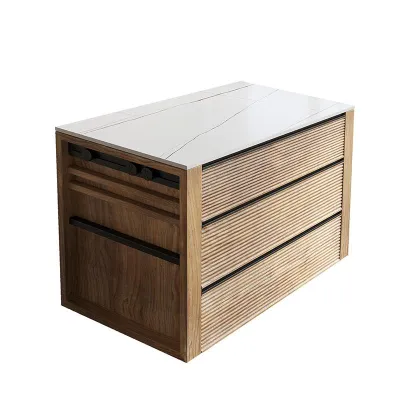
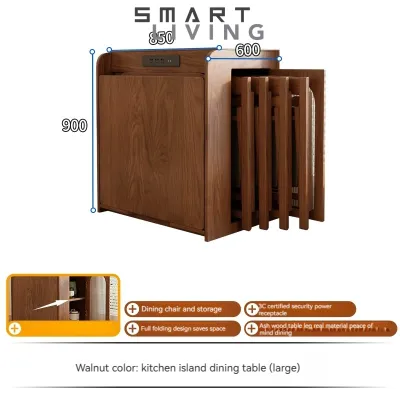
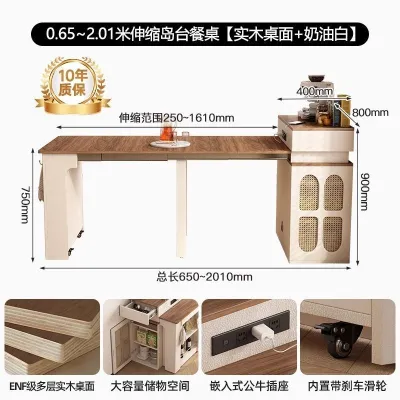
Prices are valid at publication and may change. Please refer to the product page for the latest price.
Pay close attention to the construction details, particularly the edge banding and joint sealing. In a humid kitchen, unfinished joints and exposed end grains are highly vulnerable to moisture penetration, which can lead to swelling, splitting, or warping. Inspect the underside of the countertop and the joints where different wood sections meet; any gaps, rough patches, or unsealed edges indicate a higher risk of moisture damage over time.
Key Dimensions and Structural Checks for Kitchen Islands
Before finalizing your purchase, verify that the physical dimensions of the kitchen island are compatible with your kitchen layout and access routes. Measure the walkways around the planned island location, ensuring you maintain a clear clearance of at least 90 to 120 centimeters to allow for safe movement, comfortable seating, and the full opening of appliance doors like dishwashers and ovens. Additionally, confirm the dimensions of your home’s entryways, hallways, and lift doors to guarantee the delivery team can safely transport the unit into your kitchen.

Solid wood kitchen islands, especially those featuring thick butcher block tops, can be exceptionally heavy. Check the manufacturer’s specifications for the total weight of the unit and verify that your flooring can support the concentrated load. For safety and stability, look for islands equipped with adjustable leveling feet to compensate for uneven kitchen tiles, and ensure the structural joining methods—such as mortise-and-tenon joints or heavy-duty metal brackets—are robust enough to prevent wobbling.
If the island is designed to be a permanent fixture rather than a mobile cart, understand the anchoring requirements. Some heavy wood islands rely on their own weight for stability, while others must be secured to the subfloor. Ensure you check with your contractor or building guidelines regarding drilling into kitchen floors, particularly if you have underfloor utility lines or specific tiling materials.
Navigating Wood Finishes and Alternative Surfaces
The type of finish applied to your kitchen island directly dictates its daily maintenance requirements and long-term durability. Penetrating oil finishes highlight the natural grain of the wood but require regular reapplication to maintain their protective qualities against spills. In contrast, film-forming finishes like polyurethane provide a hard, impermeable plastic-like barrier that offers superior protection against water rings, though they can be more difficult to spot-repair if scratched.
Be realistic about your household’s cooking habits and willingness to perform regular upkeep. If your kitchen experiences heavy daily use, frequent food preparation, and constant exposure to water, maintaining a solid wood surface may become a demanding chore. In such cases, you might consider alternative countertop materials for the island’s work surface, such as engineered quartz, sintered stone, or high-pressure laminates, which offer excellent moisture resistance while retaining a wooden base for aesthetic warmth.
When comparing these alternatives, evaluate how they integrate with the wooden structure. A hybrid design—featuring a durable stone or quartz top paired with a solid wood frame and cabinetry—allows you to enjoy the organic texture of wood in your kitchen without the high maintenance of a wooden food-preparation surface.
Maintenance and Moisture Prevention Strategies
Protecting your wood kitchen island from Singapore’s ambient humidity requires consistent daily care and environmental management. Always wipe away liquid spills immediately using a soft, dry microfiber cloth to prevent water from pooling and penetrating the finish. Avoid placing hot pots, wet dishes, or condensation-heavy cups directly onto the wood surface; instead, use trivets, coasters, and silicone mats to safeguard the protective coating.
When cleaning the wood, avoid harsh chemical cleaners, abrasive pads, or excessive water. A slightly damp cloth with a mild, pH-neutral soap is typically sufficient for daily wipe-downs, followed immediately by a dry cloth to remove any residual moisture. Never allow standing water to remain on the joints or around the sink area if your island features an integrated basin.
Managing the indoor climate of your kitchen can significantly extend the lifespan of your wooden furniture. Utilize cooker hoods and exhaust fans during cooking to vent steam and reduce localized humidity spikes. If your kitchen is semi-open or adjacent to living areas, running a dehumidifier or utilizing air conditioning during particularly humid days can help stabilize the indoor environment, minimizing the natural expansion and contraction of the wood. Periodically inspect the surface for early signs of moisture distress, such as localized discoloration, fine cracks, or a cloudy appearance in the finish, and consult the manufacturer’s care guidelines at the first sign of wear.
Frequently Asked Questions (FAQ)
Can I use reclaimed wood for a kitchen island in a humid climate?
Reclaimed wood can be used for a kitchen island in a humid climate, provided it has undergone rigorous preparation. It is essential to verify that the wood has been professionally kiln-dried to a stable moisture content and treated for pests, as older timber can harbor insects or residual moisture. Additionally, the surface must be completely sealed with a high-quality, moisture-resistant finish to protect the character-rich, uneven texture from trapping water and dirt.
How often should I reseal a wood kitchen island countertop?
The frequency of resealing depends entirely on the type of finish used and the intensity of daily wear. Rather than following a strict calendar schedule, consult the manufacturer’s care instructions and perform a simple water-drop test: place a few drops of water on the surface; if they bead up, the seal is intact, but if they soak into the wood and leave a dark spot, it is time to reseal. Visible wear patterns, dryness, or a dull appearance in high-use areas also indicate that the protective barrier needs replenishment.
Community discussion
Share your experience or ask a question. Comments are reviewed before publication.