
A black TV console serves as a bold, grounding anchor in a living room, but finding the right one requires balancing spatial proportions with structural integrity. In Singapore’s diverse housing landscape—ranging from compact HDB Build-To-Order (BTO) flats to spacious landed properties—the ideal console must fit the physical footprint of your room while supporting your media equipment safely. Rather than relying on generic brand rankings, selecting the right piece involves evaluating material specifications, finish durability, and logistical constraints. By matching the console’s dimensions to your wall space and verifying the manufacturer’s build quality, you can secure a functional centerpiece that complements your interior design.
Sizing Your Black TV Console for Compact, Medium, and Large Spaces
Determining the correct length for your black TV console begins with a precise measurement of your designated wall. To create a visually balanced layout, avoid selecting a console that spans the exact width of the wall, as this can make the room feel cramped and restricted. Instead, aim to leave at least 15 to 30 centimeters of open space on both sides of the console. This clearance provides essential visual breathing room, allowing the dark furniture piece to stand out as a deliberate design choice rather than an oversized obstruction.
For compact living rooms, such as those found in two-room or three-room HDB flats, space optimization is paramount. In these environments, a black TV console measuring between 1.2 and 1.5 meters is generally ideal. Because dark colors carry significant visual weight, choosing a console with slender legs or a wall-mounted floating design can help maintain floor visibility. This design strategy tricks the eye into perceiving more space, preventing the dark console from overwhelming a smaller room.
Products mentioned in this guide
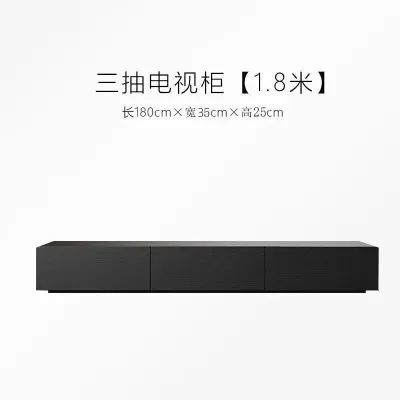
![[Cozy ]Solid Wood TV Cabinet and Coffee Table Combination Modern Multifunctional TV Console Floor to Cabinet Luxury Black](https://img.lazcdn.com/g/p/7f0507ab2179a7b73df4c05faee61765.jpg_webp_400x400q80.jpg_.webp)
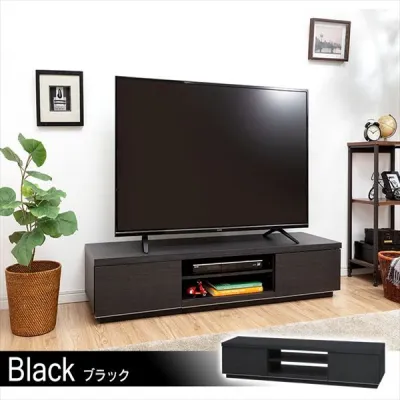
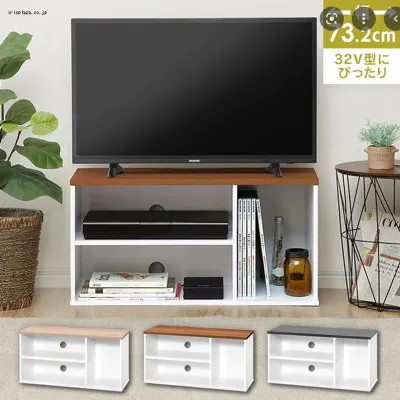
Prices are valid at publication and may change. Please refer to the product page for the latest price.
Standard medium-sized living rooms, typical of four-room or five-room flats and mid-sized condominiums, accommodate consoles ranging from 1.6 to 1.9 meters. This size category offers a highly versatile canvas, allowing you to pair the console with popular television sizes like 55-inch or 65-inch screens. A medium console provides sufficient surface area to place the TV on its stand while leaving enough room on the sides for a soundbar or subtle decorative accents without creating a cluttered appearance.
In large entertainment zones, executive apartments, or landed homes, full-length consoles measuring 2.0 to 2.4 meters or more are necessary to match the scale of the room. Large-format televisions, such as 75-inch or 85-inch displays, require a substantial base to anchor them visually. A console that is too short will make a large TV look top-heavy and unstable. A full-length console balances the massive screen and provides extensive storage capacity for complex audio-visual setups.
Beyond wall dimensions, you must verify the relationship between your television’s base and the console’s surface area. Measure the physical width of your TV stand, as some models utilize wide-set legs rather than a central pedestal. The console should be at least 10 to 20 centimeters wider than the TV stand on each side. This buffer zone ensures physical stability, prevents the TV from overhanging the edges, and reduces the risk of the television being accidentally knocked over.
Evaluating Furniture Brands for Build Quality and Reliability
Identifying a reliable furniture brand requires looking past marketing slogans and focusing on concrete manufacturing standards. A trustworthy brand will provide detailed product specifications, including the exact materials used, weight capacities, and assembly methods. This level of transparency allows you to make an informed decision based on structural merit rather than subjective aesthetic appeal.

Begin your evaluation by examining the brand’s warranty terms and return policies. A reputable manufacturer typically offers a warranty of at least one to five years covering structural defects, such as warping, joint separation, or hardware failure. Be cautious of brands that offer only short-term return windows or exclude structural components from their warranty coverage. Clear, accessible customer support channels are also a strong indicator of a brand’s commitment to product reliability.
Material transparency is a critical factor when budgeting for your black TV console. Solid wood stained black, such as oak, ash, or mahogany, offers exceptional durability and a natural grain texture, with prices typically starting from S$800 and rising above S$2,000. For a more budget-friendly option, high-quality engineered wood, such as medium-density fiberboard (MDF) or high-density fiberboard (HDF) finished with wood veneers or melamine, offers excellent resistance to warping in Singapore’s humid climate. These engineered options generally range from S$250 to S$700, providing a stable and cost-effective alternative if the edges are properly sealed.
To verify build quality, read customer reviews that focus on long-term performance rather than immediate post-delivery satisfaction. Look for feedback regarding drawer glide smoothness, door hinge alignment, and whether the black finish is prone to chipping or peeling over time. Whenever possible, visit local furniture showrooms in Singapore’s design districts, such as Ubi, Tai Seng, or Outram. Physically testing the drawers, checking the sturdiness of the joints, and inspecting the consistency of the black finish will give you a clear understanding of the craftsmanship before making a purchase.
Choosing the Right Black Finish for Your Daily Routine
The surface treatment of your black TV console plays a significant role in both its visual impact and the amount of maintenance it requires. Matte black finishes offer a sophisticated, contemporary look that absorbs light and minimizes glare, making them highly suitable for bright rooms. However, matte surfaces can easily absorb oils from fingertips, leaving smudges that require regular wiping with a microfiber cloth.
High-gloss black finishes create a sleek, ultra-modern aesthetic that reflects light, which can help brighten a room by bouncing ambient light around. The trade-off is that gloss surfaces are highly sensitive to dust, fingerprints, and hairline scratches, making them high-maintenance options for busy households. Textured black finishes, such as wire-brushed wood veneer or textured laminates, offer the most practical solution for daily routines. The natural variations in the texture effectively conceal dust and minor surface scratches, reducing the frequency of cleaning.
Protecting the finish requires using the correct cleaning agents and avoiding common maintenance mistakes. Never use abrasive scrubbing pads or harsh chemical cleaners containing ammonia, bleach, or alcohol, as these can degrade the protective topcoat and cause the black color to fade or become patchy. Instead, use a dry or slightly damp microfiber cloth to gently remove dust. In Singapore’s humid climate, ensure that any moisture used during cleaning is dried immediately to prevent water spots or moisture from seeping into the joints of engineered wood.
Additionally, consider how the black finish interacts with your room’s lighting and existing decor. A solid black console creates a high-contrast focal point against light-colored walls. If the contrast feels too stark, you can soften the look by choosing a console with warm wood accents, metallic hardware, or integrated LED backlighting. This creates a gentle visual transition and prevents the dark console from feeling like a visual void in your living space.
Pre-Delivery Checks: Clearances, Assembly, and Cable Management
Successful integration of your new TV console requires careful logistical planning before the delivery truck arrives. This is especially true for full-length or pre-assembled units, which can be difficult to maneuver through tight spaces. Measure the height and width of your front entrance, internal hallways, stairwells, and the elevator doors of your building. Many delivery challenges in Singapore apartments arise because a long, solid-wood console cannot clear the tight corners of a passenger lift or a narrow corridor.
Weight capacity and structural stability must also be verified, particularly if you are opting for a wall-mounted floating design. Floating consoles must be anchored securely to solid concrete walls or reinforced wall studs. Mounting a heavy console on standard drywall without proper reinforcement can lead to structural failure and damage to your walls and equipment. For freestanding units, ensure the floor is level, and utilize wall-anchoring safety kits to secure tall or top-heavy designs, preventing accidental tipping.
Effective cable management and ventilation are essential for maintaining a clean look and protecting your electronics. Look for consoles with built-in cable routing holes, grommets, or rear channels that allow you to run cords neatly to power outlets. If you plan to house gaming consoles, media boxes, or AV receivers inside closed cabinets, ensure the console provides adequate ventilation, such as slatted doors or open back panels. Singapore’s tropical heat can cause enclosed electronics to overheat quickly, potentially shortening their lifespan if airflow is restricted. Finally, measure your soundbar, media players, and receivers to ensure they fit within the console’s shelves with at least a few centimeters of clearance for airflow and cable connections.
Frequently Asked Questions (FAQ)
Can a black TV console make a small living room look smaller?
A black TV console can make a small living room feel smaller if it is bulky and solid to the floor, as dark colors absorb light and carry significant visual weight. To prevent this, choose a console with slender legs that elevate the unit, or opt for a wall-mounted floating design. Keeping the floor visible underneath the console creates an illusion of spaciousness. Additionally, pairing the dark console with lighter wall colors, strategic lighting, and minimalist decor helps balance the visual weight and keeps the room feeling open and airy.
What is the standard depth for a TV console?
The standard depth for a TV console typically ranges from 40 to 45 centimeters. This depth is generally sufficient to accommodate most modern flat-screen television stands, soundbars, and standard media players. However, if you have larger audio-visual equipment, such as dedicated AV receivers or older gaming consoles, you should measure their depth carefully, including the space required for cable connectors at the back. Choosing a console with a depth of 48 to 50 centimeters may be necessary for complex media setups to ensure proper clearance and prevent cables from bending excessively.

Community discussion
Share your experience or ask a question. Comments are reviewed before publication.