
Selecting a wooden dining table in Singapore requires balancing natural wood properties with proper manufacturing treatments. Dense hardwoods with high natural oil content, such as teak and acacia, naturally resist moisture absorption better than lighter, more porous woods. However, even highly stable species like oak, mango, or treated rubberwood can perform exceptionally well if they are properly kiln-dried and sealed with moisture-resistant finishes. The key is to look beyond the species name and verify the specific drying, sealing, and construction methods used by the manufacturer.
By understanding how tropical humidity interacts with different wood types, you can make an informed decision that ensures your dining table remains stable, beautiful, and functional for years to come.
How High Humidity Impacts Wooden Dining Tables
To choose the right wood for your dining room, it helps to understand the physical relationship between timber and atmospheric moisture. Wood is a hygroscopic material, meaning it naturally acts like a sponge, absorbing and releasing moisture to stay in balance with its surrounding environment. In Singapore, where the relative humidity frequently exceeds 80%, raw or poorly protected wood absorbs a significant amount of water vapor from the air.
Products mentioned in this guide
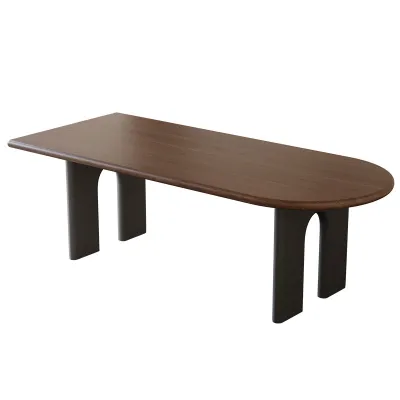
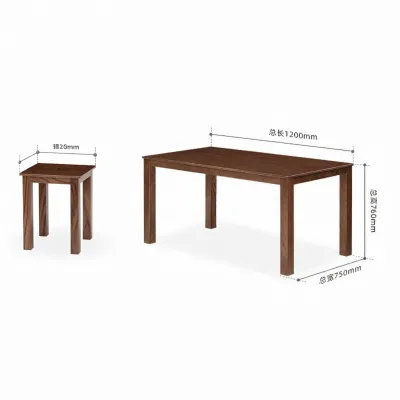
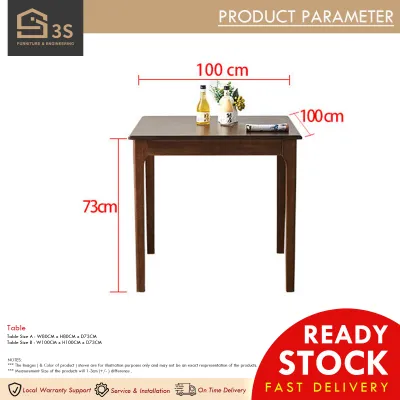
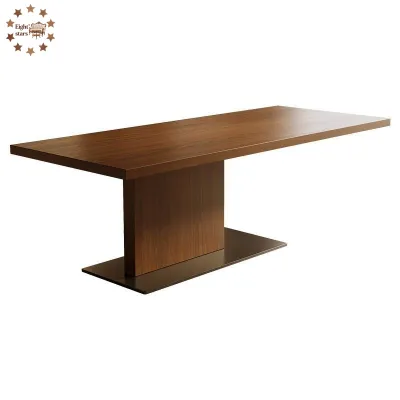
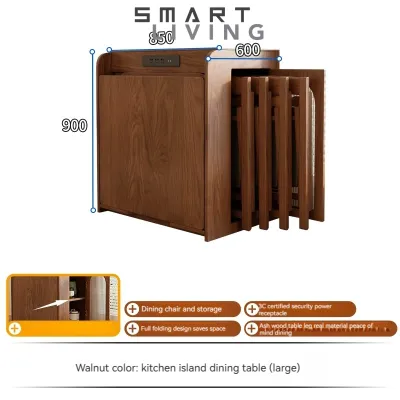
5 Lazada user ratings
Super satisfied! Looks exactly like the pictures – no color difference. Hardly any smell, and the service was awesome. Definitely recommend!
I feel satisfied with this table. The quality is high, and it is pretty. I like it very much!
I like this table. It is foldable, and it quality is high. I like its design very much!
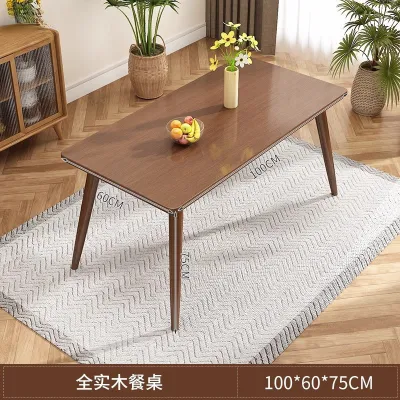
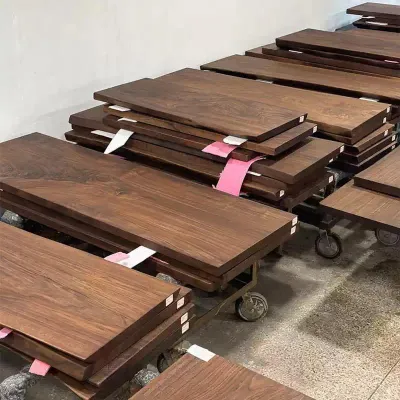
Prices are valid at publication and may change. Please refer to the product page for the latest price.
When wood fibers absorb moisture, they swell, causing the entire piece of timber to expand across its grain. Conversely, when the surrounding air becomes dry, the wood releases moisture and contracts. This continuous cycle of expansion and contraction is known as wood movement. If the movement is uneven or too rapid, it creates severe internal stresses within the timber, leading to warping, bowing, twisting, or cracking.
Consistently high humidity also poses biological risks to wooden furniture. When moisture remains trapped on or just beneath the wood surface, it creates an ideal breeding ground for mold, mildew, and fungal decay. This not only ruins the aesthetic appeal of your dining table but can also compromise the structural integrity of the wood fibers over time.
Furthermore, modern indoor environments in Singapore introduce unique micro-climates. Many homes transition rapidly between hot, humid outdoor air and cool, dry air-conditioned indoor air. This sudden fluctuation in temperature and relative humidity subjects wooden furniture to rapid dimensional shifts. The glue lines, joints, and fasteners holding the table together are put under immense strain during these transitions, making proper material selection and construction critical.
Evaluating Popular Wood Species for Tropical Use
When evaluating different wood species for a dining table, two primary natural characteristics determine how well they handle humidity: density and natural oil content. High-density woods have tightly packed cell structures with minimal pore space, making it difficult for water molecules to penetrate deeply. Natural oils within the wood act as a built-in water repellent, slowing down the rate of moisture exchange.

However, natural species traits are only one part of the equation. A species that is theoretically highly stable can still fail if it was harvested prematurely or processed poorly. Conversely, a more sensitive wood species can perform beautifully if it undergoes rigorous kiln-drying and receives a high-quality protective finish. Therefore, you should always verify the manufacturer’s specific processing standards rather than relying solely on the reputation of the wood species.
Teak and Acacia: Dense Hardwoods
Teak is widely regarded as one of the most reliable wood species for humid environments. Its exceptional stability comes from an abundance of natural oils and rubber trapped within its tight grain. These natural compounds remain in the wood even after harvesting and drying, providing built-in resistance to moisture, rot, fungi, and pests. This makes teak highly forgiving of the humidity fluctuations common in Singaporean homes.
Acacia is another dense hardwood that offers excellent durability in tropical climates. It features a high density and a naturally interlocking grain pattern, which provides great structural strength and minimizes the risk of warping. Acacia is also highly resistant to water absorption, making it a practical choice for a busy dining room where spills are common.
When purchasing a teak or acacia dining table, always check the product specifications to confirm the wood has been properly kiln-dried. For indoor furniture, the wood should be dried to a stable moisture content of around 8% to 12%. Additionally, ensure that the table is finished with a high-quality sealant; while outdoor teak can be left untreated to weather, an indoor dining table requires a sealed surface to protect against food stains and localized moisture absorption.
Oak and Mango: Grain and Sealing Requirements
Oak is a classic choice for dining tables, valued for its prominent grain patterns, strength, and timeless appeal. Both red and white oak are highly durable hardwoods, but they possess an open-pore structure. This means the wood grain contains tiny, open vessels that can easily absorb moisture from humid air if they are not properly sealed. White oak is slightly more water-resistant than red oak due to tyloses, which naturally plug the pores, but both require careful manufacturing treatments.
Mango wood is a sustainable, moderately dense hardwood that has gained popularity for its unique, variegated grain and warm tones. Because mango wood is naturally more porous and susceptible to fungal staining in its raw state, it requires thorough drying and chemical treatment during the manufacturing process to ensure long-term stability in a humid climate.
For both oak and mango wood tables, a high-quality protective sealant is absolutely essential. Look for tables finished with polyurethane, acrylic, or lacquer sealants that completely close the open pores and create an impermeable barrier against atmospheric moisture. It is also wise to inspect the table’s construction to ensure it utilizes panel designs that allow the wood to expand and contract naturally without cracking.
Rubberwood: Treatment and Durability Checks
Rubberwood, sourced from rubber tree plantations at the end of their latex-producing cycle, is a highly sustainable and budget-friendly hardwood. It has a medium density and a straight grain, making it easy to work with. However, in its natural state, rubberwood is highly susceptible to moisture absorption, warping, and insect infestation when exposed to high humidity.
To overcome these natural limitations, manufacturers subject rubberwood to a rigorous preservation process. The wood is pressure-treated with protective chemical solutions to prevent insect damage and decay, and then thoroughly kiln-dried to stabilize its moisture content. This treatment transforms rubberwood into a stable, durable material that can easily withstand tropical indoor conditions.
When shopping for a rubberwood dining table, look closely at the product description to verify that the wood has been chemically treated and kiln-dried. Avoid buying cheap, unfinished, or poorly sealed rubberwood furniture, as it will quickly absorb moisture and warp. Ensure that the table is fully sealed on all sides, including the underside of the tabletop, to prevent uneven moisture absorption.
Crucial Specifications and Finishes to Verify Before Buying
To ensure your wooden dining table can withstand Singapore’s climate, you must look beyond the wood species and evaluate the technical specifications of the piece. The first and most critical specification to verify is the kiln-drying process. Kiln-drying carefully removes excess moisture from the green timber in a controlled environment. For tropical climates, the ideal target moisture content for indoor wooden furniture is between 8% and 12%. This range aligns with the average indoor equilibrium moisture content, minimizing subsequent wood movement when the table is placed in your home.
The type of surface finish applied to the table plays a massive role in blocking moisture exchange. Polyurethane finishes are highly recommended for dining tables because they form a thick, durable, and water-resistant plastic-like barrier over the wood. Lacquer finishes also offer good moisture protection and a beautiful, smooth sheen, though they can be more susceptible to heat and water rings from hot cups. Natural oil and wax finishes, while highlighting the wood’s natural texture, provide very little protection against humidity and require frequent reapplication to maintain any moisture resistance.
Another critical factor is the joint construction of the table. Solid wood must be allowed to move; if it is held too rigidly, it will crack. Look for construction techniques that accommodate natural wood movement, such as:
- Floating Panels: Tabletop panels that are held in place by grooves rather than being glued tightly together, allowing them to expand and contract freely.
- Breadboard Ends: Narrow wooden boards fitted perpendicular to the ends of the tabletop, which help keep the table flat while allowing the main planks to expand and contract across their width.
- Slotted Screw Holes: Metal brackets or wooden cleats that attach the tabletop to the frame using elongated or slotted screw holes, allowing the screws to slide slightly as the wood moves.
Finally, always inspect the underside of the dining table. A quality manufacturer will apply the same protective finish to the bottom of the tabletop as they do to the top. If the bottom is left raw or poorly sealed, it will absorb moisture from the humid air much faster than the sealed top surface. This uneven moisture absorption causes the wood fibers on the bottom to swell more than those on the top, leading to a common warping issue known as cupping.
Low-Maintenance Care Routines for Humid Environments
Maintaining a wooden dining table in a humid climate does not have to be a chore. The most effective care routine focuses on preventing excess moisture from coming into contact with the wood and protecting the existing sealant. For daily cleaning, use a soft microfiber cloth that is only slightly damp. Avoid using soaking wet cloths or leaving standing water on the table surface, as liquid can seep through microscopic cracks in the finish and damage the wood underneath. Always wipe the table dry immediately with a clean, dry cloth.
Avoid using harsh chemical cleaners, multi-purpose sprays, or abrasive scrubbing pads. These products can gradually strip away the protective polyurethane or lacquer sealant, leaving the raw wood vulnerable to atmospheric humidity and spills. Instead, use a mild, pH-neutral dish soap diluted in water for stubborn messes, and dry the surface immediately afterward.
Strategic placement of your dining table is also vital for its longevity. Avoid placing the table in direct sunlight from large windows, as intense UV rays and heat can dry out the wood unevenly, fade the finish, and cause localized cracking. Similarly, keep the table away from areas with high moisture levels, such as directly adjacent to an open kitchen or a damp bathroom wall.
If your dining room is frequently air-conditioned, try to avoid placing the table directly in the path of the cold air draft. The rapid temperature drops and dry air from the AC unit can cause localized moisture loss, leading to joint stress. If you notice the protective finish on your table starting to wear thin, feel rough, or lose its luster over the years, consult the manufacturer’s care guidelines or contact a professional furniture refinisher to apply a fresh protective coat.
Frequently Asked Questions (FAQ)
Is it safe to place a wooden table near an air conditioning vent?
No, placing a solid wood dining table directly under or in front of an air conditioning vent is not recommended. The direct stream of cold, dry air from the air conditioner causes rapid, localized moisture loss in the wood fibers directly exposed to the draft. This uneven drying leads to localized shrinkage, which can cause the tabletop to warp, cup, or develop hairline cracks along the joints.
To protect your table, maintain a clearance distance of at least 1.5 to 2 meters from direct AC drafts. If space is limited, adjust the air conditioner’s louvers to direct the airflow away from the furniture, or use a table runner to provide a slight buffer against the dry air.
What are the early visual signs of moisture damage?
Early indicators of moisture stress include a cloudy or white haze appearing beneath the clear finish, which suggests moisture has penetrated the sealant. You might also notice slight cupping, where the edges of the wooden planks curl upward, or small gaps opening between the tabletop joints. If the table has drawers or extendable leaves, they may begin to stick or become difficult to slide.
If you observe these signs, check the humidity levels in the room and ensure the table is not exposed to direct drafts or damp walls. Using a dehumidifier in the dining area can help stabilize the environment, and applying a fresh coat of compatible sealant can prevent further moisture penetration.
Community discussion
Share your experience or ask a question. Comments are reviewed before publication.