
Selecting a safe bed plywood board for a children’s bunk bed requires prioritizing structural load capacity and strict chemical safety. The ideal choice is a high-quality, veneer-core plywood—such as structural grade—that carries certified low-formaldehyde emission ratings like CARB Phase 2 or EPA TSCA Title VI. Because bunk beds elevate children several feet off the ground and are often used in enclosed, air-conditioned, or humid bedrooms, the material must resist structural sagging while keeping indoor air clean. Choosing the wrong board can lead to physical accidents from structural failure or respiratory irritation from chemical off-gassing.
Understanding Plywood Grades for Bunk Beds
Plywood is engineered by gluing thin wood veneers together in alternating grain directions. For children’s bunk beds, the choice of adhesive and core construction directly impacts safety. Standard interior-grade plywood often uses moisture-sensitive glues that can degrade over time. In humid environments like Singapore, where relative humidity levels consistently run high, standard interior boards are prone to absorbing moisture from the air, which weakens the internal bonds and leads to warping, swelling, or delamination.
To prevent these structural risks, look for moisture-resistant options. Boards bonded with melamine-urea-formaldehyde or phenol-formaldehyde resins offer much higher resistance to ambient moisture. These boards maintain their flat profile and structural strength even when subjected to seasonal humidity changes or accidental liquid spills on the mattress.
Products mentioned in this guide
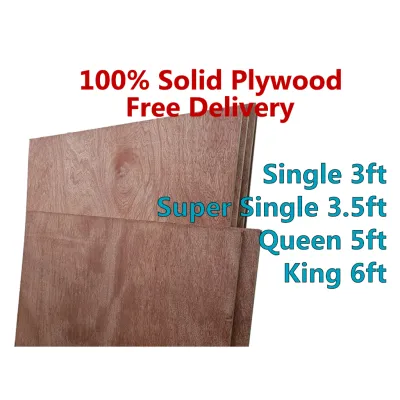
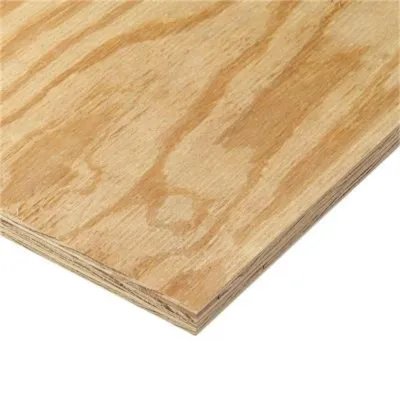
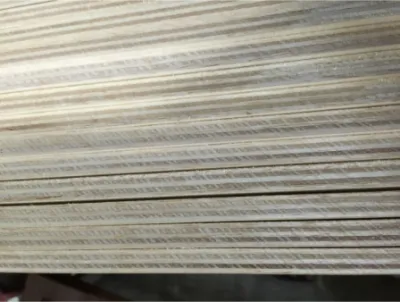
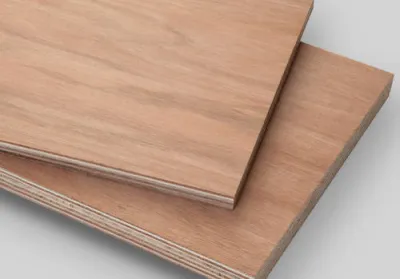
Prices are valid at publication and may change. Please refer to the product page for the latest price.
The internal core construction is equally critical. Veneer core plywood, made entirely of layered wood sheets, provides the highest screw-holding strength and impact resistance. This is vital for bunk beds, where guardrails, ladder brackets, and support cleats are screwed directly into the frame. Avoid composite cores, such as those containing medium-density fiberboard or particleboard centers, as they lack the interlocking fiber structure needed to hold fasteners securely under dynamic loads.
Before purchasing, always inspect the manufacturer’s grade stamp printed on the face or edge of the plywood sheet. This stamp indicates the structural rating, veneer quality, and intended application. Ensure the board is rated for structural or heavy-duty load-bearing interior use rather than light decorative paneling, which is too thin and flexible to support a sleeping child safely.
Safety and Emission Standards to Verify
Chemical safety is just as important as structural integrity when building or repairing children’s furniture. Plywood manufacturing historically relied on urea-formaldehyde glues, which slowly release volatile organic compounds into the air. Because children have faster breathing rates, developing respiratory systems, and smaller body masses, they are highly sensitive to these airborne toxins. Furthermore, bunk beds place children in close proximity to the bed base, where they breathe in these emissions for eight to ten hours every night.

To protect your child’s health, you must verify that the bed plywood board complies with recognized low-emission standards. Look for boards certified under CARB Phase 2 or EPA TSCA Title VI. These standards enforce strict limits on formaldehyde emissions, ensuring that off-gassing remains at safe, negligible levels. In Asian and European markets, look for boards rated E1 or, ideally, E0 and Super E0, which represent the lowest detectable levels of formaldehyde release.
These certifications are typically stamped directly onto the edge of the plywood sheet or printed on the protective packaging. When sourcing materials, ask the supplier to provide the corresponding material safety data sheet or compliance certificate. This documentation verifies that the specific batch of plywood has undergone independent laboratory chamber testing.
Be cautious of vague marketing claims. Terms like “eco-friendly,” “all-natural,” or “green” are frequently used without standardized testing or regulatory oversight. A truly safe plywood board will always have a verifiable certification code from an accredited third-party testing body, rather than relying on generic environmental slogans.
Structural and Thickness Requirements for Bed Plywood Boards
A bunk bed base must support the static weight of the mattress and the child, alongside the dynamic forces generated when a child climbs, rolls, or jumps. To determine the correct thickness for your bed plywood board, you must cross-reference the bed frame’s span and support configuration. For a standard bunk bed with support slats spaced no more than 75 millimeters apart, a plywood thickness of at least 12 millimeters is generally recommended. If the frame relies on a wide, open span with fewer support rails, you should increase the thickness to 15 millimeters or 18 millimeters to prevent bowing.
Proper installation and edge support are essential to keep the plywood board stable. The board must rest securely on sturdy wooden or metal cleats running along the inside of the bed rails. Fasten the plywood directly to these supports using countersunk wood screws to prevent the board from sliding, shifting, or tipping when weight is applied to one side. Ensure there are no sharp screw heads protruding from the surface that could puncture the mattress or injure a child.
The top bunk requires even greater safety precautions due to the heightened risk of falls. Dynamic movement on the top bunk exerts significant lateral and downward force on the bed base. Never use thin, unreinforced plywood sheets on the upper level. If the top bunk base bows or slips out of its tracks, it poses an immediate collapse hazard to the child sleeping below. Ensure the plywood is cut to fit the inner dimensions of the frame precisely, leaving a minimal gap of no more than 5 millimeters on each side to prevent shifting while allowing for natural wood expansion.
Inspecting and Purchasing the Right Board
Before accepting or installing any plywood board, conduct a thorough physical inspection at the point of sale or upon delivery. Lay the board flat on a level surface to check for warping or twisting. A warped board will not sit flush on the bed frame cleats, creating uneven weight distribution and putting unnecessary stress on individual fasteners.
Examine the cut edges of the plywood sheet closely. High-quality structural plywood should show tightly packed, uniform layers of wood veneer. Look out for visible voids, gaps, or overlapping plies within the core. These internal hollow spaces create hidden weak points that can crack or collapse under sudden impact, such as a child jumping on the bed. Additionally, check for signs of delamination, where the glue has failed and the wood layers are beginning to separate.
Use your senses to evaluate chemical safety. While all new wood has a natural scent, a strong, sharp, or pungent chemical odor that irritates your eyes or throat is a clear warning sign. This sharp smell indicates high levels of active formaldehyde off-gassing, suggesting the board does not meet strict low-emission standards and should not be placed in a child’s bedroom.
Finally, cross-check the physical markings on the board with your purchase invoice and the supplier’s technical datasheets. The grade stamp, thickness measurement, and emission certification printed on the wood must match the documentation exactly. If the supplier cannot provide matching certificates or if the board lacks clear manufacturer markings, reject the material and choose a verified alternative.
Frequently Asked Questions (FAQ)
Can I use MDF or particleboard instead of plywood for a bunk bed?
Medium-density fiberboard (MDF) and particleboard are not suitable substitutes for plywood in structural bunk bed applications. These composite materials are made from compressed wood fibers or chips bonded with resins, making them significantly heavier yet structurally weaker than plywood. They have poor screw-holding capacity, meaning fasteners can easily strip out under dynamic movement or stress. Furthermore, MDF and particleboard are highly vulnerable to moisture; in humid climates, they can absorb ambient water vapor, causing them to swell, sag, and lose their structural integrity entirely. Plywood, with its cross-laminated veneer construction, provides the necessary strength, fastener retention, and durability required for elevated sleeping surfaces.
How often should I inspect the plywood on a children's bunk bed?
You should perform a visual and physical inspection of the bunk bed’s plywood base every six months, or immediately if you notice any unusual creaking or shifting. Remove the mattress to check the board for signs of sagging, cracking, or splintering along the edges. Inspect the fasteners to ensure screws remain tight and have not pulled through the wood fibers. If you observe any structural bowing, water damage from spills, or delamination of the veneer layers, replace the board immediately. Regular maintenance checks ensure that minor wear does not escalate into a structural failure, keeping the sleeping environment safe for your children.

Community discussion
Share your experience or ask a question. Comments are reviewed before publication.