
Selecting a dust proof protector in Singapore’s tropical climate requires balancing two critical but opposing functions: blocking microscopic allergens and maintaining adequate airflow. For allergy sufferers, a protector that seals out dust mites but traps body heat and moisture can quickly turn a bed into an uncomfortable, sweaty environment. In high-humidity conditions, this trapped moisture does more than just disrupt your sleep; it also creates a damp microclimate where mold, mildew, and dust mites thrive.
To find a protector that works effectively without causing overheating, you must look closely at how the barrier is constructed and what materials lie closest to your skin. The ideal solution prevents allergens from colonizing your mattress while allowing heat and water vapor to escape freely. By focusing on breathable physical barriers, moisture-wicking top fabrics, and proper maintenance routines, you can establish a clean, cool, and allergen-free sleep surface that withstands year-round humidity.
Understanding the Balance Between Allergen Blocking and Breathability
To understand why some dust proof protectors feel uncomfortably warm, it helps to look at how they block allergens. Dust mites, pet dander, and their microscopic waste products are incredibly small, often measuring only a few microns in size. To prevent these particles from settling into your mattress or escaping into the air when you move, a protector must feature an extremely tight physical barrier. This is typically achieved through either an ultra-dense fabric weave or a specialized membrane backing.
Products mentioned in this guide
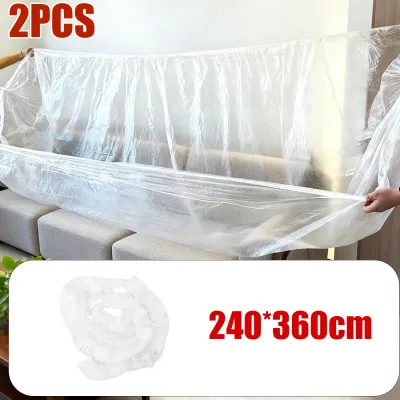
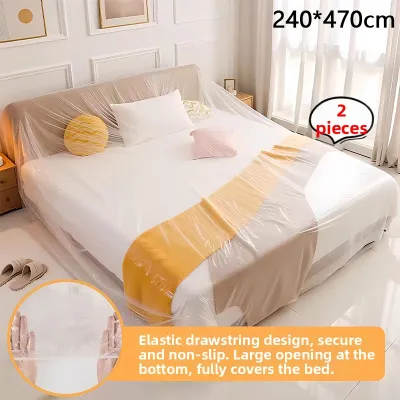
Prices are valid at publication and may change. Please refer to the product page for the latest price.
However, the tighter the barrier, the harder it is for air to circulate. In a humid climate like Singapore’s, where indoor relative humidity often remains high, your body naturally releases heat and moisture throughout the night. If your mattress protector lacks breathability, this moisture has nowhere to go. It becomes trapped directly beneath your bedsheets, leading to night sweats, clammy skin, and a restless sleep experience.
Furthermore, trapped moisture poses a significant risk to the mattress itself and to your health. Damp environments are highly conducive to the growth of mold and mildew, which are potent allergens in their own right. If a protector blocks dust mites but encourages mold growth due to poor ventilation, it defeats the purpose of allergy prevention. Achieving a balance between a sufficiently small pore size to block allergens and a breathable structure that allows water vapor to escape is essential for maintaining a dry, healthy sleep microclimate.
Key Material and Construction Features to Check
When evaluating a dust proof protector, the choice of materials determines both its allergen-blocking efficiency and its comfort in humid weather. The protector is generally composed of two main parts: the top fabric layer that faces your sheets, and the protective barrier layer underneath. Examining both components will help you select a product that handles heat and moisture effectively.

For the top layer, prioritize natural or semi-synthetic fibers known for their moisture-wicking properties. Cotton terry, bamboo-derived viscose, and Tencel are excellent choices because they actively absorb moisture from your body and disperse it, allowing it to evaporate quickly. In contrast, standard synthetic blends or pure polyester top layers tend to trap heat and can feel slick or sticky against the skin in warm weather. Bamboo and Tencel are particularly favored in tropical climates for their natural coolness and smooth texture.
The barrier layer underneath is what actually stops dust mites and liquids. You will generally find two types of barriers: polyurethane membranes and coated plastic layers like polyvinyl chloride (PVC). Breathable polyurethane membranes are highly recommended for humid environments. These membranes feature microscopic pores that are small enough to block liquid droplets and dust mites, yet large enough to allow individual water vapor molecules to pass through. PVC or heavy laminate backings, on the other hand, are completely non-porous, making them highly heat-retentive and noisy.
To ensure you are getting a truly breathable and effective product, check the manufacturer’s specifications rather than relying solely on marketing buzzwords. Look for details regarding the physical barrier’s pore size; a pore size of under 10 microns is generally required to block dust mites and their waste effectively. Additionally, look for indications of breathability, such as a high moisture vapor transmission rate, which confirms the fabric’s ability to let humidity escape.
Evaluating Fit, Comfort, and Sleep Experience
Beyond material specifications, the physical design and fit of the protector play a major role in how well it performs and how comfortable it feels. A protector that does not fit your mattress properly can slip, bunch up, or wear out prematurely, compromising its protective barrier.
Start by measuring your mattress depth accurately, including any mattress toppers or pillow-top layers you currently use. Mattress protectors typically come in two styles: fitted sheets with elastic skirts, or fully zipped encasements. If you choose a fitted style, ensure the skirt depth matches or slightly exceeds your mattress depth. If the skirt is too shallow, it will stretch excessively, which can pull the protective membrane thin, cause the corners to pop off during the night, or put undue stress on the seams.
The surface texture of the protector also influences your sleep quality. Some protectors feature a quilted top layer, which adds a thin layer of padding. This quilting not only enhances comfort but also creates small air pockets between your body and the barrier membrane, aiding in temperature regulation. Textured surfaces also provide friction, which helps keep your fitted bedsheets securely in place instead of sliding around as you move.
Another common issue with protective barriers is noise. Stiffer, lower-quality membrane backings can produce a distinct crinkling or rustling sound whenever you shift positions. This plastic-like noise can be highly disruptive to light sleepers. To avoid this, check user feedback specifically mentioning noise levels, or physically handle the product in-store if possible to ensure the backing is soft, flexible, and silent under pressure.
Maintenance and Care for Long-Lasting Effectiveness
Proper maintenance is essential to preserve both the allergen-blocking capabilities and the breathability of your protector over time. Because the protector accumulates dead skin cells, sweat, and dust over weeks of use, regular cleaning is necessary to keep your sleep environment hygienic.
Always consult the care label for specific washing instructions, paying close attention to the maximum recommended water temperature. While washing bedding in hot water is a common recommendation for neutralizing dust mites, excessive heat can permanently damage, melt, or crack a polyurethane membrane. Many modern breathable protectors are designed to be washed at moderate temperatures that balance effective cleaning with membrane preservation. Use a mild detergent and avoid bleach or fabric softeners, which can clog the microscopic pores or degrade the protective backing.
Thorough drying is the most critical step in a humid climate. If a protector is put back on the bed while even slightly damp, moisture can become trapped between the protector and the mattress, leading to mold growth. If you use a tumble dryer, select a low-heat or air-dry setting, as high heat will warp or destroy the barrier layer. If you prefer to line dry, hang the protector in a well-ventilated space out of direct, harsh sunlight, which can also degrade the synthetic membrane over time.
Finally, learn to recognize when your protector has reached the end of its lifespan. Over time, repeated washing and drying will cause the protective backing to wear down. Inspect the underside regularly for signs of peeling, cracking, or separation from the top fabric. If you notice these physical changes, or if the skirt loses its elasticity and no longer fits snugly, the protector’s ability to block allergens is compromised, and it should be replaced to ensure continued protection.
Frequently Asked Questions (FAQ)
Can a dust proof protector completely eliminate dust mites?
A dust proof protector is highly effective at trapping existing dust mites inside your mattress and preventing new ones from establishing a colony. However, it cannot completely eliminate dust mites from your bedroom. Dust mites also live in pillows, carpets, curtains, and other soft furnishings. To manage allergies effectively, you must use the protector as part of a broader routine that includes washing your bed linens weekly in warm water, vacuuming regularly, and managing indoor humidity levels.
Do I need a waterproof protector if I already have a dust proof one?
It depends on the construction of your specific protector, though many modern products combine both functions. Tightly woven fabric protectors without a membrane backing can block dust mites and dander but will allow liquids to pass through. If you want protection against spills, sweat, and stains as well as allergens, look for a protector that features a breathable polyurethane membrane, which naturally provides both waterproof and dust proof benefits.
Community discussion
Share your experience or ask a question. Comments are reviewed before publication.