
Finding the perfect balance of comfort and support is essential when selecting a new bed, especially in Singapore’s warm, humid climate where sleep quality directly impacts daily productivity. If you are looking to purchase a seahorse mattress queen size, navigating the brand’s unique firmness spectrum is the first step toward a successful investment. Seahorse has long been a household name in Singapore, famous for its dense, supportive foam formulations. However, because firmness is highly subjective, understanding what each rating means in practice will help you avoid the common mistake of buying a bed that is too hard or too soft for your sleeping style.
Decoding the Seahorse Firmness Scale
Mattress firmness is a measure of the initial feel of the surface when you first lie down. It describes how much the comfort layers compress under your weight and the immediate push-back you feel. This is distinct from overall structural support, which refers to how well the mattress’s core keeps your spine in a neutral alignment over the course of the night. A mattress can have a very soft, plush surface while still providing excellent deep-down support, or it can feel rock-hard on top while failing to support your lower back properly.
In the bedding industry, firmness is typically categorized into five broad brackets: Plush/Soft, Medium, Medium-Firm, Firm, and Extra-Firm. Seahorse utilizes a similar spectrum, though local sleepers often note that the brand’s ratings lean slightly firmer than Western import brands. A Seahorse model labeled as “medium” might feel closer to a “medium-firm” or “firm” when compared to European or American pillow-top mattresses. This characteristic density is highly valued for its durability and resistance to sagging, but it makes understanding the specific feel of each level even more critical.
Products mentioned in this guide
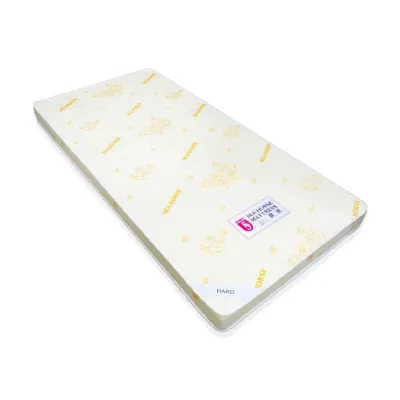

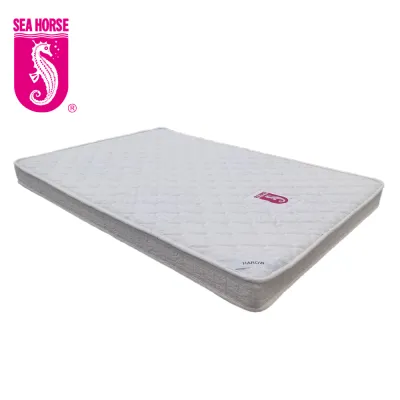
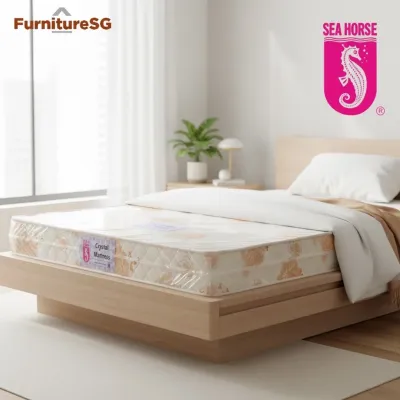
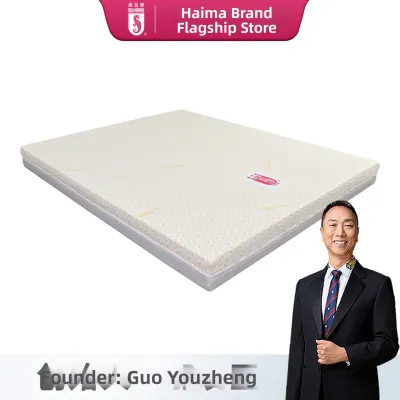
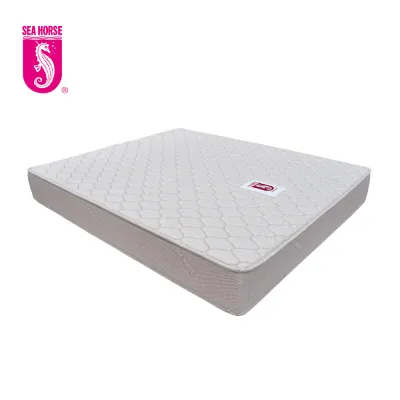
Prices are valid at publication and may change. Please refer to the product page for the latest price.
Because firmness is subjective, your body weight and shape will heavily influence how a mattress feels. A heavier individual will compress the comfort layers more deeply, experiencing a mattress as softer and more contouring. Conversely, a lighter individual will not sink as much, perceiving the exact same mattress as significantly firmer. There is no single “best” firmness level that works for everyone; the ideal match depends entirely on your unique sleep posture, physical build, and comfort preferences.
What Each Firmness Level Actually Feels Like
Soft and Medium-Soft: Contouring and Pressure Relief
Soft and medium-soft mattresses provide a distinct “sinking in” sensation, where the comfort layers compress easily to cradle the contours of your body. When you lie down, you will feel the material immediately yield to your curves, creating a snug, cloud-like envelope. This level of cushioning is designed to distribute your body weight over a wider surface area, which helps prevent pressure build-up.

This contouring is highly beneficial for relieving pressure at sensitive contact points, particularly the shoulders and hips. By allowing these wider parts of the body to sink in, the mattress helps keep the spine in a straight, natural line. Softer options are generally preferred by strict side sleepers who need that extra give, as well as lighter individuals who do not apply enough force to compress firmer foam layers.
Medium and Medium-Firm: The Balanced Sweet Spot
Medium and medium-firm mattresses offer a balanced feel that combines gentle surface contouring with solid, reliable push-back. Instead of feeling like you are sinking deep into the bed, you will feel supported on top of the mattress while still enjoying a comfortable layer of cushioning. This category represents the most versatile range on the market, offering a compromise between pressure relief and structural stability.
This balanced feel is highly recommended for combination sleepers who frequently change positions during the night. The moderate resistance allows you to roll over and shift posture easily without feeling “stuck” in a deep foam cradle. Additionally, medium-firm is often the default choice for couples sharing a queen-size bed, as it accommodates different sleep preferences and body types without leaning too far toward either extreme.
Firm and Extra-Firm: Maximum Support and Alignment
Firm and extra-firm mattresses deliver a distinct “sleeping on” rather than “sleeping in” sensation. The surface offers minimal sinkage, providing immediate, robust resistance the moment you lie down. This solid feel is characteristic of traditional high-density foam designs, which prioritize structural rigidity and long-term shape retention over surface plushness.
The primary benefit of an extra-firm surface is its ability to keep the spine strictly aligned by preventing the midsection from sagging. When a mattress is too soft, the heavy pelvic region can sink too deep, causing the spine to curve uncomfortably like a hammock. Firm surfaces are typically best suited for back sleepers, stomach sleepers, and heavier individuals who require strong upward support to maintain healthy posture throughout the night.
Matching a Seahorse Mattress Queen to Your Sleep Profile and Body Type
Selecting the right firmness for your seahorse mattress queen requires looking closely at your physical habits and sleep environment. By analyzing how your body interacts with the bed, you can narrow down the options to find a model that supports your health.
- Sleep Position: Your primary sleeping posture dictates where you need support and where you need pressure relief. Side sleepers require a softer surface (soft to medium-firm) to allow the shoulders and hips to sink, keeping the spine straight. Back sleepers benefit from a medium-firm to firm surface that supports the lower back while cushioning the shoulders. Stomach sleepers need a firm to extra-firm mattress to prevent the hips from sinking forward, which can strain the lower back.
- Body Weight: Your physical build changes how you perceive mattress density. Lighter sleepers (under 60 kg) do not compress foam deeply and should look for medium or soft models to avoid a surface that feels too hard. Average-weight sleepers (60 kg to 90 kg) usually find their match in the medium to medium-firm range. Heavier sleepers (over 90 kg) require firm or extra-firm models to ensure they do not sink completely through the comfort layers to the stiff core underneath.
- Couples Sharing a Queen Bed: Sharing a standard 152 cm x 190 cm queen bed in Singapore requires finding a common ground. If you and your partner have different firmness preferences, a medium-firm mattress is the safest baseline. To customize the feel, you can add a soft mattress topper to one half of the bed, or prioritize the needs of the partner who suffers from chronic sleep disruptions or physical pain.
- Pain Considerations: If you suffer from chronic joint or back pain, consult a healthcare professional for personalized guidance. While clinical studies often point to medium-firm mattresses as the most supportive for general back pain, your personal comfort should dictate the final choice. A mattress that is too hard can exacerbate joint pain, while one that is too soft will fail to support your spine.
Beyond Firmness: Other Queen-Size Specs That Affect Sleep Feel
While firmness is a major factor in how a bed feels, other design specifications play an equally important role in your overall sleep experience. When shopping for a queen-size mattress, you should look beyond the simple firmness rating to understand how the internal construction will perform over time.
- Spring Systems: The underlying support structure changes the responsiveness of the bed. Interconnected spring units (like bonnell springs) offer a bouncier, more traditional feel with excellent air circulation, but they tend to transfer motion across the bed. Pocketed springs are individually wrapped, allowing them to compress independently. This provides targeted contouring and superior motion isolation, which is ideal for couples who do not want to feel each other tossing and turn.
- Comfort Layer Materials: The materials used in the top layers of the mattress determine its initial feel. High-density foam offers a sturdy, consistent surface with excellent durability. Natural latex provides a responsive, bouncy feel that dissipates heat well, making it excellent for Singapore's tropical climate. Pillow-top quilting adds an extra layer of plushness on top of a firm support core, giving you the best of both worlds.
- Edge Support: Strong edge support is crucial for a queen-size mattress, especially when shared by two people. Reinforced edges prevent the sides of the bed from sagging when you sit or sleep near the border. This effectively maximizes the usable sleeping surface, ensuring you do not feel like you are rolling off the bed when sleeping near the edge.
- Delivery and Logistics: Before finalizing your purchase, always verify the finished dimensions of the mattress and ensure it matches your bed frame. A standard Singapore queen mattress measures 152 cm x 190 cm. You must also check that your bed frame is sturdy, stable, and capable of supporting the weight of a high-density mattress. Additionally, measure your doorways, hallways, and HDB or condominium lift clearance to ensure the delivery team can safely transport the mattress to your bedroom.
- Verification Advice: Always check the specific product label, care instructions, and manufacturer specifications for the exact model you are considering. Material compositions, layer thicknesses, and overall feel can vary between different product lines and manufacturing batches. Reading the official care tag will also ensure you maintain the mattress properly to protect your warranty.
Frequently Asked Questions (FAQ)
Can I adjust the firmness of my Seahorse mattress later?
The core firmness of a mattress is permanently fixed by its internal spring or foam construction and cannot be changed. However, you can fine-tune the surface feel by adding a mattress topper. A memory foam or plush latex topper can add softness to a bed that feels too hard, while a dense, high-density foam topper can add a layer of firm support. Always ensure any adjustments or base changes comply with the manufacturer’s warranty guidelines to avoid damaging the mattress structure.
Is a firmer Seahorse mattress always better for back pain?
No, a mattress that is excessively firm can actually worsen back pain by creating harsh pressure points at your shoulders and hips, forcing your spine into an unnatural curve. While a medium-firm mattress is generally considered the most supportive option for average-weight individuals suffering from back pain, the ideal level of support is highly personal. You should prioritize a balance of spinal alignment and pressure relief, and consult a medical professional for advice tailored to your specific condition.
Community discussion
Share your experience or ask a question. Comments are reviewed before publication.