
Selecting the ideal outdoor or travel pillow is not a matter of finding a single universally superior model, but rather identifying the specific design that aligns with your personal sleep posture, weight limits, and packing constraints. For some, a microscopic packed size is the ultimate priority, while others require the plush, stable loft of a hybrid foam core to avoid neck strain. Sea to Summit offers several distinct pillow families—including the highly packable Aeros series and various hybrid designs—each engineered to address different points along the spectrum of portability and comfort. Before making a purchase, you must evaluate your typical sleeping environment, whether you sleep on your side or back, and the physical space available in your gear kit.
Understanding the Core Pillow Construction Types
To make an informed decision, you must first understand how different construction methods affect real-world performance. Outdoor pillows generally fall into three categories: fully inflatable air pillows, compressible foam or fiber-filled pillows, and hybrid models that combine an inflatable bladder with a cushioned top layer. Each construction type represents a distinct engineering compromise between packed volume, weight, and the quality of support it provides to your head and neck.
Fully inflatable models rely entirely on air pressure for their structure. These designs offer the absolute minimum packed size and weight, often deflating to the size of a small citrus fruit or a deck of cards. The primary benefit of a pure air pillow is adjustability; you can easily customize the firmness by releasing a small amount of air through the valve. However, some users find that fully inflatable models can feel bouncy or unstable if over-inflated, and they do not inherently mimic the soft, conforming texture of a traditional home pillow.
Products mentioned in this guide
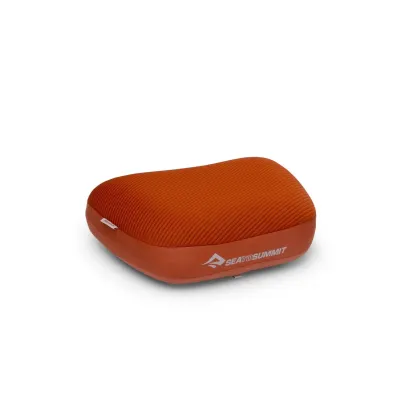
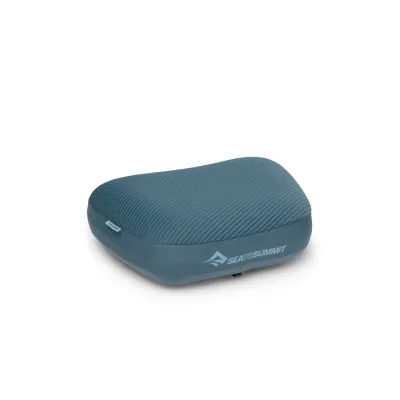
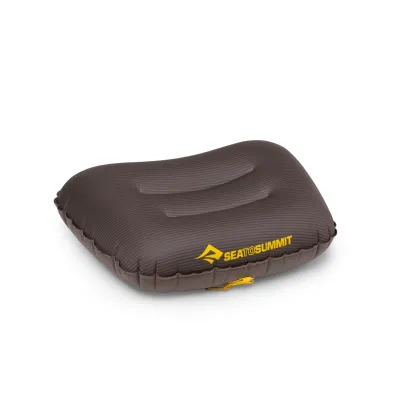
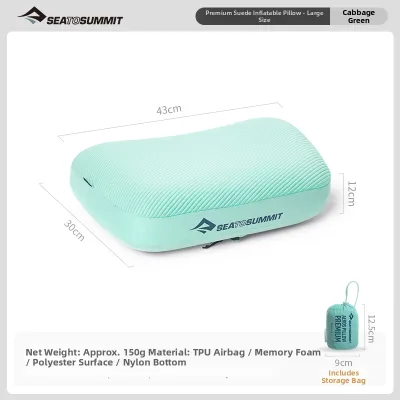
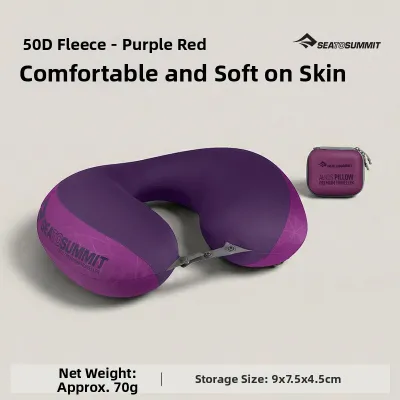
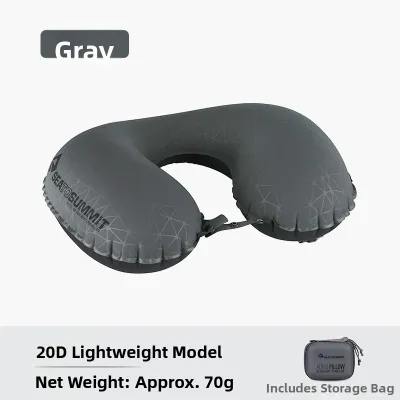
Prices are valid at publication and may change. Please refer to the product page for the latest price.
Hybrid and foam-core models introduce physical cushioning materials to bridge the gap between outdoor portability and home-like comfort. Hybrid designs typically feature a central air chamber surrounded by a layer of synthetic insulation, down, or upcycled foam chips. This configuration provides a soft, quiet sleeping surface that dampens the springy sensation of the air bladder while keeping the overall packed size relatively manageable. Fully compressible foam pillows, on the other hand, rely entirely on the loft of their filling, offering excellent comfort and stability but requiring significantly more space in your pack.
Backpacking and Ultralight Camping: Minimizing Weight and Packed Size
When you are carrying all your gear on your back over long distances, every gram and cubic centimeter in your pack matters. In this scenario, your primary goal is to minimize weight and packed volume without sacrificing the basic neck alignment required for restorative sleep. Ultralight backpacking demands a pillow that can tuck away into the smallest corners of your pack, leaving ample room for essential shelter, insulation, and food.

For these weight-sensitive trips, fully inflatable ultralight models are generally the most practical choice. When deflated, these pillows lay completely flat and can be rolled into incredibly compact storage sacks. When evaluating these options, pay close attention to the manufacturer’s specified deflated footprint and weight. Many ultralight models weigh less than a standard energy bar, making them an easy addition to even the most minimalist packing lists.
The valve design is a critical feature to inspect when choosing a backpacking pillow. A reliable multi-function valve allows for rapid inflation in just a few breaths and features a fine-tune button to let you bleed off pressure until you find the perfect level of support. It is also wise to check how easily the valve seals against dirt and grit, as trail dust can compromise the airtight seal over multi-day trips.
Finally, you must verify the physical dimensions of the inflated pillow against your existing sleep system. If you use a technical sleeping bag with a tight, mummy-style hood, a pillow that is too wide or thick may not fit inside the hood, forcing it to slide off your sleeping pad during the night. Measure the width of your sleeping pad and the internal dimensions of your sleeping bag hood, then compare these figures to the pillow’s inflated specifications to ensure a secure, integrated fit.
Car Camping and Overlanding: Maximizing Comfort and Loft
When your vehicle is doing the heavy lifting, the strict weight and size constraints of backpacking no longer apply. Car camping and overlanding allow you to prioritize sleep quality, loft, and surface area, bringing your outdoor sleep setup much closer to the comfort of your home mattress. In this context, choosing a pillow is less about saving space and more about maximizing physical support and tactile comfort.
Hybrid and self-inflating pillows are highly suited for vehicle-based adventures. These models often incorporate thick layers of open-cell foam or plush synthetic batting over an adjustable air core. The foam layer provides a consistent, stable structure that prevents your head from rolling side to side, while the air core allows you to adjust the overall height of the pillow. This combination is particularly beneficial for side-sleepers, who require a higher loft to keep their spine aligned throughout the night.
When browsing comfort-focused models, check the manufacturer’s stated thickness and surface area rather than focusing on packed size. A wider pillow allows you to toss and turn without sliding off onto the cold ground, while a thicker profile ensures your shoulder does not collapse under the weight of your head. Keep in mind that these supportive materials naturally result in a larger packed footprint and a slightly heavier carry weight, which is a perfectly acceptable trade-off when loading gear directly into a car trunk or roof box.
Another factor to consider is the inflation and packing process. Because hybrid and self-inflating models contain physical foam or dense insulation, they require more physical effort to compress back into their storage sacks. Some self-inflating designs may also take several minutes to draw in air and expand on their own, requiring you to set them up well before you plan to sleep so the foam can fully recover its loft after being compressed during transit.
Air Travel and Commuting: Optimizing for Seated Ergonomics
Sleeping while seated in an airplane, train, or bus presents a completely different set of ergonomic challenges than sleeping lying down. Without the support of a flat mattress, your head tends to fall forward or lateral, leading to severe neck strain and interrupted sleep. Travel pillows designed for commuting must provide targeted lateral support to keep your head upright while remaining compact enough to fit easily into a carry-on bag or personal item.
When comparing travel pillows for seated environments, look for contoured shapes specifically engineered to wrap around the neck or rest securely against a high-backed seat. Traditional U-shaped inflatable pillows are highly packable and can be deflated to almost nothing when passing through airport security. However, you should check if the rear portion of the pillow is thin enough to prevent your head from being pushed uncomfortably forward when resting against the seat’s headrest.
Compressible memory foam travel pillows offer excellent, dense support that molds to the unique contours of your neck and shoulders. While they do not pack down as small as inflatable options, many come with compression straps or travel cases that allow them to be clipped to the outside of your backpack. If you choose an inflatable travel model, look for designs with independent lateral chambers that prevent air from shifting completely to one side when you lean your head.
The texture and noise level of the outer fabric are also crucial in shared transit environments. A soft, brushed polyester or knit cover is much more comfortable against bare skin than bare plastic or nylon, and it helps prevent the pillow from sliding around against slippery leather or synthetic airplane seats. Additionally, quiet fabrics ensure that you do not disturb neighboring passengers every time you adjust your position during a long-haul flight.
Pre-Purchase Checklist: Verifying Specifications and Fit
Before finalizing your purchase of a Sea to Summit pillow, it is essential to cross-reference the official product specifications with your personal gear setup and physical requirements. Because manufacturers periodically update their product lines, relying on older reviews or general assumptions can lead to compatibility issues. Use the following checklist to verify your choice:
- Packed Dimensions and Weight: Check the current manufacturer spec sheet for the exact weight in grams or ounces, as well as the packed dimensions. Ensure the packed pillow fits comfortably within your designated pack pocket or carry-on compartment.
- Inflation Mechanism: Verify the valve type and the average number of breaths required to fully inflate the pillow. Look for multi-function valves that allow for easy micro-adjustments and rapid deflation.
- Outer Fabric and Care: Inspect the material specifications for noise levels, slip resistance, and skin comfort. Check whether the outer cover is removable and machine washable, or if the entire unit requires careful spot cleaning.
- Sleeping System Compatibility: Measure your sleeping pad's width and your sleeping bag's hood dimensions. If your sleeping pad features a proprietary pillow-attachment system, verify that your chosen pillow model is compatible with those specific attachment patches.
- Retailer Policies: Confirm the warranty terms and return policies of your authorized retailer to ensure you can exchange the pillow if the inflated height or firmness does not suit your sleeping style.
Frequently Asked Questions (FAQ)
How do I clean and maintain an inflatable travel pillow?
To maintain the integrity of your inflatable pillow, always consult the specific care label or manufacturer instructions attached to your exact model. As a general rule, most inflatable pillows should be spot-cleaned using warm water and a mild, non-detergent soap. Avoid submerging the entire pillow in water if the valve is open, and never use harsh chemical solvents or bleach. Unless the manufacturer explicitly states that the outer cover is machine washable, air drying is the safest method to prevent damage to the internal laminate and seams. For long-term storage, store the pillow unrolled with the valve open in a cool, dry place to prevent moisture buildup and reduce stress on the seams.
Can I use a compact camping pillow as a daily bed pillow at home?
While you can technically use a compact camping pillow at home, these products are specifically engineered for portability and weight savings, which often requires compromises in long-term ergonomic support. Standard bed pillows are designed to distribute pressure evenly over a much larger surface area throughout a full night of sleep. If you choose to use a camping pillow daily, evaluate its loft and firmness adjustability carefully to ensure your neck remains properly aligned. Keep in mind that continuous, daily use will significantly accelerate the wear and tear on lightweight outdoor fabrics, internal laminates, and inflation valves, potentially shortening the overall lifespan of the product.
Community discussion
Share your experience or ask a question. Comments are reviewed before publication.