
Maximizing vertical space is a necessity in Singapore’s high-density housing layouts. Slim utility racks are highly popular space savers for narrow gaps beside refrigerators, washing machines, and bathroom vanities. However, frequently rolling these mobile organizers can take a silent toll on your flooring. To keep your home pristine, selecting the correct slim rack wheels is essential. The ideal caster wheels must balance smooth mobility with floor-protecting properties, particularly when navigating the diverse surfaces found in local homes, such as ceramic tiles, luxury vinyl, and traditional parquet.
Choosing the wrong wheel material or size can lead to costly floor repairs, ranging from scratched wood finishes to permanently dented vinyl. By understanding how different wheel types interact with your specific floor, you can ensure your slim storage solutions remain highly mobile without leaving a single mark.
Identifying Scratch and Dent Risks on HDB Floors
Every flooring material used in Singaporean flats has distinct physical properties that dictate how it responds to rolling loads. Understanding these vulnerabilities is the first step in choosing the right caster wheels.
Products mentioned in this guide
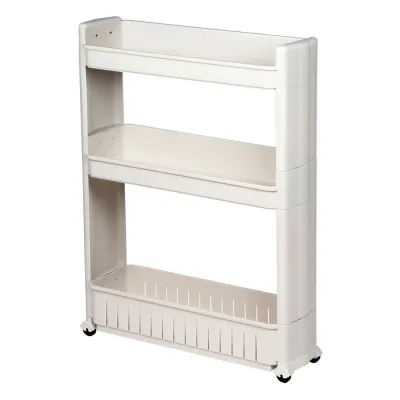
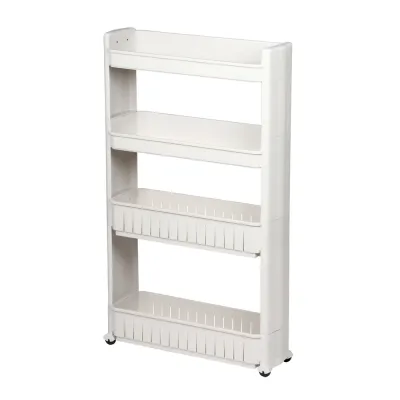
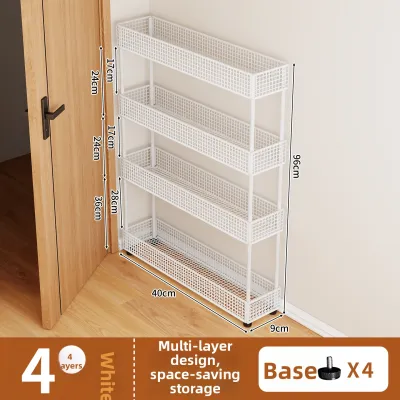
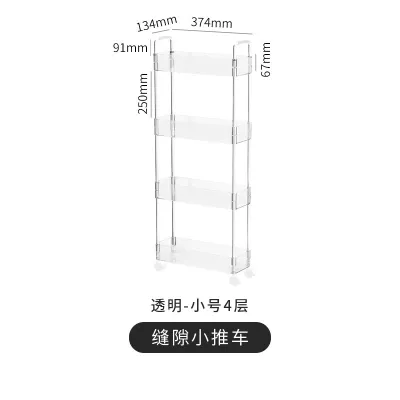

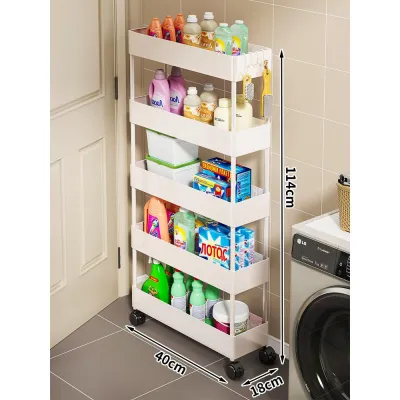

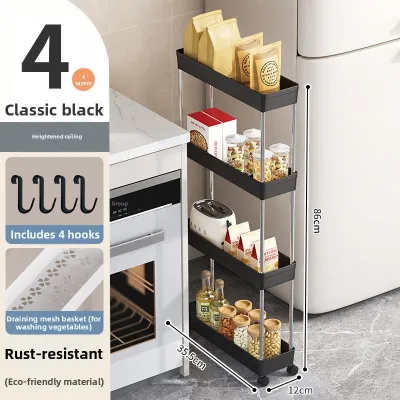
Prices are valid at publication and may change. Please refer to the product page for the latest price.
Ceramic and Porcelain Tiles
Ceramic and porcelain tiles are standard in most kitchen and bathroom layouts due to their exceptional water resistance and surface hardness. While the glazed surface of these tiles is highly scratch-resistant, the primary hazard lies in the grout lines. These recessed joints naturally collect fine household grit, sand, and kitchen debris. When a slim rack with hard wheels rolls over these transitions, the wheels can trap this abrasive debris and drag it across the tile face, leading to micro-scratches. Additionally, the repetitive impact of hard wheels dropping into and climbing out of grout lines can chip the fragile edges of the tiles over time.
Vinyl and LVT (Luxury Vinyl Tiles)
Vinyl flooring is highly favored for its warm underfoot feel and modern aesthetics, but it is a relatively soft, thermoplastic material. This makes vinyl highly susceptible to static point-load pressure. When a heavily loaded slim rack is fitted with narrow, rigid plastic wheels, the entire weight is concentrated onto tiny contact patches. Over time, this intense localized pressure compresses the vinyl core, resulting in permanent, unsightly indentations. Furthermore, rigid plastic or hard nylon wheels can easily scuff the protective polyurethane wear layer of the vinyl, leaving dull, reflective tracks that ruin the floor’s uniform finish.
Parquet and Laminate
Natural timber parquet and laminate floors feature delicate surface sealants and varnishes that are highly vulnerable to physical abrasion. Hard wheels can easily gouge wood fibers, stripping away the protective topcoat and leaving deep, permanent scratches. Moisture adds another layer of risk in tropical climates. If a slim rack is rolled out of a damp service yard or kitchen, its wheels can trap moisture underneath them. When the rack is left stationary on parquet, this trapped water cannot evaporate, leading to localized wood swelling, joint warping, and dark water stains.
Choosing Scratch-Free Wheel Materials for Your Floors
Selecting the right wheel material requires moving past generic product descriptions and looking closely at the physical characteristics of the caster tread.

Polyurethane (PU) and Thermoplastic Rubber (TPR)
Polyurethane (PU) and Thermoplastic Rubber (TPR) are widely considered the gold standard for residential floor protection. PU wheels offer a unique combination of high load capacity and elastic tread. The material deforms slightly under load, allowing it to roll over small particles of grit rather than grinding them into the floor. TPR wheels combine the easy rollability of hard plastic with the quiet, shock-absorbing qualities of soft rubber. When shopping on online marketplaces, always check the product specifications for explicit “non-marking” or “non-staining” certifications to ensure the wheels will not leave dark tracks.
Silicone and Soft Rubber
Silicone and high-grade soft rubber wheels provide excellent grip, preventing the slim rack from sliding or skidding on glossy, wet kitchen tiles. However, caution is required when purchasing budget-friendly options. Low-quality synthetic rubber compounds often contain carbon black or unstable chemical plasticizers. Over time, these chemicals can leach out of the wheel tread and migrate into vinyl or parquet, causing permanent, dark chemical stains that cannot be washed away.
Materials to Avoid
Avoid hard nylon, cast iron, and rigid polypropylene (PP) wheels on any indoor residential flooring. These materials do not yield under weight, meaning any tiny grain of sand on your floor will act as an abrasive medium under the wheel. They concentrate the entire weight of the rack into a microscopic contact point, making parquet gouging and vinyl denting almost inevitable.
Verification Steps
Rather than relying solely on material labels, verify the wheel’s hardness using the Shore A scale if provided by the manufacturer. For delicate residential floors, a Shore A hardness rating between 70A and 80A is ideal. This range is soft enough to cushion the floor and absorb minor debris, yet firm enough to prevent the wheel from developing permanent flat spots when the rack is left loaded and stationary for long periods.
Matching Wheel Size and Load Capacity to Slim Racks
Properly sizing your wheels ensures that weight is distributed safely and that the slim rack remains stable during movement.
Wheel Diameter and Width
To protect soft flooring like vinyl from denting, opt for wider wheel treads. A wider wheel increases the contact surface area, which significantly lowers the downward pressure per square inch. Additionally, choose larger wheel diameters where space permits. Small wheels (under 40mm) easily get stuck in tile grout lines, requiring you to use excessive force to push the rack, which increases the risk of skidding. A larger wheel diameter rolls effortlessly over grout lines and minor floor transitions.
Clearance and Height Adjustments
Slim racks are typically designed to slide into tight vertical gaps, such as beneath a kitchen countertop extension or alongside a bathroom cabinet. Adding caster wheels will raise the overall height of the rack. Carefully measure the available vertical clearance of your storage gap before purchasing wheels. Keep in mind that raising a narrow, top-heavy slim rack also shifts its center of gravity upward, making it more prone to tipping over when pulled out quickly. Ensure the wheel base is wide enough to maintain stability.
Load Capacity Calculation
When calculating the required load capacity, do not simply divide the total weight of your loaded rack by four. Because residential floors are rarely perfectly flat, there will be moments when the rack rolls over an uneven tile or grout line, momentarily lifting one wheel off the ground. To establish a safe operating margin, divide the maximum loaded weight of your rack by three. For example, if your fully stocked pantry rack weighs 30kg, each individual caster wheel should have a rated load capacity of at least 10kg. Always verify this rating on the product packaging.
Essential Caster Features for Tight HDB Spaces
Compact home layouts require specific mechanical features to ensure your slim rack is easy to maneuver without causing accidental damage to nearby walls or furniture.
Swivel vs. Rigid Casters
For slim racks tucked deep into narrow gaps, all-swivel casters are highly beneficial because they allow 360-degree lateral movement. This lets you pull the rack directly sideways out of its slot. However, if you need to roll the rack across a longer distance, such as down a narrow hallway, a rack with four swivel wheels can be difficult to steer, causing it to fishtail and scrape against baseboards. In these scenarios, installing two rigid (fixed) casters at the rear and two swivel casters at the front provides excellent straight-line tracking and control.
Braking Mechanisms
Slim racks stored in active areas like service yards can slowly migrate due to floor slopes or vibrations from running washing machines. To prevent this, select casters equipped with dual-action brakes. Unlike standard brakes that only stop the wheel from spinning, a dual-action brake locks both the wheel rotation and the swivel swivel joint, keeping the rack completely stationary even if it is accidentally bumped.
Bearing Types
Inexpensive wheels often utilize simple plastic sleeve bushings, which easily trap hair, dust, and kitchen grease. Once these bushings clog, the wheel ceases to rotate and begins to drag across the floor, causing severe friction scratches. Look for wheels with sealed precision ball bearings. The protective seals keep dust and moisture out of the internal mechanism, ensuring the wheel spins freely and rolls smoothly over the long term.
Installing and Maintaining Wheels to Protect Floors
Even the highest-quality wheels can cause damage if they are poorly installed or neglected. Simple preventative maintenance will preserve both your wheels and your floors.
Debris Cleaning Routines
Over time, caster wheels inevitably collect hair, pet fur, and fine grit from the floor. This accumulated debris wraps around the axle and embeds itself into soft wheel treads, turning the wheel into a abrasive surface. Establish a bi-monthly routine to inspect the wheels. Wipe the treads with a damp microfiber cloth and use a pair of tweezers to clear any hair or fibers wrapped around the wheel axles.
Mounting Hardware Checks
When installing screw-mounted or plate casters, ensure that all mounting screws are driven completely flush with the mounting plate. If a screw head protrudes, it can scrape directly against the floor if the wheel flexes or if the rack is heavily loaded. Periodically check and tighten these screws to prevent the casters from loosening or tilting, which alters the angle of contact with your floor.
Floor Protectors
If your slim rack is destined to remain stationary in one spot for months at a time, the continuous static load can still cause subtle indentations on vinyl or parquet. Consider placing a thin, non-slip, non-staining silicone mat under the wheels at its primary resting station. This simple barrier distributes the weight evenly and prevents any potential chemical migration from the wheel material into your floor finish.
Frequently Asked Questions (FAQ)
Can I use adhesive stick-on casters instead of screw-mounted ones?
Adhesive stick-on casters are convenient for very light plastic organizers, but they are not recommended for heavy slim racks. These adhesive bonds degrade quickly in high humidity, such as in bathrooms or kitchens. Under lateral stress—such as pulling a loaded rack sideways—the adhesive can fail suddenly, causing the rack to tip over and drop sharp metal or plastic frames directly onto your floor. They also leave a stubborn, sticky residue that can damage delicate parquet finishes during removal.
How do I safely remove existing scuff marks from vinyl or parquet?
To remove black rubber scuff marks, start with the gentlest method possible. Dampen a clean microfiber cloth with warm water and a drop of mild, pH-neutral dishwashing liquid, then rub the mark gently in a circular motion. For stubborn scuffs on vinyl, use a specialized, manufacturer-approved vinyl floor cleaner. Never use abrasive scrubbing pads, magic erasers, or harsh chemical solvents like acetone or paint thinner, as these will permanently strip away the protective wear layer of vinyl or dissolve the varnish on parquet.
Community discussion
Share your experience or ask a question. Comments are reviewed before publication.