
Finding the right coffee table for your living room is more than just picking an attractive surface. It requires balancing spatial harmony, your existing decor, and your daily household habits. Because the coffee table sits at the physical and visual center of your seating area, its design dictates how open, cozy, or structured your living space feels. Choosing between Scandinavian, Japanese Minimalist, and Industrial styles involves evaluating visual weight, material maintenance, and room proportions to ensure the piece serves your lifestyle without overwhelming your floor plan.
Defining the Three Core Coffee Table Aesthetics
Each of these three design movements approaches the living room center point with a distinct philosophy. While they all value clean lines and reject unnecessary clutter, they express simplicity through different materials, heights, and structural weights. Understanding these core differences is the first step in identifying which style aligns with your home’s architectural character.
Scandinavian Coffee Tables
Scandinavian design prioritizes light woods, clean lines, and functional simplicity. This aesthetic often features tapered legs, rounded edges, and pale timber species like ash, beech, or light oak. To soften the minimalist approach, these tables frequently integrate cozy textures, such as woven undershelves or soft matte finishes, creating a warm and inviting atmosphere. The focus remains on practical utility, ensuring the table is easy to move, clean, and use for everyday activities.
Products mentioned in this guide
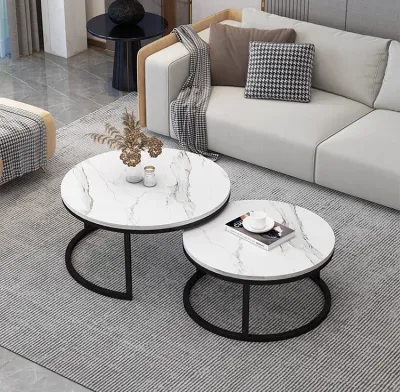
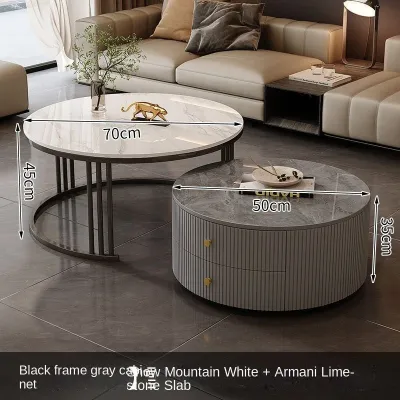
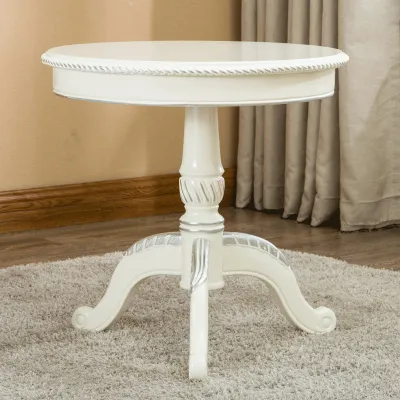
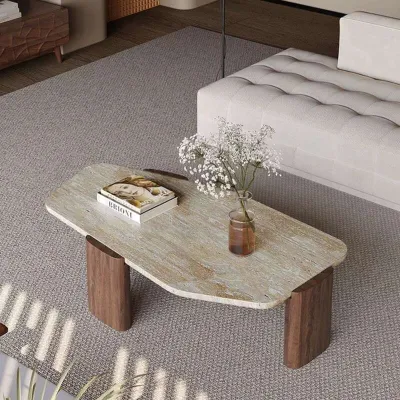
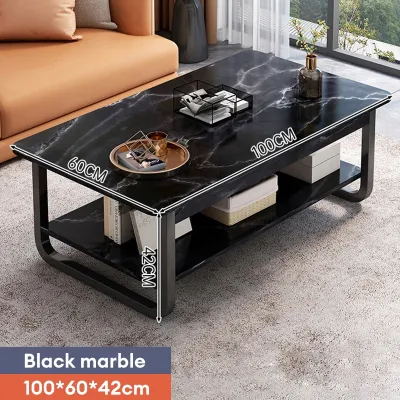
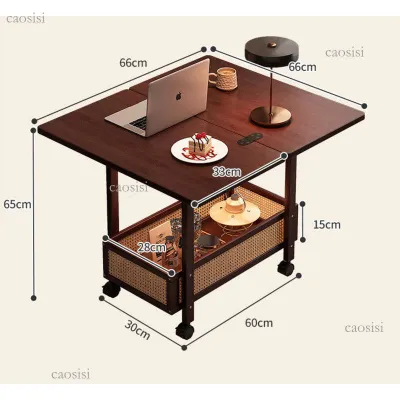
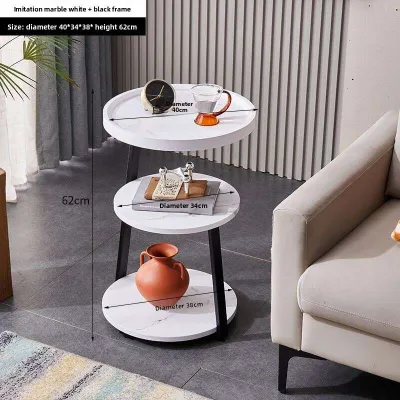
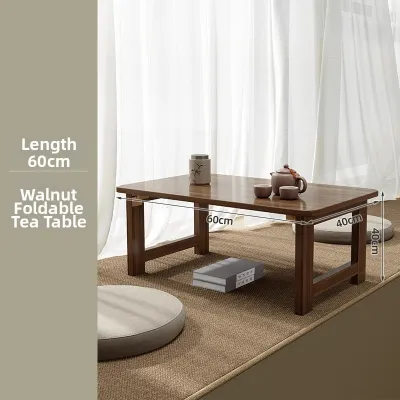
Prices are valid at publication and may change. Please refer to the product page for the latest price.
Japanese Minimalist Coffee Tables
Japanese minimalist coffee tables emphasize low profiles, grounded silhouettes, and a deep appreciation for natural imperfections. Often inspired by traditional floor-level living, these pieces sit much closer to the ground than standard Western designs. They frequently utilize rich, dark, or raw woods with visible grain patterns and organic edges, creating a tranquil, uncluttered focal point. The design philosophy encourages a sense of stillness, grounding the room and drawing the eye downward to create an illusion of higher ceilings.
Industrial Coffee Tables
Industrial coffee tables celebrate raw, utilitarian structures and robust mixed materials. This aesthetic typically pairs dark metal frames, such as matte black iron or steel, with solid or reclaimed wood tops that showcase natural wear and texture. Exposed hardware, visible rivets, and structural crossbeams are common design elements that highlight the table’s construction. These pieces offer a strong, commanding presence in a room, prioritizing durability and a bold, functional aesthetic.
Key Comparison Dimensions for Your Living Room
The physical and visual footprint of your coffee table significantly impacts how spacious your living room feels. In typical apartments where floor space is limited, managing visual weight is essential. Low-profile Japanese minimalist tables excel at opening up small rooms by keeping the sightlines clear and leaving ample vertical space above the tabletop. Conversely, heavy industrial pieces with thick wood tops and dark metal frames provide a strong visual anchor, which works well in larger, open-concept layouts but can make a compact room feel crowded. Scandinavian tables, with slender, tapered legs and light woods, offer a middle ground, allowing light to pass underneath to maintain an airy feel.

Material choices dictate how well the coffee table integrates with existing furniture. Scandinavian tables utilize light ash or oak, which pairs naturally with pastel upholstery, neutral rugs, and bright, sunlit interiors. Japanese minimalist designs often introduce rich walnut, charred wood finishes, or matte stone, adding organic depth that complements low-profile sofas and woven tatami-style mats. Industrial tables bring raw steel, distressed timber, and concrete textures into the mix, creating a sharp contrast against soft fabrics. Observe the dominant wood tones and metal finishes already present in your room to ensure the new piece complements rather than competes.
Different styles require distinct care routines to preserve their appearance. Light wood finishes, common in Scandinavian and Japanese designs, easily show dust, smudges, and liquid rings. Consult the manufacturer’s care label to verify the specific finish—such as polyurethane, lacquer, or oil—which dictates the cleaning method. Industrial tables with textured tops are more forgiving of minor scratches, but metal frames require periodic dusting to prevent grime buildup. Avoid assuming any material is heat-resistant or waterproof; rely on protective accessories and follow the manufacturer’s care guidelines.
Matching the Style to Your Existing Decor
A Scandinavian coffee table suits a living room featuring a neutral color palette, abundant natural light, and cozy, functional comfort. This style thrives in bright spaces dominated by whites, grays, and beige. If your sofa features light textured fabric like linen, a pale oak table will seamlessly enhance the warm atmosphere. It is excellent for households prioritizing a cheerful, family-friendly environment where furniture feels approachable.
Choose a Japanese minimalist table if you prefer a grounded, tranquil environment encouraging relaxation. This aesthetic is ideal for living rooms with low-profile seating, floor cushions, and organic textures. If your home features warm, earthy colors like terracotta or olive, a low-slung wooden table reinforces the serene vibe. It suits those who appreciate quiet, uncluttered spaces and enjoy casual, floor-level gatherings.
An industrial coffee table is the perfect match if your home incorporates exposed architectural elements, darker color schemes, or a preference for raw, edgy aesthetics. This style complements spaces with concrete screed floors, exposed brick walls, or track lighting. If your existing furniture includes leather sofas, dark metal shelving, or deep charcoal textiles, an industrial table will tie the room together beautifully. It is highly suited for urban loft-style apartments or anyone looking to add a touch of rugged, masculine character to their living space.
Before making a final decision, verify how your existing furniture pieces interact with one another. Many modern homes do not adhere strictly to a single design style but instead feature a curated mix. If you plan to introduce a new coffee table into a blended space, ensure the piece acts as a bridge rather than a visual disruption. For example, a Japanese minimalist table can harmonize with Scandinavian seating if they share similar clean lines and natural wood undertones, while an industrial table can be softened with a plush, neutral rug to sit comfortably alongside softer furniture styles.
Practical Buying and Placement Checks
Before purchasing any coffee table, you must measure your available floor space to ensure comfortable movement. A standard rule of thumb is to leave a clearance of approximately 30cm to 45cm between the edge of the coffee table and the front of your sofa. This provides enough legroom while keeping the tabletop within easy reach. Additionally, ensure there is at least 60cm to 75cm of clear walkway space between the table and other major furniture pieces, such as a TV console or armchair, to prevent traffic bottlenecks in your living room.
In Singapore, navigating tight corridors, passenger lifts, and narrow doorways is a common challenge during furniture delivery. Always check the finished dimensions of the coffee table—including its packaged box dimensions—against your building’s access routes. Measure the height and width of your apartment’s main entrance, as well as the internal dimensions of your estate’s elevator. If you live in a walk-up apartment, verify the clearance of the stairwell turns to ensure the delivery team can safely transport the piece to your unit without damage.
Review the manufacturer’s specified weight capacity and structural stability, particularly if your household includes active children or pets. Coffee tables with a high center of gravity or delicate, spindly legs may pose a tip-over hazard if leaned on or bumped. For homes with young children, a sturdy, low-profile Japanese table or a heavy, broad-based industrial table offers greater stability. Additionally, check if the table has rounded corners or soft edges to minimize the risk of accidental bumps and bruises in high-traffic areas.
Confirm the assembly requirements of the coffee table before finalizing your order. Some minimalist designs feature intricate joinery that requires precise alignment, while heavy industrial tables may involve complex metal-to-wood fastening. Determine whether the retailer provides professional installation services upon delivery, or if you will need to assemble the piece yourself using basic household tools. For heavy stone, solid timber, or metal-framed tables, professional assembly is highly recommended to ensure the joints are securely fastened and the structural integrity is fully verified.
Frequently Asked Questions (FAQ)
Can I mix an industrial coffee table with Scandinavian furniture?
Yes, you can successfully mix these styles by balancing their visual weights and using transitional elements to bridge the gap. To prevent the industrial table from feeling too harsh against soft Scandinavian furniture, place a plush, neutral-colored rug underneath to soften the transition. Maintain a cohesive color palette across both styles—such as pairing the black metal of the industrial table with black metal accents in your lighting fixtures or picture frames—to create a unified, intentional look.
Are low-profile Japanese coffee tables practical for everyday use?
Low-profile Japanese coffee tables are highly practical if your lifestyle accommodates floor-level living or low-slung seating. They work exceptionally well when paired with low sofas, floor cushions, or tatami mats, making them ideal for casual dining, tea, or working on a laptop. However, they can be less convenient if you have standard-height sofas, as reaching down to the table requires more effort. They may also pose ergonomic challenges for users with mobility issues or those who prefer a traditional upright seating posture.
How do I protect light wood finishes from daily wear?
To protect light wood finishes on Scandinavian or Japanese coffee tables, always follow the specific care and cleaning instructions provided by the manufacturer. Because light woods can easily stain or discolor, use coasters, placemats, and trivets as a universal preventive measure against hot mugs, condensation, and spills. Clean the surface regularly with a soft, dry, or slightly damp microfiber cloth, avoiding harsh chemical cleaners or abrasive pads that can strip away the protective sealant or lacquer finish.
Community discussion
Share your experience or ask a question. Comments are reviewed before publication.