
Finding the perfect seating for your kitchen island or home bar involves balancing physical comfort with visual harmony. The right high stool with backrest does more than provide a place to sit; it anchors your dining zone and bridges the gap between functional kitchen workspaces and relaxed living areas. Choosing between Scandinavian, industrial, and modern minimalist styles requires looking closely at your current home architecture, cabinetry finishes, and daily habits.
To make a choice that looks intentional and performs well over years of daily use, you must evaluate how different design elements interact with your space. Each style brings distinct materials, silhouettes, and maintenance requirements to your interior. By understanding these design languages and matching them to your existing decor, you can select a high stool that elevates both the look and the utility of your home.
How to Identify Your Current Interior Aesthetic
Before browsing furniture catalogs or visiting showrooms, take an objective look at your existing space. Note the dominant architectural elements of your home. Are you working with the clean white walls and light vinyl flooring typical of modern flats, or does your space feature dark cabinetry, exposed pipework, or warm wooden parquet? A quick visual checklist of these dominant features will help you establish a clear design baseline.
Products mentioned in this guide
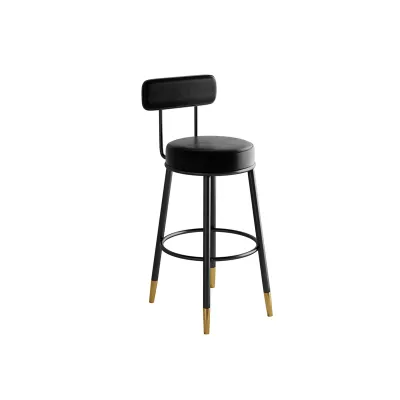
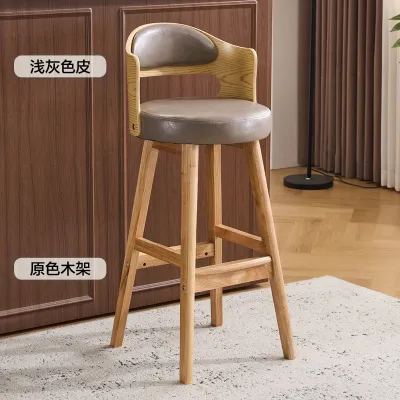
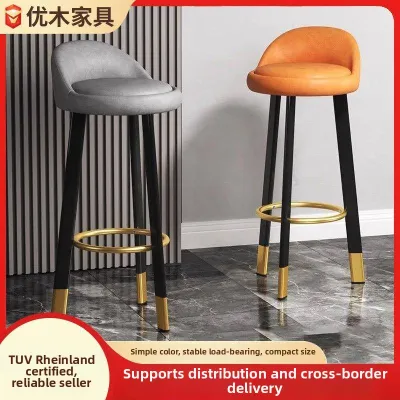
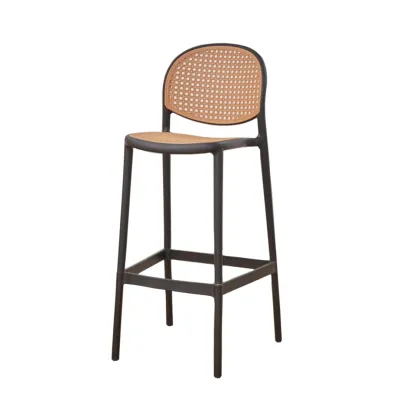
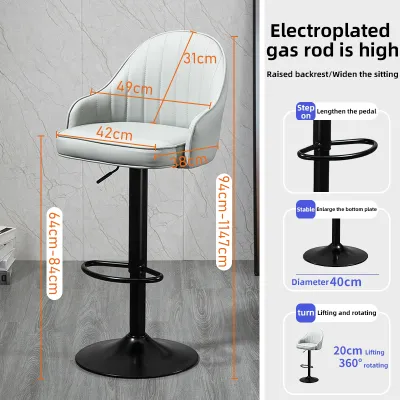
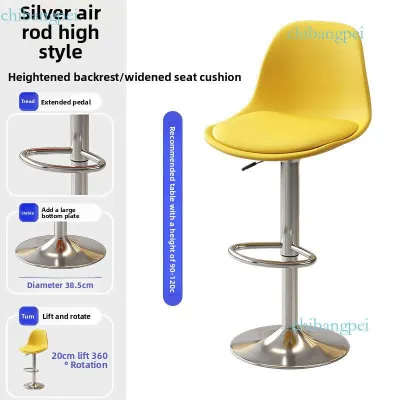
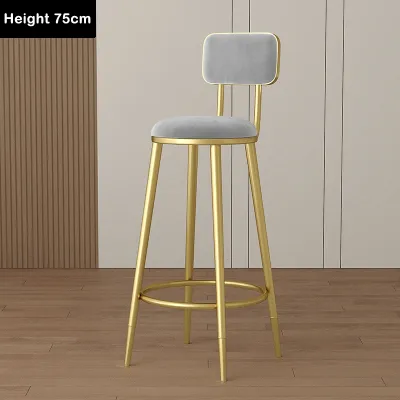
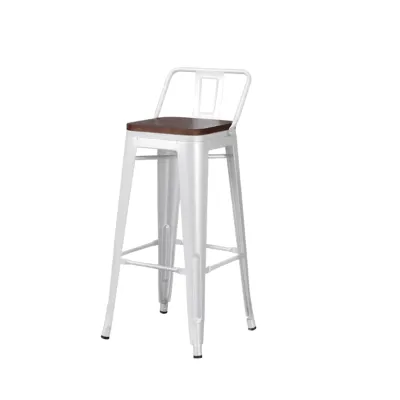
Prices are valid at publication and may change. Please refer to the product page for the latest price.
Next, assess the existing color palette, cabinet finishes, and flooring in your kitchen or dining area. Look at the undertones of your countertops and cabinetry. For instance, cool grey marble counters and handleless white cabinets demand a different stool design than warm granite paired with shaker-style wooden cabinets. Matching the undertones of these permanent fixtures prevents your new seating from looking like an afterthought.
Understanding the visual weight and material textures of your existing furniture is crucial when introducing a high stool with backrest. Visual weight refers to how heavy an object looks; a stool with thick, dark wooden legs has high visual weight, while a stool with a slim metal wireframe has low visual weight. If your kitchen island is already a massive, solid block, choosing stools with lighter profiles can keep the room from feeling overcrowded.
To ensure a seamless match, take photos of your space in natural daylight. Lighting in retail showrooms or online product listings can be highly deceptive. Having clear, natural-light reference photos of your actual kitchen on your phone allows you to make accurate color and texture comparisons when shopping online or in-store.
Scandinavian Style: Light Woods, Clean Lines, and Cozy Textures
Scandinavian design is defined by its focus on simplicity, functionality, and a deep connection to nature. High stools in this category are characterized by light-toned woods such as ash, oak, and beech. These pieces often feature curved plywood seats and backrests that showcase natural wood grains, sometimes paired with woven paper cord or neutral fabric upholstery in shades of beige, cream, or soft grey.

When looking at the backrest of a Scandinavian stool, you will typically find ergonomic curves and low-profile designs. These backrests are engineered to support the natural curve of your spine while remaining low enough to sit flush with or just slightly above your counter height. This low profile maintains an airy, uncluttered feel across your kitchen, allowing light to pass through the room unimpeded.
This style is an exceptional fit for bright, white-dominant kitchens, as well as HDB and condominium spaces aiming for a warm, inviting atmosphere. The natural warmth of light wood helps soften the hard, cold surfaces of kitchen appliances and stone countertops. It creates a cozy, communal vibe that encourages family members and guests to linger around the island.
To preserve this aesthetic, avoid stools that feature heavy, ornate detailing, dark stains, or high-gloss synthetic finishes. These elements clash with the organic, understated nature of Nordic design. Look instead for matte finishes and clean joinery that highlight the craftsmanship of the piece rather than distracting from it.
Because natural wood is sensitive to environmental changes, always check product labels for wood treatment and care instructions. Untreated or poorly sealed woods are highly susceptible to water stains and grease marks in a busy kitchen environment. Regular maintenance with manufacturer-approved wood cleaners or oils will keep the timber protected and looking its best.
Industrial Style: Raw Metals, Dark Tones, and Utilitarian Forms
Industrial design celebrates raw, unfinished materials and utilitarian structures. High stools in this style are instantly recognizable by their matte black or brushed steel frames, distressed leather upholstery, and reclaimed wood seats. Visible hardware, such as exposed rivets, bolts, and weld marks, is embraced as a key design feature rather than hidden away.
Backrests on industrial stools tend to be highly structured and functional. You will often see metal wireframes, low horizontal grab bars, or saddle-style leather backs suspended between steel supports. These designs prioritize durability and strength, offering a rugged, architectural look that adds immediate character to any dining space.
This style fits naturally in open-concept loft layouts or homes featuring exposed concrete, brick walls, and dark cabinetry. If your kitchen has black fixtures, concrete-look quartz countertops, or track lighting, industrial stools will tie these elements together beautifully. They provide a strong visual anchor that complements the bold, urban character of the space.
Living in a tropical climate requires special attention to material care. Before purchasing, check the manufacturer’s care instructions for untreated metals or distressed leather. High humidity can cause unprotected iron frames to rust and natural leather to develop mold. Choosing powder-coated steel frames and treated, moisture-resistant leathers will ensure your stools remain pristine.
Additionally, consider the physical weight of these stools. Industrial designs featuring solid iron frames or heavy timber seats can be quite heavy. If you need to move your stools frequently for floor cleaning or to accommodate flexible seating arrangements, look for designs that incorporate hollow steel tubing to reduce weight without sacrificing stability.
Modern Minimalist Style: Sleek Profiles and Monochromatic Palettes
Modern minimalism focuses on the philosophy of subtraction, prioritizing form, function, and the elimination of visual clutter. High stools in this category feature seamless molded plastics, powder-coated metal frames, and monochromatic color schemes dominated by black, white, and grey. Joints are typically concealed, creating a unified, sculptural appearance.
Minimalist backrests often feature continuous, fluid lines that transition seamlessly from the seat to the back. These ultra-thin profiles are designed to disappear visually when tucked under the counter. They are frequently made from unupholstered, smooth surfaces, which not only look incredibly sleek but also make daily maintenance exceptionally straightforward.
This style is the perfect match for sleek, handleless kitchens, integrated island counters, and contemporary spaces that prioritize clean sightlines. If your home design focuses on hidden storage and flat surfaces, minimalist stools will preserve that sense of calm and order. They allow the architecture of your kitchen to remain the primary focus.
From a practical standpoint, the smooth, non-porous materials used in minimalist stools are incredibly easy to clean. Spills, grease, and food crumbs can be wiped away with a damp microfiber cloth in seconds, making them highly practical for busy cooking zones where quick cleanup is a priority.
However, because these stools rely on pristine surfaces for their aesthetic appeal, scratches and scuffs can quickly ruin their look. Before buying, verify any scratch-resistance claims by checking the manufacturer’s material specifications. Look for high-density polymers or scratch-resistant powder coatings rather than relying solely on generic marketing descriptions.
Cross-Style Compatibility: Choosing a Versatile High Stool
Many modern homes do not fit neatly into a single design category. In open-plan layouts where the kitchen, dining, and living areas merge, you might find a Scandinavian dining table sitting just meters away from an industrial-leaning kitchen island. In these transitional spaces, choosing a versatile, cross-style stool can help unify the entire floor plan.
To bridge different styles, look for stools that combine materials from different design movements. For example, a stool featuring a light oak seat supported by a slim, matte black metal frame beautifully bridges the gap between Scandinavian warmth and industrial edge. This combination allows the stool to coordinate with both light wood dining furniture and black kitchen fixtures.
Choosing neutral upholstery is another effective way to ensure cross-style compatibility. Fabrics in mid-grey, beige, or charcoal can blend seamlessly with almost any color palette. These muted tones allow the stool to sit quietly in the space, serving as a functional seating option without competing with more dominant design features in the room.
Using a consistent set of stools is an excellent way to anchor your kitchen island as a distinct zone. Even if your living room features highly textured fabrics or eclectic decor, a uniform row of simple stools at the counter provides a sense of structure and visual order. This consistency prevents the open-plan space from looking chaotic.
If your surrounding decor is already highly textured, patterned, or colorful, prioritize simple, unornamented silhouettes. A stool with clean lines and a solid color will act as a visual resting point, balancing the busier elements of your interior design and ensuring the overall space feels cohesive and balanced.
Practical Fit, Sizing, and Safety Checks Before You Buy
While finding the right style is essential, your high stools must also fit your physical environment and meet your household’s safety needs. Taking precise measurements and checking safety specifications before making a purchase will save you from the hassle of returns and ensure your seating is comfortable for daily use.
Height Verification
Before purchasing, measure the distance from your floor to the underside of your counter. To sit comfortably, you need approximately 25 to 30 cm of clearance between the stool’s seat cushion and the underside of the counter. This gap provides ample legroom and allows you to cross your legs comfortably without hitting the counter structure.
Space Planning
To prevent your kitchen island from feeling cramped, calculate the width required for each stool. As a general rule, allow about 60 cm of counter width per stool. This spacing provides enough elbow room for dining and ensures that users can stand up and sit down easily without bumping into adjacent seats.
Backrest Clearance
Pay close attention to how the backrest interacts with your kitchen counter. Check whether the backrest height will prevent the stool from being tucked fully under the counter overhang when not in use. Additionally, ensure the backrests do not block access to under-counter storage cabinets or interfere with low-hanging pendant lights.
Stability and Safety
Evaluate the physical stability of the stool, especially if you have young children or elderly family members at home. Look for stools with a wide, stable base footprint and a low center of gravity. Check the manufacturer’s weight capacity labels and ensure the legs are fitted with high-quality, anti-slip foot pads to protect your flooring from scratches.
Assembly and Access
Finally, check the packaged dimensions of the stools before ordering. Ensure the delivery boxes can easily fit through your apartment’s doorways, stairwells, and lifts. If the stools require assembly, verify whether all necessary tools and clear instructions are included in the package, or check if the retailer offers professional assembly services upon delivery.
Frequently Asked Questions (FAQ)
Can I mix different stool styles around the same kitchen island?
Yes, you can mix different stool styles, provided they share at least one unifying element to tie them together. This common thread could be the exact same seat height, a matching frame finish, or materials from the same color family. To maintain a balanced look, avoid pairing stools with drastically different visual weights, such as placing a bulky, solid wood industrial stool directly next to a delicate, thin-framed minimalist one.
How do I clean fabric backrests in a high-humidity environment?
To maintain fabric backrests in humid climates, vacuum them weekly using an upholstery attachment to remove dust and prevent moisture from settling into the fibers. Always check the manufacturer’s cleaning code (W for water-based cleaners, S for solvents, or WS for both) before attempting to spot-clean spills. If your dining area is prone to high humidity, running a dehumidifier periodically can help prevent mold and mildew from developing on fabric surfaces.
What is the standard height difference between a counter stool and a bar stool?
Counter stools generally feature a seat height of 60 to 65 cm and are designed to pair with standard residential kitchen counters that stand around 90 cm high. Bar stools are taller, featuring a seat height of 75 to 80 cm, and are built for elevated commercial-style bars or raised home counters that stand around 105 cm high. Always measure your specific counter height rather than relying on generic product labels to ensure a proper fit.
Community discussion
Share your experience or ask a question. Comments are reviewed before publication.