
Selecting a super single bed frame with storage for a child’s bedroom requires balancing space-saving utility with rigorous safety standards. Because children interact with furniture dynamically—often climbing, jumping, or playing near storage compartments—standard adult bed frames may not offer the necessary safeguards. A child-safe super single storage bed must feature robust structural stability, secure mechanical components, and certified non-toxic materials to prevent accidents such as entrapment, pinching, or tip-overs.
When shopping in Singapore, where compact apartments and HDB flats make storage beds highly practical, parents must look beyond aesthetics. A super single mattress, measuring approximately 107 cm by 190 cm, is wider and heavier than a standard single, which alters the frame’s weight distribution. Ensuring the frame complies with recognized safety standards and features child-friendly mechanical designs is essential for a safe sleeping and playing environment.
How to Verify Safety Certifications and Compliance Labels
To ensure a bed frame is safe for a child, start by verifying its compliance with international and local safety standards. For elevated storage beds, cabin beds, or mid-sleepers, look for compliance with the European standard EN 747 or the American ASTM F1427. These standards govern structural integrity, guardrail heights, and entrapment hazards, ensuring that the bed can withstand dynamic forces and prevent falls.
Products mentioned in this guide
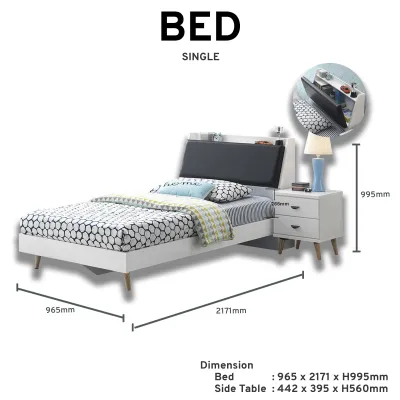
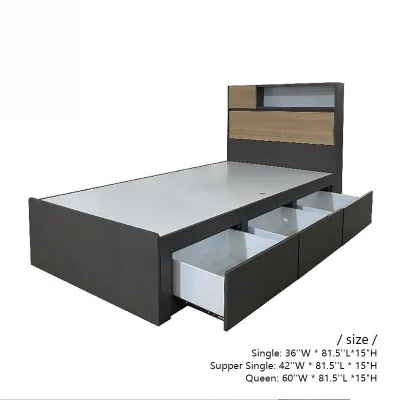

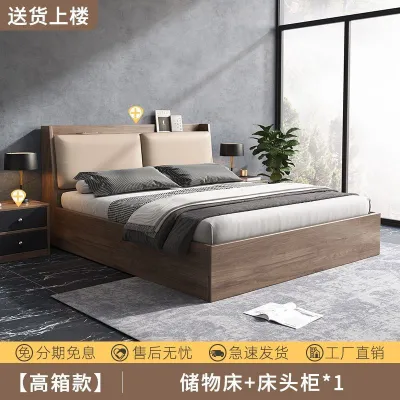
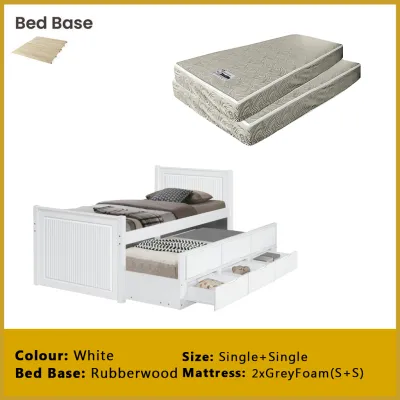
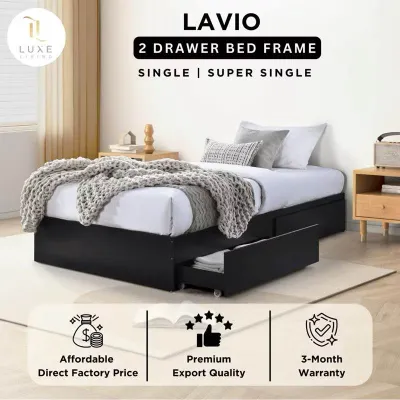
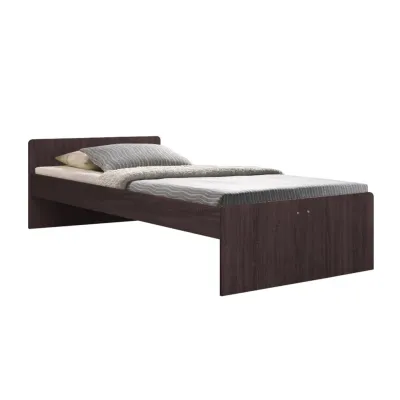

Prices are valid at publication and may change. Please refer to the product page for the latest price.
For floor-level storage beds, general children’s furniture standards such as ASTM F2057 for clothing storage units or EN 1725 for bed strength and safety are highly relevant. These frameworks test the stability of the frame, the strength of the joints, and the safety of moving parts under repeated use. When browsing product listings on online marketplaces or visiting local showrooms, look for physical labels or certificates indicating compliance with these standards.
In Singapore, consumer goods are subject to the Consumer Protection Safety Requirements administered by Enterprise Singapore. While general wooden bed frames may not require a mandatory safety mark like electrical appliances, reputable manufacturers voluntarily test their products against international safety benchmarks. Always check the manufacturer’s official website or product documentation for explicit mentions of these safety standards.
If a product listing uses vague marketing terms such as “child-safe,” “eco-friendly,” or “premium quality” without citing specific certifications, ask the seller for official test reports. Legitimate manufacturers can provide documentation from independent testing laboratories like TÜV, SGS, or Intertek. If a seller cannot or will not provide these verification documents, it is best to look for alternative options that offer transparent safety credentials.
Evaluating Mechanical Safety for Drawers and Lift-Up Bases
Storage beds typically utilize either pull-out drawers or hydraulic lift-up bases, both of which present unique mechanical risks for children. For drawer-based frames, ensure the tracks are equipped with built-in drawer stops. These safety mechanisms prevent a child from pulling a heavy drawer completely out of its slot, which could cause it to fall onto their feet or trap their hands.

Soft-close glides and anti-slam dampers are equally critical for drawer systems. These components slow down the drawer’s closing speed, preventing it from slamming shut on a child’s fingers. Additionally, check that the drawer handles are recessed or flush with the frame to eliminate protruding edges that could cause bruising or snag clothing during active play.
Hydraulic lift-up beds, which use gas struts to raise the mattress platform, require even greater scrutiny. The hydraulic arms must feature safety clearances and protective covers to prevent fingers from getting pinched in the scissor joints. Because the lifting mechanism operates under high pressure, the frame must have a reliable locking system to keep the platform securely open while accessing the storage compartment.
Ventilation is another vital safety consideration for enclosed storage bases, particularly in Singapore’s humid climate. Without adequate airflow, sealed storage compartments can trap moisture, leading to mold, mildew, and musty odors that compromise indoor air quality and trigger respiratory issues or allergies in children. Look for bed frames with ventilated baseboards, slatted mattress supports, or built-in air vents that promote continuous air circulation.
Checking Structural Stability and Fall Prevention Features
The structural stability of a super single bed frame is directly tied to its material quality and joint construction. Because a super single mattress is wider than a standard single, the frame must be engineered to distribute weight evenly, especially when drawers are fully extended or the lift-up base is raised. Look for frames constructed from solid hardwood or high-density engineered wood with reinforced metal-to-metal joints rather than simple wood screws.
If the storage bed is elevated—such as a mid-sleeper or a cabin bed with drawers underneath—guardrails are essential to prevent falls. The guardrail must extend at least 160 mm above the top of the mattress to ensure a rolling child cannot easily tumble over the edge. Always check the manufacturer’s recommended mattress thickness, as using a mattress that is too thick will compromise the effective height of the guardrail.
The spacing between guardrail slats or spindles must also be carefully measured to prevent head or limb entrapment. Safety standards dictate that these gaps should be less than 75 mm wide. Furthermore, the gap between the bottom of the guardrail and the top of the bed frame must be small enough to prevent a child’s body from slipping through.
For tall storage beds or frames with heavy drawers that extend far from the base, anti-tip anchoring is a non-negotiable safety feature. When multiple drawers are opened at once, or if a child climbs on an open drawer, the center of gravity shifts forward, risking a catastrophic tip-over. Ensure the bed frame comes with wall-mounting hardware or anti-tip kits, and verify that your bedroom walls can securely support these anchors.
Final Pre-Purchase Checks and Safe Installation Boundaries
Before finalizing your purchase, cross-reference the bed frame’s outer dimensions with your child’s bedroom layout. Ensure there is at least 80 cm of clear space around the bed to allow drawers to open fully and to provide a safe walking path. Measure your doorways, hallways, and lift dimensions to guarantee the delivery team can safely transport the frame components into your home without damaging the structure.
Review the manufacturer’s explicit age, weight, and usage restrictions for the specific bed model. Many storage beds, particularly those with elevated platforms or complex mechanical parts, are not recommended for children under six years of age. Adhering to these guidelines ensures the bed is appropriate for your child’s developmental stage and physical capabilities.
Finally, consider the complexity of the assembly process. While simple platform beds with basic drawers can often be assembled as a DIY project, frames with hydraulic lift mechanisms or integrated wall anchors demand professional installation. Improperly installed gas struts can fail unexpectedly, causing the heavy mattress platform to fall. Investing in professional assembly ensures that all safety mechanisms, hinges, and structural joints are correctly calibrated and secure.
Frequently Asked Questions (FAQ)
Are hydraulic lift-up beds safe for young children to operate?
No, hydraulic lift-up beds are not safe for young children to operate independently. Raising and lowering a heavy super single mattress requires significant physical strength and coordination, and a child could easily lose control of the platform. If the gas struts fail or are not properly calibrated for the mattress weight, the platform can drop suddenly, posing a severe risk of crushing or entrapment. If you choose a lift-up bed, ensure it features a manual safety lock or prop rod that prevents the bed from closing unexpectedly, and restrict access to the storage compartment to adults or older teenagers.
How often should I inspect the bed frame's hardware and moving parts?
You should conduct a thorough safety inspection of your child’s bed frame at least once every six months. Daily use, jumping, and shifting weight can cause screws, bolts, and brackets to loosen over time, compromising the bed’s structural integrity. Check all joints and tighten any loose hardware immediately. Inspect drawer tracks for smooth operation, ensure drawer stops are securely in place, and examine hydraulic struts for any signs of oil leaks or loss of tension. If you notice any cracked wood, bent metal brackets, or failing mechanical parts, restrict use of the bed until a professional repair or replacement can be made.
Community discussion
Share your experience or ask a question. Comments are reviewed before publication.