
When choosing a foldable bed frame for kids in Singapore, safety must be the primary consideration. A safe foldable bed frame must comply with recognized international safety standards such as European Standards (EN) or American Society for Testing and Materials (ASTM) standards, and align with Singapore’s Consumer Protection (Consumer Goods Safety Requirements) Regulations (CGSR). Because foldable mechanisms introduce unique risks like finger entrapment, sudden collapse, and structural instability, parents must look beyond generic marketing labels and verify specific physical safety features and certified test reports.
In Singapore’s compact living environments, such as Housing & Development Board (HDB) flats, space-saving furniture is highly practical. However, the moving parts, hinges, and locking mechanisms of a foldable bed frame pose physical hazards that static beds do not. Ensuring the product meets rigorous safety benchmarks is the only way to protect children from accidents during sleep, play, or bed adjustment.
Understanding Safety Certifications and Compliance in Singapore
In Singapore, consumer product safety is overseen by Enterprise Singapore (ESG). Under the Consumer Protection (Consumer Goods Safety Requirements) Regulations (CGSR), general consumer goods sold locally must comply with applicable international safety standards. For children’s furniture, there is no single mandatory “Singapore Safety Mark” like those found on household electrical appliances. Instead, the product must align with established regional or international safety frameworks to be deemed compliant under the CGSR.
Products mentioned in this guide
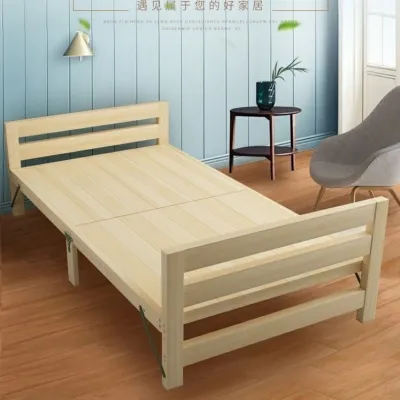
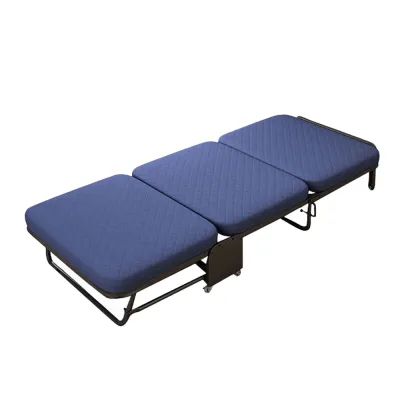
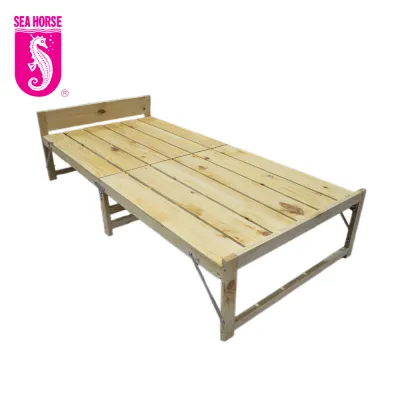
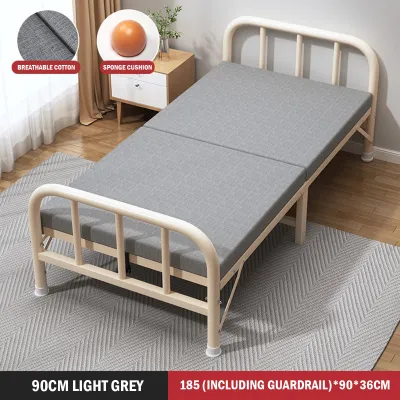
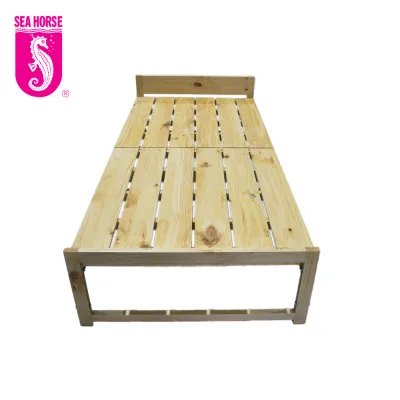
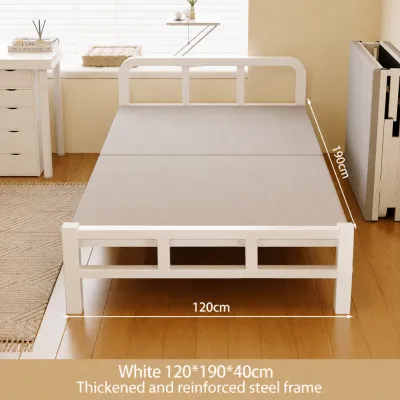
Prices are valid at publication and may change. Please refer to the product page for the latest price.
When evaluating a foldable bed frame, parents should look for specific, voluntary international standards that govern children’s furniture and folding mechanisms. The most relevant standards include:
- EN 716: This European standard specifies safety requirements and test methods for children's cots and folding cots for domestic use. It focuses on preventing entrapment, ensuring structural stability, and verifying that folding mechanisms do not collapse under a child's weight.
- EN 1725: This standard specifies safety requirements and test methods for all types of fully assembled domestic beds, including folding beds used by older children. It tests load capacity, durability, and structural strength.
- EN 747: If the foldable bed frame is part of an elevated bunk or loft system, it must meet EN 747. This standard dictates strict guardrail heights, ladder safety, and overall structural integrity under dynamic loads.
- ASTM F1821: The American Society for Testing and Materials standard for toddler beds, which specifically addresses hazards related to entrapment, structural integrity, and the safety of folding joints.
- ASTM F1427: The standard safety specification for bunk beds, crucial if the folding bed features any elevated sleeping platform.
To verify these safety claims, do not rely on generic logos, retail product descriptions, or phrases like “baby-safe” and “non-toxic” printed on e-commerce platforms. Instead, ask the retailer or manufacturer directly for a copy of the official test report issued by an accredited third-party testing laboratory, such as TÜV SÜD, SGS, Intertek, or UL. A legitimate test report will explicitly state the product’s model number, the specific safety standards tested against, and a clear “Pass” result.
Never assume a product is safe simply because of its price, brand reputation, or presence on major online marketplaces. Many platforms host third-party sellers who may import products that have not undergone rigorous safety testing. Documented compliance with international standards is the only reliable proof of a bed frame’s safety.
Essential Physical Safety Checks for Foldable Mechanisms and Structure
When official certification documents are unavailable, unclear, or if you want an extra layer of verification, you must perform physical safety checks. Inspecting the bed frame’s design and mechanical parts can help identify potential hazards before the bed enters your child’s room.

Folding Mechanisms and Pinch Points
Folding joints and moving parts are the most critical areas to inspect on any foldable bed frame. These components must be designed to prevent finger entrapment, crushing injuries, or accidental collapse.
- Automatic Locking Pins and Latches: A safe foldable bed frame must feature an automatic lock, such as a spring-loaded locking pin or a gravity-activated latch. This mechanism must engage automatically when the bed is fully opened, preventing the frame from folding back up if it is bumped, shifted, or jumped on.
- Secondary Safety Latches: High-quality foldable beds often include a secondary safety latch. This requires a separate, manual action to disengage, ensuring that even if the primary lock is accidentally released, the bed will not collapse.
- Pinch Point Clearances: Inspect the gaps around hinges and folding joints. Under safety guidelines, these gaps should either be smaller than 5mm (to prevent a child's finger from entering) or larger than 12mm (so that if a finger does enter, it will not be pinched or crushed during movement).
- Smooth Operation: Test the folding and unfolding action yourself without your child nearby. The mechanism should operate smoothly without requiring jerky, excessive force. If the frame sticks or requires violent pulling, it increases the risk of sudden slips, structural damage, or hand injuries.
Guardrails, Gaps, and Entrapment Risks
Entrapment and fall hazards are major risks associated with children’s beds. Proper dimensions and spacing are essential to prevent serious injuries.
- Guardrail Height: If the foldable bed frame is elevated or designed for younger children, guardrails are essential. The top of the guardrail must extend at least 160mm above the top surface of the mattress. Always measure this with the actual mattress installed, as an overly thick mattress can dangerously reduce the effective height of the guardrail.
- Slat Spacing: Measure the distance between individual support slats on the bed base. Slat spacing must be strictly controlled, ideally between 50mm and 60mm. If the gaps are wider than 60mm, a child's head, limbs, or torso could slip through, posing a severe entrapment or strangulation hazard.
- Perimeter Gaps: When the bed is fully deployed, examine the space between the mattress and the frame sides, as well as the gap between the bed frame and the wall. There should be no gap wider than 25mm. Large gaps can trap a child's limbs or head, particularly if they roll over during sleep.
Stability and Tip-Over Prevention
Because foldable bed frames are engineered to be lightweight for easy transport and storage, their center of gravity can shift easily, making stability a primary concern.
- Base Width and Leg Placement: Evaluate the footprint of the bed when fully unfolded. The legs should be positioned at the absolute outer corners of the frame, or flare slightly outward, to provide a wide and stable base. Avoid designs where the legs are recessed far beneath the sleeping platform, as this makes the bed prone to tipping if a child sits on the edge.
- Leg Locking Mechanisms: Ensure that the legs themselves lock securely into place when unfolded. If the legs rely solely on friction or gravity, they can easily fold inward if the bed is pushed laterally across the floor.
- Anti-Tip Wall Anchors: For wall-mounted folding beds (such as Murphy beds or cabinet beds), secure wall anchoring is non-negotiable. In Singapore, HDB walls may consist of solid concrete or internal drywall partition walls. Concrete walls require heavy-duty masonry anchors, while drywall partition walls require specialized toggle bolts or anchoring directly into structural wall studs. Never rely on standard plastic wall plugs for a folding bed frame.
- Stability Test: Before allowing your child to use the bed, perform a simple stability check. Apply firm downward pressure on all four corners and the sides of the fully deployed frame. Gently push the frame from side to side. It should not wobble, sway, or lift off the floor.
Safe Setup, Usage Boundaries, and Weight Limits
Establishing clear operational limits and correct usage conditions is essential to keep a foldable bed frame safe throughout its lifespan.
First, strictly adhere to the manufacturer’s stated maximum weight capacity, age limits, and height recommendations. Foldable frames are subjected to higher mechanical stress at their joints than standard static beds. Exceeding the weight limit can warp the metal components, weaken the welds, or cause the locking mechanisms to fail unexpectedly.
Second, match the mattress dimensions and weight to the frame’s specifications. A mattress that is too thick compromises the protective height of the guardrails, while a mattress that is too heavy can place constant, excessive strain on the folding hinges and springs. This strain accelerates metal fatigue, making the bed difficult to fold and prone to sudden collapse.
Third, establish a strict safety protocol during deployment. Always keep children completely out of the room or at a safe distance while the bed is being folded or unfolded. Never allow children to assist with setup or play near the frame while it is in transition, as their fingers can easily get caught in the folding joints.
Finally, plan the bed’s placement carefully within the bedroom. Position the foldable bed frame away from windows to prevent children from climbing onto the windowsill. Ensure it is clear of window blind cords, electrical outlets, heavy wall shelves, and ceiling fans. There must be adequate clearance around the bed so that it can be fully unfolded without striking other furniture, which could damage the locking parts.
Warning Signs and When to Retire the Foldable Bed
Over time, regular folding, unfolding, and daily use will cause wear and tear on the bed frame’s mechanical parts. Regular inspections are necessary to identify structural degradation before it leads to an accident.
Inspect the frame thoroughly at least once a month. Look for the following warning signs:
- Loose or Missing Hardware: Check for loosening screws, bolts, or rivets. Replace any missing hardware immediately with original parts from the manufacturer.
- Deformed Components: Look for bent metal brackets, cracked weld joints, or splintering wooden support slats. A bent bracket can prevent the locking pin from fully engaging.
- Worn Locking Pins: Inspect the spring-loaded locking pins or safety latches. If the springs have weakened or the pins do not snap firmly into place, the bed is no longer safe to use.
- Unusual Noises and Movement: Squeaking, grinding, or clicking noises during folding, or when weight is applied, indicate mechanical stress, misalignment, or metal fatigue. Increased wobble during use is an immediate red flag.
If you notice any of these warning signs, stop using the bed frame immediately. Check for product recalls or safety alerts issued by Enterprise Singapore or international consumer protection authorities.
If the bed frame fails any safety check or has damaged structural parts that cannot be repaired with original manufacturer parts, it must be retired. Do not sell, donate, or pass on a compromised foldable bed frame to another family. Disassemble the frame completely, bend the metal components if possible, and dispose of it responsibly to ensure it cannot be salvaged and reused in an unsafe condition.
Frequently Asked Questions (FAQ)
Are second-hand foldable bed frames safe for children?
Buying or accepting a second-hand foldable bed frame carries significant safety risks. Used frames may have missing hardware, worn hinges, weakened locking pins, or micro-fractures in the welds that are not easily visible. Furthermore, second-hand items rarely come with the original assembly instructions, safety warnings, or mattress specifications, and they may have been subject to an undisclosed product recall. Unless you can thoroughly verify the frame’s structural integrity, obtain the original manual, and confirm that no parts have been modified or lost, it is best to avoid second-hand foldable beds for children.
Does a foldable bed frame need a specific type of mattress for safety?
Yes, a foldable bed frame requires a mattress that matches the manufacturer’s specified dimensions, weight, and thickness exactly. A mattress that is too small creates dangerous entrapment gaps along the perimeter where a child’s limbs can get caught. Conversely, a mattress that exceeds the recommended thickness reduces the effective height of the safety guardrails, increasing the risk of falls. Additionally, an overly heavy mattress puts continuous stress on the folding hinges and tension springs, which can damage the locking mechanisms and lead to premature structural failure.
Community discussion
Share your experience or ask a question. Comments are reviewed before publication.