
When selecting a kids’ platform bed frame in Singapore, ensuring structural safety and material compliance is paramount to protecting your child from falls, entrapment, and exposure to harmful substances. While Singapore does not have a singular, mandatory local safety certification specifically for children’s domestic furniture, parents should look for compliance with recognized international standards such as European (EN) or American (ASTM) specifications. A safe platform bed must combine robust physical construction—including secure slat spacing and rounded edges—with reliable fall prevention mechanisms like sturdy guardrails. By understanding how to verify these standards and conduct hands-on physical checks, you can confidently choose a bed frame that fits your home’s layout and keeps your child secure.
Navigating the furniture market requires a balance between aesthetic appeal and rigorous safety verification. Children’s beds undergo significantly more stress than adult beds due to active play, jumping, and constant movement. Consequently, relying solely on visual appeal or price can lead to safety hazards. Taking the time to inspect certification labels, measure physical clearances, and understand the assembly requirements will ensure the bed remains a safe haven for years to come.
Understanding Regulatory and Certification Labels
When browsing local showrooms or online furniture retailers in Singapore, the first line of defense is identifying recognized international safety certifications. Because Singapore’s domestic furniture market imports products from various global regions, you will encounter different safety marks. The most common and reliable standards to look for are those established by ASTM International (such as ASTM F1821 for toddler beds) and the European Committee for Standardization (such as EN 1725 for domestic beds). These standards dictate rigorous testing for structural strength, stability, and chemical safety, ensuring that the materials used do not release harmful volatile organic compounds (VOCs) or contain heavy metals in their finishes.
Products mentioned in this guide
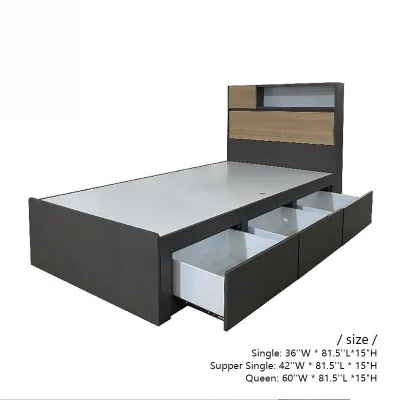
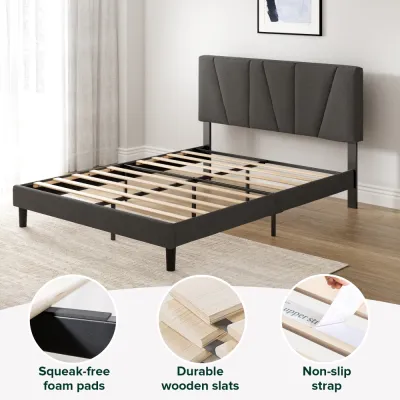
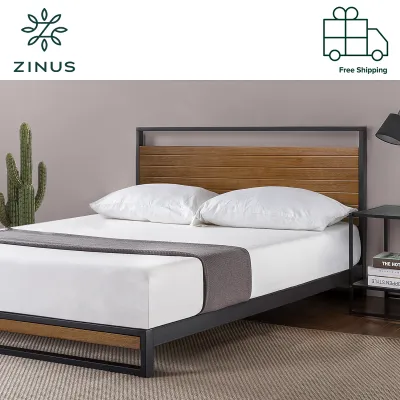

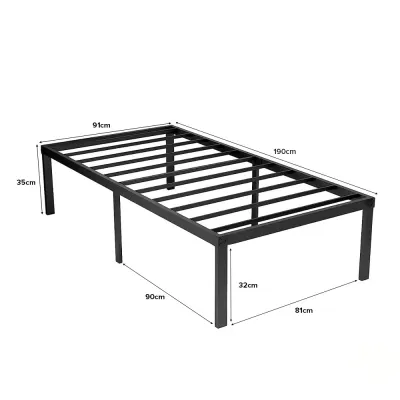
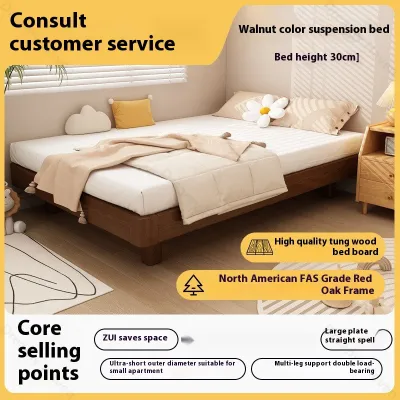

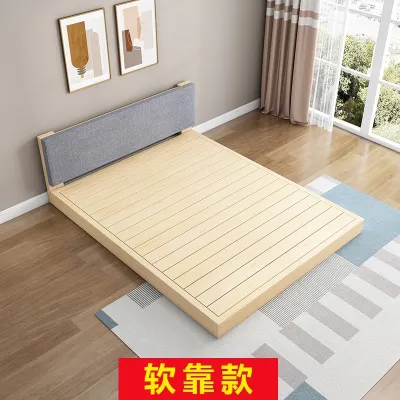
Prices are valid at publication and may change. Please refer to the product page for the latest price.
To verify these claims, do not rely solely on product descriptions on online marketplaces. Instead, request the manufacturer’s declaration of conformity or look for physical testing marks on the product tags, packaging, or the assembly manual. A reputable manufacturer will clearly state the recommended age range and maximum weight capacity for the bed frame. These guidelines are calculated based on the structural limits of the joints, slats, and support legs under both static and dynamic loads.
In Singapore, consumer product safety is overseen by Enterprise Singapore under the Consumer Protection (Consumer Goods Safety Requirements) Regulations (CGSR). While general household furniture is not classified as a “controlled good” that requires a mandatory SAFETY Mark before sale, it must still comply with the CGSR’s safety requirements. This means the product must not pose any significant risk of injury or health hazards under normal or foreseeable conditions of use. If a retailer cannot provide documentation or clear safety guidelines for a children’s bed frame, it is safer to look for alternative options that offer transparent compliance records.
Essential Physical Safety Checks for Platform Beds
When visiting a showroom or inspecting a newly delivered bed frame, conducting a hands-on physical evaluation is crucial, especially if formal certification documents are difficult to obtain. Start by examining the mattress foundation, which in platform beds typically consists of wooden or metal slats. Measure the gaps between these slats to ensure they align with standard safety recommendations. Excessive gaps can cause the mattress to sag, creating uneven support, while also presenting a risk where a child’s limb could slip through and become trapped.

Next, evaluate the overall stability of the bed frame. Children frequently use their beds for activities beyond sleeping, making resistance to tipping a critical safety factor. Apply firm downward and lateral pressure to the corners and sides of the frame to check for any swaying, wobbling, or shifting. If the bed frame feels light or unstable, verify if the manufacturer recommends anchoring it to the wall, particularly for elevated platform designs or beds with integrated storage headboards.
In Singapore’s unique housing landscape, where many families reside in high-rise HDB flats or condominiums, delivery and installation logistics play a major role in product safety. Before finalizing your purchase, measure your home’s doorway clearances, lift dimensions, and hallway turns to ensure the bed components can be safely transported to the bedroom. A frame that is forced through tight spaces during delivery can suffer hairline fractures or joint damage before it is even assembled, compromising its long-term structural integrity.
Finally, run your hands along all exposed surfaces of the bed frame. Check for sharp edges, rough wood grain that could cause splinters, and exposed hardware such as screws, bolts, or brackets. All corners should be rounded or chamfered to minimize the impact of accidental bumps. Any metal fasteners must be recessed or covered with smooth plastic caps to prevent them from catching on your child’s clothing or scratching their skin during play.
Evaluating Guardrails and Fall Prevention Features
For younger children transitioning from a crib to a platform bed, guardrails are an indispensable safety feature. The primary function of a guardrail is to prevent accidental roll-offs during sleep, but its effectiveness depends heavily on its height relative to the mattress. When evaluating a bed frame, check the manufacturer’s specifications regarding the maximum recommended mattress thickness. If you install a mattress that is too thick, the effective height of the guardrail is compromised, leaving insufficient clearance to keep your child secure.
The structural rigidity of the guardrails is just as important as their height. Shake the guardrails firmly to ensure they do not flex or bend under pressure. They should be securely bolted directly to the main bed frame rather than relying on simple friction clamps or light plastic brackets. Any gaps between the guardrail and the mattress, or between the guardrail and the headboard, must be checked carefully; these gaps should be narrow enough to prevent a child’s head or torso from slipping through, which could lead to dangerous entrapment.
If the platform bed features an elevated design, such as a mid-sleeper or a loft bed with play space underneath, pay close attention to the access steps or ladder. The rungs should be wide, flat, and slip-resistant to provide secure footing for small feet. Avoid ladders with narrow, round metal rungs, which can be slippery and painful to climb. Ensure the ladder is rigidly attached to the bed frame and does not wobble or slide when weight is applied.
Assembly, Maintenance, and When to Stop Using
Proper assembly is the foundation of furniture safety. Always follow the manufacturer’s exact step-by-step instructions and use only the hardware provided in the packaging. Substituting missing screws with random hardware from a local DIY shop can compromise the joint strength, as the thread pitch, length, or material grade may not match the manufacturer’s engineering specifications. If you find any parts missing or damaged upon unboxing, contact the retailer immediately for official replacements rather than attempting to improvise.
Singapore’s tropical, high-humidity climate can affect furniture materials over time. Wood naturally absorbs and releases moisture, which can cause minor expansion and contraction, potentially loosening joint fasteners. Metal components may also be susceptible to oxidation if the protective finish is scratched. Establish a routine maintenance schedule every few months to inspect the bed frame. Tighten any loose bolts, check the wooden slats for signs of warping or cracking, and listen for any squeaking sounds when weight is applied, which often indicates friction and loose joints.
Knowing when to retire or repair a bed frame is critical to preventing accidents. If you observe structural failures such as deep cracks in the main support rails, severely bent metal brackets, or broken slats, discontinue use immediately. Do not attempt temporary fixes with wood glue, tape, or brackets that are not approved by the manufacturer. If the bed frame exhibits persistent wobbling that cannot be resolved by tightening the hardware, it may have suffered internal joint wear, and you should consult a professional furniture repair specialist or replace the frame entirely to ensure your child’s safety.
Frequently Asked Questions (FAQ)
Are specific safety certifications legally mandatory for kids' beds in Singapore?
No, there is no specific local law that mandates a unique Singaporean safety certification for children’s domestic bed frames. Instead, the market relies on the Consumer Protection (Consumer Goods Safety Requirements) Regulations (CGSR) enforced by Enterprise Singapore, which requires all consumer goods to be safe for their intended use. Reputable brands voluntarily test their products against established international standards like ASTM or EN. When shopping, look for these international marks and prioritize retailers that offer clear product warranties and transparent manufacturing details as practical benchmarks for safety.
How does mattress thickness affect guardrail safety on a platform bed?
Mattress thickness directly impacts the protective height of the guardrails. Guardrails require a minimum clearance height above the top of the mattress to effectively prevent a child from rolling out of bed. If you pair a platform bed with an excessively thick mattress, you reduce this safety margin, rendering the guardrail ineffective. Always check the bed frame manufacturer’s specifications for the maximum recommended mattress height—investing in a mattress that fits these limits is essential to maintaining the intended safety barriers.
Community discussion
Share your experience or ask a question. Comments are reviewed before publication.