
When selecting a wooden single bed frame for a child in Singapore, safety must be the primary consideration. While aesthetic appeal and space-saving designs often catch the eye, the structural integrity and chemical safety of the bed frame directly impact your child’s well-being. Navigating the market requires a clear understanding of international safety standards, material certifications, and physical design requirements.
Because children’s furniture is subject to rigorous use, relying solely on marketing claims is never sufficient. Parents must learn how to actively verify safety compliance, inspect physical components for potential hazards, and maintain the bed frame over time. This guide outlines the essential safety standards, physical inspection checklists, and maintenance practices to ensure a secure sleeping environment for your child.
Understanding Safety Standards and Compliance Verification
When shopping for a wooden single bed frame, you will often encounter terms like “child-safe,” “non-toxic,” or “certified sturdy.” To ensure these claims are valid, you should ask retailers for proof of compliance with recognized international safety standards. For standard domestic beds, BS EN 1725 is a widely respected European standard that specifies safety requirements and test methods for adult and children’s beds. If you are considering an elevated or bunk bed design, the frame should meet the more stringent EN 747 or ASTM F1427 standards, which govern strength, durability, and entrapment prevention.
Products mentioned in this guide
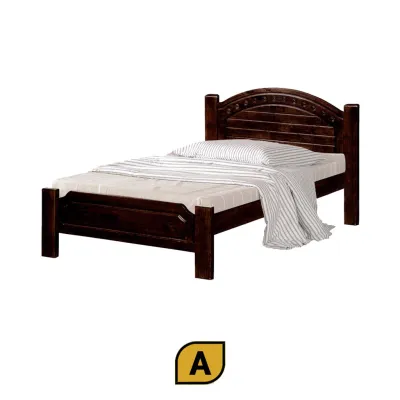
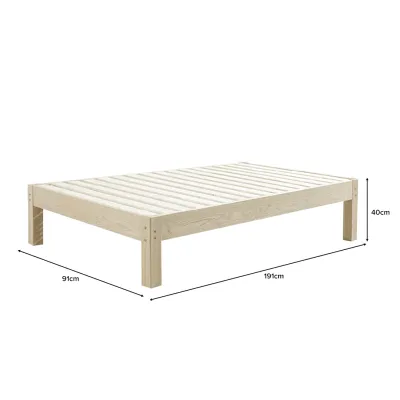

![[FREE INSTALLATION] KENZZO: Wooden single bed frame with headboard/ super single bed frame/Pull out bed/storage bed](https://img.lazcdn.com/g/p/6b17ef488a1c7170cd309d76ce51fe13.jpg_400x400q80.jpg_.webp)
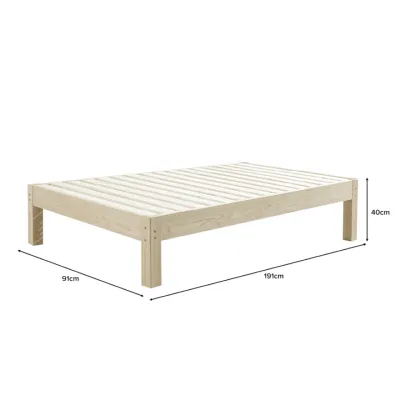

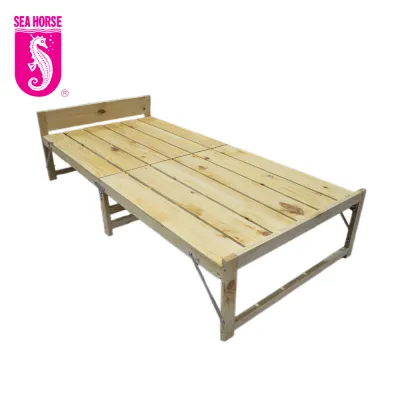
Prices are valid at publication and may change. Please refer to the product page for the latest price.
Requesting a copy of the manufacturer’s third-party test report is the most reliable way to verify safety claims. Legitimate manufacturers test their products through accredited independent laboratories such as TÜV, SGS, or Intertek. When reviewing these reports, verify that the document is recent, clearly lists the specific model of the bed frame you plan to purchase, and confirms that the product passed all structural and chemical safety tests.
Chemical safety is another critical aspect of a wooden single bed frame. Wooden frames are typically treated with paints, varnishes, or lacquers to protect the timber from moisture and wear. However, these finishes can release volatile organic compounds (VOCs) or contain harmful heavy metals. Look for finishes certified under EN 71-3, which is the European standard restricting the migration of certain chemical elements in children’s products, or look for low-VOC certifications such as GreenGuard Gold.
In Singapore, general consumer goods must comply with the safety guidelines managed by Enterprise Singapore. While standard bed frames do not carry a specific consumer safety mark like electrical appliances do, they are still subject to the Consumer Protection (Safety Requirements) Regulations. This means products sold must not pose any foreseeable risk of injury under normal use. If a retailer cannot provide clear documentation or is vague about which standards their products meet, it is best to look for alternative options.
Essential Physical Safety Checks for Wooden Bed Frames
Even with official certifications, performing a physical inspection of the bed frame in a showroom or immediately after home assembly is highly recommended. The first critical area to evaluate is the spacing of the guardrails and support slats. If the bed frame features safety rails, the gap between the individual spindles or between the rail and the mattress base must be carefully measured. To prevent head, neck, or limb entrapment, these gaps should consistently measure between 60mm and 75mm.

The mattress support slats require a similar level of scrutiny. Slats must be spaced closely enough to prevent the mattress from sagging, which can create uneven sleeping surfaces and dangerous gaps. A general guideline is to ensure the gap between individual wooden slats does not exceed 75mm. Additionally, check that the slats are securely fastened to the side rails of the frame so they cannot slide or shift during use.
Inspect the quality of the wood and the overall finish of the frame. Run your hands along all exposed surfaces, corners, and edges to check for splinters, rough patches, or sharp corners. Children’s furniture should feature rounded edges and smooth, sanded surfaces to minimize the risk of minor cuts or impact injuries. Examine the wood for large knots, especially along load-bearing rails and legs, as excessive or loose knots can compromise the structural integrity of the timber over time.
Hardware and fasteners must be checked for safety and quality. All screws, bolts, and brackets should be recessed or completely flush with the wooden surface. Protruding hardware can snag clothing, bedding, or even scratch a child’s skin during play. Metal-on-metal connection points, such as steel bolts threading into metal inserts within the wood, are generally more durable and less prone to loosening than wood screws driven directly into the timber.
Structural stability is paramount for any child’s bed. Gently shake the assembled bed frame from side to side and end to end to test its rigidity. A safe wooden single bed frame should feel solid and show no signs of swaying, wobbling, or creaking. If the bed frame is elevated, check if the manufacturer provides wall-anchoring hardware to secure the frame to the wall, preventing any risk of tipping.
Finally, ensure the mattress fits the frame correctly. Standard single mattresses in Singapore typically measure 91cm by 190cm, but internal frame dimensions can vary slightly between manufacturers. Measure the interior of the bed frame to ensure that any gap between the mattress and the wooden sides is less than 30mm. Gaps wider than this can trap a child’s arms or legs, posing a serious physical hazard.
Installation, Risk Reduction, and Ongoing Maintenance
Correct assembly is just as vital as selecting a certified bed frame. Always follow the manufacturer’s step-by-step assembly instructions meticulously, ensuring that every dowel, screw, and structural support is installed exactly as directed. Never skip steps or leave out hardware components. If you find that any hardware is missing or damaged during unboxing, contact the retailer immediately for official replacement parts rather than using generic screws from a home toolbox.
Singapore’s humid climate can cause natural wood to expand and contract slightly, which may gradually loosen fasteners over time. To maintain structural integrity, establish a routine maintenance schedule. Every six months, perform a thorough check of the bed frame, using the appropriate tools to gently tighten any loose bolts or screws. Be careful not to over-tighten, as this can strip the wooden threads or crack the timber.
During your routine checks, inspect the wooden slats and support rails for any signs of cracking, splitting, or bowing. If you detect any structural damage to a load-bearing component, discontinue use of the bed immediately. Do not attempt to repair cracked wooden rails with tape, glue, or makeshift brackets; instead, contact the manufacturer or a professional furniture repair service to source an identical, structurally sound replacement part.
Managing the surrounding bedroom environment is also key to reducing safety risks. Position the wooden single bed frame away from windows, curtain cords, electrical outlets, and wall-mounted shelves. This prevents children from using the bed frame as a climbing platform to reach hazardous areas or getting tangled in cords. Additionally, ensure there is sufficient clearance around the bed so that wardrobe doors and room entryways can open fully without striking the frame.
Frequently Asked Questions (FAQ)
Is it safe to use a second-hand wooden single bed frame for a child?
Using a pre-owned wooden bed frame can be a practical choice, but it requires a meticulous safety inspection before use. You must thoroughly check the frame for missing hardware, structural cracks, deep splinters, and loose joints that cannot be tightened. It is also essential to obtain the original assembly manual to ensure you can put the frame together correctly without omitting any safety components.
Additionally, verify the brand and model name of the second-hand frame to check for any past product recalls or safety notices. Older bed frames may not comply with current safety standards regarding non-toxic finishes or safe gap spacing. If the frame shows signs of significant wear, structural fatigue, or if you cannot verify its compliance history, investing in a new, certified bed frame is the safer option.
What should I do if the mattress does not fit the bed frame perfectly?
An ill-fitting mattress that leaves gaps along the sides or ends of the wooden frame poses a serious entrapment hazard for young children. If you discover a gap wider than 30mm, do not attempt to fill the space with rolled-up blankets, pillows, or foam inserts. These makeshift solutions can easily compress or shift, creating a suffocation risk.
The only safe resolution is to ensure that the mattress and the bed frame are perfectly compatible. Always measure the interior dimensions of the wooden frame before purchasing a mattress, keeping in mind that standard Singapore single mattress sizes may differ slightly from imported frame dimensions. If the gap is too large, you must replace either the mattress or the bed frame to achieve a snug, safe fit.

Community discussion
Share your experience or ask a question. Comments are reviewed before publication.