
When shopping for a retractable bed frame for children in Singapore, safety must be your primary consideration. Because these space-saving beds feature moving parts, sliding tracks, and adjustable components, they present unique physical risks that standard static bed frames do not. To ensure a secure sleeping environment, parents must verify that a bed frame complies with recognized international safety standards—such as European (EN) or American (ASTM) specifications—and carefully inspect its physical construction. Rather than relying on broad marketing claims, a systematic check of locking mechanisms, gap dimensions, and material stability is essential before introducing any multi-functional furniture into a child’s bedroom.
Navigating Safety Regulations and Manufacturer Claims
In Singapore, consumer goods, including children’s furniture, are monitored under general safety frameworks overseen by Enterprise Singapore. While there is no single local standard dedicated exclusively to “retractable bed frames,” all children’s furniture sold locally is expected to be safe for its intended use under the Consumer Protection (Consumer Goods Safety Requirements) Regulations. This means products must not pose any unreasonable risk of injury during normal use or foreseeable misuse. Parents should actively consult official local consumer protection channels and safety advisories to stay informed about any updated guidelines or recalls concerning children’s bedroom furniture.
When evaluating a retractable bed frame, it is crucial to look past vague marketing phrases like “kid-safe,” “non-toxic,” or “certified sturdy.” These claims are often self-declared by manufacturers without independent verification. Instead, request explicit compliance statements or verifiable test reports from the retailer. A reputable manufacturer should be able to provide documentation showing that the bed frame has been tested by an accredited third-party laboratory against established international standards.
Products mentioned in this guide
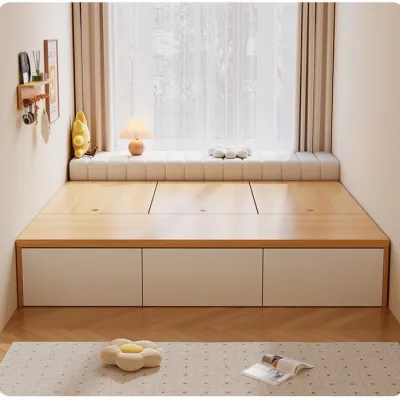
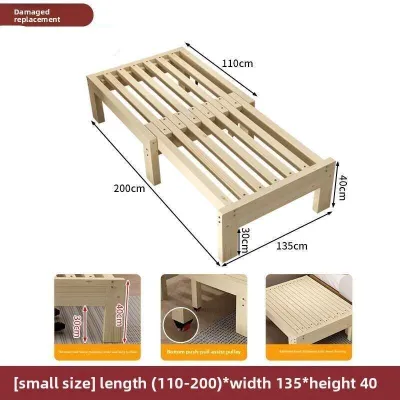
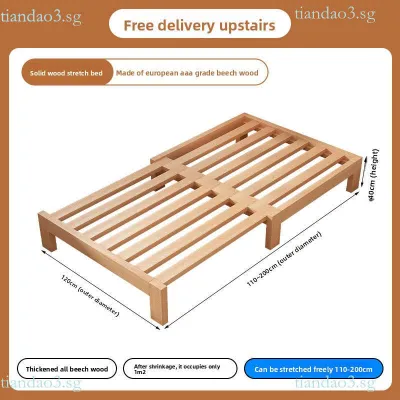
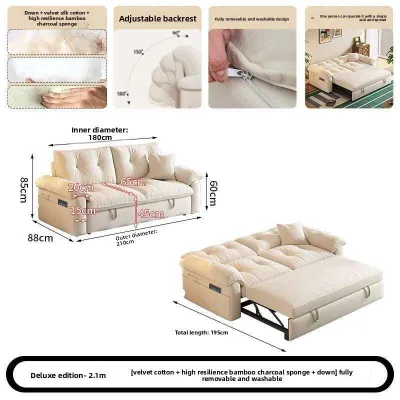
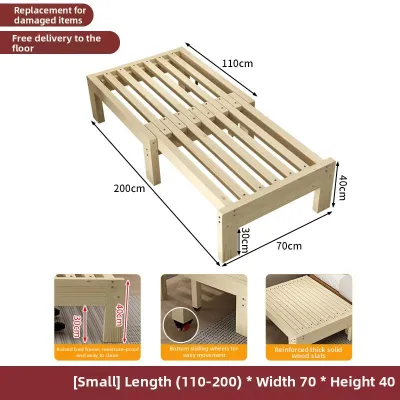

Prices are valid at publication and may change. Please refer to the product page for the latest price.
The most relevant international frameworks to look for include European standards (such as EN 747 for multi-level beds or EN 1725 for domestic bedding safety) and American standards (such as ASTM metrics for children’s products). These frameworks outline rigorous testing procedures for structural strength, stability, and entrapment hazards. When a retailer references these standards, verify that the certification applies to the specific model and configuration you are purchasing, rather than a different product line from the same brand.
Essential Physical Safety Features to Inspect Before Buying
The moving parts of a retractable bed frame require close physical inspection to prevent mechanical failures and injuries. The retractable mechanism itself must operate smoothly without requiring excessive force, which could indicate misalignment or poor manufacturing. Look for frames equipped with secure locking positions or safety pins that prevent the lower bed from sliding out or collapsing unexpectedly when a child climbs onto it. The locking system should be robust enough that a child cannot easily disengage it accidentally during play.

Entrapment hazards are a major concern with any adjustable or multi-part furniture. You must carefully measure and check the gaps between the main bed frame, the retractable section, and the mattress. According to international safety guidelines, gaps should either be small enough to prevent a child’s fingers and limbs from getting caught (typically under 5 millimeters) or large enough that a child’s head or torso cannot become trapped (typically avoiding gaps between 60 and 230 millimeters). Ensure these dimensions are maintained both when the bed is fully extended and when it is partially retracted.
If the retractable bed frame features an elevated main bed with a pull-out trundle underneath, guardrails are essential for the upper sleeping surface. Verify that the guardrails are structurally sound, securely attached to the frame, and high enough to prevent a child from rolling over them. The top of the guardrail should sit at least 160 millimeters above the top surface of the mattress. Always account for the thickness of your chosen mattress when calculating this safety margin, as an overly thick mattress can render a standard guardrail ineffective.
Finally, examine the overall physical design for sharp edges, exposed hardware, and rough finishes. Children’s furniture should feature rounded corners and smooth, beveled edges to minimize the risk of impact injuries. Any screws, bolts, or brackets must be recessed or covered with flush-fitting safety caps to prevent scratches or snagged clothing. If the bed utilizes sliding tracks or wheels, these components should be shielded or positioned in a way that keeps small fingers away from pinch points during operation.
Verifying Weight Limits and Structural Durability
Determining the actual load capacity of a retractable bed frame is critical for long-term safety and structural integrity. Manufacturers typically specify a maximum weight limit for both the main bed and the retractable lower section. You should locate these specifications in the product manual or official specification sheet rather than relying on verbal assurances from showroom staff. Keep in mind that these weight limits must accommodate not only the child’s weight but also the weight of the mattress, bedding, and any dynamic forces, such as a child sitting down heavily.
The support system beneath the mattress plays a vital role in distributing weight evenly and maintaining frame rigidity. Inspect the slat system to ensure the individual slats are made of high-quality, sturdy materials and are spaced closely together—typically no more than 75 millimeters apart—to prevent mattress sagging and structural failure. For wider frames or double-sized configurations, check for the presence of central support legs and robust metal joints that reinforce the frame’s center, preventing bowing over time.
Daily operation puts significant stress on the moving components of a retractable bed. Evaluate the durability of the sliding tracks, wheels, and locking pins by testing the mechanism multiple times. The wheels or casters should be made of durable, non-marking materials that can withstand the friction of local flooring, whether you have parquet, vinyl, or tiles. Metal tracks should be thick enough to resist bending under load, and locking pins should fit snugly into their designated slots without any noticeable play or wobbling.
Safe Assembly, Placement, and Daily Usage Boundaries
Proper assembly is the foundation of furniture safety, especially for items with moving parts. Always follow the manufacturer’s assembly instructions precisely, using the exact hardware provided. Avoid substituting screws or brackets, as even minor variations in hardware size can compromise the structural integrity of the frame. Once assembly is complete, double-check that all locking pins, brackets, and structural screws are fully tightened and that the frame sits level on the floor without rocking.
The physical placement of the bed within the bedroom significantly influences child safety. Position the bed frame well away from windows, blind cords, electrical outlets, and ceiling fans to eliminate strangulation and fall hazards. Additionally, ensure the bed is not placed directly beneath heavy, unanchored shelving or wall decor that could fall during minor vibrations or if a child bumps into the bed frame. In compact Singapore bedrooms, ensure there is sufficient clearance to fully extend the retractable section without blocking emergency exit paths or bedroom doors.
Establishing clear daily usage rules is essential for maintaining the bed’s safety features. Teach your children that the retractable bed is designed solely for sleeping and quiet activities, and strictly prohibit jumping or rough play on both the main and lower sections. When the retractable section is not in use, ensure it is either fully pushed in and secured or properly locked in its extended position. Leaving a trundle bed partially extended creates a tripping hazard and puts uneven stress on the frame’s joints and tracks.
Warning Signs and Conditions for Stopping Use
Over time, regular use can lead to wear and tear that compromises the safety of a retractable bed frame. Parents should conduct routine inspections of the frame, slats, and hardware. If you notice any visible cracking, splintering, or bending in the wooden or metal components, discontinue use immediately. Structural damage to the slats or support legs can lead to a sudden collapse, posing a severe risk of injury to a sleeping child.
Pay close attention to the performance of the retractable mechanism. If the lower bed begins to derail from its tracks, fails to lock securely into place, or becomes unusually difficult to pull out, this indicates a mechanical misalignment or worn-out hardware. Do not attempt to force the mechanism, as this can cause further damage or sudden failure. Stop using the retractable feature until the tracks are realigned or the faulty parts are replaced.
Lastly, look out for missing hardware, stripped screws, or loose joints that cannot be resolved by standard tightening. If a joint remains loose even after tightening the bolt, the internal threads may be stripped, or the wood surrounding the joint may have weakened. In such cases, continuing to use the bed can cause the frame to wobble and eventually fail. Contact the manufacturer or a qualified professional to obtain official replacement parts before allowing your child to sleep on the bed again.
Frequently Asked Questions (FAQ)
Are retractable beds safe for toddlers?
Retractable beds are generally not recommended for toddlers or very young children who are transitioning from a crib. The moving parts, potential pinch points, and gaps inherent in retractable designs pose higher safety risks for children who lack the motor skills and safety awareness to navigate them. If you do choose to use a retractable bed for an older toddler, ensure it is a low-profile model, install sturdy, compatible guardrails on all open sides, and use a firm mattress that fits snugly within the frame to eliminate entrapment gaps.
Do I need to anchor a retractable bed frame to the wall?
Whether you need to anchor the bed depends on its height, configuration, and the manufacturer’s specific instructions. Standard low-profile retractable beds or trundle beds generally do not require wall anchoring because they have a low center of gravity and pose minimal tipping risks. However, if the retractable bed is part of a taller loft, bunk, or wall-bed (murphy bed) combination, anchoring it securely to the wall is absolutely essential to prevent tip-over accidents. Always consult the manufacturer’s installation manual and use the provided anti-tip kits or recommended anchoring hardware suitable for your wall type.

Community discussion
Share your experience or ask a question. Comments are reviewed before publication.