
Selecting a folding bed frame for a child in Singapore requires a careful balance between space-saving utility and rigorous safety verification. In compact urban living spaces, such as HDB flats and condominiums, folding beds offer an excellent way to maximize floor space for play and study during the day. However, because these frames incorporate moving parts, hinges, and locking mechanisms, they present unique physical risks that standard stationary beds do not. To ensure your child’s safety, you must look beyond aesthetic appeal and marketing claims, focusing instead on verified safety certifications, robust physical guardrails, secure locking systems, and structural stability. By understanding what standards to look for and how to perform hands-on inspections, you can confidently select a bed frame that keeps your child secure throughout the night.
Verifying Safety Certifications and Product Labels
When shopping for children’s furniture, safety certifications serve as your first line of defense against substandard manufacturing. You should actively look for clearly printed international or locally recognized safety standard marks on the product label, packaging, or the user manual. Common standards to verify include European standards (such as EN 747 for bunk and high beds, or EN 1725 for domestic beds) and American standards (such as ASTM F1427). These standards dictate rigorous testing for structural strength, material toxicity, and entrapment hazards.
It is not enough to simply see a logo on a website; you must verify that the certification marks are legible, unaltered, and explicitly match the specific model and batch of the folding bed frame you are purchasing. Unscrupulous manufacturers may sometimes display generic safety logos that actually apply to a different product line or an older, discontinued model.
Products mentioned in this guide
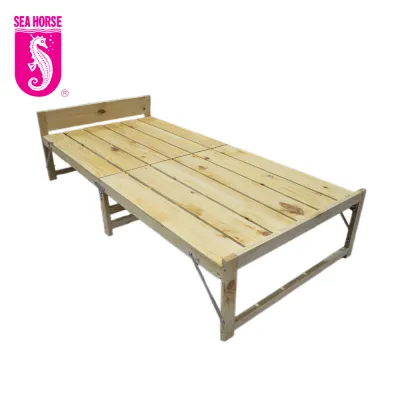
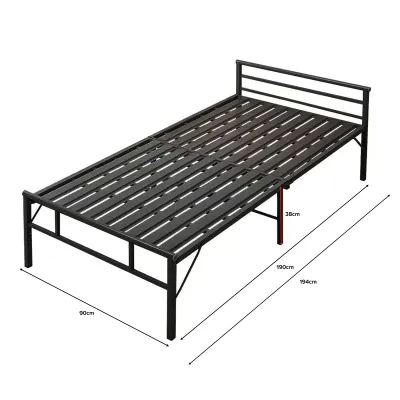
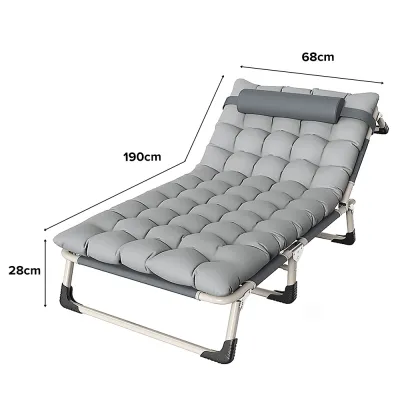
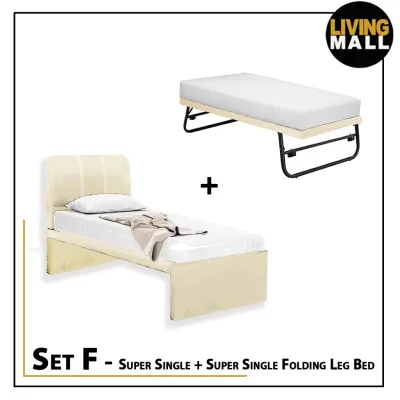
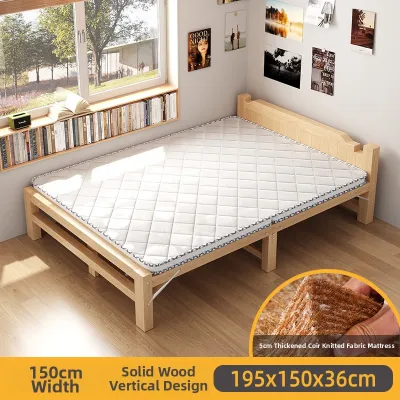

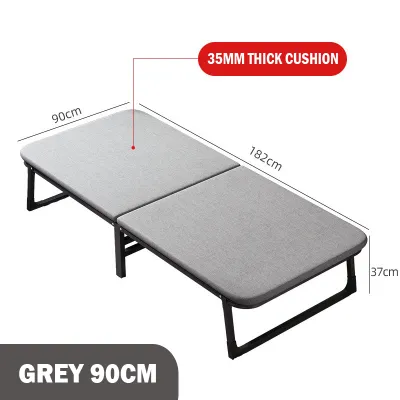
Prices are valid at publication and may change. Please refer to the product page for the latest price.
To ensure compliance, do not hesitate to request or review the manufacturer’s Certificate of Conformity or official test reports. A reputable retailer in Singapore should be able to provide documentation showing that the testing laboratory is accredited by recognized bodies, such as the Singapore Accreditation Council (SAC) or equivalent international organizations. The test reports should explicitly state that the bed frame has passed mechanical safety and stability tests relevant to children’s furniture.
If a retailer cannot provide these documents, or if the certification labels are missing, vague, or mismatched, you should treat this as a significant safety risk. In the absence of verifiable testing, there is no assurance that the frame can withstand daily use or protect your child from structural failure. In such cases, the safest course of action is to abandon the purchase and choose a fully certified alternative.
Inspecting Essential Physical Safety Features
Conducting a thorough visual and tactile inspection of the bed frame is essential, whether you are evaluating a display model in a Singapore showroom or inspecting the delivered product in your home. Start by evaluating the overall build quality, paying close attention to the gaps between moving parts and the overall finish of the frame surfaces. High-quality manufacturing is characterized by tight tolerances, seamless joints, and sturdy materials that do not flex under moderate pressure.

Next, assess the guardrail design to ensure it provides adequate protection against falls without introducing new hazards. Guardrails must be robustly attached to the frame, with no loose connections that could give way if a child rolls against them. They should extend sufficiently above the mattress surface to prevent accidental falls during sleep.
Finally, run your hands along the entire frame to check for any sharp edges, protruding screws, exposed bolts, or rough surfaces. In Singapore’s warm climate, children often wear lighter sleepwear, leaving more skin exposed to potential scratches or cuts. Any hardware that protrudes or any wooden or metal edge that feels sharp to the touch represents a design flaw that could cause injury during normal use or active play.
Preventing Entrapment and Pinch Point Hazards
The moving joints and folding mechanisms of a folding bed frame introduce potential pinch points and entrapment hazards that require meticulous inspection. You must measure or visually assess the gaps in the guardrails, bed slats, and folding joints to ensure they comply with standard safety spacing principles. Generally, gaps should be designed to prevent a child’s head, limbs, or fingers from becoming trapped. For instance, gaps between slats or guardrail spindles should either be small enough to prevent a child’s torso or limbs from slipping through, or large enough to ensure their head cannot get stuck if they do slip through.
Confirm that all active components, such as hinges, folding brackets, and locking latches, feature protective covers or anti-pinch designs. These safety features prevent curious fingers from getting caught in the scissor-like action of the folding joints when the bed is being operated or shifted.
Additionally, inspect the frame for any V-shaped or angled gaps where a child’s neck or limbs could become wedged. Children often play on or around their beds, and any converging angles in the headboard, footboard, or folding support legs can act as a dangerous trap if they slip or fall.
Checking Structural Stability and Weight Limits
A child’s bed must be able to withstand not only the quiet hours of sleep but also the dynamic forces of daily movement, sitting, and occasional bouncing. Begin by locating the maximum weight limit on the product label or user manual. Ensure this limit comfortably accommodates your child’s current weight, the weight of the mattress, and your child’s projected growth over the next few years.
Test the bed legs and base support by applying lateral force to different parts of the frame. The bed should remain firmly planted on the floor without sliding, wobbling, or tipping over. In Singapore, many homes feature smooth flooring surfaces like polished marble, parquet, or homogeneous tiles, which can make lightweight or poorly designed bed frames prone to sliding. Look for non-slip rubberized feet or sturdy base pads that grip the floor securely.
Furthermore, determine if the bed frame requires wall or floor anchoring for optimal stability, especially if it folds vertically against a wall (such as a Murphy-style bed). If anchoring is necessary, verify that qualified anti-tip hardware and clear, comprehensive installation instructions are included in the package. Avoid using a wall-folding bed without securing it to a load-bearing wall using the manufacturer-specified anchoring systems.
Testing the Folding Mechanism and Safe Operation
The defining feature of a folding bed frame is its mobility, which makes the folding mechanism the most critical operational component to test. You must test the locking system to ensure that the bed frame locks firmly and automatically in both the fully deployed (open) and fully folded (closed) positions. A reliable locking mechanism, such as a dual-action latch or a heavy-duty safety pin, prevents the bed from accidentally collapsing while your child is sleeping or playing on it, and prevents it from falling open when stored.
Observe the unfolding and folding process closely during a test run. The mechanism should operate smoothly, without sticking, jamming, or requiring excessive physical force. If the frame requires jerking, slamming, or extreme effort to open or close, this indicates poor alignment or substandard components, which can lead to rapid wear and eventual mechanical failure.
When operating the folding mechanism, establish a strict household rule: keep children safely away from the bed frame’s range of motion. The physical forces involved in folding and unfolding a bed can be significant, and a child standing too close could easily be struck or have their fingers caught in a moving joint.
Finally, establish a clear stop-use condition for your household. If any locking device, hinge, or support bracket shows signs of wear, looseness, rust, or failure, cease using the bed immediately. Do not attempt temporary DIY fixes with tape or non-standard screws; instead, contact the manufacturer or an authorized service provider in Singapore to obtain genuine replacement parts or professional repair services.
Final Pre-Purchase Inspection Checklist
Before finalizing your purchase from a local showroom or an online marketplace, a structured checklist will help ensure the bed frame fits your home environment and safety expectations securely. First, measure the available space in the target bedroom. Ensure there is adequate safe clearance around the bed frame when it is fully deployed, allowing doors, wardrobe panels, and windows to open fully without striking the bed, and leaving clear pathways for emergency evacuation.
Second, verify that the intended mattress size matches the folding bed frame precisely. Using a mattress that is too small can leave dangerous gaps along the sides or ends of the frame where a child’s limbs could become trapped, while a mattress that is too large can put undue stress on the frame and interfere with the folding mechanism or guardrails.
Third, review the retailer’s return policy and warranty terms in detail. Pay specific attention to the warranty coverage for moving parts, including folding joints, hinges, gas struts, and locking mechanisms, as these are the components most susceptible to wear over time. A comprehensive warranty often reflects the manufacturer’s confidence in the durability of their mechanical designs.
By synthesizing all your inspection results—from safety certifications and physical gap measurements to operational smoothness and room clearance—you can make an informed, confident decision. Prioritizing these safety checks ensures that your space-saving furniture choice remains a secure, comfortable, and hazard-free sanctuary for your child.
Frequently Asked Questions (FAQ)
Are folding beds safe for toddlers?
Generally, standard folding beds are not recommended for toddlers or very young children without significant precautions. The active, unpredictable nature of toddlers, combined with the inherent design of folding beds—which may feature lower guardrails, moving joints, or lightweight frames—can present conflicting safety risks. Toddlers are more prone to climbing, rolling, and exploring, which increases the risk of falls or accidental entrapment in folding gaps.
Parents should consult the manufacturer’s manual for specific minimum age, height, or weight recommendations before allowing a young child to use a folding bed. Many manufacturers specify that folding or elevated beds are only suitable for children aged six and older.
If a toddler must use a folding bed under exceptional circumstances, active adult supervision is absolutely necessary. Additionally, you should implement supplementary fall-prevention measures, such as placing a firm, safety-compliant bed guardrail on the open sides and ensuring the floor surrounding the bed is cushioned with soft play mats to minimize the risk of injury from accidental falls.
How often should I check the folding joints?
To maintain the structural integrity and safety of a folding bed frame, you should establish a regular inspection schedule, such as once every month or immediately after any extended period of frequent use. Singapore’s high humidity can sometimes affect metal components, leading to rust, or cause wooden parts to expand slightly, which can put extra stress on hinges and screws.
During your monthly check, perform simple shake and open-close tests. Gently shake the fully deployed frame to identify any unusual wobbling, and operate the folding mechanism to check for smooth movement. Inspect all hinges, screws, bolts, and locking latches to ensure they remain tight, properly aligned, and free of rust or debris.
If you detect any unusual squeaking, grinding noises, jamming, or a reduction in the tension of the locking devices, you must cease using the bed immediately. Do not wait for a complete mechanical failure; instead, seek professional repair or contact the manufacturer for authorized replacement parts to restore the bed to its original safety standards.

Community discussion
Share your experience or ask a question. Comments are reviewed before publication.