
When space is at a premium in Singapore’s high-rise apartments, a foldable bed frame seems like an ideal solution for a child’s bedroom or a multi-functional guest room. However, because children use furniture in dynamic and unpredictable ways—often climbing, jumping, or playing near folding joints—safety must be the primary consideration. A child-safe foldable bed frame must meet rigorous safety standards, feature secure dual-action locking mechanisms, eliminate physical pinch points, and guarantee structural stability under load.
Selecting the right frame requires looking beyond aesthetic appeal or simple convenience. Parents must evaluate the physical architecture of the bed, verify legitimate safety certifications, and implement a strict routine of maintenance checks. This guide details the critical safety standards, mechanical features, and structural requirements that a foldable bed frame must satisfy before it can be safely introduced into a child’s living space.
Understanding the Unique Safety Risks of Foldable Beds for Children
Standard fixed beds rely on static joints and solid frames that remain rigid over years of use. In contrast, foldable bed frames introduce dynamic mechanical components that pose unique physical hazards to young children. The most immediate concern is the presence of scissor-like pinch points at the hinges and joints. During the folding or unfolding process, these areas can easily trap small fingers or hands, leading to severe crushing injuries or lacerations if the mechanism is operated without extreme care or adult supervision.
Products mentioned in this guide
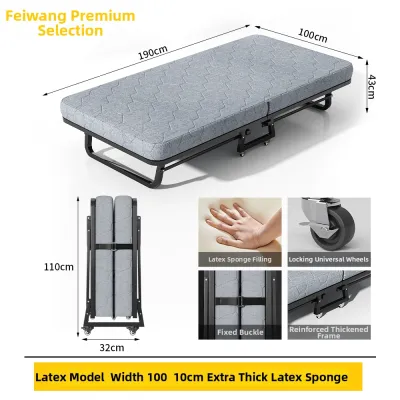
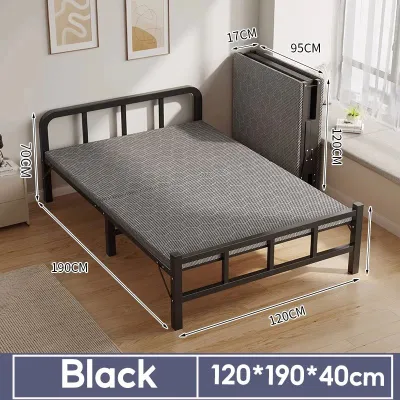
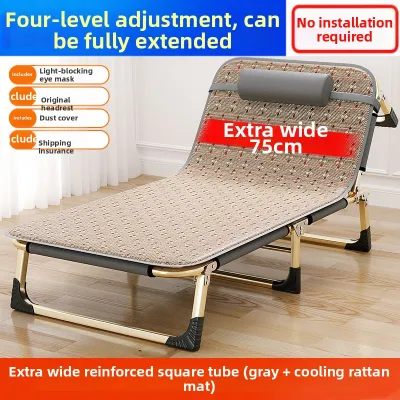
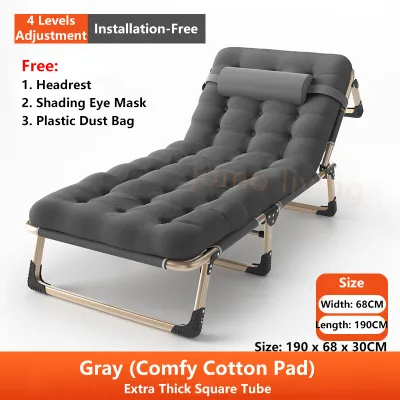
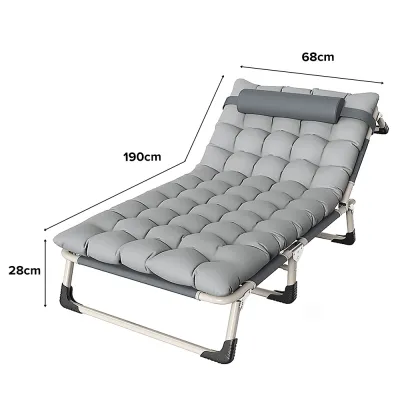


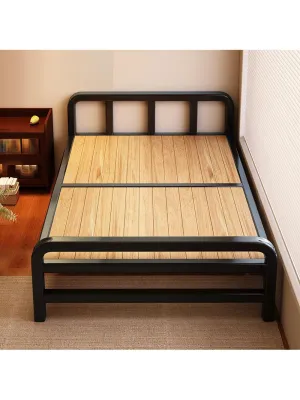
Prices are valid at publication and may change. Please refer to the product page for the latest price.
Another critical hazard is the danger of accidental collapse while the bed is occupied. If a child jumps on the bed or if the frame is subjected to sudden lateral movement, a weak or poorly designed locking mechanism can fail. A sudden collapse can trap a child beneath the heavy frame or between folding sections, leading to serious impact injuries or suffocation. The risk is particularly high in cheaper models that rely on simple friction-based locks rather than positive mechanical engagement.
Entrapment hazards also arise from shifting gaps within the frame. When a foldable bed is partially folded, structurally compromised, or paired with an incorrectly sized mattress, gaps can open up between the frame and the mattress, or between the folding joints themselves. A child’s head, limbs, or torso can easily slip into these spaces and become trapped, creating a severe risk of positional asphyxiation. These gaps must remain consistently narrow and stable under all conditions of use.
Finally, foldable beds often have a different center of gravity compared to traditional low-profile platform beds. This makes them highly susceptible to tipping risks, especially if a child attempts to climb on the outer edges, headboard, or footboard. If the bed’s weight distribution shifts during operation or if the frame lacks a wide, stable footprint, the entire structure can tip over onto the child. This risk is amplified on carpeted surfaces or uneven flooring, making structural stability a non-negotiable safety requirement.
How to Verify Safety Certifications and Standards in Singapore
When shopping for children’s furniture in Singapore, parents are often bombarded with marketing buzzwords like “child-safe,” “non-toxic,” or “rigorously tested” on online marketplaces and retail sites. However, these self-declared claims carry no legal weight and do not guarantee safety. To ensure a foldable bed frame is truly safe, you must physically inspect the product, its packaging, or the manufacturer’s official documentation for verifiable international safety certifications.

For children’s beds and foldable furniture, look for compliance with recognized international standards. These include ASTM International standards (such as ASTM F1821 for toddler beds) or European Standards (such as EN 716 for children’s cots and folding cots, or EN 1725 for general bed safety requirements). These standards dictate strict limits on gap sizes, mechanical strength, locking mechanism reliability, and the stability of the frame under dynamic loads.
In Singapore, the Consumer Product Safety Office (CPSO), which is safeguarded under Enterprise Singapore, oversees the safety of general consumer goods. While foldable beds may not always require mandatory registration like high-risk electrical appliances, they must still comply with the Consumer Protection (Consumer Product Safety Requirements) Regulations. This means the product must not pose any safety hazards under normal use and must be free from restricted hazardous substances, such as heavy metals in paints, lead, or high levels of formaldehyde in engineered wood components.
If a product’s safety labels are missing, unclear, or seem suspicious, do not hesitate to contact the manufacturer or retailer directly to request the actual test reports. A reputable brand will readily provide copies of laboratory test reports from accredited third-party testing bodies (such as TÜV SÜD, SGS, or Intertek). If a retailer is unable or unwilling to provide these documents, or if they offer vague excuses, it is safest to assume the product has not undergone independent safety testing and should be avoided.
Essential Design Features for a Child-Safe Foldable Bed Frame
Before making a purchase, parents must carefully evaluate the physical architecture of the foldable bed frame. While space-saving features and modern designs are appealing, they must never override the structural elements designed to protect your child from harm. A safe foldable bed must incorporate specific mechanical safeguards that prevent accidental operation and physical injuries.
Hinge and Locking Mechanisms
The folding joints of the bed frame are the most critical points of potential failure and injury. To mitigate these risks, a child-safe foldable bed frame must feature automatic locking pins or spring-loaded latches that securely and positively engage the moment the bed is fully opened and laid flat. The locking system must physically prevent the frame from folding back up, even if the bed is lifted, pushed, or subjected to heavy bouncing.
Furthermore, all hinges and pivot points must be covered, shielded, or recessed. This design prevents a child’s fingers or clothing from getting caught in the moving parts during folding or unfolding. Exposed metal hinges with narrow gaps are highly dangerous and should be avoided entirely. The protective guards or shields should be made of durable, impact-resistant materials that cannot be easily removed or cracked by a child.
Crucially, the folding release mechanism must be designed to prevent accidental operation by a child. This means the release lever, pin, or button should require adult-level strength, coordination, or a dual-action process to disengage. A dual-action mechanism requires two distinct, simultaneous physical actions—such as pressing a safety button while sliding a release lever—to unlock the frame. This ensures that even an inquisitive child playing under or around the bed cannot accidentally trigger a collapse.
Guardrails and Structural Gaps
Fall prevention is another essential consideration, particularly for younger children transitioning to a larger bed. If the foldable bed frame is elevated, it should feature integrated, sturdy guardrails on both sides. These guardrails must be of a sufficient height relative to the specific mattress thickness being used. As a general rule, the top of the guardrail should extend at least 120 to 150 millimeters above the top surface of the mattress to prevent a sleeping child from rolling over the edge.
Equally important is the verification of structural gaps within the bed assembly. To prevent head and limb entrapment, the gaps between the mattress and the frame, as well as the spacing between the individual wooden or metal slats, must be carefully measured. Under standard safety guidelines, gaps between slats should not exceed 60 millimeters. Any gap that is large enough to admit a child’s limb but too small for their head to pass through presents a severe hazard and must be avoided.
Finally, check the structural integrity and load-bearing stability of the slats and support beams when the bed is in its fully unfolded position. The slats must be securely fastened to the frame so they cannot slide or pop out of place when weight is applied. Support beams must be positioned to distribute weight evenly across the floor, ensuring the frame does not bow, sag, or shift laterally when a child climbs onto or moves across the sleeping surface.
Daily Safety Checks and When to Stop Using the Bed
Even the highest-quality foldable bed frame can become unsafe over time due to regular wear and tear, loose fasteners, or material fatigue. To maintain a safe sleeping environment, parents should establish a routine safety inspection checklist to be performed at least once a month. This proactive maintenance is essential for identifying potential hazards before they cause an accident.
During your routine inspection, begin by testing the locking pins and latches to ensure they still engage smoothly and lock the frame completely. Physically shake the unfolded bed to verify that the locking mechanism does not slip or disengage under vibration. Next, use the appropriate tools to tighten any loose screws, bolts, or nuts, as regular folding and unfolding can cause threaded fasteners to back out over time.
Examine the entire frame for physical damage. If the bed frame is made of wood, check for splinters, cracks, or peeling finishes that could injure a child. For metal frames, inspect all welds for hairline cracks, and check for rust or sharp edges that may have developed. Verify the bed’s overall stability by applying weight to the edges and corners; if the frame wobbles, rocks, or shifts significantly, it indicates that the structural joints have weakened or the floor contact points are uneven.
There are clear conditions under which you must immediately stop using the bed and contact the manufacturer or a qualified professional. If the locking mechanism shows signs of physical wear, fails to engage fully, or requires excessive force to lock, discontinue use immediately. Do not attempt to bypass a faulty lock with temporary fixes like tape or rope. Similarly, if the frame exhibits structural bending, cracked welds, or persistent instability that cannot be resolved by tightening fasteners, the bed is no longer safe for a child.
Always strictly adhere to the manufacturer’s stated weight limits, keeping in mind that these limits include the weight of both the child and the mattress. Overloading the bed can cause structural failure or permanent deformation of the metal or wood frame. Additionally, carefully consider the placement of the bed within the room. Never place a foldable bed near windows, low-hanging light fixtures, or blind cords, as these present extreme strangulation and fall hazards if a child climbs on the bed frame.
Frequently Asked Questions (FAQ)
At what age is it safe for a child to use a foldable bed frame?
Children should generally only transition to a foldable bed frame once they are at least six years old, or when they are developmentally mature enough to understand that the bed is not a toy and must not be played with. Even with older children, parents must strictly follow the specific age, weight, and height limits provided in the manufacturer’s instructions, as some lightweight folding beds are designed only for temporary toddler use, while others are built for older children.
Can a standard adult foldable bed be safely used for a child?
No, standard adult foldable beds are generally unsuitable and unsafe for daily use by children. Adult models typically lack child-specific safety features, such as integrated guardrails, covered hinges to prevent finger pinch injuries, and dual-action child-proof locks. Furthermore, the gap tolerances between the frame, slats, and mattress on adult beds are often much larger, presenting a significant risk of head or limb entrapment for a smaller child.
Community discussion
Share your experience or ask a question. Comments are reviewed before publication.