
Choosing a double deck bed is a practical and exciting way to maximize space in Singapore homes, especially in cozy HDB flats and condominiums where bedroom square footage is at a premium. While these elevated sleeping arrangements free up valuable floor space for play, study, or storage, they also introduce unique safety considerations for growing children. Ensuring your child’s safety requires looking beyond aesthetic appeal and color schemes to focus on rigorous structural standards and design specifications.
To make an informed and safe purchase, parents must understand how to evaluate a bed’s build quality, verify official safety certifications, and assess how the furniture fits into their specific home environment. By focusing on verifiable safety standards and structural integrity, you can create a secure, comfortable, and fun sleeping environment that gives you complete peace of mind.
Navigating Safety Standards and Certifications in Singapore
When shopping for a double deck bed in Singapore, the most reliable way to ensure structural safety is to look for recognized national and international safety standards. In the local market, high-quality children’s furniture often complies with Singapore Standard SS 598, which outlines specific safety requirements for bunk beds and high beds. Additionally, European standards such as EN 747 or American standards like ASTM F1427 are widely respected benchmarks that indicate a product has undergone rigorous testing for stability, strength, and durability.
Products mentioned in this guide
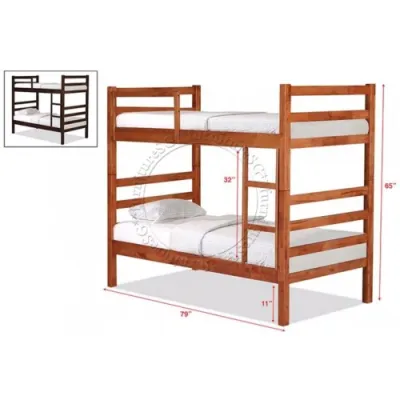

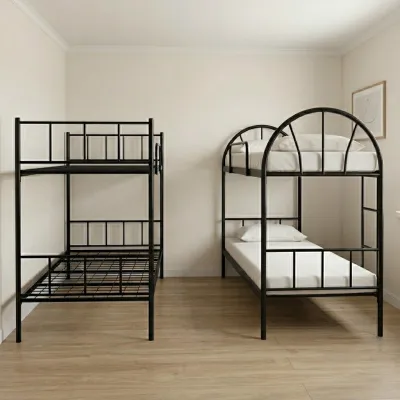
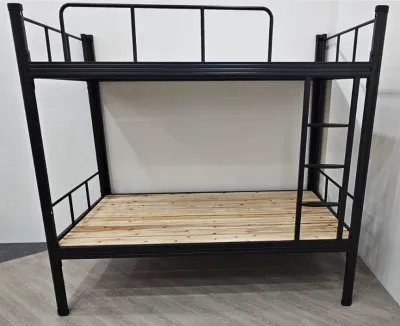
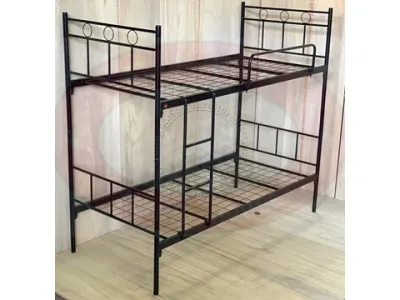
![[TheGoodFurniture] 双层单人铁床 Double Deck Metal Bed. Heavy Duty Double decker. Single size bed. Budget cheap warehouse pricing. Economy and space saving for 2 pax. *FAST DELIVERY*](https://img.lazcdn.com/g/p/7d18015b240dde3edb1d898bf08e0ffd.jpg_400x400q80.jpg_.webp)
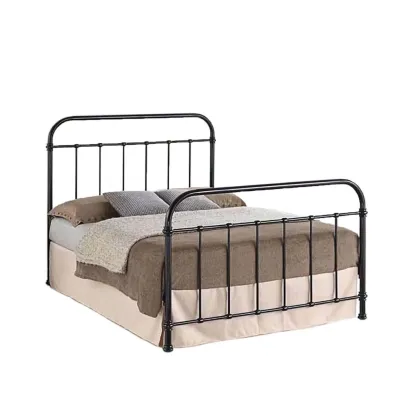
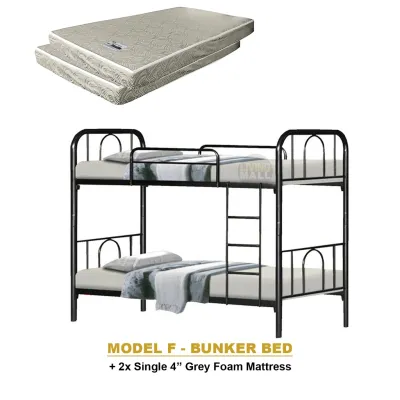
Prices are valid at publication and may change. Please refer to the product page for the latest price.
Before making a purchase, look for official certification labels or compliance marks printed on the product packaging, stamped on the bed frame itself, or detailed in the product literature. Reputable manufacturers and retailers should be able to provide official compliance certificates or test reports upon request. If a retailer cannot produce documentation verifying that the bed meets recognized safety standards, it is best to look for alternative options that prioritize transparent safety testing.
It is crucial to avoid relying solely on vague marketing terms such as “child-safe,” “non-toxic,” or “premium durability” without verifiable standard references. These descriptions are often subjective and do not guarantee that the bed has been tested against structural failures, tipping hazards, or entrapment risks. Verifiable compliance with established standards ensures that the bed’s design, materials, and construction have been independently assessed to protect your child from common household accidents.
Verifying Critical Structural and Design Features
Even when a double deck bed carries a safety certification, parents should personally verify its physical dimensions and design features against the manufacturer’s safety manual. Physical measurements and visual inspections are essential steps to ensure the bed has been manufactured and assembled correctly without any structural deviations. This hands-on verification helps confirm that the bed’s design matches the safety parameters intended by the engineers.

By cross-referencing the physical product with the specifications detailed in the user manual, you can identify any potential manufacturing defects or assembly errors before your child ever climbs onto the mattress. Paying close attention to specific structural components will help you systematically evaluate the bed’s overall safety and stability.
Guardrails and Fall Prevention
Guardrails are the primary defense against accidental falls from the top bunk, making them one of the most critical safety features to inspect. Standard safety guidelines require the top bunk to have continuous guardrails on all four sides, including the side facing the wall, to prevent a child from slipping through the gap between the bed and the wall. The guardrail on the ladder side should only have a specific, narrow opening designed solely for safe entry and exit.
When evaluating guardrails, you must consider the relationship between the guardrail height and the thickness of the mattress. The effective guardrail height is the distance from the top of the mattress to the top edge of the guardrail. To prevent a child from rolling over the edge, the guardrail must protrude significantly above the mattress surface. Always check the manufacturer’s manual for the maximum recommended mattress thickness and look for a safety line marked on the bed frame indicating the limit.
Additionally, inspect the guardrail’s locking mechanisms and attachment points to ensure they are exceptionally secure. Guardrails must be bolted tightly to the bed frame and should not wobble or detach when pressure is applied. Ensure that any removable or adjustable guardrail components feature secure locking systems that cannot be easily loosened or opened by a curious child during play.
Gap Sizes and Entrapment Risks
Gaps in a double deck bed’s structure can pose serious entrapment hazards if they are wide enough to allow a child’s body to slip through but narrow enough to trap their head or limbs. To prevent these dangerous situations, safety standards specify strict limits on the allowable spacing between various components of the bed. Parents should review the product manual to verify that all gaps—including those between guardrail slats, ladder rungs, and the bed frame—comply with standard safety limits.
Carefully inspect the headboard and footboard of both the top and bottom bunks for any decorative cutouts or irregular openings. While these designs may look appealing, they can easily become entrapment hazards if they do not meet safety spacing guidelines. A safe double deck bed design prioritizes solid panels or closely spaced vertical slats that eliminate any risk of a child’s head or limbs becoming wedged.
It is also vital to avoid making any aftermarket modifications or DIY additions to the bed frame that could alter the original gap dimensions. Adding custom shelves, hanging organizers, or extra slats might seem convenient, but these modifications can inadvertently create non-compliant gaps or compromise the structural integrity of the bed. Stick strictly to the manufacturer’s original design and approved accessories to maintain a safe sleeping environment.
Evaluating Weight Limits and Assembly Integrity
A double deck bed must be exceptionally sturdy to withstand the daily movements of growing children. Every reputable manufacturer specifies a maximum weight limit for both the top and bottom bunks, which can typically be found in the product manual or on a safety label attached to the frame. It is essential to locate and strictly adhere to these weight limits, keeping in mind that the total weight includes not only your child but also the mattress, pillows, blankets, and any heavy toys.
To support this weight safely, the bed must feature a robust slat support system. Whether the slats are made of solid wood, engineered wood, or metal, they must be securely fastened to the bed frame using the provided hardware. Inspect the slats to ensure they are evenly spaced and do not sag under pressure. A weak or improperly installed slat system can lead to mattress collapse, posing a severe safety risk to the child sleeping on the bottom bunk.
Proper assembly is fundamental to the structural integrity of a double deck bed. Always follow the manufacturer’s step-by-step assembly instructions meticulously, ensuring that every single bolt, screw, washer, and bracket is installed in its correct position. Never skip any steps or leave out hardware, even if the bed seems stable without them. Once assembly is complete, perform a physical shake test to check for any structural wobble; a safe bed should feel completely rigid and stable, with no swaying or loose joints.
Room Placement and Ongoing Maintenance Checks
Even the safest double deck bed can become hazardous if it is placed in an unsuitable location within the bedroom. In Singapore, where ceiling heights in HDB flats typically range from 2.6 to 2.8 meters, ceiling clearance is a primary concern. Ensure there is ample space between the top of the mattress and the ceiling so your child can sit up comfortably without bumping their head. Crucially, position the bed far away from ceiling fans, light fixtures, air conditioning units, and windows to prevent accidental contact or falls.
Maintaining the safety of a double deck bed requires a commitment to regular inspections and upkeep. Over time, the natural movement of children climbing up and down the ladder can cause bolts and screws to loosen slightly. Establish a routine schedule—such as every three to six months—to thoroughly inspect the bed frame, tighten any loose hardware, and check the joints for signs of wear or structural fatigue.
Finally, safety is as much about behavior as it is about structural design. Teach your children clear household rules regarding the use of the double deck bed. Emphasize that the ladder is the only safe way to climb up and down, and strictly prohibit jumping, rough play, or hanging from the guardrails. By combining a certified, well-assembled bed with smart room placement and consistent safety rules, you can ensure a secure and happy sleeping space for your children.
Frequently Asked Questions (FAQ)
Is it safe for a toddler to sleep on the top bunk?
No, standard manufacturer guidelines and safety organizations universally recommend that the top bunk of a double deck bed is not suitable for children under the age of six. Toddlers and very young children lack the physical coordination, balance, and spatial awareness required to safely navigate the ladder and sleep on an elevated platform. Additionally, younger children are more prone to waking up disoriented during the night, which significantly increases the risk of accidental falls. The bottom bunk is a much safer option for younger siblings until they reach the recommended age.
How thick should the mattress be for the top bunk?
To maintain the effectiveness of the guardrails, the mattress on the top bunk must not exceed the maximum thickness specified by the bed manufacturer. If a mattress is too thick, it reduces the effective height of the guardrails, making it easier for a child to accidentally roll over the edge. Always consult the product manual or look for the maximum mattress height safety line marked on the bed frame before purchasing a mattress. Generally, a low-profile mattress is recommended for the top bunk to ensure that a safe, protective guardrail barrier remains well above the mattress surface.
Community discussion
Share your experience or ask a question. Comments are reviewed before publication.