
When maximizing floor space in Singapore’s compact apartments, a single loft bed is an incredibly popular solution. By elevating the sleeping surface, these frames free up valuable square footage underneath for study desks, play areas, or storage. However, elevating a child’s bed introduces distinct safety considerations that parents must address before making a purchase.
To ensure your child’s safety, a single loft bed sold or used in Singapore should comply with rigorous international safety standards, such as the European Standard (EN 747) or the American Standard (ASTM F1427). Because Singapore does not have a singular, unique domestic manufacturing standard specifically for children’s loft beds, retailers typically import products certified under these major global frameworks. Understanding these standards, verifying manufacturer specifications, and measuring your room’s physical layout are essential steps to creating a secure sleeping environment.
Understanding the Inherent Risks of Children's Loft Beds
Elevated beds are fundamentally different from standard single beds because they alter the physical dynamics of a child’s bedroom. The most obvious risk is a fall from height, which can occur during sleep, play, or while climbing up and down. Falls often happen when the guardrails are too low, when the mattress is too thick for the frame, or when a child attempts to climb over the safety barriers.
Products mentioned in this guide
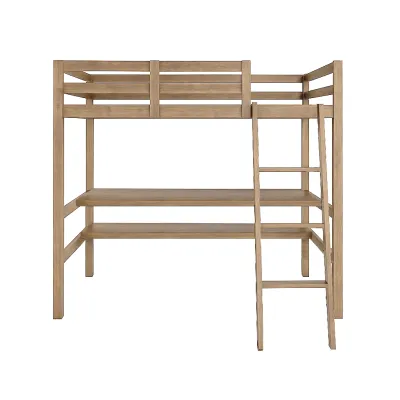
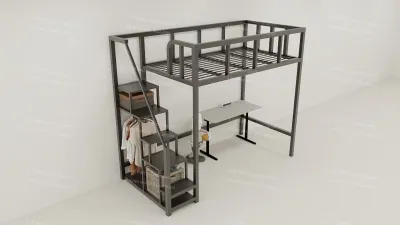
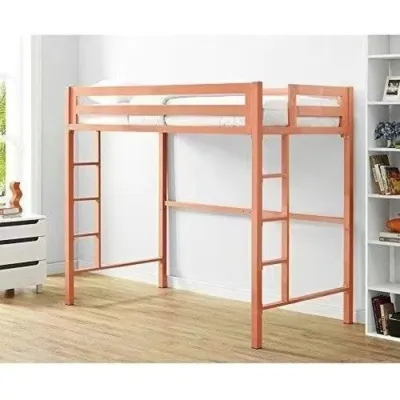
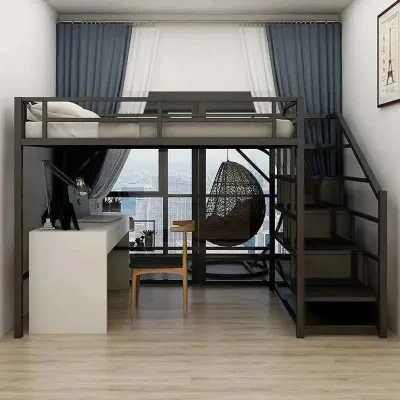
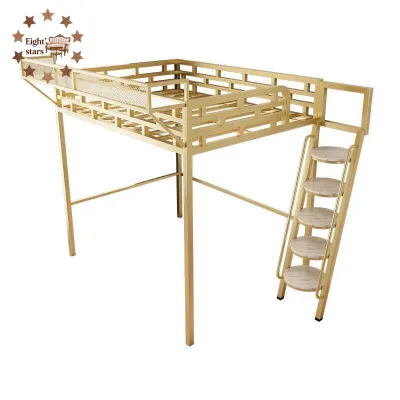
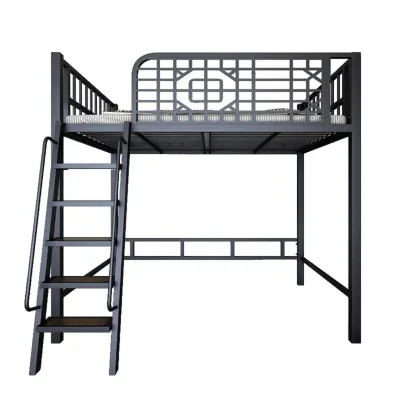

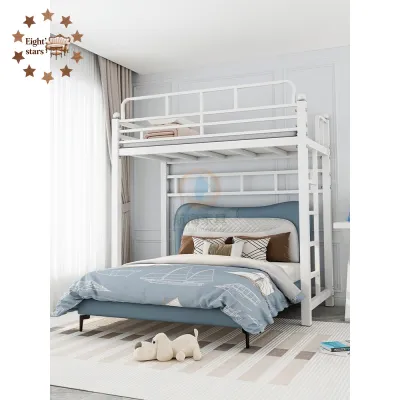
Prices are valid at publication and may change. Please refer to the product page for the latest price.
Entrapment is a less obvious but equally serious hazard. If a loft bed is poorly designed, gaps between the safety rails, the headboard, the footboard, or the ladder rungs can become dangerous traps. A child’s body might slip through a gap while their head remains caught, leading to severe injury. Safety standards strictly regulate these dimensions to ensure that no gap is wide enough to allow a child’s torso to pass through while trapping their head.
Tipping and structural collapse represent catastrophic risks that can occur if a bed is poorly constructed or improperly installed. Loft beds experience significant lateral forces when a child climbs the ladder or moves around on the elevated platform. Without robust joint construction, proper weight distribution, and secure anchoring to the wall, the frame can wobble, loosen over time, or even tip over entirely.
How to Verify Safety Certifications and Manufacturer Specs
When browsing furniture showrooms or online catalogs in Singapore, your first task is to look for explicit safety certifications. High-quality manufacturers will clearly state compliance with EN 747 (the European standard for bunk beds and high beds) or ASTM F1427 (the US standard for consumer safety specifications for bunk beds). These certifications indicate that the bed design has undergone rigorous mechanical testing for strength, durability, and entrapment prevention.

Examine the manufacturer’s manual before purchasing. It should clearly state the minimum age recommendation and the maximum weight capacity. The universal consensus across safety standards is that loft beds are not suitable for children under the age of six. The manual must also state the maximum weight capacity, which typically ranges from 80 kg to 100 kg for a single loft bed, including the weight of the mattress and the child.
Additionally, check the manufacturer’s specifications for mattress compatibility. Loft beds are engineered to work with specific mattress dimensions, particularly regarding thickness. A mattress that is too thick will reduce the effective height of the guardrails, rendering them useless. The product specifications should clearly state the maximum allowable mattress height, which you must match precisely when purchasing the mattress.
Critical Dimensions and Structural Checks Before Purchase
Guardrail Height and Coverage
The guardrails are the primary defense against falls, and their height must be verified with a physical measurement. Under the EN 747 standard, the top of the guardrail must sit at least 160 mm (16 cm) above the top surface of the mattress. When inspecting a bed, measure from the mattress support slats to the top of the guardrail, subtract the thickness of your intended mattress, and ensure the remaining barrier meets this minimum requirement. The guardrails must also run continuously along all four sides of the bed, with the only permissible opening being the access point for the ladder.
Gap and Slat Spacing
To eliminate entrapment hazards, safety standards dictate precise limits for any openings in the bed structure. All gaps in the guardrails, headboard, footboard, and bed base must be strictly controlled. Gaps must either be smaller than 75 mm (7.5 cm) to prevent a child’s limbs or torso from slipping through, or larger than 230 mm (23 cm) so that if a child does slip through, their head can pass through freely without becoming trapped. Check the spacing between the ladder rungs as well; they should be uniform and fall within these safe parameters.
Frame Stability and Joint Integrity
The structural integrity of a loft bed depends heavily on its materials and joints. Solid hardwood frames and heavy-gauge steel frames offer the best stability, whereas cheap particleboard or thin metal tubes may wobble under active use. Physically test the bed by shaking it from side to side; there should be no noticeable sway or creaking. Inspect the joints to ensure they use heavy-duty metal-to-metal bolts rather than simple wood screws, as metal bolts can be tightened periodically without stripping the material.
Ladder and Staircase Safety
The ladder or staircase is the only safe path to the elevated sleeping surface, making its design critical. Look for a ladder with wide, flat rungs rather than thin, round bars, as flat steps provide better traction and comfort for small feet. The ladder must be securely fastened to the bed frame with metal brackets or bolts, ensuring it cannot slide or detach during use. If space permits, a staircase design with integrated handrails offers the safest and most stable climbing option for children.
Safe Installation and Room Environment Requirements
Ceiling Clearance in Singapore Homes
Singapore’s residential properties, particularly HDB flats and condominiums, typically feature ceiling heights ranging from 2.6 to 2.8 meters. This architectural constraint makes ceiling clearance a vital safety factor. You must ensure there is at least 75 cm to 90 cm of open space between the top of the mattress and the ceiling. This clearance allows your child to sit up comfortably in bed without the risk of bumping their head against the ceiling or concrete beams.
Wall Anchoring and Substrate Verification
Because loft beds are top-heavy, anchoring the frame to the wall is highly recommended to prevent tipping. Before installation, identify the wall type in your child’s room. Concrete or solid brick walls, common in Singapore HDB flats, provide excellent support for heavy-duty wall anchors. If you are anchoring to a drywall or partition wall, you must locate the internal studs and secure the anchoring brackets directly into them, as drywall alone cannot support the lateral forces of a shifting bed frame.
Hazard Mitigation and Room Layout
The placement of the loft bed within the room is just as important as the bed’s construction. In Singapore’s tropical climate, ceiling fans are a staple in many bedrooms. You must position the loft bed a safe distance away from any ceiling fan; a minimum clearance of 2 meters from the tip of the fan blades to the edge of the bed is essential to prevent catastrophic impact injuries. Additionally, keep the bed far away from windows, air conditioning units, wall-mounted light fixtures, and window blind cords, which present severe strangulation and fall hazards.
Ongoing Maintenance and When to Stop Using the Bed
Routine Hardware Inspections
A safe installation is not a one-time task; it requires ongoing vigilance. Every three to six months, perform a thorough inspection of the loft bed’s hardware. The natural movement of a child climbing and sleeping on the bed will gradually loosen bolts and screws. Use the appropriate tools to tighten all connections, paying close attention to the ladder attachments and the main corner joints of the frame.
Material and Structural Checks
During your routine inspections, closely examine the physical condition of the bed’s materials. If you have a wooden loft bed, check for any signs of splitting, cracking, or splintering along the load-bearing posts and mattress slats. For metal frames, inspect the welded joints for hairline cracks or paint flaking, which can indicate structural fatigue. If you detect any structural damage, discontinue use immediately and contact the manufacturer for replacement parts.
Monitoring Child Development and Weight Limits
As your child grows, their physical size, weight, and behavior will change. Regularly compare your child’s current weight against the manufacturer’s stated maximum weight limit, keeping in mind that the weight of the mattress, bedding, and any toys must be factored into the total load. Furthermore, monitor their behavior; if your child begins to use the loft bed as a jungle gym or exhibits rough play on the elevated platform, it may be time to transition them back to a standard low bed to prevent accidents.
Frequently Asked Questions (FAQ)
What is the recommended minimum age for a child to use a loft bed?
The universally accepted minimum age for a child to use a loft bed is six years old. This recommendation is backed by major international safety standards, including EN 747 and ASTM F1427. Before this age, children generally lack the physical coordination, balance, and spatial awareness required to climb ladders safely, especially when waking up disoriented in the middle of the night. Even if your child is six or older, assess their personal maturity and physical coordination before allowing them to sleep on an elevated surface.
Can I use a thicker mattress than recommended if it provides better comfort?
No, you must never use a mattress that exceeds the manufacturer’s specified maximum thickness. The safety of a loft bed relies entirely on the height of the guardrails relative to the top of the mattress. If you install a thicker mattress, you reduce the effective height of the safety barrier, making it much easier for a child to roll over the guardrail and fall. Always check the bed’s safety label or manual for the maximum mattress thickness, which is typically around 15 cm (6 inches) or less, and select a high-quality, supportive mattress that fits strictly within those safety limits.

Community discussion
Share your experience or ask a question. Comments are reviewed before publication.