
Selecting a Murphy bed for a child’s bedroom is an excellent way to maximize floor space, especially in compact urban apartments where play areas are highly valued. However, because a wall bed relies on a heavy moving frame and a powerful lifting mechanism, safety must be your absolute priority before making a purchase. Unlike standard stationary beds, a folding bed introduces unique mechanical risks that require careful evaluation of structural engineering, material quality, and installation protocols.
To ensure a kids’ Murphy bed is completely safe, you must look beyond aesthetic appeal and focus on verifiable safety certifications, robust anti-tip engineering, pinch-point prevention, and secure locking systems. A safe wall bed must remain immovably anchored to the wall under all conditions and must be impossible for a child to deploy or fold up accidentally. By understanding the specific standards and design features that govern these products, you can make an informed decision that protects your child while optimizing their living space.
Essential Safety Certifications and Labels to Look For
When shopping for a kids’ Murphy bed, the first line of defense is verifying independent, third-party safety certifications. Marketing claims such as “child-safe” or “heavy-duty” are common, but they lack the weight of official testing. Look for products that explicitly state compliance with recognized furniture standards, such as those established by ASTM International or European Standards (EN). These organizations test furniture for structural strength, stability, tip-over hazards, and the safety of materials used, including non-toxic finishes and low-VOC (volatile organic compound) emissions.
Products mentioned in this guide

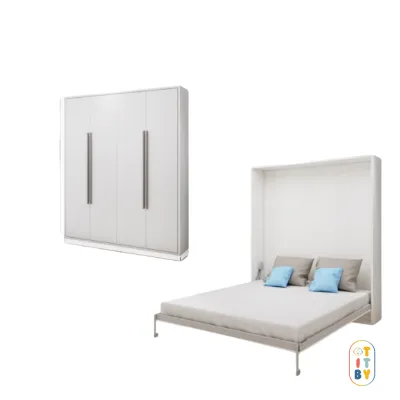
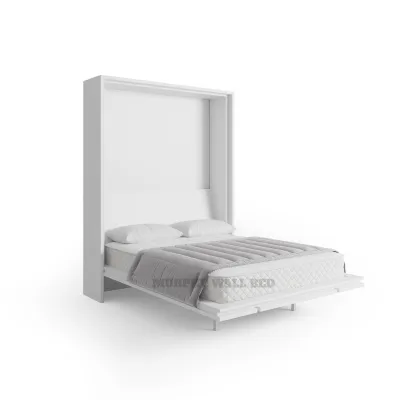
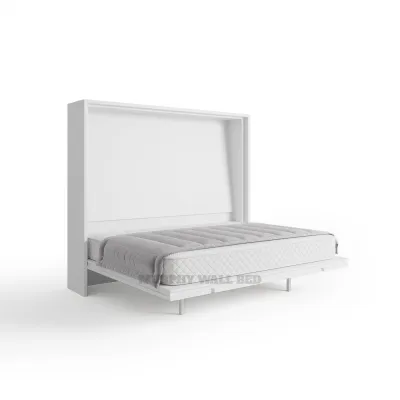
![[Showroom] Halfday - Rollover Folding Wall Bed | Invisible Murphy Bed Hidden Rollaway Bed](https://img.lazcdn.com/g/p/860b7d71ff1392db6313dbcf69fa37cf.png_400x400q80.png_.webp)
![[Local stock single size & black color] Invisible bed Folding bed Murphy bed Small invisible bed hidden bed Smart folding bed Rollaway bed hardware accessories](https://img.lazcdn.com/g/p/fbc5756ed41a56798914c52594dfe1d5.png_400x400q80.png_.webp)
Prices are valid at publication and may change. Please refer to the product page for the latest price.
To verify these claims, inspect the product packaging, the user manual, and the physical frame of the bed for official compliance marks. Reliable manufacturers often stamp or label the metal frame or the inside of the wooden cabinet with their certification details. If you are purchasing from an online marketplace or a specialized retailer, do not hesitate to request the official test reports or certificates of compliance. A reputable manufacturer will readily provide these documents to prove their product has undergone rigorous mechanical cycle testing, which simulates years of opening and closing the bed.
Additionally, pay close attention to the materials used in the bed’s construction. For children’s furniture, certifications like Greenguard Gold are highly desirable, as they ensure the engineered wood, paints, and adhesives used do not release harmful chemical gasses into a closed bedroom environment. Ensure that any finishes are lead-free and meet local consumer product safety regulations. Verifying these labels beforehand ensures that the bed is both mechanically sound and chemically safe for daily contact.
Anti-Tip and Wall Anchoring Mechanisms
The most critical safety hazard associated with any wall bed is the risk of the entire unit tipping forward. A Murphy bed exerts significant leverage on its frame when it is being lowered or raised, and a child climbing on the unit can easily pull an unanchored cabinet down. Therefore, the bed’s structural stability relies entirely on a heavy-duty wall anchoring system. Before purchasing, verify that the bed frame includes robust, dedicated anchoring hardware, such as steel brackets and heavy-duty expansion bolts, rather than flimsy plastic anchors.

You must also assess the compatibility of the included hardware with your home’s wall structure. In many modern apartments, walls may consist of drywall partitions with internal metal or wooden studs, while older homes or structural walls are often solid concrete or brick. A Murphy bed cannot simply be screwed into drywall alone; it must be anchored directly into structural studs or solid masonry. If the manufacturer’s standard hardware does not match your wall type, you must source specialized, high-tensile fasteners recommended by a structural professional.
Furthermore, evaluate the bed’s center of gravity design. High-quality kids’ Murphy beds are engineered so that the weight of the frame is distributed low and deep within the cabinet structure. This design prevents the cabinet from shifting or lifting off the floor when the bed is partially deployed or when a child climbs onto the lower section of the mattress. The frame should remain perfectly flush against the wall and floor throughout the entire range of motion, with no visible flexing or lifting at the base.
Pinch-Point Prevention and Locking Systems
The moving parts of a folding bed present potential pinch points that can trap or injure small fingers. The hinges, counterbalancing springs, and hydraulic or gas pistons must be designed with physical safeguards. Look for models that feature protective metal shields, fabric covers, or engineered gaps around all moving joints. These barriers prevent a child from inserting their fingers into the mechanism while the bed is being operated or when they are playing near the closed cabinet.
Equally important is the inclusion of a reliable locking system. A kids’ Murphy bed must feature a secure lock that prevents the bed from opening accidentally if a child pulls on the cabinet handles, or from folding upward if they jump on the mattress. Look for dual-action locking mechanisms that require two distinct physical steps to disengage, such as pressing a safety button while turning a key or latch. This ensures that only an adult or an older, responsible teenager can initiate the lowering process.
The locking system should also engage automatically when the bed is fully closed. A visual indicator, such as a clicking sound or a color-coded latch, helps confirm that the bed is safely locked in its upright position. For the open position, some beds utilize gravity-assisted locks or manual safety straps that secure the frame to the floor legs, ensuring the bed cannot fold back up unexpectedly if a child sits near the head of the bed where the counterweight is lightest.
Guardrails and Mattress Retention
Sleep-time safety is another vital consideration, particularly if the Murphy bed is designed as a loft or is elevated off the ground. If the bed frame sits higher than a standard platform bed, integrated guardrails are essential to prevent falls during the night. Check if the bed comes with sturdy, built-in guardrails that meet standard safety heights—typically extending at least 12 to 15 centimeters above the top of the mattress. If the bed does not include guardrails, verify whether the frame design allows for the secure attachment of aftermarket safety rails without interfering with the folding mechanism.
Mattress retention is another critical feature that directly impacts both safety and ease of use. When a Murphy bed is folded into its upright position, the mattress naturally wants to slide downward, which can jam the folding mechanism or cause a sudden, dangerous shift in weight when the bed is next opened. To prevent this, look for beds equipped with heavy-duty mattress retention straps, durable elastic bands, or integrated metal footboard clips. These restraints must hold the mattress firmly against the slatted frame, keeping it perfectly aligned during daily transitions.
Installation and Environmental Safety Requirements
Even the most highly certified Murphy bed can become a severe hazard if it is installed incorrectly. Wall bed installation is not a standard DIY project; it requires precise leveling, structural drilling, and secure anchoring. It is highly recommended that you hire qualified professionals who specialize in wall bed assembly to perform the installation. They will ensure that the cabinet is perfectly plumb, the wall anchors are driven into structural studs or solid concrete, and the lifting mechanism is calibrated correctly. Never attempt to improvise structural fixes or use alternative hardware not approved by the manufacturer.
Before installation, you must carefully plan the spatial layout of the child’s bedroom. Measure the finished dimensions of the bed when fully deployed and map out a clear clearance zone. The bed must not interfere with ceiling fans, low-hanging light fixtures, wall-mounted shelves, or nearby doors and windows. A collision between a lowering bed and a ceiling fan or glass fixture can cause severe injuries and property damage. Ensure there is ample walking space around the sides of the deployed bed so that children can get in and out safely without tripping.
Floor levelness is another critical factor that installers must check. If the floor slopes or is uneven, the bed’s support legs will not bear weight evenly, leading to structural twisting, squeaking, and premature wear on the hinges. Installers should use high-density shims under the cabinet base to achieve a perfectly level foundation. Additionally, consider doorway and lift access when ordering the bed; large cabinet panels must be able to navigate tight corridors and elevators in your building safely before assembly begins.
Weight Limits and Usage Boundaries
To maintain the structural integrity of a kids’ Murphy bed over time, you must strictly adhere to the manufacturer’s specified weight limits. These limits are divided into static weight (the weight the bed can support when stationary) and dynamic weight (the force exerted when someone sits down, rolls over, or moves on the bed). Compare these specifications against your child’s current weight and factor in their projected growth over the next several years. Keep in mind that children often host sleepovers or sit on the bed with friends, so choosing a bed with a generous weight capacity is always the safer option.
Establishing clear usage boundaries with your children is essential for preventing accidents. Children must be taught that a Murphy bed is a piece of furniture, not playground equipment. Prohibit dangerous behaviors such as jumping on the mattress, climbing up the sides of the cabinet, hanging from the top frame, or attempting to climb onto the bed while it is only partially deployed. The bed should only be used when it is fully lowered and the support legs are resting flat on the floor.
Finally, perform regular maintenance checks to identify potential issues before they become hazardous. Inspect the hardware every few months to ensure no screws or bolts have loosened due to the vibrations of daily opening and closing. Listen for any unusual squeaks, grinding noises, or changes in operating resistance when moving the bed. If you notice that the bed has become significantly harder to lift, or if it drops too quickly, stop using the bed immediately and contact the manufacturer or a professional technician to inspect the tension springs or hydraulic pistons.
Frequently Asked Questions (FAQ)
Can I install a kids' Murphy bed on a drywall partition?
Drywall partitions alone do not possess the structural strength required to support the dynamic forces of a Murphy bed. When the bed is lowered, it exerts a powerful pulling force that can easily rip standard drywall anchors out of the wall, leading to a catastrophic collapse. To install a Murphy bed safely on a partition wall, the mounting brackets must be anchored directly into the wooden or metal studs behind the drywall. If studs are not positioned where the brackets need to be, or if you are unsure of your wall’s internal structure, you must consult a professional contractor to reinforce the wall or install a solid backing board.
Are hydraulic pistons safe for children to operate?
Gas or hydraulic pistons are engineered to assist with the heavy lifting of the bed frame, but they are typically calibrated for adult strength and weight. This means a young child may not have the physical strength or height to safely control the descent of the bed, or they might lack the weight required to push the bed back up into its locked position. To prevent injuries from a rapidly falling frame or a sudden recoil, children should never be allowed to operate the bed independently. An adult should always handle the lifting, lowering, and locking of the Murphy bed, ensuring the room is clear of toys and obstacles before moving the frame.

Community discussion
Share your experience or ask a question. Comments are reviewed before publication.