
Selecting an inclined bed for a child requires a rigorous evaluation of structural safety, material integrity, and design compliance. Because elevated or angled furniture introduces unique physical forces—such as gravity-induced sliding, shifting weight distribution, and increased joint stress—relying on aesthetic appeal or unverified marketing claims is never sufficient. To protect young users from falls, entrapment, and structural failures, parents must verify safety certifications and perform hands-on physical inspections of the bed frame before purchase.
An inclined bed, whether designed with an angled sleeping surface or featuring integrated play elements like slides and climbing ramps, must be evaluated as a complete system. This means assessing not only the raw materials and joint connections but also the specific behavioral patterns of children who will interact with the furniture daily. By establishing a systematic checklist that covers safety standards, physical design dimensions, and installation protocols, you can ensure the bed remains a secure environment for both sleep and play.
Recognized Safety Certifications and Labels to Look For
When shopping for an inclined bed, the first line of defense is verifying that the product complies with recognized safety standards. Reliable manufacturers subject their children’s furniture to rigorous third-party testing rather than relying on self-declared safety claims. Look for physical labels, stamps, or accompanying documentation indicating compliance with established standards such as ASTM International (specifically ASTM F1427 for bunk beds and high beds) or European Standards (such as EN 747). In Singapore, consumer products must align with the safety guidelines monitored by Enterprise Singapore, meaning you should look for clear evidence of compliance with local consumer protection regulations.
Products mentioned in this guide
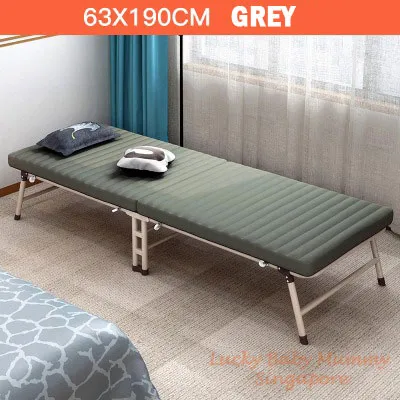
Prices are valid at publication and may change. Please refer to the product page for the latest price.
It is crucial to verify that the certification scope specifically covers the unique features of an inclined or elevated bed. A general certification for standard flat mattresses or adult furniture does not account for the specific hazards associated with angled frames, elevated platforms, or integrated play structures. The documentation should explicitly state that the entire bed assembly—including any ladders, slides, or inclined panels—has undergone mechanical testing for structural strength, stability, and durability under dynamic loads.
In addition to structural testing, safety labels must confirm that the materials used in the bed’s construction are non-toxic. This includes verifying that all paints, varnishes, and finishes are lead-free and comply with chemical safety standards such as EN 71-3 or ASTM F963. If the bed incorporates engineered wood, check for low-formaldehyde emission certifications, such as CARB Phase 2 compliance. Avoid purchasing any children’s bed that lacks verifiable, third-party testing documentation, and treat vague marketing phrases like “child-friendly” with skepticism unless backed by official certification numbers.
Critical Design Requirements for Inclined Structures
The physical geometry of an inclined bed dictates its daily safety, making it essential to inspect specific design dimensions. Guardrails are the most critical component for preventing accidental falls from elevated or angled sleeping surfaces. Ensure that continuous guardrails are present on all sides of the bed, with only a single, clearly defined opening for access if the bed is elevated. The top of the guardrail should extend significantly above the top of the mattress—typically at least 127 millimeters above the mattress surface—to prevent a rolling child from tumbling over the edge.

Entrapment hazards represent another severe risk that requires precise measurement. Gaps between individual guardrail slats, between the mattress and the frame, or between the ladder steps must be carefully controlled. Standard safety guidelines dictate that these openings must either be small enough to prevent a child’s limb from passing through, or wide enough that a child’s head and torso cannot become trapped. Specifically, avoid gaps between 90 millimeters and 230 millimeters, as this range is known to pose a high risk of head and neck entrapment.
The incline angle itself must be evaluated based on the bed’s primary function. If the incline is designed as a sleeping surface, it must comply with strict safety limits to prevent the child from sliding down or rolling into a position that compromises breathing. For beds that feature an inclined play structure, such as a slide or climbing ramp, the incline must be securely anchored to the main frame with heavy-duty hardware. The slide or ramp surface must be completely smooth and non-slip where appropriate, terminating in a safe, low-impact landing zone.
Finally, inspect the entire bed frame for physical finish quality and hardware safety. Run your hands along the wooden or metal components to check for splinters, rough patches, or sharp edges. All corners and edges should be rounded rather than sharp. Examine the hardware connections to ensure that all bolts, screws, and brackets are recessed or covered with smooth plastic caps, preventing them from catching on a child’s clothing or skin during active play.
Stability, Weight Capacity, and Installation Checks
An inclined bed must maintain absolute stability under both static sleeping loads and dynamic playing forces. Investing in a high-quality bed, which often ranges from S$400 to S$1,000 depending on the complexity of the design, is a long-term commitment to your child’s safety. Before purchasing, confirm the manufacturer’s stated maximum weight capacity for every part of the bed structure. This includes checking the weight limit for the primary sleeping platform, as well as separate weight limits for ladders, slides, or climbing inclines. Keep in mind that children grow rapidly, so selecting a bed with a generous weight margin ensures the structure remains safe and stable over several years of use.
To prevent catastrophic tip-over accidents, evaluate the bed’s physical footprint and anti-tip features. Beds with inclined play structures or elevated platforms have a higher center of gravity, making them more susceptible to tipping when a child climbs or shifts weight rapidly. Look for models designed with a wide, stable base that distributes weight evenly across the floor. Additionally, verify whether the manufacturer includes heavy-duty wall-anchoring kits, which are essential for securing elevated or inclined frames directly to the wall studs.
Proper installation is just as important as the bed’s design, meaning you must follow the manufacturer’s assembly instructions with absolute precision. Use only the exact hardware, fasteners, and brackets supplied with the product, and avoid substituting missing parts with generic hardware. Tighten all connections to the recommended torque specifications, ensuring that joints are flush and secure without over-tightening, which can strip threads or crack wooden components.
Once assembly is complete, perform a thorough post-assembly inspection before allowing your child to use the bed. Conduct a physical shake-test by grasping the frame at multiple points and applying firm pressure to check for wobbling, swaying, or creaking joints. If any movement is detected, disassemble the affected joints and re-align the components. Establish a routine maintenance schedule to inspect the bed periodically, as wood naturally expands and contracts with changes in humidity, and dynamic play can gradually loosen hardware over time.
Safe Usage Boundaries and When to Stop Using the Bed
Even the most robustly certified inclined bed can become hazardous if used outside its intended developmental and behavioral boundaries. Parents must establish clear rules regarding who can use the bed and how they are allowed to interact with it. Generally, elevated or highly inclined beds are not recommended for children under six years of age, as younger children may lack the coordination and spatial awareness required to navigate ladders, slides, or elevated platforms safely.
Monitor your child’s physical development and mobility levels to determine when it is time to transition away from an inclined bed or modify its configuration. If a younger child shows signs of being able to roll over, push up on their hands and knees, or climb out of the designated sleeping area, the risks of falls and entrapment increase significantly. Furthermore, ensure your child understands that the bed is a space for rest and controlled play, strictly prohibiting jumping, roughhousing, or hanging from the guardrails.
Regularly inspect the bed for signs of wear, tear, and structural fatigue that indicate the product is no longer safe for use. Over time, active play can cause wooden slats to crack, metal joints to bend, or guardrails to lose their rigidity. If you notice any wobbling that cannot be resolved by tightening the hardware, or if any structural component shows visible damage, stop using the bed immediately. Do not attempt to repair major structural failures with makeshift patches; instead, contact the manufacturer for authorized replacement parts or replace the bed entirely.
Finally, ensure that the mattress used with the inclined bed matches the manufacturer’s specified dimensions exactly. Using a mattress that is too thick can reduce the effective height of the guardrails, making it easier for a child to roll over the top. Conversely, a mattress that is too small will leave dangerous gaps along the sides or at the incline junction, creating severe entrapment hazards where a child’s limbs or head could become stuck.
Frequently Asked Questions (FAQ)
Are inclined sleep surfaces safe for infants with reflux?
No, inclined sleep surfaces are not safe for infants, even those diagnosed with gastroesophageal reflux. Pediatric health organizations and consumer safety authorities globally warn against placing infants to sleep on any surface with an incline greater than 10 degrees. Sleeping on an incline increases the risk of positional asphyxia, where an infant’s head can chin-tuck toward the chest, blocking the airway. Additionally, infants can easily roll over or slide down an inclined surface, leading to suffocation or entrapment against the side of the sleeper. For safe sleep, infants should always be placed on their backs on a flat, firm, and level mattress free of any soft bedding or positioning devices.
How often should I check the hardware on an inclined bed?
You should perform an initial structural check and tighten all hardware approximately one week after the bed is first assembled and used. This initial period allows the components to settle under weight and reveals any joints that were not fully secured. Following this initial check, establish a routine maintenance schedule to inspect and tighten all bolts, screws, and brackets every three to six months. You should also conduct an immediate inspection if you notice any new creaking sounds, if the frame begins to wobble, or after any period of particularly vigorous play or accidental impact.

Community discussion
Share your experience or ask a question. Comments are reviewed before publication.