
Selecting a kids’ day bed with storage requires balancing space-saving utility with rigorous safety checks. Because these multi-functional beds combine an elevated sleeping surface with heavy, moving storage compartments, they introduce unique physical risks that standard single beds do not. In space-constrained urban homes, such as high-rise apartments in Singapore, these beds are highly popular for maximizing floor space. However, ensuring the structural integrity, material safety, and mechanical design of the bed is paramount to preventing accidents, falls, and chemical exposure.
To make a safe purchase, parents must look beyond aesthetics and marketing claims. Evaluating physical design details, weight limits, and certification labels before buying ensures the bed remains a secure haven for sleep and play. This guide outlines the essential safety standards, mechanical checks, and structural requirements to verify before bringing a new day bed into your child’s bedroom.
Structural Stability and Tip-Over Prevention
Evaluating the structural integrity of a day bed is the first step in preventing tip-over accidents. Day beds with integrated storage drawers or trundles often have a higher center of gravity than traditional low-profile beds. When drawers are fully extended or when a child sits on the edge of the bed, the distribution of weight shifts significantly. A stable bed must feature a wide, robust base that prevents the frame from rocking or tipping forward under uneven loads.
Products mentioned in this guide



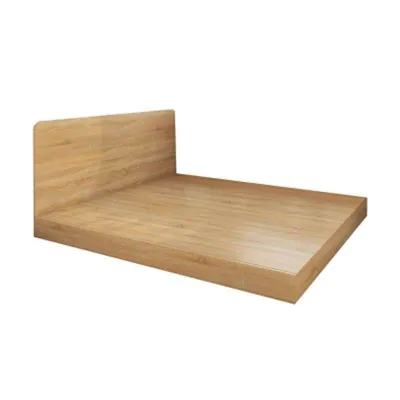
Prices are valid at publication and may change. Please refer to the product page for the latest price.
Before purchasing, verify the manufacturer’s specified weight capacity limits for both the sleeping surface and the individual storage drawers. The sleeping platform should support not only the static weight of the mattress and child but also the dynamic forces of movement, such as a child climbing or sitting abruptly. Storage drawers must also have clear weight limits to prevent overloading, which can warp the tracks and compromise the bed’s overall balance.
Wall-anchoring is a critical safety measure for day beds with high backrests, integrated shelving, or bookcase headboards. Even if the bed feels heavy, a child climbing on open drawers can easily cause a top-heavy unit to tip. Ensure the bed frame includes dedicated wall-anchoring hardware. In Singapore, where apartment walls are typically solid concrete or masonry, you must use appropriate masonry plugs and heavy-duty screws rather than standard drywall anchors to secure the frame firmly to the wall.
Storage Mechanism and Entrapment Risks
Under-bed storage drawers and compartments present mechanical hazards that require careful inspection. Heavy drawers can easily slide out completely if they lack physical stoppers, potentially falling onto a child’s feet or hands. Ensure the drawer slides feature built-in safety stops that prevent the drawer from being pulled entirely out of its tracks during normal use.

To protect small fingers from being pinched or crushed, look for storage mechanisms equipped with soft-close hinges or drawer dampers. These features slow down the closing action, preventing drawers from slamming shut when pushed forcefully. Additionally, check the clearance gaps between the drawer fronts and the main bed frame; a safe design either minimizes these gaps to prevent fingers from entering or maintains a wide enough clearance (typically over 12mm) to prevent trapping.
Deep storage compartments or pull-out trundle cavities can also become entrapment hazards if a child climbs inside during play. To mitigate the risk of suffocation, enclosed storage spaces must feature adequate ventilation. Check for built-in air vents, open-back designs, or finger-pull cutouts that allow continuous airflow even when the compartment is fully closed.
Guardrails, Gaps, and Fall Protection
Because day beds with storage are elevated to accommodate drawers underneath, the sleeping surface is often higher off the ground than a standard toddler bed. This elevation makes robust fall protection essential. If the bed is intended for a younger child, it should feature secure guardrails on all open sides, leaving only a designated opening for entry and exit.
The effectiveness of a guardrail depends directly on its height relative to the mattress. To prevent a child from rolling over the top, the guardrail must extend at least 127mm (5 inches) above the top surface of the mattress. When choosing a mattress, you must calculate its thickness carefully to ensure it does not compromise this safety margin. A mattress that is too thick will render the guardrail ineffective.
Spacing between the slats, spindles, or guardrail bars must be strictly controlled to prevent head or limb entrapment. Standard safety guidelines dictate that these gaps must be less than 60mm (approximately 2.36 inches). This spacing ensures that a child’s body cannot slip through the gaps, eliminating the risk of the head becoming trapped between the spindles. Furthermore, the guardrail must be securely bolted to the bed frame using metal-to-metal connectors rather than simple wood screws, which can loosen and strip over time.
Material Safety and Finish Verification
Children spend a significant portion of their day in close contact with their bed, making material safety a top priority. In warm, humid climates, the rate of chemical off-gassing from furniture can increase. Cheap composite woods, such as low-grade MDF or particleboard, often utilize adhesives that release formaldehyde and volatile organic compounds (VOCs) into the indoor air.
To safeguard your child’s respiratory health, verify that the bed frame is constructed from solid wood or certified low-emission composite materials. Look for product labels or manufacturer declarations indicating compliance with low-VOC standards, such as Greenguard Gold certification or European E1 emission limits. Additionally, ensure that all paints, varnishes, and protective coatings are declared lead-free and non-toxic, complying with standards like EN 71-3 (safety of toys and children’s products).
Physical hazards on the bed’s surface must also be eliminated. Conduct a thorough physical inspection of the bed frame, paying close attention to the edges, corners, and the interiors of the storage drawers. All edges should be rounded (with a radius of at least 2mm) to minimize the impact of accidental bumps. Ensure there are no exposed screws, sharp hardware, or rough wood splinters that could snag clothing or scratch sensitive skin.
How to Verify Safety Certifications and Labels
When shopping on online marketplaces or in physical retail stores, do not rely solely on generic product descriptions that claim a bed is “safe” or “child-friendly.” Legitimate safety claims are backed by recognized testing standards and certifications. You should actively look for physical safety labels and certification marks on the product packaging, the user manual, or the bed frame itself.
Key standards to look for include ASTM F1821 (the standard consumer safety specification for toddler beds) or EN 747 (the European standard for bunk beds and high beds, which shares critical safety testing methods for elevated day beds). These certifications indicate that the bed design has undergone rigorous testing for structural load capacity, impact resistance, and entrapment hazards.
Before finalizing your purchase, cross-reference the manufacturer’s certification claims. You can request a copy of the official test report summary from the retailer to verify that the testing was conducted by an accredited third-party laboratory. Additionally, check consumer protection portals, such as Enterprise Singapore’s safety alerts or global product recall databases, to ensure the specific model or manufacturer has no active recall notices for structural failures or chemical hazards.
Space Planning and Assembly Requirements
Safe usage of a day bed with storage depends heavily on proper space planning and correct assembly. Before purchasing, measure your child’s bedroom carefully to ensure there is ample floor clearance. You must account for the full extension of the storage drawers or trundle bed, leaving enough room for safe traffic flow and preventing awkward angles that could cause a parent or child to trip.
During assembly, the structural integrity of the bed relies on precise installation. Always follow the manufacturer’s step-by-step instructions and use the exact hardware provided. Ensure all structural bolts, dowels, and brackets are correctly aligned and torqued. Over-tightening screws can split the wood and weaken the joint, while under-tightening will lead to wobbling and eventual structural failure. Avoid using alternative hardware or skipping assembly steps, as this invalidates safety certifications.
Finally, ensure the bed is positioned on a level floor. Uneven flooring can place unequal stress on the bed frame, causing the joints to loosen over time and preventing the storage drawers from sliding smoothly. If your home has slightly uneven floors, use adjustable leveling glides to stabilize the frame. If the storage drawers or trundle utilize casters, ensure they feature reliable locking mechanisms to keep the unit stationary when not in use.
Frequently Asked Questions (FAQ)
Does a day bed with storage require a specific type of mattress for safety?
Yes, a day bed with storage requires a mattress that matches the frame’s specific dimensional and weight requirements. To maintain the effectiveness of the guardrails, the mattress thickness must not exceed the manufacturer’s recommended limit, typically leaving at least 127mm of guardrail height above the mattress surface. Additionally, the mattress must fit snugly within the bed frame; any gap between the mattress and the frame sides should be less than 30mm to prevent a child’s limbs from slipping down and becoming trapped. Ensure the mattress weight, combined with the child’s weight, does not exceed the bed’s maximum static load capacity.
How often should I re-check the bed's hardware and stability?
To ensure ongoing safety, you should conduct a thorough maintenance check on the day bed every six months. Tighten any loose screws, bolts, and joint connectors, as regular use and room humidity changes can cause wood to expand and contract, loosening the hardware. Perform a visual inspection for any signs of wood cracking, metal fatigue, or drawer track misalignment. You must also inspect the bed immediately if you notice any wobbling, after moving the furniture to a new spot in the room, or if the bed has subjected to heavy impact, such as children jumping on the sleeping surface.

Community discussion
Share your experience or ask a question. Comments are reviewed before publication.