
In space-constrained Singaporean homes, from cozy HDB flats to modern condominiums, maximizing floor space is a constant priority. The kids’ pullout bed—often referred to as a trundle bed—presents an elegant solution, offering a spare sleeping surface for siblings or sleepovers that slides away neatly during the day. However, because these beds involve moving parts, elevated frames, and multi-tiered structures, ensuring they meet rigorous safety standards is paramount for any parent.
To secure a safe sleeping environment, a kids’ pullout bed in Singapore should ideally comply with recognized international safety standards such as the European Standard (EN 747 or EN 1725) or the American Standard (ASTM F1427). While Singapore’s Consumer Product Safety Office (CPSO) oversees general consumer goods safety, there is no single localized mandatory standard specifically for children’s trundle beds. Parents must therefore take an active role in verifying international certifications, inspecting mechanical safety features, checking weight capacities, and ensuring the materials used are non-toxic and structurally sound.
Understanding the Risks of Pullout Beds for Children
While a pullout bed is highly practical, its dual-frame design introduces distinct mechanical and structural dynamics that differ from standard single beds. The primary appeal—a secondary bed that glides out from beneath the main frame—is also the source of its unique risks. Children do not merely sleep on their beds; they jump, play, build forts, and interact with furniture in highly unpredictable ways. This active behavior makes proactive safety verification essential before making a purchase.
Products mentioned in this guide
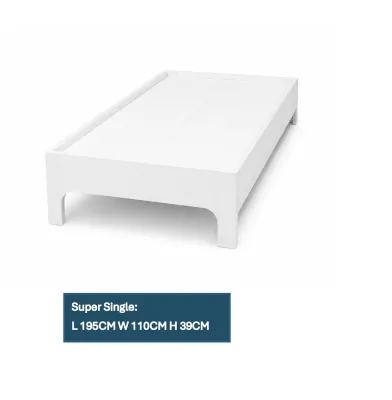
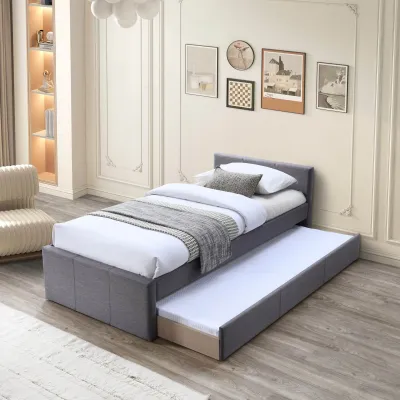
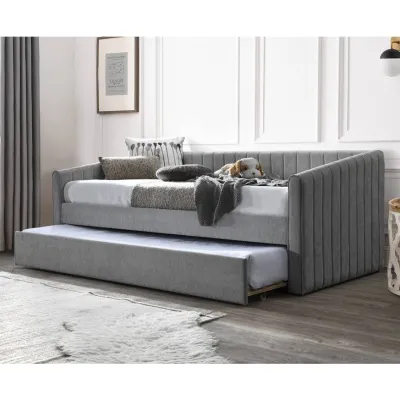

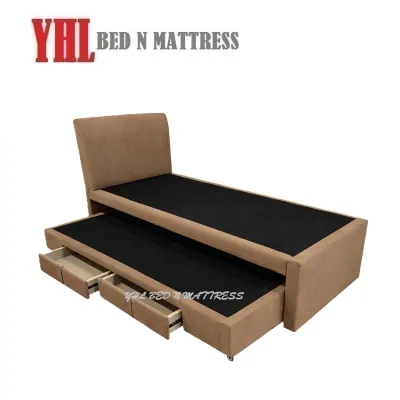
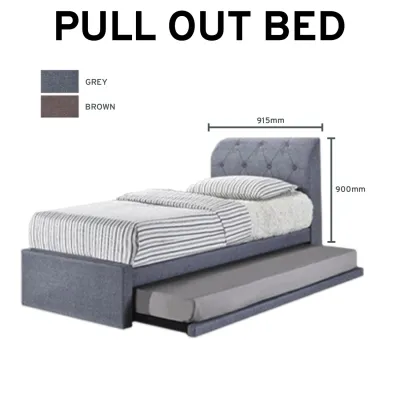

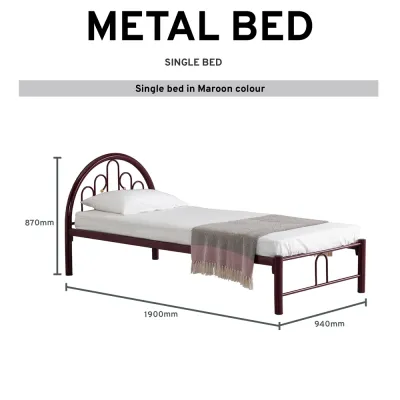
Prices are valid at publication and may change. Please refer to the product page for the latest price.
Several primary injury vectors are associated with pullout beds. Falls from the elevated main bed are a common concern, particularly if the mattress is too thick or guardrails are inadequate. Finger entrapment and severe pinch injuries can occur in the sliding trundle mechanism, especially when children attempt to open or close the bed themselves. Additionally, structural collapse or tipping can happen if the frames are subjected to uneven weight distribution or if the manufacturer’s specified weight limits are exceeded. Understanding these risks allows parents to evaluate potential purchases with a critical eye, looking past aesthetic appeal to focus on physical safety.
Key Safety Features to Verify Before Buying
When shopping for a kids’ pullout bed in Singapore’s retail showrooms or online furniture stores, parents should use a structured checklist to evaluate the physical design and mechanical features of each model.

Guardrails and Fall Prevention
The upper or main bed of a pullout system sits higher than a standard single bed to accommodate the trundle underneath. Consequently, robust guardrails are necessary to prevent nighttime falls, even if the bed is positioned against a wall. Verify that the guardrails are continuous on all sides, leaving only a safe, manufacturer-specified opening for access.
The height of the guardrails relative to the mattress surface is a critical dimension. To ensure the rail remains an effective barrier when a child rolls over, the top of the guardrail should sit at least 160 mm above the top of the mattress. Always check the manufacturer’s recommended mattress thickness; installing a mattress that is too thick will compromise the protective height of the guardrail.
Additionally, measure the gaps between individual slats, spindles, or rails. These gaps must be narrow enough to prevent a child’s head or neck from becoming trapped. Generally, gaps should be kept between 60 mm and 75 mm. If the gaps are wider, there is a risk of head entrapment, which can lead to serious injury.
Entrapment and Pinch Hazards in the Pullout Mechanism
The sliding trundle mechanism is the defining feature of a pullout bed, but it also presents the highest risk of pinch injuries. The point where the moving trundle frame meets the stationary main bed frame can act as a shear point, easily trapping small fingers or toes.
To mitigate this risk, look for pullout beds designed with enclosed tracks or protective anti-pinch covers that shield the rolling wheels and sliding joints. Some premium models incorporate soft-close dampers or safety stoppers that prevent the trundle from slamming shut violently.
When testing a bed in-store, operate the pullout mechanism yourself. It should glide smoothly on its tracks or castors without requiring excessive force. A mechanism that sticks or requires jerking motions is hazardous, as the sudden release of force can cause a child to lose their balance, fall, or accidentally trap their hand under the frame. If the trundle is on castors, ensure they are high-quality and suitable for your flooring type—whether parquet, vinyl, or carpet—to prevent sliding or scraping.
Structural Stability and Weight Limits
A kids’ bed must withstand more than just the static weight of a sleeping child; it must endure the dynamic forces of active play. Start by assessing the bed’s overall footprint. A wider, more stable base prevents the main bed from tipping over when the trundle is fully extended and loaded.
Always verify the manufacturer’s stated maximum weight capacity for both the main bed and the pullout trundle. These limits should accommodate the child’s projected growth over several years, as well as the weight of a parent who might sit on the edge of the bed during storytime. Look for frames constructed from solid hardwoods (such as rubberwood, oak, or beech) or heavy-duty metal, which offer superior structural integrity compared to lightweight plastics or low-grade engineered woods.
Examine the quality of the slat system and joint reinforcements. The slats supporting the mattress should be securely fastened to the frame, and critical load-bearing joints should be reinforced with metal-on-metal barrel nuts and bolts rather than simple wood screws. Wood screws can loosen over time, especially in Singapore’s humid climate, leading to structural instability.
Material Safety and Chemical Standards
Beyond physical and mechanical safety, the chemical composition of the materials used in children’s furniture is a crucial health consideration. Children spend up to half their day in close contact with their beds, making material safety a long-term priority.
Non-Toxic Paints and Finishes
Younger children often touch, scratch, or even chew on accessible parts of their bed frames. Therefore, all paints, varnishes, and finishes applied to the bed must be non-toxic and lead-free. When browsing product specifications, look for finishes certified under international standards such as EN 71-3 (the European safety standard for toys, which restricts heavy metal migration) or Greenguard Gold, which ensures low chemical emissions. Water-based paints are generally preferred over solvent-based alternatives as they emit fewer volatile organic compounds (VOCs).
Formaldehyde Emissions in Engineered Wood
If the pullout bed contains engineered wood components like Medium-Density Fibreboard (MDF) or particleboard, it is essential to check for formaldehyde emissions. Formaldehyde is a common chemical used in wood binders that can off-gas into the indoor air, potentially irritating a child’s respiratory system.
To ensure safe indoor air quality in your home, verify that the engineered wood parts carry recognized low-emission certifications. Look for labels indicating compliance with California Air Resources Board (CARB) Phase 2, EPA TSCA Title VI, or European E1 or E0 standards. These certifications guarantee that the formaldehyde emission levels are within safe, strictly regulated limits.
Mattress Selection and Fit
The safety of a pullout bed is heavily dependent on the mattresses paired with it. For the pullout trundle, the mattress must fit snugly within the frame. If there is too much clearance between the mattress and the sides of the trundle, a dangerous gap is created where a child’s limb or head could become wedged.
Measure the interior dimensions of the trundle frame and compare them directly with the mattress dimensions. The gap between the mattress and the frame sides should not exceed 30 mm. Additionally, choose a firm mattress that provides adequate spinal support for a growing child and resists compression at the edges, further reducing the risk of entrapment.
How to Verify Compliance and Certifications in Singapore
Navigating the furniture market in Singapore requires a discerning approach, as products are imported from various global manufacturers. Knowing how to identify and verify legitimate safety certifications will protect your family from substandard imports.
Recognized International Standards
Since Singapore does not have a unique national standard specifically dedicated to kids’ pullout beds, reputable local retailers import products that comply with recognized international standards. The most common standards to look for include:
- European Standards (EN 747): This standard specifically covers the safety, strength, and durability of bunk beds and high beds, which is highly relevant for the elevated main bed of a pullout system.
- European Standards (EN 1725): This standard specifies safety requirements and test methods for all types of domestic beds.
- American Standards (ASTM F1427): The standard consumer safety specification for bunk beds, focusing on structural integrity and entrapment hazards.
- British Standards (BS EN 747): The UK equivalent of the European safety standard.
Requesting Documentation
Do not rely solely on verbal assurances from showroom sales staff. If a product is advertised as “certified safe” or “compliant with international standards,” ask the retailer to provide a copy of the Declaration of Conformity (DoC) or the third-party test reports from accredited testing laboratories (such as SGS, TÜV SÜD, or Intertek). A reputable retailer will readily share these documents or have them accessible in the product manual.
Electrical Safety (The SAFETY Mark)
Some modern kids’ beds feature integrated electrical components, such as built-in LED reading lights, USB charging ports, or motorized pullout mechanisms. In Singapore, any controlled electrical goods, including the AC adapters or power supply units associated with these integrated features, must be registered with the Consumer Product Safety Office and carry the distinctive SAFETY Mark. Verify the presence of this mark on the electrical components to prevent fire hazards or electrical shocks.
Avoiding Unverified Online Marketplaces
While online marketplaces offer convenience and low prices, purchasing unbranded, cheap pullout beds from unverified sellers carries significant risk. These products often bypass standard safety checks, lack clear assembly instructions, and may use sub-standard materials with high chemical emissions. Prioritize established local brands or retailers with physical showrooms in Singapore where you can physically inspect the build quality and hold the seller accountable for after-sales support.
Safe Setup and Daily Maintenance
Securing a safe bed does not end at the checkout counter. Proper assembly, thoughtful room placement, and regular maintenance are essential to keeping the bed safe throughout its lifespan.
Assembly and Room Placement
When assembling the bed, follow the manufacturer’s instructions meticulously. Use all the provided hardware, including dowels, washers, and locking bolts. Never skip steps or substitute hardware, as even a single missing screw can compromise the structural integrity of the frame. If you are not confident in your assembly skills, pay for professional installation services offered by the retailer.
Position the bed carefully within the bedroom. Ensure the main bed and the fully extended trundle are kept well away from ceiling fans, air conditioning units, windows, curtain or blind cords, and heavy shelving units. A child standing on the bed should not be able to reach any potential hazards. If the bed frame is tall or lightweight, consider anchoring the main frame to the wall using heavy-duty L-brackets to eliminate any risk of tipping.
Routine Maintenance
Establish a simple maintenance routine to ensure the bed remains safe over years of use. Every six months, perform a thorough inspection of the bed frame:
- Tighten Hardware: Check and tighten all screws, bolts, and joint connectors. The natural movement of the bed and changes in Singapore's indoor humidity can cause hardware to loosen over time.
- Inspect the Tracks: Clean the trundle tracks or castors regularly to remove dust, lint, and small toys that could obstruct smooth movement.
- Check for Splinters or Cracks: Inspect wood frames for any splintering, cracks, or peeling finish, and smooth down any rough areas immediately to prevent minor injuries.
Frequently Asked Questions (FAQ)
At what age is it safe for a child to sleep on the upper bed?
The general safety consensus among pediatric and furniture safety organizations is that children under the age of six should not sleep on elevated beds, including the upper bed of a pullout system. Younger children often lack the spatial awareness and coordination needed to navigate the height safely, increasing the risk of nighttime falls. For toddlers and younger children, the floor-level pullout trundle is a much safer option, provided the room is thoroughly child-proofed and the mattress fits securely.
How thick should the trundle mattress be for safety?
The thickness of the trundle mattress is constrained by the clearance height of the main bed frame. Typically, a trundle mattress should be between 10 cm and 15 cm thick. Always consult the manufacturer’s specifications for the exact maximum mattress thickness allowed. Using a mattress that exceeds this limit will prevent the trundle from sliding smoothly underneath the main bed, which can damage the frame, wear out the tracks, or create dangerous entrapment gaps between the mattress and the upper structure.
Community discussion
Share your experience or ask a question. Comments are reviewed before publication.