
Selecting a single wooden bed frame for a child in Singapore requires looking beyond aesthetics to evaluate structural safety, physical dimensions, and chemical composition. Because children spend a significant portion of their day in bed, and because Singapore’s tropical climate can actively affect wood stability and finishes, parents must prioritize verifiable safety standards over generic marketing claims. A safe bed frame must prevent falls, eliminate entrapment hazards, withstand active physical use, and use non-toxic materials that do not off-gas harmful chemicals. By systematically checking certifications, measuring physical gaps, and performing regular maintenance, you can ensure your child’s sleeping environment remains completely secure.
Verifying Safety Certifications and Manufacturer Claims
When shopping for a wooden bed frame single model, you will frequently encounter terms like “child-safe,” “non-toxic,” or “certified sturdy.” However, these marketing labels carry no legal weight unless backed by documented testing. To verify a manufacturer’s claims, start by looking for specific safety certification labels on the product packaging, assembly manuals, or the brand’s official technical specifications.
While Singapore does not always mandate a single specific local standard for domestic children’s bed frames, voluntary compliance with established international standards is a reliable indicator of quality. Look for certifications such as the European Standard EN 1725 (which dictates safety requirements and test methods for beds) or the American ASTM standards. These frameworks subject bed frames to rigorous load, stability, and impact tests to ensure they can withstand daily wear and tear without collapsing or tipping.
Products mentioned in this guide
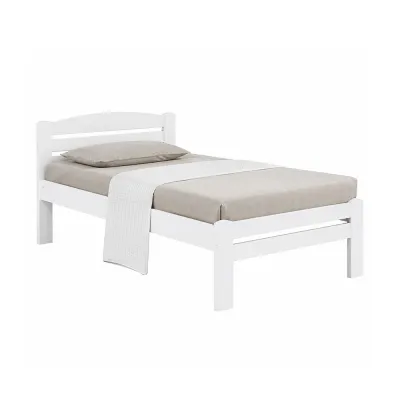
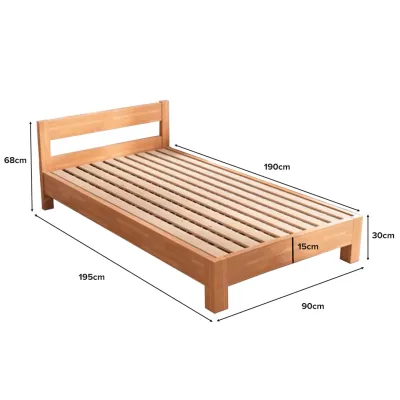

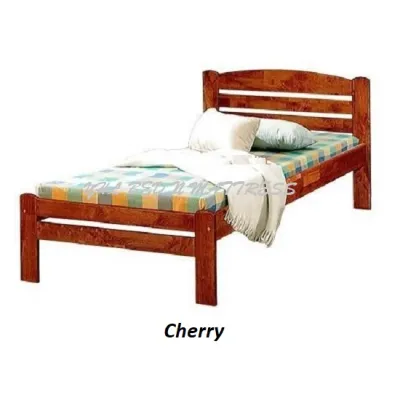
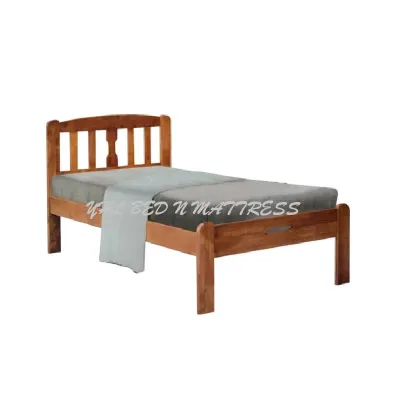
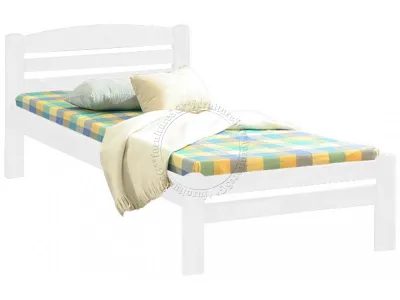

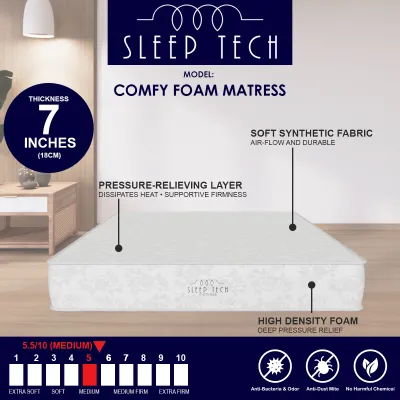
Prices are valid at publication and may change. Please refer to the product page for the latest price.
If a retailer claims their wooden bed frame single option meets these standards but does not display the certification marks, do not hesitate to request the official test reports or compliance certificates. Authorized retailers should be able to obtain these documents from the manufacturer. If a brand is unwilling or unable to provide documented proof of testing, it is safer to assume the product has not undergone independent safety verification. Avoid accepting vague assurances; instead, prioritize brands that transparently share their testing credentials and laboratory reports.
Critical Structural Dimensions and Physical Safety Checks
Physical safety is largely determined by the precise dimensions of the bed frame and how well it integrates with the mattress. Even a minor deviation in spacing can create dangerous entrapment zones for a child’s head, neck, or limbs.

Guardrails and Edges
- Height Requirements: If the single wooden bed frame is elevated or intended for a younger child, guardrails are a critical safety feature. The top of the guardrail must sit at least 160 mm above the top of the mattress to prevent the child from rolling out of bed during sleep. When calculating this, always account for the actual thickness of your mattress, as an overly thick mattress will reduce the effective height of the guardrail.
- Impact Protection: Run your hands along all exposed edges and corners of the frame. Every corner should be smoothly rounded (radiused) to prevent bruising or lacerations in the event of an accidental fall or bump.
Slat and Gap Spacing
- Entrapment Prevention: The spacing between the bed slats (the wooden boards supporting the mattress) and the vertical spindles of any guardrails must be carefully measured. To prevent head or limb entrapment, the gaps between these components should be narrow enough that a child's body cannot slip through.
- Safe Spacing Limits: A general safe spacing principle is to ensure that no gap exceeds 60 mm. If the gaps are wider than this, there is a risk that a child's torso could slip through the opening while their head remains trapped, posing a severe safety hazard.
Corner Posts and Protrusions
- Snagging Hazards: Inspect the bed frame for any tall corner posts or decorative protrusions. Except for specialized designs like canopy beds, corner posts should not extend more than 5 mm above the adjacent side rails or footboard.
- Strangulation Risks: Tall, narrow protrusions are highly dangerous because they can easily catch loose clothing, pajama drawstrings, or necklaces. If a child jumps or falls from the bed and their clothing snags on a protruding post, it can lead to accidental strangulation.
Mattress Fit
- Standard Sizing: In Singapore, a standard single mattress typically measures 91 cm in width and 190 cm in length. When purchasing a wooden bed frame single size, you must verify that the inner dimensions of the bed frame cavity match these measurements precisely.
- Gap Elimination: There should be no significant gaps between the mattress and the frame sides, headboard, or footboard. A gap wider than 30 mm is a hazard, as a child's hand, foot, or leg can easily slip into the space and become wedged against the hard wooden frame.
Material Safety: Finishes, Coatings, and Wood Quality
The chemical safety of a wooden bed frame is just as important as its structural integrity. Children are highly sensitive to airborne chemicals, and younger children may occasionally bite or chew on the bed frame’s rails.
Non-Toxic Finishes
Always check the product specifications to ensure that all paints, varnishes, stains, or sealants used on the wood are certified non-toxic. Look for finishes that are water-based, low-VOC (Volatile Organic Compounds), and lead-free. Certifications such as GreenGuard Gold or compliance with the European EN 71-3 standard (which regulates the migration of chemical elements in children’s toys and furniture) provide assurance that the bed frame will not release harmful chemical fumes into your child’s bedroom.
Wood Surface Inspection
While solid wood is generally preferred for its durability, the quality of the timber must be inspected closely. Examine the frame for any visible defects such as large, loose knots, deep hairline cracks, or splintered edges. In Singapore’s high-humidity environment, wood naturally absorbs moisture, which can cause poorly seasoned timber to warp, split, or develop mold. Ensure the wood has been properly kiln-dried and sealed to resist moisture absorption and maintain its structural strength over time.
Odor and Off-Gassing
When you first unbox a new wooden bed frame, pay close attention to its smell. A strong, pungent chemical odor is a clear sign of off-gassing, which often originates from synthetic adhesives, formaldehyde-laden engineered woods (like low-grade MDF or particleboard), or cheap solvent-based lacquers. To minimize exposure, choose solid wood frames assembled with non-toxic glues. If any odor is present, assemble the bed in a well-ventilated space and allow it to air out completely for several days before allowing your child to sleep on it.
Hardware Quality
The structural joints of a child’s bed frame must be secured with high-quality, heavy-duty hardware. Look for steel bolts, barrel nuts, and dowels rather than simple wood screws, which can strip the wood and loosen over time. All hardware should be fully recessed into the wood or covered with smooth, flush-fitting plastic caps. Exposed bolt heads or sharp screw threads can cause painful scratches or snag bedding and clothing.
Assembly, Stability, and Ongoing Maintenance Checks
Even the highest-quality wooden bed frame single model can become unsafe if it is assembled incorrectly or neglected over time. Proper installation and regular maintenance are vital to preserving the bed’s structural integrity.
Assembly Instructions
When assembling the bed frame, strictly follow the manufacturer’s step-by-step instructions. Never skip any steps, and do not substitute missing hardware with random screws from your home toolbox. If any parts are missing or damaged upon delivery, contact the retailer immediately for official replacements. Ensure that every slat is securely fastened to the side rails as directed, as loose slats can shift and cause the mattress to collapse.
Stability and Weight Limits
Once assembly is complete, perform a thorough stability test. Place both hands on the headboard and shake the frame firmly; there should be no noticeable wobbling, swaying, or creaking. Next, verify the manufacturer’s stated maximum weight capacity. This limit must comfortably accommodate the weight of the mattress, your child, and any additional weight from bedding or occasional co-sleeping. Keep in mind that children often jump on their beds, which exerts dynamic forces far exceeding their static body weight.
Anti-Tip and Anchoring
If the single wooden bed frame features an integrated high headboard, built-in shelving, storage drawers, or an elevated loft design, it may pose a tipping hazard if climbed on. In such cases, the frame must be securely anchored to the wall. Because most homes in Singapore feature concrete or brick walls, you will need to use a hammer drill, appropriate masonry wall plugs, and heavy-duty L-brackets to secure the furniture safely. Follow the manufacturer’s specific anchoring guidelines to eliminate any risk of tip-over accidents.
Routine Maintenance
Singapore’s persistent humidity can cause wood to expand and contract slightly throughout the year, which naturally loosens joint connections over time. Establish a recurring maintenance schedule to inspect the bed frame every three to six months. Use this time to tighten all bolts and screws, check that the slats remain firmly in place, and inspect the wood for any new cracks, splinters, or signs of wear. Address any loose hardware immediately to prevent minor wobbles from turning into structural failures. Whether you are investing S$300 or S$1,000 in a high-quality frame, verifying these details protects both your budget and your child.
Frequently Asked Questions (FAQ)
Can I use a standard single wooden bed frame for a toddler?
Transitioning a toddler directly to a standard single wooden bed frame requires careful modification. Standard single beds are typically higher off the ground than dedicated toddler beds, increasing the risk and severity of falls. They also lack the built-in, wrap-around guardrails found on toddler-specific models. If you choose to use a standard single frame, you must install compatible, securely attached aftermarket guardrails to prevent falls. Additionally, ensure the mattress is relatively thin to maximize the effective height of the guardrails, and place a soft rug or play mat on the floor next to the bed to cushion any accidental slips.
How often should I inspect the bed frame's hardware and joints?
You should perform your first hardware inspection approximately two weeks after the initial assembly, as the wood and metal components will have settled under the weight of the mattress. After this initial check, inspect the joints and hardware every three to six months. Do not wait for the scheduled check if you notice warning signs of structural looseness. These signs include audible creaking or squeaking when your child gets into bed, visible swaying or wobbling when pressure is applied, or small gaps opening up between the wooden joints at the corners of the frame. Tighten any loose bolts immediately to maintain stability.

Community discussion
Share your experience or ask a question. Comments are reviewed before publication.