
To ensure a kids’ floating bed with storage is safe for daily use in Singapore, it must comply with rigorous structural, material, and mechanical safety standards. These beds combine a recessed support base—which creates the visual illusion of floating—with integrated drawers or hydraulic lift-up compartments. While this design is highly effective for maximizing floor space in compact urban bedrooms, the added mechanical parts and elevated structure introduce specific risks like tipping, finger entrapment, and structural failure. Parents must prioritize verified safety certifications, robust physical design checks, and secure installation over aesthetic appeal.
Verifying Safety Certifications and Compliance Labels
When shopping for children’s furniture, relying on marketing claims is never sufficient. Legitimate manufacturers test their products against recognized international safety standards, such as European (EN) or American (ASTM) specifications, which govern children’s sleep environments. These standards dictate structural load capacities, gap dimensions, and chemical emission limits for paints and finishes.
Before purchasing, ask the retailer for a Certificate of Conformity or an official test report from an accredited third-party laboratory. A reputable seller should readily provide documentation verifying that the bed frame, adhesives, and finishes are safe. Be cautious on online marketplaces selling unbranded furniture; if a seller cannot provide a physical manual, clear manufacturer contact details, or proof of safety testing, avoid the product.
Products mentioned in this guide




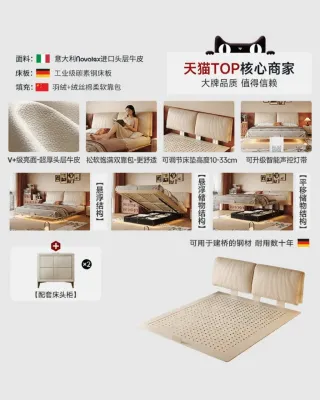
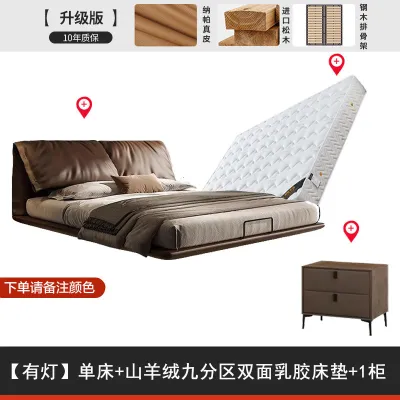

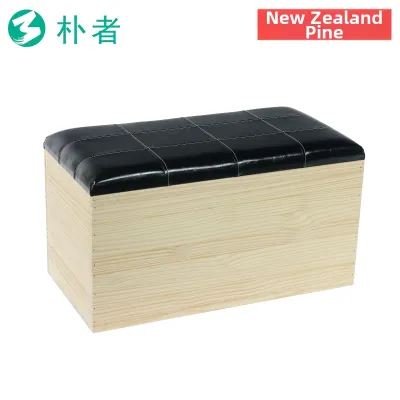
Prices are valid at publication and may change. Please refer to the product page for the latest price.
Understanding the difference between general adult furniture standards and child-specific regulations is also crucial. Adult standards focus primarily on static weight loads. In contrast, children’s standards enforce strict limits on gap dimensions to prevent head or limb entrapment, and they mandate rigorous testing for heavy metals in surface coatings. Always verify that safety claims reference child-specific standards rather than general domestic use.
Evaluating Structural and Physical Design Safety
The physical construction of a floating bed must prevent falls, entrapment, and impact injuries. If the bed features an elevated platform, guardrails are an absolute necessity. Verify that guardrails are continuous, securely bolted, and rise to a safe height above the mattress. The gaps between individual guardrail slats must be narrow enough to prevent a child’s head or torso from slipping through.

Mattress compatibility is another critical safety factor. A mattress that is too small leaves dangerous gaps along the sides where limbs can become trapped. Ensure the mattress dimensions align perfectly with the manufacturer’s specifications. Additionally, inspect the slat system; spacing must support the mattress evenly to prevent sagging and eliminate entrapment zones.
The materials used directly impact structural safety and indoor air quality. Run your hands along all accessible surfaces to check for rounded edges, smooth finishes, and the absence of sharp corners or exposed hardware. Ensure the manufacturer declares that materials—whether solid timber or engineered wood—are finished with non-toxic, low-VOC lacquers or water-based paints. This is vital in Singapore’s warm, humid climate, which can accelerate chemical off-gassing from low-quality adhesives.
Finally, confirm the manufacturer’s stated weight capacity for the frame and the recessed base. Because a floating bed relies on a centralized pedestal to hide the legs, it must handle uneven weight distribution. The base must support the combined weight of the mattress, bedding, and child, while resisting the dynamic forces of climbing or sitting on the outer edges.
Ensuring Storage Mechanism and Anti-Trap Safety
Integrated storage components introduce moving parts that can pose crushing or pinching hazards. If the bed features a hydraulic lift-up deck, the gas struts must be rated specifically for the mattress weight. Weak struts can allow the heavy deck to drop suddenly. Look for lift-up mechanisms with safety locks or soft-close dampers that prevent the deck from slamming down.
For beds with pull-out drawers in the recessed base, safety stoppers are critical to prevent drawers from falling out of their tracks onto a child’s feet. The drawer slides should operate smoothly and feature soft-close mechanisms to prevent pinched fingers.
Identify and mitigate potential finger-trap gaps in all moving parts. Examine clearance spaces between drawer fronts, sliding panels, and the main frame. Any gap that opens and closes during operation should be too small for a finger to enter or wide enough to prevent crushing.
In Singapore’s humid environment, enclosed storage can trap moisture, leading to mold and mildew. This damages the furniture and can trigger respiratory issues or allergies. Choose a bed design incorporating ventilation slots, breathable panels, or slatted bases to promote continuous airflow.
Planning Installation, Anchoring, and Room Clearance
A floating bed’s unique design makes correct installation and spatial planning essential. Because the support base is recessed, the bed’s center of gravity differs from a standard four-legged bed. To prevent tipping or wobbling when weight is concentrated on the outer edges, many manufacturers require the frame to be securely anchored to the wall.
Before installing, assess the wall construction in the bedroom. In Singapore, walls are typically solid concrete, brick, or drywall. Secure anchoring requires using the correct wall plugs, brackets, and heavy-duty screws designed for your wall type. Never secure a heavy kids’ bed to drywall using standard plastic anchors; instead, locate studs or anchor directly into solid masonry.
Verify that the recessed base makes full, level contact with the floor. If the floor is slightly uneven, use durable, non-slip leveling pads to stabilize the frame. Avoid placing the bed partially on a thick area rug, as this uneven surface can compromise the structural balance of the base.
Carefully plan spatial clearance around the bed. Measure the bedroom to confirm there is adequate space to fully extend drawers or lift the bed deck without blocking walkways. A clear path prevents tripping hazards, particularly at night. Additionally, verify that the bed’s largest components can fit through your home’s doorways, hallways, and lift access before purchasing.
Conducting Routine Inspections and Maintenance
Maintaining the long-term safety of a kids’ floating bed requires regular inspections. Over time, active movement can cause hardware, bolts, and joints to loosen. Establish a routine every few months to check all structural connections and tighten any loose fasteners.
Regularly inspect the mechanical storage components. For lift-up beds, check hydraulic gas struts for oil leaks, unusual noises, or loss of tension. If the bed deck feels heavy to lift or fails to stay open, replace the struts immediately to prevent accidental closure.
Examine the wooden slats and support beams beneath the mattress for wear, such as hairline cracks, splintering, or permanent sagging. Damaged slats compromise mattress support and can break under sudden impact, leading to structural collapse.
Establish clear stop-use conditions. If you discover a cracked structural beam, a failing hydraulic lift, or a loose wall anchor, stop using the bed immediately. Keep your child off the bed and consult the manufacturer or a qualified professional to resolve the issue.
Frequently Asked Questions (FAQ)
Is a recessed floating base stable enough for an active child?
Yes, a professionally engineered recessed base is highly stable, provided it features a robust internal support frame and is installed correctly. The stability relies on a heavy, centralized pedestal that distributes weight evenly. When selecting a bed, check the manufacturer’s specified dynamic weight limits, which account for active movement, rather than relying solely on static weight limits. For highly active children, choosing a model with wall-anchoring brackets provides an extra layer of security against tipping.
What should I do if the hydraulic storage lift starts dropping too quickly?
If the hydraulic lift-up mechanism starts dropping too quickly or feels heavy, stop using the storage compartment immediately. Keep children away from the bed and do not allow them to operate or play near the lift deck. Do not attempt to adjust or repair pressurized gas struts yourself, as they contain high-pressure gas and can cause severe injury. Contact the manufacturer or a certified technician to source and install matching replacement struts.

Community discussion
Share your experience or ask a question. Comments are reviewed before publication.