
In space-constrained homes, such as apartments and HDB flats in Singapore, maximizing floor space is a top priority for growing families. A single loft bed offers an excellent layout solution by elevating the sleeping area to open up valuable floor space underneath for study desks, play zones, or storage. However, elevating a child’s bed introduces unique safety considerations that require careful evaluation before making a purchase.
Selecting the right single loft bed involves looking beyond aesthetics and storage configurations. Parents must systematically evaluate the bed’s structural integrity, safety features, and suitability for their child’s developmental stage. By focusing on key safety indicators, you can create a secure, functional, and comfortable environment that supports both restful sleep and safe daily use.
Assessing Age and Maturity Readiness
Before exploring specific bed designs, the first step is determining whether your child is developmentally ready for an elevated sleeping space. Industry safety guidelines generally recommend that children under the age of six should not sleep in top bunks or loft beds. This recommendation is based on the development of motor skills, balance, and spatial awareness required to navigate ladders safely, especially when disoriented in the middle of the night.
Products mentioned in this guide
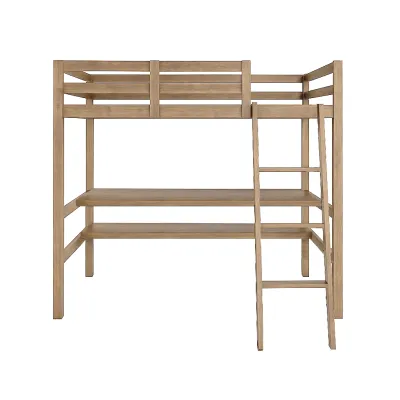
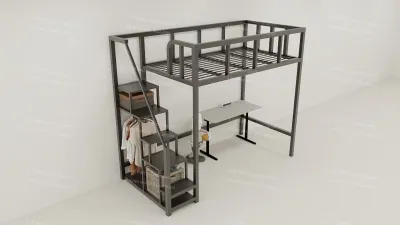
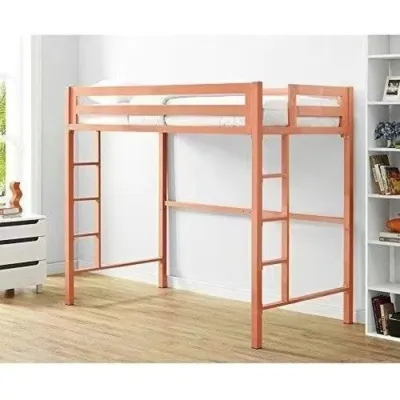
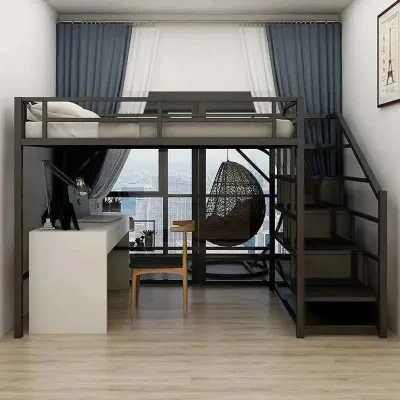
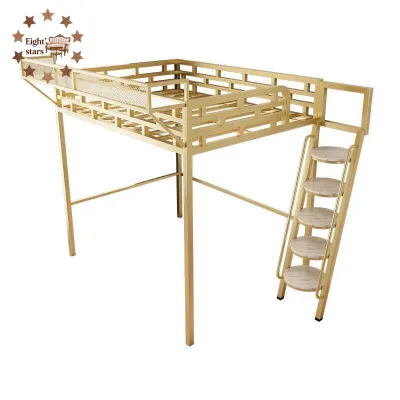
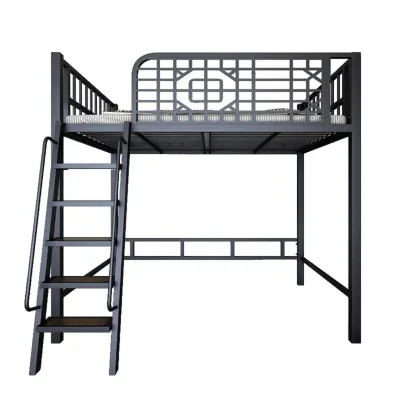

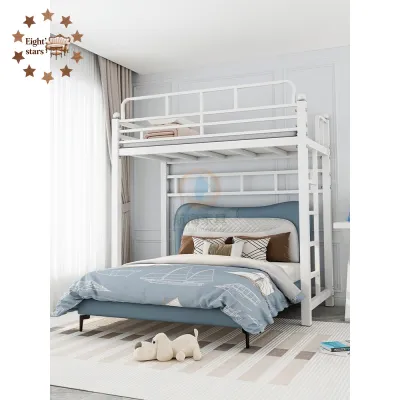
Prices are valid at publication and may change. Please refer to the product page for the latest price.
When evaluating a single loft bed, always locate and check the manufacturer’s minimum age recommendation label. This label is typically affixed to the bed frame or detailed in the assembly manual. If a product lacks clear age guidelines, treat this as a signal to look for alternative options that prioritize transparent safety communication.
Beyond chronological age, assess your child’s individual behavioral patterns and physical capabilities. Consider whether your child sleepwalks, tosses and turns excessively, or frequently wakes up disoriented. A child who regularly climbs out of bed in the dark to use the restroom needs the coordination to descend a ladder safely while half-awake.
Evaluate how well your child understands and follows household safety rules. If your child tends to view furniture as play equipment or enjoys roughhousing, an elevated bed may introduce unnecessary risks. A loft bed requires a level of maturity where the child respects the space as a designated sleeping area rather than a climbing gym.
Inspecting Guardrails and Fall Prevention Features
Guardrails are the primary defense against accidental falls during sleep. A safe single loft bed must feature continuous guardrails on all four sides of the elevated platform. Even if you plan to place the bed flush against a wall, a guardrail is still necessary on the wall-facing side, as beds can shift over time, creating dangerous gaps where a child could slip through.

When inspecting guardrails, pay close attention to the height of the barrier relative to the mattress. The top of the guardrail must extend significantly above the surface of the mattress to prevent a sleeping child from rolling over the edge. Check the manufacturer’s specifications for the maximum recommended mattress thickness to ensure that the guardrail maintains a safe, effective barrier height once the mattress is in place.
Examine the spacing of the guardrail supports and any decorative slats. The gaps between these slats must be narrow enough to prevent a child’s head or torso from slipping through. Loose or overly wide spacing poses a serious entrapment hazard, so look for tightly spaced, rigid vertical supports that do not flex under pressure.
Ladder Safety Checklist
- Attachment Method: Verify that the ladder is securely bolted or locked to the bed frame rather than simply hooked over the side, which can easily dislodge.
- Step Design: Look for wide, flat steps or rungs that provide comfortable, slip-resistant traction for bare feet, rather than narrow, rounded metal bars.
- Hand Grabs: Ensure there are sturdy handholds or extended guardrail cutouts at the top of the ladder to help your child transition safely from climbing to lying down.
Evaluating Structural Stability and Weight Limits
A loft bed must withstand not only the weight of a sleeping child but also the dynamic forces of climbing, changing sheets, and daily movement. When evaluating materials, solid timber and heavy-gauge metal frames offer distinct structural characteristics. Regardless of the material, the quality of the joints and fasteners determines the long-term stability of the bed.
Inspect the joint connections closely during your search. High-quality loft beds utilize heavy-duty metal-on-metal bolts and threaded inserts rather than simple wood screws. Wood screws can loosen, strip, and weaken the frame over time, especially if the bed is disassembled and reassembled during a move. Look for frames that include corner bracing or reinforcing brackets to minimize lateral sway.
Always verify the manufacturer’s stated maximum weight limit for the single loft bed. This limit must comfortably accommodate the combined weight of the mattress, bedding, your child, and a margin for their natural growth over the coming years. Keep in mind that weight limits are calculated based on static weight; sudden impacts, such as a child jumping onto the bed, exert much higher dynamic forces.
If you are shopping in a physical showroom, perform a hands-on stability test. Apply firm physical pressure to the top frame and try to shake it from side to side. A well-constructed loft bed should feel rigid and exhibit minimal wobble. For online purchases, carefully review the retailer’s return policy and inspect the structural components immediately upon delivery before proceeding with assembly.
Planning Safe Room Placement and Clearance
Safe room placement is just as critical as the safety features of the bed itself. Before purchasing a single loft bed, take precise measurements of your child’s bedroom, paying close attention to vertical clearance. In many standard residential layouts, ceiling heights can restrict the usability of elevated furniture.
Ensure there is adequate headroom for your child to sit up comfortably in bed without striking their head on the ceiling. As a general rule, aim for a generous clearance between the top of the mattress and the ceiling. This space allows for comfortable movement, easy bed-making, and proper air circulation in the sleeping area.
Environmental Hazard Checks
- Ceiling Fans and Lights: Position the bed far away from ceiling fans and hanging light fixtures. A child reaching out or sitting up quickly must have no risk of contacting moving blades or hot bulbs.
- Window Proximity: Avoid placing the loft bed directly adjacent to operable windows. If placement near a window is unavoidable, ensure the window is fitted with safety locks or restrictors that prevent it from opening wide enough to pose a fall hazard.
- Wall Hazards: Keep the bed clear of wall-mounted shelving, heavy framed artwork, and window blind cords. Dangling cords present a severe strangulation hazard and must be kept entirely out of reach from the elevated platform.
Establishing Maintenance Routines and Safety Rules
Safety does not end once the single loft bed is assembled. Because elevated beds experience constant movement, establishing a regular maintenance routine is essential for preserving structural integrity. Over time, the vibrations from climbing up and down can cause bolts and fasteners to back out slightly.
Create a schedule to inspect the bed frame periodically, such as every few months. Use the tools provided in the original assembly kit to check and tighten all screws, bolts, and brackets. Pay special attention to the ladder attachments and guardrail connections, ensuring there is no play or wobbling in these critical areas.
Alongside physical maintenance, establish clear, non-negotiable household safety rules with your child. Consistency is key to preventing accidents. Ensure your child understands that the loft bed is designed strictly for sleeping and quiet activities, not for active play.
Essential Bedtime Rules
- No Roughhousing: Prohibit jumping, hanging from the guardrails, or playing tag on or under the bed frame.
- Single Occupancy: Ensure only one child is on the elevated platform at any given time, unless the manufacturer explicitly states the frame is rated for multiple occupants.
- Clear Path: Keep the ladder and the floor space directly beneath it completely clear of toys, shoes, and clutter to prevent trips and falls.
To make nighttime navigation safer, install a soft nightlight near the base of the ladder. A motion-activated light or a low-wattage plug-in light ensures that if your child needs to get up in the dark, they can clearly see each rung of the ladder, reducing the risk of missteps or slips.
Frequently Asked Questions (FAQ)
Can I use a thicker mattress than the one recommended for a loft bed?
No, you should never exceed the manufacturer’s maximum mattress thickness recommendation for a single loft bed. Guardrails are designed to provide a specific safety barrier height above the mattress surface. Introducing a thicker mattress reduces this effective barrier height, making it much easier for a child to accidentally roll over the top of the guardrail during sleep. Always check the product manual for the exact mattress height specifications before purchasing a new mattress.
Are loft beds with built-in desks or slides safe?
Loft beds with integrated features like desks, shelving, or slides can be safe, provided you verify their structural stability and installation quality. When choosing a model with a slide, ensure there is a wide, completely unobstructed landing zone at the bottom, free of other furniture or sharp corners. For built-in desks, check that the desk support panels do not interfere with the ladder access and that there are no sharp overhead edges that could cause head-strike injuries when your child climbs into or out of bed.
Community discussion
Share your experience or ask a question. Comments are reviewed before publication.