
A bedframe with storage is an excellent space-saving solution for children’s bedrooms, especially in compact urban apartments where maximizing floor space is essential. However, integrating moving parts, heavy drawers, or hydraulic lifts into a child’s sleeping area introduces specific safety risks that parents must carefully evaluate. To ensure a safe sleeping and playing environment, parents must inspect the structural integrity, mechanism safety, and potential hazard zones of these multi-functional beds before and during use.
The primary safety risks associated with storage bedframes involve physical injuries such as pinched fingers, trapping hazards, and tipping accidents. These risks vary depending on whether the bed utilizes pull-out drawers, hydraulic lift-up bases, or open compartments. Mitigating these hazards requires a combination of proactive product inspection, adherence to manufacturer weight limits, and proper wall anchoring.
Inspecting Drawer Mechanisms for Pinch and Tipping Risks
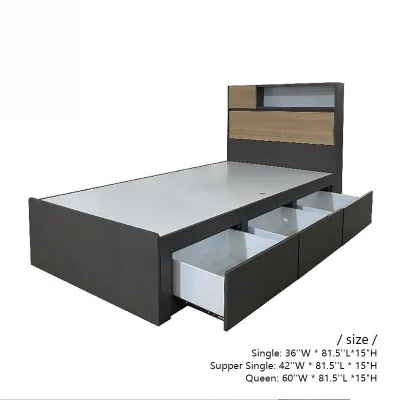
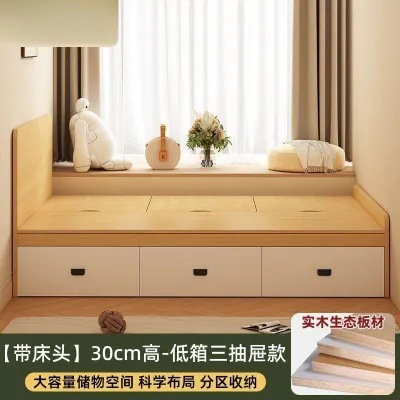
Pull-out drawers are among the most common storage options for children’s beds, offering easy access to toys, extra bedding, and clothing. While convenient, these drawers can pose significant risks if they lack proper safety mechanisms. The first critical feature to inspect is the presence of built-in drawer stops or anti-tip runners. Without these stops, a child can easily pull a heavy drawer completely out of its tracks, causing it to fall onto their feet or hands.
Products mentioned in this guide


![[PRE-ORDER] Getha Leaf Storage Bedframe](https://img.lazcdn.com/g/p/5c1e2c40069e3f287bf5dcf8cdcb1340.jpg_400x400q80.jpg_.webp)

Prices are valid at publication and may change. Please refer to the product page for the latest price.
Another common hazard is the gap between the drawer front and the bedframe itself. When drawers are pushed closed, small fingers can easily get caught in these gaps, leading to painful pinch injuries. Parents should look for drawers designed with soft-close glides or those that maintain a safe clearance gap even when fully closed. Testing the drawer operation personally allows you to feel if the glide path is smooth or if it requires excessive force that could cause a child to lose control of the drawer.
Bed stability is also a major concern when drawers are fully extended. When loaded with heavy books or toys, extended drawers shift the center of gravity of the bedframe forward. To test this, fully extend the heaviest drawer when it is loaded with typical items and check for any lifting or wobbling at the back of the bed. If the bedframe shows any signs of tilting, it indicates a serious stability issue that requires immediate anchoring or a redistribution of stored items.
Evaluating Lift-Up Storage: Hydraulics and Closing Hazards
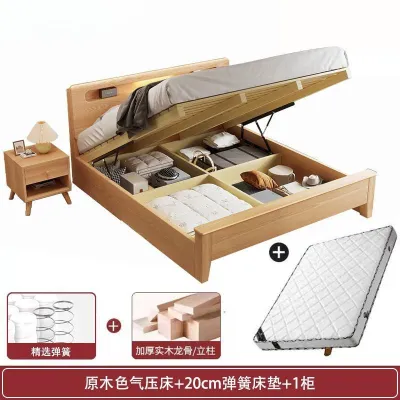
Lift-up storage beds, which utilize hydraulic gas struts to lift the entire mattress platform, offer massive storage capacity but carry the highest risk of severe crushing or trapping injuries. The lifting mechanism must be robust enough to hold the mattress securely in the open position without any assistance. If the hydraulics are weak or worn out, the heavy platform can slam down unexpectedly while a child is reaching inside the storage compartment.

When evaluating a lift-up bedframe with storage, look for models equipped with mechanical safety locks or manual prop rods. These physical locks act as a secondary backup, ensuring the platform remains open even if the hydraulic struts fail. Slow-close hinges or dampening systems are also vital, as they prevent the platform from dropping rapidly if it is accidentally pushed down.
Furthermore, hydraulic systems are calibrated for specific weight ranges. Using a mattress that is too light can cause the platform to spring open violently when unlatched, while a mattress that is too heavy can overwhelm the struts, causing the platform to fall. Always verify the manufacturer’s specified mattress weight limits and ensure your chosen mattress falls strictly within this range to maintain proper hydraulic balance.
Open Compartments and Headboard Shelves: Entanglement and Anchoring
Open cubbies, low shelves, and integrated headboard storage are popular for displaying books and toys, but they present unique physical hazards. Because children naturally view shelves as climbing frames, any bed with elevated or headboard-mounted storage must be securely anchored to the wall. If a child attempts to climb the shelves to reach a toy, an unanchored bedframe can easily tip over, leading to severe impact injuries.
Parents should also conduct a physical touch-test of all open compartments. Run your hands along the edges, corners, and interior surfaces of the cubbies to check for rough wood, splinters, or protruding assembly hardware like screws and brackets. These imperfections can snag clothing, leading to entanglement hazards, or cause direct cuts and scratches to a child’s skin.
In humid climates like Singapore, enclosed or semi-enclosed storage compartments can quickly become breeding grounds for mold and mildew if they lack proper airflow. When inspecting open compartments or under-bed cubbies, check for ventilation holes or slatted backings. Proper air circulation is essential to prevent moisture from trapping against the mattress or stored items, protecting your child’s respiratory health.
General Structural Checks and Maintenance Routines
The safety of a storage bedframe is not a one-time check at the time of assembly; it requires ongoing maintenance to ensure long-term structural integrity. The added weight of stored items, combined with the daily movement of a child jumping or shifting on the bed, puts continuous stress on the frame’s joints and connections. Parents should establish a routine to inspect and tighten all bolts, screws, and brackets every few months.
During these routine checks, pay close attention to the support slats and center beams. Look for any signs of bowing, cracking, or material fatigue, particularly around the areas where the storage mechanisms attach to the main frame. A compromised support beam can lead to a sudden collapse of the mattress platform, especially when subjected to sudden impacts like a child jumping onto the bed.
Finally, always keep the manufacturer’s care and maintenance guidelines accessible. These documents outline the maximum weight capacity for both the sleeping platform and the individual storage compartments. Exceeding these limits compromises the structural safety of the bed, increasing the risk of mechanical failure or frame warping over time.
Frequently Asked Questions (FAQ)
At what age is a lift-up storage bed safe for a child to operate?
A lift-up storage bed is generally not safe for toddlers or young children to operate independently. Children typically do not develop the physical strength, coordination, and cognitive awareness of crushing hazards required to safely handle hydraulic lift platforms until they are at least 12 years old. For younger children, access to the lift-up compartment should be strictly supervised by an adult. Parents should consider locking or securing the lift mechanism to prevent curious toddlers from attempting to open it on their own.
How can I prevent mold in under-bed storage drawers?
To prevent mold in under-bed storage drawers, especially in humid environments, avoid storing items directly on the drawer floors. Instead, place clothing and bedding inside sealed plastic storage bins before placing them in the drawers. Place moisture-absorbing packets or silica gel sachets inside the compartments to control ambient humidity. Additionally, make it a habit to pull the drawers fully open during weekly cleaning routines to allow fresh air to circulate throughout the under-bed space.

Community discussion
Share your experience or ask a question. Comments are reviewed before publication.