
Buying a double decker bed with mattress is an excellent way to maximize floor space in compact apartments and HDB flats. By stacking two sleeping areas vertically, you free up valuable room for study desks, play zones, or storage wardrobes. However, because these elevated structures place children at a height, safety must be your absolute priority before making a purchase.
To ensure a double decker bed with mattress is safe for your children, you must verify several critical safety features. These include robust guardrail heights that clear the mattress, secure gap measurements to prevent entrapment, a stable and slip-resistant ladder, a snug mattress fit that leaves no dangerous voids, and a certified weight capacity. Taking the time to evaluate these elements protects your children from falls, structural failures, and entrapment hazards.
When shopping for a double decker bed with mattress bundle, it is easy to focus solely on aesthetics or price. However, a systematic safety check is essential to ensure the bed frame and the mattress work together as a secure system. This guide provides a comprehensive checklist to help you evaluate physical dimensions, material integrity, and installation conditions before finalizing your purchase.
Products mentioned in this guide

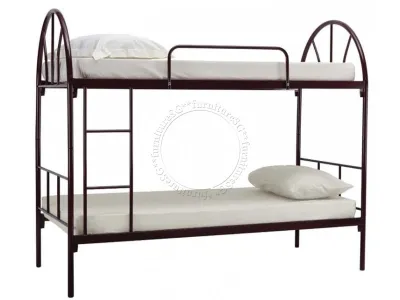
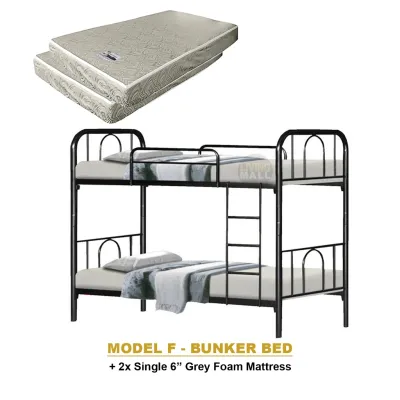


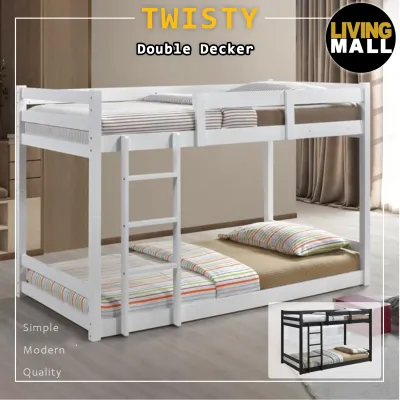
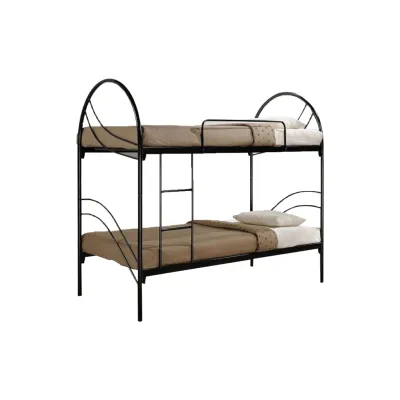
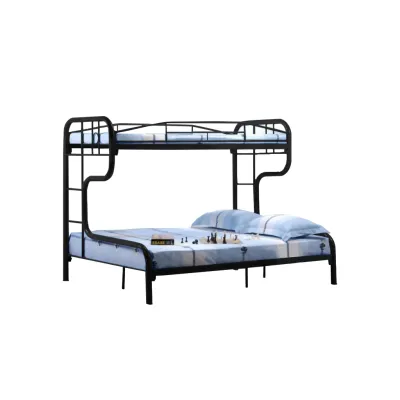
Prices are valid at publication and may change. Please refer to the product page for the latest price.
Guardrail Height and Gap Measurements
The upper bunk of a double decker bed requires continuous guardrails on all sides to prevent accidental falls during sleep. When evaluating a double decker bed with mattress, you must measure the effective guardrail height rather than just the frame’s physical height. The safety barrier is determined by how much the guardrail extends above the top surface of the mattress.
To perform this check, first identify the manufacturer’s specified maximum mattress thickness for the top bunk. Standard safety guidelines dictate that the top of the guardrail must sit at least 12.7 centimeters above the compressed mattress surface. If you purchase a mattress that is too thick, it will reduce this safety margin, making it easier for a child to roll over the barrier.
Next, carefully inspect the gap sizes across the entire bed structure. Gaps between the individual guardrail slats, as well as the spaces between the rails and the headboard or footboard, must be narrow enough to prevent entrapment. Standard safety specifications recommend that these openings be smaller than 9 centimeters to ensure a child’s head or torso cannot slip through.
The space between the bottom of the guardrail and the mattress support must also adhere to this strict gap limit to prevent a child from sliding through feet-first. If these gaps are too wide, a child could slide through and become trapped by their head, posing a severe safety risk.
Always locate and read the manufacturer’s compliance labels on the bed frame. Reputable manufacturers print safety warnings and standards compliance directly on an inside rail or headboard. Look for certifications indicating the bed meets recognized international safety standards, which verify that the manufacturer has designed the gaps and rails to prevent entrapment.
Ladder Stability and Access Design
The ladder is the primary access point to the top bunk and represents a high-risk area for slips and falls. When inspecting a double decker bed with mattress in a showroom, pay close attention to how the ladder attaches to the bed frame. It should be permanently fixed with heavy-duty bolts or secured with a locking mechanism that prevents it from shifting or detaching during use.

Avoid ladders that merely hook over the side rail without secondary fasteners, as active children can easily dislodge them. The ladder should fit flush against the bed frame or have an angled design that provides a stable climbing incline. Angled ladders are often easier for younger children to navigate, though they do occupy slightly more floor space in a tight bedroom.
The design of the ladder rungs is equally important for climbing safety. Steps should be wide and deep enough to support a child’s foot comfortably, reducing the pressure on their soles and preventing slips. Look for rungs with textured, anti-slip surfaces, or plan to apply slip-resistant grip tape to smooth wooden or metal steps.
In humid climates, bare feet can easily slip on smooth surfaces. Ensuring the ladder rungs have adequate traction and uniform spacing is a simple yet vital step in preventing falls. Additionally, the vertical spacing between the rungs must be uniform so that children do not misjudge their footing while climbing down in the dark.
Before finalizing your purchase, conduct a physical stress test on the ladder. Apply significant downward and lateral pressure to check for structural wobble, creaking, or joint flexing. If you are purchasing online, thoroughly review the retailer’s return policy and warranty terms so you can return the unit if the assembled ladder feels unstable or poorly aligned.
Mattress Fit and Foundation Support
A double decker bed with mattress must function as a cohesive, integrated system. A common hazard occurs when the mattress does not fit the bed frame’s internal dimensions properly. If the mattress is too small, it will slide around, creating dangerous voids along the sides or ends where a child’s limbs can get wedged.
Measure the internal dimensions of the bed frame and compare them directly to the mattress dimensions. The gap between the mattress and the bed frame sides should not exceed 3 centimeters. A snug fit ensures that the mattress remains centered and stable, preventing any shifting that could startle a sleeping child or create an entrapment hazard.
The foundation supporting the mattress is the backbone of the bed’s structural safety. Inspect the support slats beneath the mattress to ensure they are robust and closely spaced. Slats should be made of solid wood or heavy-duty metal, and the spacing between them should not exceed 7.5 centimeters to prevent the mattress from sagging or slipping through.
Ensure the slats are securely screwed or bolted into the side rails rather than resting loosely on a ledge, preventing any risk of the top bunk collapsing downward. A sagging mattress not only ruins the mattress structure but also compromises the safety of the child sleeping on the bottom bunk.
Always adhere to the manufacturer’s warnings regarding the maximum mattress thickness allowed for the top bunk. This warning is often printed on a sticker on the inside of the upper bed frame. Exceeding this recommended thickness is one of the most common safety mistakes parents make, as it directly reduces the effective height of the protective guardrails.
Weight Limits and Structural Materials
Understanding the weight capacity of a double decker bed is crucial for preventing structural failure over years of use. Manufacturers typically specify both static and dynamic weight limits for each bunk. Static weight refers to a stationary load, while dynamic weight accounts for the forces exerted when a child climbs, rolls, or sits down heavily.
Always locate these weight ratings in the product manual or on the frame’s safety label. The top bunk almost always has a lower weight limit than the bottom bunk due to structural physics. Ensure that the rated capacity comfortably accommodates your child’s current weight, the weight of the mattress, and projected growth over the next several years.
The choice of structural materials directly influences the bed’s long-term durability and safety. Solid hardwood frames, such as those made from rubberwood, oak, or beech, offer excellent stability and joint strength. If opting for a metal frame, ensure it is constructed from thick, heavy-duty steel tubing with robust welded joints rather than thin, hollow metal that can bend under stress.
High-quality double decker beds utilize heavy-duty metal-to-metal connectors, through-bolts, and locking nuts rather than simple wood screws, which can strip over time and cause structural wobble. Examine the joint reinforcements carefully during your physical inspection.
In humid environments, materials are subjected to constant moisture, which can weaken glue joints and cause low-grade metal to rust. Check that wooden frames are sealed with a high-quality, non-toxic protective finish and that metal frames feature a durable powder-coated layer. Regularly inspect all joints and tighten any bolts that may have loosened due to seasonal wood expansion.
Pre-Purchase Verification and Assembly Conditions
Before making your final decision, a thorough review of the product documentation and your home’s physical layout is essential. Request a copy of the assembly manual from the retailer or download it online. A high-quality product will feature clear, step-by-step instructions, a complete hardware checklist, and explicit safety warnings regarding usage and assembly.
Next, evaluate the physical space in your children’s bedroom. Standard HDB ceiling heights in Singapore are typically around 2.6 meters, which requires careful planning for a double decker bed. Measure the height of the bed frame and ensure there is at least 75 to 90 centimeters of clearance between the top of the upper mattress and the ceiling so your child can sit up comfortably without bumping their head.
Position the bed frame far away from ceiling fans, light fixtures, air conditioning units, and windows. A child standing on the top bunk must not be able to reach a spinning ceiling fan or lean against a window screen. Additionally, keep the bed away from window blind cords or curtain pull strings, which present a severe strangulation hazard.
Consider the delivery and assembly process before purchasing. Measure your home’s main doorway, hallway turns, and the lift cabin dimensions of your apartment building to ensure the flat-packed components can be delivered safely. If the bed frame features complex structural joints or requires wall anchoring, it is highly recommended to hire professional assembly services.
Do not hesitate to reject a product if you find missing hardware or unclear instructions. Ensuring the bed is assembled perfectly and anchored securely provides invaluable peace of mind. A double decker bed is a long-term investment in your children’s safety and comfort.
Frequently Asked Questions (FAQ)
At what age is it safe for a child to sleep on the top bunk?
Standard safety guidelines and manufacturers recommend that children under six years of age should not sleep on the top bunk. Younger children may lack the coordination, balance, and developmental maturity required to climb the ladder safely or avoid rolling out of bed. Always check the manufacturer’s specific age warnings printed on the frame or detailed in the user manual before assigning bunks.
Do I need a specific type of mattress for a double decker bed?
Yes, you must select a mattress that matches the exact dimensions of the bunk bed frame to prevent dangerous gaps along the edges. Additionally, the mattress on the top bunk must strictly adhere to the manufacturer’s maximum thickness limit—typically 15 centimeters or less—to ensure the guardrails remain effective. Choosing a lightweight foam or latex mattress also helps conserve the top bunk’s overall weight capacity.

Community discussion
Share your experience or ask a question. Comments are reviewed before publication.