
When setting up a child’s bedroom in Singapore, safety is the single most important factor to consider. A helper bed frame—which typically includes transitional toddler beds, low floor beds with protective rails, or designs featuring integrated steps and trundles—must provide more than just a cozy place to sleep. It must actively protect your child from physical hazards. To ensure a helper bed frame is safe, you should look for recognized international safety certifications such as European Standards (EN 716 and EN 747) or American Standards (ASTM F1821 and ASTM F1427), alongside compliance with Singapore’s Consumer Product Safety Office (CPSO) guidelines.
These certifications guarantee that the bed has undergone rigorous testing for structural integrity, gap spacing, and material toxicity. In Singapore’s humid climate, where wood and metal components are subjected to constant moisture and temperature shifts, choosing a certified frame is crucial to prevent structural failure over time. By understanding what these standards cover and how to verify them, you can confidently select a bed frame that keeps your child secure throughout the night.
Understanding Safety Standards for Kids' Helper Bed Frames
A helper bed frame serves as a crucial transition style for young children who have outgrown their baby cots but are not yet ready for a standard adult bed. These frames often feature lower profiles, integrated steps, extended guardrails, or pull-out trundles to assist children in safely getting in and out of bed independently. Because these designs incorporate unique structural elements like steps or elevated platforms, they introduce specific physical dynamics that require careful engineering.
Products mentioned in this guide
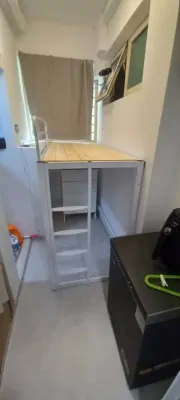
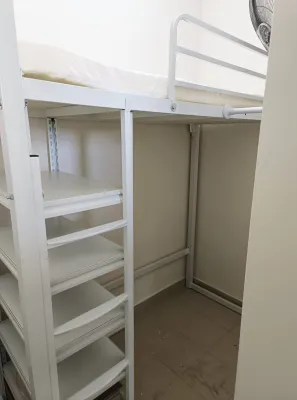
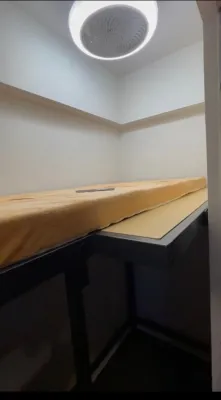
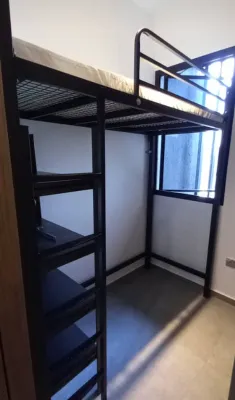
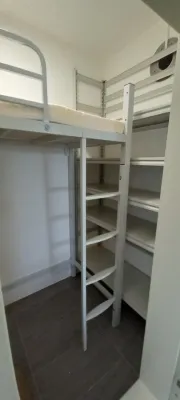
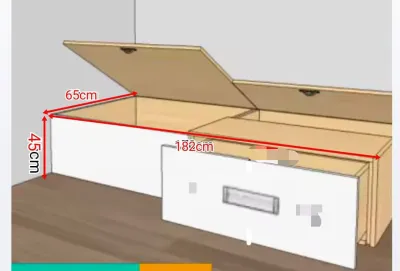
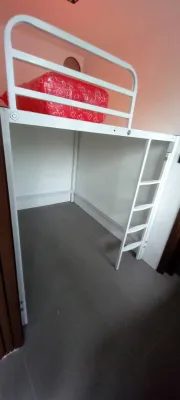
Prices are valid at publication and may change. Please refer to the product page for the latest price.
The primary safety risks associated with children’s beds include accidental falls, limb or head entrapment between slats, and structural collapse under active play. Children do not simply sleep on their beds; they jump, climb, lean against guardrails, and test the physical limits of their furniture. Without standardized engineering, a bed frame can easily tip over, or its joints can loosen, leading to sudden failures.
Legitimate safety certifications go far beyond basic durability tests. They assess mechanical safety, physical dimensions, structural load capacity, and chemical safety. For instance, testing protocols simulate years of wear and tear, applying heavy pressure to joints, rails, and steps to ensure they will not snap or warp under stress.
Furthermore, these certifications evaluate the chemical composition of the materials used. Children frequently come into direct contact with the bed frame, sometimes even biting or chewing on the rails. Certified frames are tested to ensure that paints, varnishes, and engineered wood binders do not release harmful toxins, volatile organic compounds (VOCs), or heavy metals into your child’s sleeping environment.
Recognized Certifications: EN, ASTM, and Singapore Guidelines
When shopping for a helper bed frame in Singapore, you will encounter various safety marks and standard codes. Understanding what these acronyms mean is the first step in identifying a truly safe product.

European Standards (EN) are among the most rigorous in the world. For helper beds that resemble traditional cots or low transitional beds, look for EN 716. This standard specifically covers children’s cots and folding cots, focusing on preventing entrapment and ensuring stable base construction. For elevated helper beds, loft designs, or those with integrated bunk features, EN 747 is the relevant standard. EN 747 sets strict requirements for bunk beds and high beds, focusing heavily on the strength of the frame, the security of the access steps, and the minimum height of the guardrails to prevent falls.
American Standards (ASTM) are also widely recognized and respected globally. ASTM F1821 is the standard consumer safety specification for toddler beds, which applies directly to many transitional helper bed frames. It evaluates guardrail integrity, structural strength, and the prevention of head or neck entrapment in the headboard or footboard. If the helper bed is elevated or features a top bunk, ASTM F1427 applies, governing the structural safety, guardrail heights, and mandatory warning labels for bunk beds.
In Singapore, the Consumer Product Safety Office (CPSO) oversees the safety of general consumer goods. While children’s furniture is not classified as a “controlled goods” item requiring mandatory pre-market registration like household electrical appliances, the CPSO expects all children’s products sold locally to meet recognized international safety standards. Importers and retailers are legally responsible under the Consumer Protection (Safety Requirements) Regulations to ensure their products do not pose safety hazards.
To protect your child, do not rely on vague retail descriptions. Look for explicit references to EN 716, EN 747, ASTM F1821, or ASTM F1427 in the product manual, on the packaging, or within the manufacturer’s specifications. If a seller claims their bed frame is “safety approved” but cannot name the specific standard it complies with, treat that claim with caution.
Essential Physical Safety Checks: Rails, Gaps, and Stability
While certifications provide peace of mind, you should also perform physical checks on any helper bed frame you consider. Translating abstract safety standards into concrete, visual inspections allows you to verify that a bed is safe before your child sleeps in it.
Guardrail Requirements: The guardrails must extend sufficiently above the mattress to prevent a rolling child from falling out. When choosing a mattress for a helper bed frame, always refer to the manufacturer’s guidelines regarding maximum mattress thickness. A mattress that is too thick will reduce the effective height of the guardrails, rendering them useless. Ensure the guardrails are securely bolted to the frame and do not flex or wobble when pressure is applied.
Gap Spacing: Entrapment is a severe hazard for toddlers. The gaps between the vertical slats of the guardrails, headboard, and footboard must be narrow enough to prevent a child’s head, neck, or torso from slipping through, yet wide enough that limbs cannot easily get wedged. The same rule applies to the spacing between integrated steps or ladder rungs. Always verify that these gaps comply with the standard spacing rules outlined in the product’s certified design.
Structural Load and Stability: Children’s furniture must withstand dynamic forces. Check the manufacturer’s stated weight limits for both the main bed frame and any integrated steps or trundles. For helper beds with elevated platforms or steps, look for robust joining hardware. If the design is tall or top-heavy, it should include secure floor anchoring hardware or anti-tip brackets to secure the frame firmly to the wall or floor.
Mattress Fit: A safe bed frame must hold the mattress snugly. If the mattress is too small for the frame, dangerous gaps can form along the sides or ends. A child can easily slip into these gaps and become trapped. Before finalizing your purchase, measure the internal dimensions of the bed frame and compare them to your mattress to ensure a tight, seamless fit with no significant gaps.
Additionally, when planning the layout in a typical Singapore HDB flat, always measure the finished dimensions of the bed frame against your available floor space. Ensure there is adequate clearance around the bed and verify that the frame’s components can fit through your home’s doorways and lift access during delivery. A bed frame that is too large for the room can obstruct pathways, creating additional safety hazards for active children.
Verifying Claims: How to Spot Genuine Certifications
With the rise of online marketplaces and international shipping, it has become easier than ever to purchase children’s furniture from various global sources. However, this also means that unverified or counterfeit products can find their way into Singaporean homes. Knowing how to verify safety claims is essential for any parent.
Requesting Documentation: Do not hesitate to ask the retailer or distributor for the official test reports or certificates of conformity. A reputable brand or seller who has invested in safety testing will readily provide these documents. These reports should clearly state the product name, the specific safety standard tested (such as EN 716 or ASTM F1821), and the date of the test.
Recognizing Testing Labs: Genuine safety certificates are issued by independent, third-party testing laboratories. Look for recognized names such as SGS, TÜV, Intertek, or Bureau Veritas on the documentation. These organizations have global credibility and conduct unbiased testing against international standards. If a certificate is self-issued by the factory without third-party oversight, it lacks independent verification.
Filtering Marketing Jargon: Online listings are often filled with unregulated buzzwords. Terms like “baby-safe,” “non-toxic,” “premium quality,” or “eco-friendly” are marketing claims, not official certifications. They do not guarantee that the bed frame has undergone mechanical stress tests or chemical analysis. Always look past the marketing copy and search for the actual technical standards.
Cross-Referencing: If you are purchasing from a multi-brand retailer or an online marketplace, cross-reference the product details with the manufacturer’s official website. Reputable manufacturers maintain detailed product pages listing all safety compliance certifications, downloadable assembly guides, and safety warnings. If the details on a marketplace listing do not match the manufacturer’s official documentation, avoid the purchase.
Red Flags and When to Avoid a Bed Frame
Being able to quickly spot structural or material deficiencies can save you from making a dangerous purchase. When inspecting a helper bed frame in a physical showroom or assembling it at home, keep an eye out for these critical red flags.
Material and Finish Risks: Run your hands along the wooden surfaces. Rough, unfinished wood or poorly sanded edges can cause painful splinters. Inspect the finish for peeling paint, bubbles, or uneven coating. Furthermore, be wary of strong, pungent chemical odors when unboxing a new bed frame. This often indicates high levels of formaldehyde or volatile organic compounds (VOCs) in the adhesives or finishes, which can irritate your child’s respiratory system.
Hardware and Design Flaws: Examine the assembly hardware. Protruding screws, sharp metal edges, or exposed bolts can snag clothing or scratch skin. The guardrails should feel rock-solid; if they wobble under light hand pressure, the joints are weak. Additionally, a complete lack of safety warning labels, age recommendations, or clear assembly instructions suggests the manufacturer has bypassed basic safety protocols.
Seller Evasiveness: If a seller cannot answer basic questions about the bed’s material composition, weight limits, or country of origin, or if they refuse to provide assembly instructions before purchase, do not buy from them. A lack of transparency is a strong indicator of an unregulated product.
If you encounter any of these warning signs, it is best to walk away. No discount or aesthetic design is worth compromising your child’s physical safety. Always prioritize certified structural integrity over low prices.
Frequently Asked Questions (FAQ)
Do bunk beds and helper bed frames require different safety certifications?
Yes, the required safety certifications depend heavily on the height and design of the bed frame. Standard low-profile helper bed frames, such as transitional toddler beds or floor beds with low rails, are typically evaluated under standard cot or toddler bed regulations like EN 716 or ASTM F1821. However, if the helper bed frame incorporates elevated sleeping surfaces, loft platforms, or bunk features, it must meet much stricter high-bed standards such as EN 747 or ASTM F1427. These high-bed standards mandate rigorous testing for fall prevention, ladder stability, and guardrail strength to handle the increased risks of elevated sleeping.
Are local Singapore safety standards mandatory for all imported kids' beds?
In Singapore, children’s furniture is not subject to mandatory pre-market registration or licensing by the Consumer Product Safety Office (CPSO), unlike controlled electrical goods. Instead, the CPSO enforces general safety requirements, expecting all consumer products sold in Singapore to be safe for their intended use. Importers and retailers are legally obligated to ensure their products do not pose hazards, which they typically achieve by sourcing furniture that complies with established international standards like EN or ASTM. To ensure your child’s safety, it is highly recommended to purchase from reputable local retailers who actively verify and document that their imported helper bed frames meet these international benchmarks.
Community discussion
Share your experience or ask a question. Comments are reviewed before publication.