
When choosing a single bed frame for your child, prioritizing safety certifications and physical design checks helps support a secure sleeping environment. A child’s bed is more than just a place to sleep; it is often a space for play, reading, and relaxation, making structural integrity and non-toxic materials essential. By verifying official safety standards and performing hands-on inspections, you can confidently select a frame that helps mitigate common hazards such as entrapment, falls, and structural failures.
Identifying Safety Labels and Manufacturer Certifications
Navigating the world of children’s furniture requires looking past marketing buzzwords like “kid-safe” or “ultra-secure” and focusing on verifiable safety standards. Manufacturers who prioritize safety subject their products to testing by independent laboratories. When shopping for a single bed frame, look for physical labels, stamps, or printed certifications on the packaging, the frame itself, or within the digital product manual. These marks indicate that the product has met specific regional or international safety criteria.
In Singapore, while many imported products carry international certifications, you should look for compliance with recognized standards such as the European Standard (EN), British Standards (BS), or the American Society for Testing and Materials (ASTM). For instance, standard single beds often align with general domestic furniture safety standards like EN 1725, which specifies safety requirements and test methods for beds and mattresses. If you are looking at specialized children’s single beds, such as those with integrated storage or slightly elevated platforms, specific standards governing strength, stability, and safety gaps become highly relevant.
Products mentioned in this guide
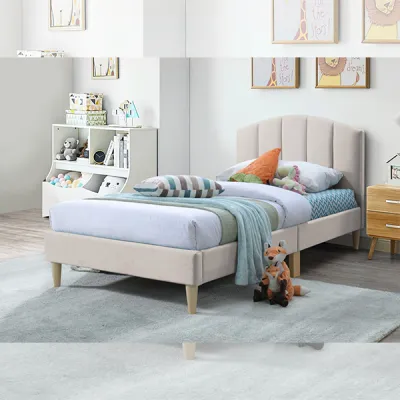
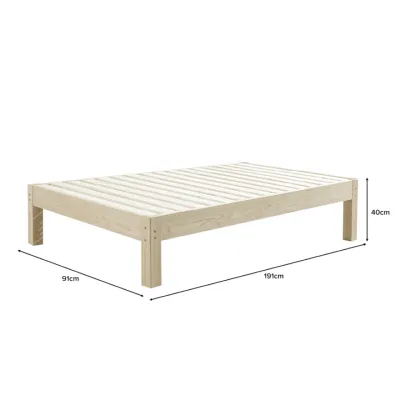
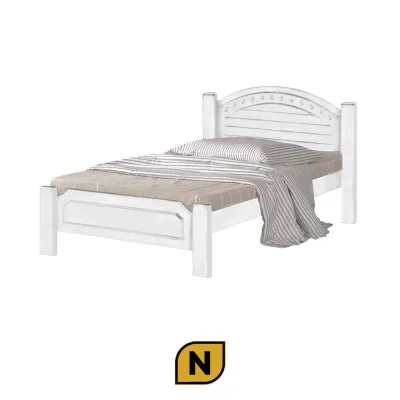
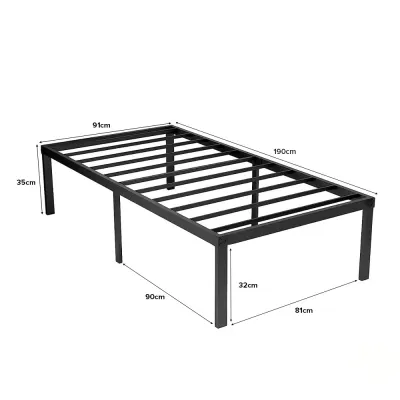
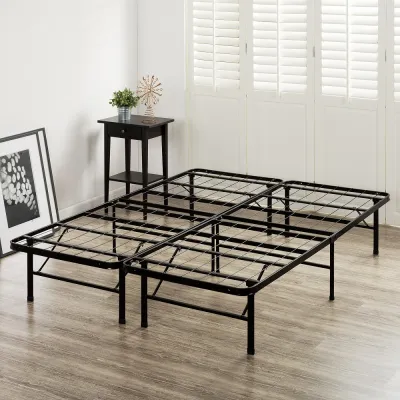
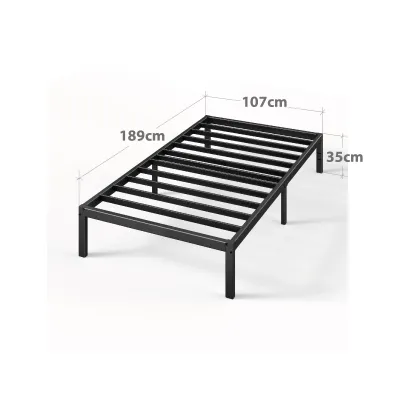
Prices are valid at publication and may change. Please refer to the product page for the latest price.
To verify these claims, cross-reference the safety labels with the manufacturer’s official documentation. Reputable brands typically provide a Certificate of Compliance or a detailed product specification sheet upon request. This documentation should clearly state the testing standard applied, the testing laboratory, and the date of certification. Avoid purchasing bed frames from sellers who make vague safety claims but cannot provide official testing documentation or compliance statements to back them up.
Additionally, pay close attention to the printed age recommendations, intended use conditions, and weight limits. Manufacturers design children’s single bed frames with specific developmental stages in mind. A frame rated for older children may have gaps or heights that pose risks to a toddler transitioning from a cot. These limits are not merely suggestions; they are calculated based on the structural limits of the materials and the physical dimensions of the target age group. Always ensure your child fits within the specified age and weight brackets before finalizing your purchase.
Essential Physical Safety Checks for Bed Frames
While certifications provide a strong foundation, performing a physical inspection of the bed frame—either in a showroom or immediately upon delivery—is a critical step in ensuring safety. The first area to evaluate is the guardrail system, especially if the single bed is slightly elevated or designed for younger children transitioning to their first big bed. Guardrails must be securely attached with robust hardware rather than simple slide-on mechanisms that a child could easily dislodge. The height of the guardrail should extend sufficiently above the top of the mattress to help prevent a rolling child from falling over the edge.

Another critical safety check involves measuring the gaps between various components of the bed frame. Entrapment is a serious hazard for young children, who can get their limbs, torso, or head stuck in poorly spaced gaps. Inspect the distance between the slats, the space between the guardrails, and the gap between the frame and the mattress. According to standard safety guidelines, these gaps should either be small enough to prevent a limb from entering, or large enough to allow the head and body to pass through completely without getting stuck. Generally, gaps should be less than 7.5 centimeters or greater than 23 centimeters, though you should always refer to the specific manufacturer guidelines for your chosen model.
The materials and finishes of the bed frame also require close scrutiny. Run your hands along the entire frame to check for smooth finishes, rounded corners, and the absence of sharp edges or protruding hardware. Wooden frames should be free of splinters, cracks, and knots that could weaken the structure over time. If the frame is painted or varnished, verify that the manufacturer uses non-toxic, lead-free finishes. This is particularly important for younger children who may chew on the bed frame. Metal frames should have clean welds without sharp slag or burrs that could cause cuts or scratches.
Finally, examine the mattress support system. The slats or platform must be robust and securely fastened to the side rails. A weak support system can collapse under sudden impact, such as a child jumping on the bed, leading to injuries. Ensure that the slats are spaced closely together to provide uniform support for the mattress and to help prevent the mattress from sagging or slipping through the gaps.
Assembly, Stability, and Weight Capacity
The structural integrity of a single bed frame depends heavily on how well it is assembled. When setting up the bed, strictly follow the manufacturer’s assembly instructions and use only the provided or explicitly specified hardware. Substituting screws, bolts, or dowels with spare parts you have at home can compromise the structural integrity of the frame. If the instructions call for specific tools or anchoring mechanisms, ensure you use them correctly to prevent assembly errors that could lead to a collapse.
Once assembly is complete, perform a thorough stability test before allowing your child to use the bed. Apply firm pressure to different parts of the frame, shaking it gently from side to side and front to back. A stable bed frame should feel solid and exhibit no noticeable wobble, shifting, or squeaking. Any movement indicates that the joints are not secure, the hardware is loose, or the frame is misaligned. If you detect any instability, recheck the assembly steps, tighten all fasteners, and ensure the bed is resting on a level surface.
Understanding and respecting the maximum weight capacity of the bed frame is equally important. This capacity must accommodate not only the weight of your child but also the weight of the mattress, bedding, and any typical movement or play. Keep in mind that children grow rapidly, and their activities on the bed can exert dynamic forces that exceed their static body weight. Choosing a frame with a generous weight capacity helps ensure that the structure can handle daily wear and tear without bending, cracking, or failing prematurely.
Ongoing Maintenance and When to Stop Use
Maintaining a secure sleeping environment requires regular inspections long after the initial assembly. Children’s daily activities, including climbing, tossing, and turning, can gradually loosen the hardware of a bed frame. Establish a routine schedule—such as every three to six months—to inspect the bed frame thoroughly. Check all screws, bolts, and joints, and gently tighten any fasteners that have worked their way loose over time. Avoid overtightening, as this can strip the threads or crack wooden components.
During these routine checks, look closely for any signs of structural wear or damage. Inspect wooden frames for hairline cracks, splitting, or warping, especially around joint connections and load-bearing areas. For metal frames, check for bent rails, cracked welds, or signs of rust that could weaken the metal. If you notice any structural compromise, do not attempt temporary or makeshift repairs with tape or glue, as these do not restore the original load-bearing capacity of the frame.
Knowing when to stop using a bed frame is crucial for your child’s safety. If you identify a cracked support rail, a broken slat, or a stripped joint that cannot be securely tightened, stop using the bed immediately. Keep your child off the bed until you can obtain official replacement parts from the manufacturer or consult a qualified professional. Additionally, stay informed about product recalls by checking official consumer safety portals. If your specific bed frame model is recalled due to a safety hazard, follow the manufacturer’s instructions for a refund, repair kit, or replacement immediately.
Frequently Asked Questions (FAQ)
Do bunk beds and single bed frames require different safety certifications?
Yes, bunk beds and elevated single beds require different and often much stricter safety certifications compared to standard floor-level single beds. Because elevated beds introduce a significant risk of falls and require load-bearing ladders, they must comply with specific standards such as EN 747 or ASTM F1427. These standards govern guardrail height, ladder step spacing, and structural stability under high loads. Standard single bed frames, being closer to the ground, focus primarily on general structural strength and material safety, so you must check the specific safety labels matching the exact design of the bed you choose.
How often should I check the hardware on my child's bed frame?
You should inspect the hardware on your child’s bed frame at least once every three to six months. Active children can cause fasteners to loosen gradually through daily movement, jumping, or climbing. If you notice any new squeaks, wobbling, or shifting when your child gets in or out of bed, do not wait for the scheduled check; inspect and tighten the hardware immediately. Always use the appropriate tools and follow the manufacturer’s torque recommendations to avoid damaging the frame materials.
Is it safe to buy a second-hand single bed frame for a child?
Buying a second-hand single bed frame carries inherent safety risks and requires extreme caution. Used frames often lack the original assembly manuals, safety labels, and complete hardware kits, making correct assembly difficult. Furthermore, hidden structural wear, hairline cracks in wood, or slightly bent metal components may not be immediately visible but can compromise the frame’s integrity. If you choose to buy pre-owned, ensure you can verify the original brand and model to check for active safety recalls, inspect every joint personally, and obtain a complete set of original hardware before use.
Community discussion
Share your experience or ask a question. Comments are reviewed before publication.