
When shopping for a 3-in-1 pull-out bed for your child, safety must be your absolute priority. These versatile furniture pieces are highly popular in Singapore for maximizing floor space in compact bedrooms, but their multi-tiered designs and moving parts introduce unique physical risks. To ensure your child’s safety, you must look for recognized structural safety certifications—such as European (EN) or American (ASTM) standards for children’s furniture—and perform rigorous physical inspections of the frame, joints, and trundle mechanisms. By combining official certification verification with hands-on structural checks, you can create a secure sleeping environment that protects your child from falls, entrapment, and pinch injuries.
Understanding the Unique Risks of 3-in-1 Pull-Out Beds
A 3-in-1 pull-out bed is structurally more complex than a standard single bed. It typically features a primary elevated bed, a secondary pull-out trundle bed, and either a third pull-out drawer or a folding leg mechanism that raises the lower bed to the same height as the main frame. This mechanical complexity introduces several moving parts, including sliding tracks, metal rollers, and folding hinges. Each of these components represents a potential pinch point or crushing hazard where small fingers, hands, or feet can easily get caught during transition.
Furthermore, the elevated nature of the main sleeping surface presents a distinct fall hazard. To accommodate the stacked trundle and drawer units underneath, the main mattress of a 3-in-1 bed is often positioned significantly higher off the ground than a traditional toddler or single bed. A fall from this height can result in more severe injuries, making robust guardrails and structural stability non-negotiable.
Products mentioned in this guide
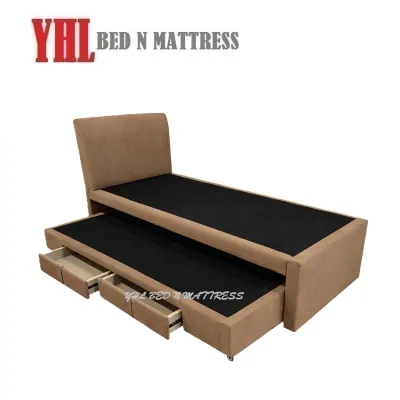
![[INNDESIGN.SG] 3 IN 1 Pullout Bed With Mattress (Optional) (Fully Assembled and Free Delivery)(Single/Super Single/Queen/King)](https://img.lazcdn.com/g/p/b189bf1ad8ad325160dba832c77606e9.jpg_400x400q80.jpg_.webp)
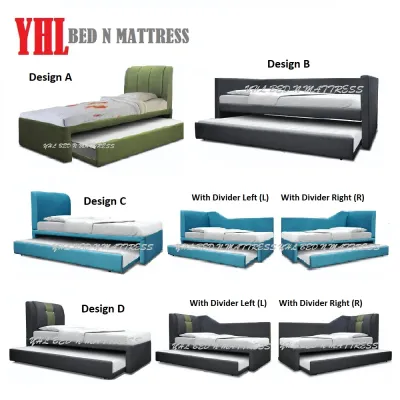
![[Bulky]Twentyone 3 In 1 Pull Out Bed Frame With / Without Divider Colour Available](https://img.lazcdn.com/g/p/350aa76bd433bdc8023c27960ccdc461.jpg_400x400q80.jpg_.webp)
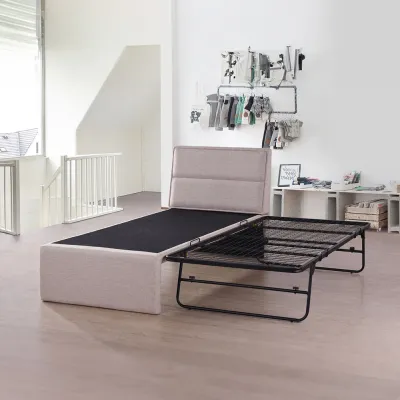

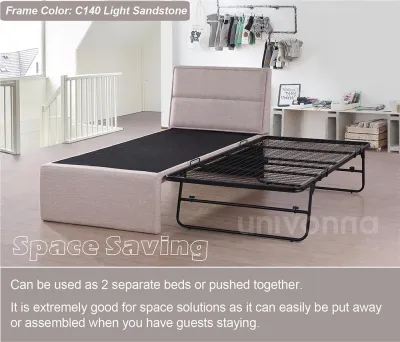
Prices are valid at publication and may change. Please refer to the product page for the latest price.
Many parents rely on product descriptions on online marketplaces, which often use vague marketing terms like “child-safe,” “eco-friendly,” or “ultra-sturdy.” However, these self-declared claims lack independent verification. Without formal safety certifications, there is no guarantee that the bed frame can withstand the dynamic loads of an active child or that the materials used are free from toxic finishes and structural defects.
How to Locate and Verify Legitimate Safety Certifications
To verify that a 3-in-1 pull-out bed is genuinely safe, you must know how to locate and validate legitimate safety certifications rather than relying on promotional graphics. Authentic certification marks are rarely just printed on a website banner; they are permanently affixed to the product itself. When the bed is delivered, inspect the frame for physical compliance labels. These are typically located on the inside of the headboard, the inner face of the side rails, or the underside of the wooden slats.

For children’s beds, look for specific standards such as BS EN 747 (the European standard for bunk beds and high beds, which covers structural safety, strength, and entrapment hazards) or ASTM F1427 (the equivalent American standard). A reputable manufacturer will clearly state these standard codes in the product’s user manual and assembly guide. You can cross-reference these certificate numbers by requesting the official test report from the retailer or checking the issuing testing body’s online database.
Be alert to common red flags when browsing ecommerce platforms. Vague statements such as “tested to international safety standards” without naming the specific standard, testing laboratory, or certificate number are major warning signs. Similarly, if a seller cannot provide a copy of the compliance certificate upon request, or if the certificate has expired, you should assume the product has not undergone independent safety testing.
Physical Safety Checks to Perform Before Purchase
While official certifications provide peace of mind, performing your own physical safety checks before and during assembly is an essential backup measure. Start by evaluating the guardrails on the main elevated bed. The guardrails must extend at least 160 mm above the top of the mattress to prevent accidental roll-offs during sleep. Measure the gaps between the individual vertical slats or horizontal rails; these gaps must be between 60 mm and 75 mm. If the gaps are too wide, a child’s body could slip through, leading to dangerous head entrapment; if they are too narrow, limbs can easily get wedged.
Next, closely inspect the trundle track and roller mechanism. The pull-out bed must slide smoothly along its tracks without excessive lateral wobbling. Look for built-in anti-derailment stops or physical barriers at the end of the tracks. These stops prevent the trundle from being pulled completely out of its alignment, which could cause the heavy frame to drop onto a child’s foot or tip over. The rollers should have a locking mechanism to keep the trundle securely in place when extended.
Stability and weight limits are critical for multi-level beds. Check the manufacturer’s specifications for the maximum load capacity of both the main frame and the pull-out trundle. Ensure these limits accommodate the weight of your child, the mattress, and any potential dynamic load from movement. Additionally, verify if the bed includes anti-tip hardware. Because a 3-in-1 bed can become front-heavy when the trundle and drawers are fully extended, anchoring the main frame to the wall is highly recommended to prevent tip-over accidents.
Finally, examine the materials and joints. Do not assume that a label of “solid pine” or “solid hardwood” automatically guarantees safety. Inspect the joints where the bed frame connects; look for heavy-duty metal-to-metal bolt connections rather than simple wood screws, which can strip and loosen over time. Run your hand along all exposed edges and corners to ensure they are rounded and completely smooth, with no sharp edges, splinters, or exposed hardware heads.
Installation Rules and Stop-Use Conditions
Safe usage of a 3-in-1 pull-out bed depends heavily on correct installation. Always follow the manufacturer’s assembly instructions precisely, ensuring you do not skip any steps or substitute hardware. Pay close attention to the recommended torque requirements for bolts and screws. Over-tightening can split the wood or strip the metal threads, while under-tightening leaves the frame loose and prone to swaying. Assemble the bed in its final position, ensuring you have adequate clearance for doorways, lift access, and room layout.
If the product manual recommends anchoring the bed to the wall, you must install the anti-tip hardware securely. In Singapore’s humid climate, wooden furniture can experience minor expansion and contraction, which can gradually loosen joints over time. Anchoring the frame to a solid wall provides an essential layer of structural stability, preventing the bed from shifting or tipping when children climb on it.
Establish a routine inspection schedule—such as once every three months—to check the bed’s structural integrity. You must immediately stop using the bed and seek professional repair or replacement parts if you observe any of the following stop-use conditions:
- Loose or wobbling joints that cannot be tightened securely.
- Cracked or splitting wooden slats or frame components.
- Bent, rusted, or damaged trundle tracks and roller wheels.
- Missing safety pins, bolts, or anti-derailment stops.
- Damaged or loose guardrails on the elevated bed.
Frequently Asked Questions (FAQ)
Do mattress certifications matter as much as the bed frame?
Yes, mattress certifications are just as important as frame safety, but they address entirely different hazards. While the bed frame’s certifications focus on structural integrity, load capacity, and physical entrapment prevention, mattress certifications focus on chemical safety and material health. Look for certifications like CertiPUR-US or OEKO-TEX Standard 100, which verify that the mattress foam and textiles are free from harmful VOCs, heavy metals, formaldehyde, and toxic flame retardants. Furthermore, you must ensure the mattress thickness matches the frame’s specifications; a mattress that is too thick will reduce the effective height of the guardrails, compromising fall protection.
Can I add aftermarket guardrails to a 3-in-1 bed if it lacks them?
Adding aftermarket, third-party guardrails to a 3-in-1 pull-out bed is highly discouraged unless they are officially approved and sold by the bed’s manufacturer. Generic guardrails are designed for standard single beds and may not attach securely to the unique, multi-layered frame of a 3-in-1 bed. This improper fit can create dangerous gaps between the mattress and the rail, posing a severe risk of entrapment where a child’s head or limbs could become wedged. If the bed does not come with integrated guardrails and your child requires them, it is far safer to select a model that includes built-in, certified safety barriers from the start.

Community discussion
Share your experience or ask a question. Comments are reviewed before publication.