
Choosing a safe bed extender for a child’s bed requires looking beyond brand names and focusing on verifiable structural safety, robust mechanical attachments, and gap-free engineering. While many brands market their products as “baby-safe” or “toddler-friendly” on online marketplaces, a truly reliable bed extender must physically lock into the existing bed frame to prevent dangerous shifting. The safest brands are those that provide fully transparent engineering specifications, use solid wood or steel reinforcement, and offer heavy-duty fastening systems like steel brackets or tension straps. In Singapore’s humid climate, where wood can expand and adhesives can degrade over time, choosing a brand that utilizes mechanical fasteners rather than simple friction or adhesive pads is essential to ensure long-term structural integrity.
Why Safety and Reliability Matter in Bed Extenders
When modifying a child’s sleeping environment, structural stability is the single most important factor. Unlike standard adult furniture, which experiences predictable, static loads, children’s beds are subject to highly dynamic forces. Toddlers and young children frequently jump, roll, climb, and push against the edges of their beds. A poorly designed or weakly secured bed extender can easily shift under these dynamic forces, creating a catastrophic safety hazard.
The primary risk associated with low-quality bed extenders is entrapment. If the extender shifts even a few centimeters away from the main mattress, it creates a dangerous gap. A child’s limbs, torso, or head can become wedged in this space, leading to serious injury or suffocation. This risk is particularly acute during sleep, when a child’s movements are involuntary. During active rapid eye movement (REM) sleep phases, children frequently reposition themselves, and a sudden roll into an unsecured gap can happen in seconds. Another major hazard is structural collapse. If the support legs or brackets of the extender fail under the weight of a child or a parent sitting on the edge, the sudden drop can cause severe falls and impact injuries.
Products mentioned in this guide
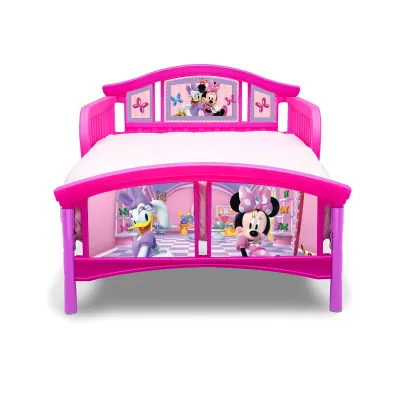
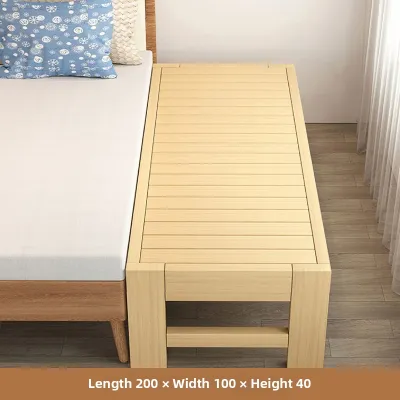
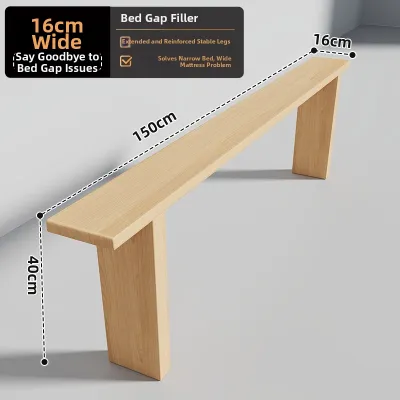
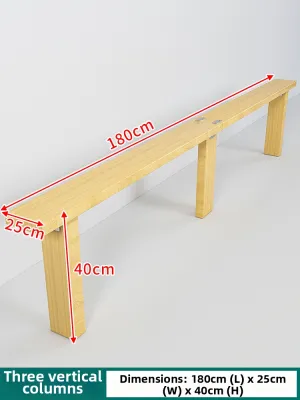
Prices are valid at publication and may change. Please refer to the product page for the latest price.
To prevent these hazards, parents must understand the functional difference between a temporary soft gap filler and a structural bed extender. A soft gap filler, typically made of polyurethane foam or polyester fiber, is designed solely to close minor spaces between a mattress and a wall or headboard. It cannot support weight and should never be used to expand the actual sleeping surface. A structural bed extender, on the other hand, is a solid piece of furniture—usually made of timber, plywood, or metal—that extends the rigid support base of the bed. Because it permanently increases the sleeping area, it must meet the same rigorous stability and weight-bearing standards as the original bed frame.
Key Safety Standards and Certifications to Verify
When evaluating bed extender brands, parents should look for objective, third-party verification of safety rather than relying on vague marketing claims. Reputable brands subject their products to rigorous testing by independent laboratories such as SGS, TÜV, or Intertek. These tests evaluate structural strength, stability, and chemical safety to ensure the product can withstand daily use without posing a hazard to young children.

While there is no single global standard specifically written only for “bed extenders,” these products generally fall under broader children’s furniture safety frameworks. In the United States, look for compliance with ASTM International standards, such as ASTM F1821 for toddler beds or ASTM F2085 for portable bed rails. In Europe, the relevant standards include EN 1725 (mechanical safety requirements for beds) and EN 716-1 (children’s cots and folding cots). These standards dictate maximum allowable gaps, minimum barrier heights, and the structural load-bearing capacity required to prevent entrapment and collapse. For example, cyclic load testing under these standards involves applying a specific force thousands of times to simulate years of a child climbing onto and off the bed, ensuring the joints do not degrade.
Chemical safety is equally critical, especially since young children often touch, lean against, or even chew on the edges of their furniture. Reliable brands will explicitly certify that their materials are non-toxic and free from harmful substances. Look for certifications such as Greenguard Gold, which limits volatile organic compound (VOC) emissions, and OEKO-TEX Standard 100 for any fabric or foam components. Wood finishes and paints must be certified lead-free and compliant with standards like EN 71-3 (safety of toys, migration of certain elements), which checks for heavy metals like antimony, arsenic, barium, cadmium, chromium, lead, mercury, and selenium.
To verify these claims, avoid brands that simply print logos on their packaging without providing supporting documentation. Trustworthy manufacturers make their complete, downloadable test reports available on their official websites. If a brand claims compliance but cannot provide a certificate showing the testing date, laboratory name, and specific product model, it is safest to assume the claim is unverified.
Design Features That Define a Reliable Bed Extender
A reliable bed extender is defined by its engineering details. When comparing different brands, parents should examine the physical design of the product to ensure it incorporates features that mitigate safety risks.
Secure Attachment Mechanisms The method used to connect the extender to the main bed frame is the most critical safety feature. Simple “rest-on” designs, which rely on the weight of the mattress to hold the extender in place, or friction-based clamps, are highly unstable and prone to slipping. Instead, look for brands that utilize heavy-duty tension straps that wrap entirely around the main bed frame with a secure ratchet or buckle system, or interlocking steel brackets that bolt directly into the existing wooden slats or side rails using locknuts to prevent loosening from vibration. These mechanical connections ensure that the extender and the main bed function as a single, immovable unit.
Gap and Entrapment Prevention To eliminate the risk of entrapment, the transition between the main mattress and the extender mattress must be completely seamless. Safety inspectors use specialized cone-shaped probes to check if a child’s head or torso can pass through any opening. High-quality brands engineer their extenders with adjustable mounting brackets that allow parents to fine-tune the height and alignment of the extension. Some brands provide custom-fit foam shims or bridge pads that sit tightly over the seam, secured by heavy-duty hook-and-loop fasteners, to ensure that no gaps can open up even when localized pressure is applied directly to the joint.
Weight Capacity and Structural Integrity A child’s bed extender must be built to support more than just the static weight of a sleeping child. It must have a rated weight capacity that accommodates dynamic loads, such as a child jumping, or the weight of an adult caregiver leaning over to comfort the child. While a static load refers to weight when perfectly still, a dynamic load accounts for sudden forces; a 20kg child jumping can easily exert a dynamic force exceeding 60kg. Look for extenders constructed from solid hardwoods (such as beech, birch, or rubberwood) or powder-coated steel frames. Avoid products made from cheap, low-density particleboard or thin plastic components, which can bow, crack, or shear under sudden impacts.
Edge Protection and Finish Children are highly susceptible to bumps and bruises from sharp corners. A well-designed bed extender will feature generously rounded edges and corners to minimize the risk of impact injuries. Furthermore, the wood must be sanded perfectly smooth, and any protective lacquer or paint must be durable and resistant to peeling. In Singapore’s humid climate, cheap veneers can easily delaminate, exposing sharp edges and creating splinter hazards that can injure sensitive skin.
How to Evaluate Brand Reputation and Product Claims
With numerous generic brands flooding online marketplaces, distinguishing between a high-quality manufacturer and a subpar reseller requires careful research. Parents must look for indicators of long-term reliability and transparent business practices.
When analyzing user reviews on ecommerce platforms, it is important to look past the overall star rating and read the specific feedback left by verified buyers. Filter the reviews to focus on comments regarding long-term durability, ease of assembly, and safety. Pay close attention to any mentions of the extender shifting, screws stripping, or gaps forming over months of use. Be skeptical of overly enthusiastic, short reviews that lack detail, as these can sometimes be incentivized or artificial. Genuine reviews often detail specific challenges encountered during installation or how the product performed with active children.
Another crucial step is checking for product recalls and safety complaints. Parents in Singapore can consult the Consumer Product Safety Office (CPSO) administered by Enterprise Singapore to check for local safety alerts or recalls. Additionally, international databases such as the US Consumer Product Safety Commission (CPSC) or the European Union’s Safety Gate (RAPEX) provide valuable histories of product failures, structural issues, or chemical hazards associated with specific brands. A brand with a history of unaddressed safety recalls should be avoided entirely.
A manufacturer’s warranty and customer support infrastructure are strong indicators of product quality. Reliable brands typically offer at least a one-year warranty covering structural defects and hardware failures. They also provide accessible customer service channels, such as a dedicated email address or local distributor contact details, allowing parents to easily request replacement parts, missing screws, or clarification on installation steps.
Finally, look for transparency in sizing and compatibility. A trustworthy brand will not use generic descriptions like “fits most beds.” Instead, they will provide highly detailed, annotated dimension diagrams showing the exact height, width, and depth of the extender, along with explicit compatibility guidelines. They will specify the types of bed frames the product can safely attach to (such as slatted bases, solid divans, or frames with specific side rail heights) and outline any minimum or maximum mattress thicknesses required for a safe fit.
Installation and Ongoing Maintenance Checks
Even the highest-quality bed extender can become unsafe if it is installed incorrectly or neglected over time. Ensuring long-term safety requires careful preparation, precise assembly, and regular maintenance checks.
Before purchasing or installing an extender, parents must conduct a thorough pre-installation check. Measure the existing bed frame’s height from the floor to the top of the slats, the thickness of the current mattress, and the available floor space in the bedroom. In Singapore, where bedroom layouts can be compact, ensure that the extender does not obstruct pathways, wardrobe doors, or air conditioning airflow. Additionally, for larger pre-assembled extenders, verify that the package dimensions can easily fit through your apartment’s doorways and lift access. The extender must align perfectly with the height of the main mattress; a height mismatch of even a centimeter can create a tripping hazard or uneven pressure that causes the mattresses to slide apart.
During assembly, always follow the manufacturer’s instructions precisely. Use only the hardware provided in the box. Never substitute missing screws or bolts with generic hardware from a local DIY shop unless the manufacturer explicitly approves the specifications, as mismatched threads or weaker metal grades can compromise structural integrity. Tighten all fasteners to the recommended torque, but avoid over-tightening wooden components, which can split the timber and weaken the joint. If the installation instructions conflict with the design of your existing bed frame, or if the frame material seems unsuitable, stop immediately and consult the manufacturer or a professional furniture installer.
Once installed, a bed extender requires routine safety inspections. Establish a monthly schedule to check the following points:
- Fastener Tightness: Ensure all bolts, screws, and brackets remain firmly tightened and have not vibrated loose due to the child's movements.
- Strap Tension: If the extender uses tension straps, verify that they remain taut and have not stretched or slipped.
- Gap Inspection: Press firmly down on the seam between the main bed and the extender to ensure no gap opens up under load.
- Material Condition: Inspect wooden surfaces for any signs of cracking, splintering, or finish peeling, and check metal parts for rust or bending.
Parents must also know when to retire the bed extender. As children grow, their weight and physical strength increase, placing greater stress on the furniture. If the child exceeds the manufacturer’s stated weight limit, or if they begin using the extender as a launching pad for active jumping, it is time to transition them to a standard single or queen-sized bed. Additionally, if any structural component cracks, bends, or fails to remain securely fastened despite adjustment, the extender must be removed immediately to prevent accidents.
Frequently Asked Questions (FAQ)
Can I use a standard adult bed extender for a child's bed?
No, standard adult bed extenders are not suitable or safe for children’s beds. Adult bed extenders are engineered for significantly higher static weights and do not account for the strict safety parameters required for children. They often lack the specialized gap-prevention mechanisms, non-toxic finishes, and rounded edges essential for young children. Furthermore, adult extenders rarely feature the secure, multi-point locking systems or safety rail integrations necessary to prevent active toddlers from slipping into gaps or falling out of bed. Using an adult product in a child’s sleeping area introduces a high risk of entrapment and impact injuries.
Are foam gap fillers a safe alternative to wooden bed extenders?
Foam gap fillers are not safe alternatives to structural wooden bed extenders when the goal is to expand the sleeping surface. Foam fillers are soft, compressible, and lack any structural support. If a child rolls onto a foam filler, it can easily compress or slip out of place, creating a dangerous entrapment hazard where the child’s head or limbs can become wedged. Foam fillers are only appropriate for closing minor, non-weight-bearing gaps (such as a small space between a mattress and a headboard) for older children who are not at risk of entrapment. For expanding a bed’s usable sleeping area, a rigid, mechanically attached wooden or metal extender is always required.
How do I know if a bed extender will fit my specific kids' bed frame?
To verify compatibility, you must take precise measurements of your existing bed frame before purchasing. Measure the height of the side rails, the depth of the mattress platform, the spacing between the wooden slats, and the thickness of your mattress. Compare these dimensions against the manufacturer’s compatibility specifications. Check whether your bed frame has an overhanging lip or a solid divan base, as many extenders require access to open slats or exposed side rails to attach their mounting brackets or tension straps. If your bed frame has a non-standard design, contact the bed extender brand’s customer service with photos and measurements to confirm a safe fit before ordering.
Community discussion
Share your experience or ask a question. Comments are reviewed before publication.