
Selecting a safe bed frame for your child is one of the most critical decisions you will make when transitioning them out of a baby cot. To minimize the risk of accidental falls and foster independent movement, a low bed frame has emerged as the premier choice for modern families. In Singapore’s furniture market, several brands specialize in children’s beds designed with rigorous safety standards, robust materials, and non-toxic finishes. By focusing on structural integrity, certified materials, and low-profile designs, parents can create a secure sleep environment that supports developmental milestones.
When evaluating kids’ bed frames, safety is defined by low fall heights, certified non-toxic finishes, and structural stability. This guide explores why low bed frames are highly recommended, the international certifications you should look for, the reliable brand categories available in Singapore, and the essential safety checks you must perform before and after assembly.
Why a Low Bed Frame is the Safest Choice for Kids
Standard bed heights often sit 50 to 60 centimeters off the floor, excluding the mattress. A fall from this height can result in painful bumps, bruises, or more severe injuries for a young child who is still developing spatial awareness during sleep. In contrast, a low bed frame typically positions the mattress just 10 to 25 centimeters above the floor. This minimal distance to the ground dramatically reduces the potential impact of an accidental roll-out, making serious injuries highly unlikely and providing parents with peace of mind.
Products mentioned in this guide
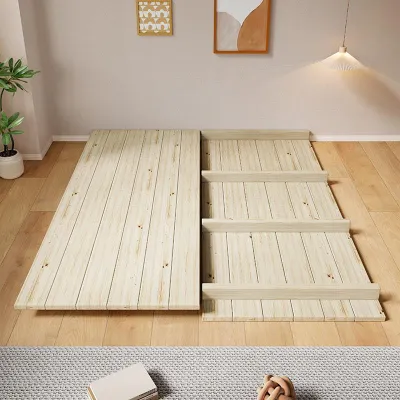
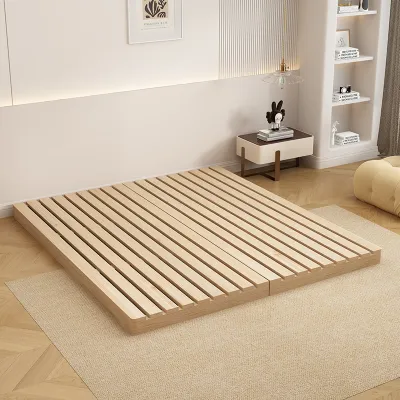
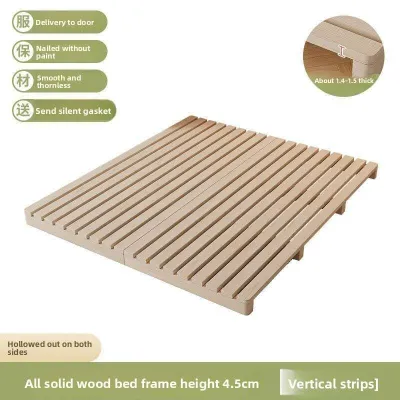
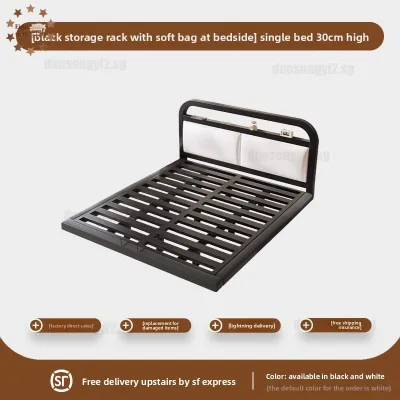
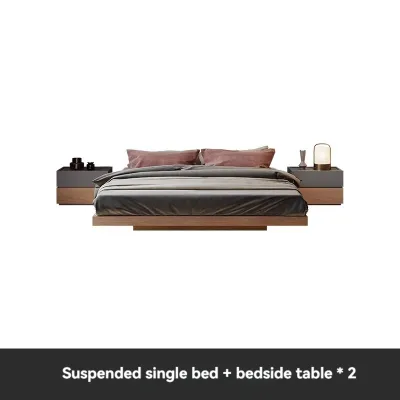
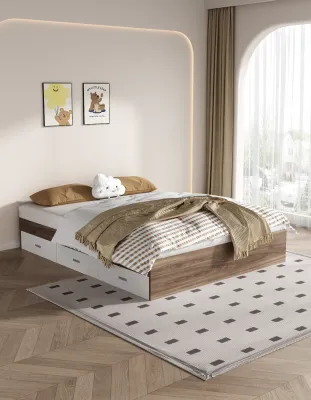
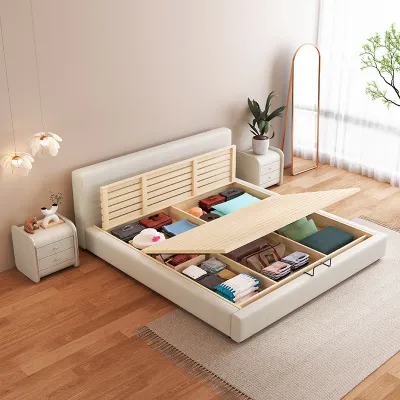
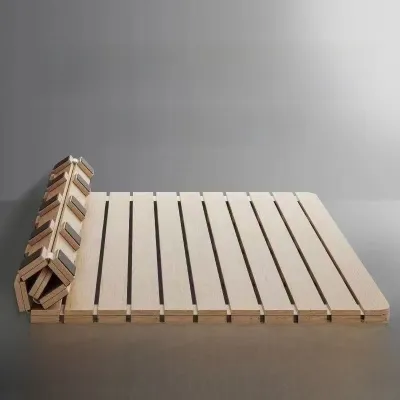
Prices are valid at publication and may change. Please refer to the product page for the latest price.
The Montessori philosophy of child development heavily emphasizes freedom of movement, autonomy, and safe exploration within a prepared environment. A low bed frame, particularly a floor bed, aligns perfectly with this approach by allowing even the youngest toddlers to crawl or walk into bed when they are tired and wake up to explore their room safely without needing parental assistance. This design builds confidence, spatial awareness, and self-regulation from an early age, transforming the bed from a place of physical confinement into a welcoming space for rest and play.
Transitioning from a baby cot to a big-kid bed can be a challenging developmental phase. Many toddlers resist the change or feel anxious about the sudden height increase and the loss of the protective cot sides. A low bed frame removes this intimidating height barrier, making the bed feel physically manageable and accessible. It also simplifies bedtime routines, as parents can comfortably sit or lie down next to their child on the low frame for bedtime stories without worrying about overloading a delicate structure or risking a fall during the night.
Furthermore, low bed frames eliminate the need for tall, heavy, and potentially hazardous climb-over guardrails. Traditional guardrails can sometimes become a hazard themselves if a child attempts to climb over them, leading to a fall from an even greater height. With a low-profile bed, a simple, low-height safety rail or even a soft floor mat beside the bed is more than sufficient to keep your child secure, making the entire sleep environment simpler and safer.
Key Safety Certifications and Build Quality Standards to Look For
When shopping for children’s furniture in Singapore, it is vital to look past marketing claims and verify objective safety certifications. ASTM F1821 is the standard consumer safety specification for toddler beds established by ASTM International. This standard tests for structural integrity, tip-over resistance, the security of guardrails, and the prevention of entrapment. The European standard EN 716 governs children’s cots and folding cots, while EN 1725 covers safety, strength, and durability requirements for domestic beds. Checking for these compliance labels on product packaging or brand websites ensures the frame has undergone rigorous mechanical testing.

Singapore’s warm, humid climate can accelerate the off-gassing of volatile organic compounds (VOCs) from low-quality paints, glues, and varnishes, potentially affecting indoor air quality and your child’s respiratory health. To protect your child, prioritize brands that use certified non-toxic finishes. Look for certifications like GREENGUARD Gold, which ensures the product meets some of the world’s most rigorous third-party chemical emissions standards. Alternatively, verify that the brand uses water-based lacquers or natural oil finishes that comply with the European toy safety standard EN 71-3, meaning the finish is safe even if a teething toddler decides to chew on the bed frame.
Physical dimensions play a vital role in preventing entrapment injuries. The gaps between the wooden slats supporting the mattress must be carefully regulated. If the gaps are too wide, there is a risk of a child’s head, limbs, or torso getting trapped between them. A safe slat gap must always be less than 6 centimeters. Additionally, examine the joints of the bed frame. High-quality children’s furniture utilizes heavy-duty, metal-on-metal connectors rather than simple wood screws, ensuring the frame remains rigid and wobble-free even after years of use.
Corners and edges must be rounded or chamfered to prevent sharp-impact injuries when children play near the bed. Look for frames where the hardware is fully recessed or concealed, preventing clothing from snagging and protecting delicate skin from scratches. The overall weight capacity of the bed is another crucial indicator of build quality; a sturdy frame should easily support the weight of both the child and a parent during bedtime reading, preventing structural failure under dynamic loads.
Reliable Kids' Bed Frame Brands and Design Types in Singapore
To navigate the diverse children’s furniture offerings in Singapore, parents should focus on verifiable design philosophies, material choices, and structural engineering. Reliable brands generally fall into three distinct design categories, each catering to specific developmental stages and space requirements. Before making a final purchase, always verify the manufacturer’s current safety compliance labels, maximum weight capacities, and assembly instructions to ensure they suit your specific home environment.
Before purchasing any children’s bed frame, measure your bedroom’s available floor space and compare it with the finished dimensions of the frame. Because many HDB flats and condominiums in Singapore have compact bedrooms and narrow corridors, verify that the packaged boxes can fit through your home’s doorways and lift access points. Additionally, confirm the manufacturer’s stated load capacity to ensure the frame can safely support both your child and an adult during bedtime stories.
Montessori-Style Floor Bed Specialists
Montessori-style floor bed specialists focus on ultra-low profiles that sit directly on the floor or rest on very short legs to allow air circulation. In Singapore, custom furniture makers and specialized boutiques offer beautifully crafted Montessori floor beds. These frames are typically constructed from natural, sustainably sourced timbers like solid pine, birch, or beechwood.
Because these beds are designed specifically for early toddlers transitioning from a cot, they feature minimalist structures with no sharp hardware, exposed joints, or complex mechanisms. The focus is entirely on simplicity, organic materials, and an absolute minimum fall risk. When choosing a floor bed, look for models that include a subtle slatted base rather than placing the mattress directly on the floor, as this ensures essential ventilation while keeping the sleeping surface incredibly low and safe.
Premium Solid Wood Furniture Brands
For parents seeking long-term durability, premium solid wood brands provide exceptionally robust options. These beds are constructed from heavy, dense hardwoods or high-grade Scandinavian softwoods. The sheer weight of solid wood is a major safety advantage: it prevents the bed frame from sliding, tipping, or shifting when an active child jumps or rolls against the frame.
These brands prioritize rounded corners, concealed hardware, and ultra-sturdy dowel-and-bolt joints. Their finishes are strictly regulated under European safety standards, ensuring that the heavy-duty structure is completely non-toxic. Solid wood frames also offer excellent load capacities, often exceeding 100 kilograms, making them highly stable and capable of lasting through your child’s entire school-age years.
Modular and Convertible Bed Systems
Modular systems offer low bed frames that can adapt and expand as your child grows. These beds start as a safe, low-profile single bed with removable guardrails and can later be elevated into mid-sleepers, high-sleepers, or bunk beds using specialized extension kits. This adaptability makes them a highly cost-effective and space-saving solution for growing families in Singapore.
The safety of these systems relies heavily on the engineering of their locking mechanisms and the structural integrity of their joints. When configured in their low format, they provide a secure, low-to-the-ground sleeping surface. Parents must ensure that any conversion kits used are original manufacturer parts and that the integrated guardrails meet standard height requirements to keep slightly older, active sleepers secure.
Essential Safety Checks Before and After Assembly
Once your bed frame is delivered and assembled, performing a series of physical safety checks is essential to ensure the sleep environment is completely secure.
- Slat Gap Measurement: Take a measuring tape and measure the gaps between the wooden slats. To prevent accidental entrapment or injury, the distance between each slat must be less than 6 centimeters. If the gaps are wider, you may need to add additional slats or a solid bunkie board to ensure a safe, flat, and supportive foundation for the mattress.
- Mattress Fit Check: A critical and often overlooked risk is the gap between the mattress and the bed frame. Place your chosen mattress into the frame and check all sides. There should be no gap wider than 3 centimeters. If you can easily fit more than two fingers between the mattress edge and the frame, the mattress is too small. This gap poses a severe entrapment hazard for a child's limbs.
- Hardware and Stability: During and after assembly, inspect all connection points. Ensure all screws, bolts, and dowels are fully tightened and flush with the wood surface to prevent snagging clothes or scratching skin. Shake the bed frame firmly from side to side and head to toe. There should be zero wobble or squeaking. Because wood naturally expands and contracts with changes in humidity—especially in Singapore's tropical climate—make a habit of checking and re-tightening all hardware two weeks after the initial assembly, and then every six months thereafter.
- Anchoring and Placement: Position the low bed frame away from windows, curtain or blind cords, electrical outlets, and wall-mounted heaters. Ensure there are no heavy shelves, framed pictures, or mirrors hanging directly above the bed that could fall if the child bumps the wall. If the bed frame features a taller headboard, decorative house-frame structure, or modular components, consider anchoring it securely to the wall to eliminate any risk of tip-over, particularly if your child is an active climber.
Frequently Asked Questions (FAQ)
At what age is it safe to transition a child to a low bed frame?
Most children are developmentally ready to transition from a baby cot to a low bed frame between 18 months and 3 years of age. Rather than relying solely on age, watch for physical signs of readiness. If your child can climb out of their cot, has reached 89 centimeters in height, or expresses a strong desire for independence, it is time to make the switch. A low bed frame is the safest transition option because it eliminates the danger of a high-altitude fall if they attempt to climb out during the night.
Do low bed frames require a specific type of mattress for safety?
Yes, low bed frames require a firm, supportive, and highly breathable mattress that matches the frame’s internal dimensions exactly. For toddlers, a mattress that is too soft can pose a suffocation hazard, so prioritize firm foam or pocket spring options designed specifically for children. Additionally, keep the mattress height in mind: a mattress that is too thick (over 15 to 20 centimeters) may negate the safety benefits of the low-profile frame or render low guardrails ineffective.
How can I prevent mold under a low bed frame in Singapore's humid climate?
Singapore’s high humidity makes mold prevention a top priority, especially for low bed frames that sit close to the floor. To prevent moisture buildup, choose a bed frame with a raised slatted base rather than a solid board to allow continuous airflow beneath the mattress. Ensure the bedroom is well-ventilated by opening windows daily or running an air conditioner or dehumidifier. On a monthly basis, lift the mattress completely off the frame, vacuum the slats, and allow both the mattress and the frame to air out in a well-ventilated room to prevent mold spores from developing.
Community discussion
Share your experience or ask a question. Comments are reviewed before publication.