
When selecting a bunk bed for a children’s bedroom, safety is the single most important consideration. While much attention is naturally paid to guardrails and ladder stability, the spacing of the bed boards—commonly referred to as bed slats—is a critical structural element that directly impacts a child’s safety. Proper spacing ensures that the mattress is adequately supported while eliminating dangerous gaps that could lead to severe accidents.
In compact living environments, such as HDB flats and condominiums where space-saving furniture is highly valued, bunk beds are a popular choice for families. However, parents must look beyond aesthetics and room layout to evaluate the structural integrity of the bed support system. Verifying that the gaps between the bed boards comply with established safety guidelines is essential to creating a secure sleeping environment for growing children.
Understanding Entrapment and Fall Risks in Bunk Beds
Entrapment is one of the most serious hazards associated with poorly designed bunk beds. This occurs when a child’s body is small enough to slip through a gap between the bed boards, but their head or neck is too large to pass through. If a child slips through the slats feet-first, they can become suspended by their head or neck, leading to a high risk of strangulation or severe airway compression.
Products mentioned in this guide
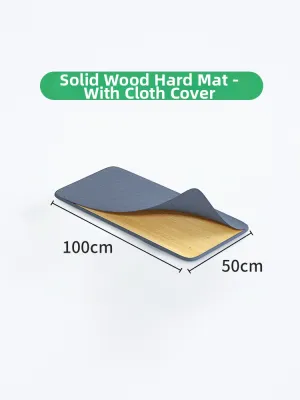
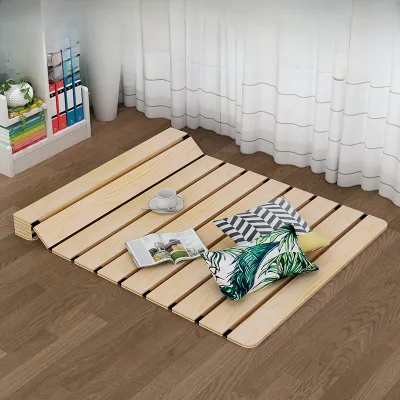
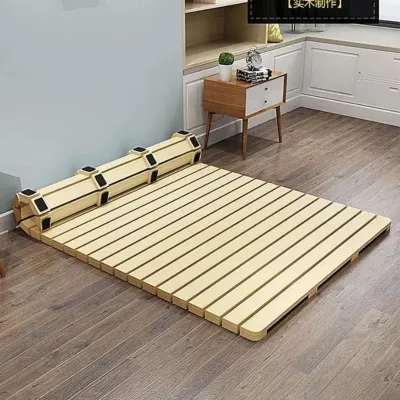
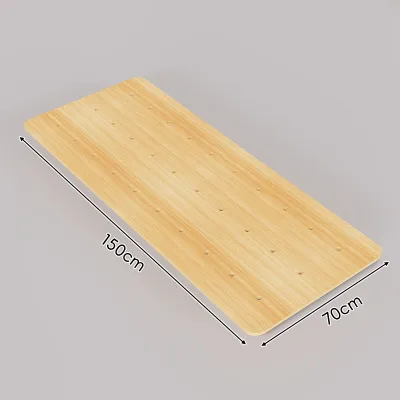
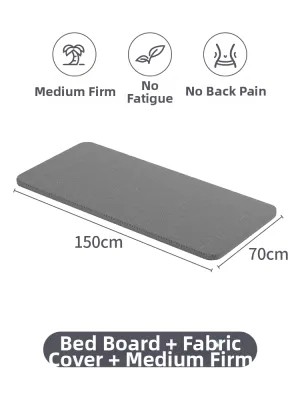
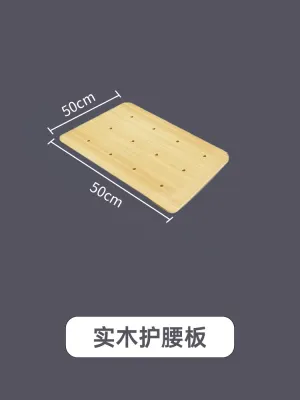
![[SG Seller] Twentyone Single / Super Single Size Bed Pine Wood Plywood Board 12 mm thickness.Free delivery](https://img.lazcdn.com/g/p/c918a6fb2c373dc92807e11deb66fd5d.jpg_400x400q80.jpg_.webp)
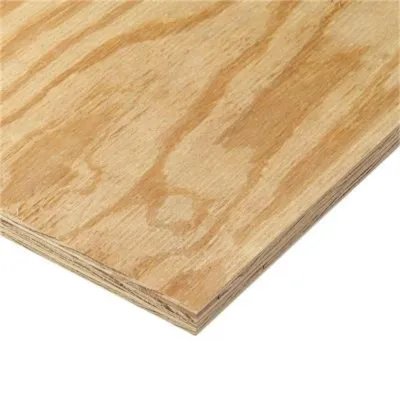
Prices are valid at publication and may change. Please refer to the product page for the latest price.
Limb entrapment is another frequent hazard that can cause painful injuries. Active children often play on their beds, and if the gaps between the slats are too wide, a foot, leg, or arm can easily slip through. If the child loses their balance or twists while their limb is caught between rigid wooden or metal boards, it can result in sprains, joint dislocations, or fractures.
Fall-through risks are particularly concerning for younger children who may use the bottom bunk or play underneath the frame. If the bed boards are spaced too far apart, a small child crawling or playing on the mattress can cause the mattress to sag or shift, potentially allowing the child to fall through the frame onto the floor below.
It is important to distinguish between the risk profiles of guardrails and the main bed board structure. While guardrails on the top bunk are designed to prevent a child from rolling out of bed horizontally during sleep, the bed boards must bear the vertical load of both the mattress and the child. If the bed boards fail or shift, the entire safety system of the bunk bed is compromised, regardless of how secure the guardrails are.
How to Verify Safety Standards and Manufacturer Specifications
To ensure a bunk bed is safe for your home, start by looking for physical safety certification labels directly on the bed frame. High-quality bunk beds sold by reputable retailers usually feature a permanent stamp, sticker, or metal plate. These labels typically indicate compliance with international safety standards, such as the European standard EN 747 or the American standard ASTM F1427, which govern the structural integrity and gap dimensions of children’s furniture.

Always read the manufacturer’s assembly manual thoroughly before purchasing or assembling the bed. The manual should clearly state the maximum allowable gap specifications for the bed boards, the required number of slats, and the maximum weight limits for both the upper and lower bunks. If the manual does not specify these details, or if the assembly instructions seem vague, it is a sign that the product may not have undergone rigorous safety testing.
Before finalizing a purchase, check official consumer safety registries and manufacturer websites for any product recalls. In Singapore, consumer product safety is monitored by local regulatory bodies, which regularly publish alerts regarding unsafe furniture. Checking these registries ensures you do not inadvertently purchase a bunk bed model that has been flagged for structural failures or non-compliant spacing.
When shopping in physical showrooms, do not hesitate to ask sales representatives for documentation proving that the bunk bed meets local safety guidelines. If you are purchasing from an online marketplace, verify that the seller is authorized and that the product description explicitly lists compliance with recognized safety standards. Avoid unbranded or extremely cheap models that lack verifiable safety certifications.
Step-by-Step Guide to Measuring Bed Slat Gaps
Measuring the gaps between bed boards is a straightforward process that parents should perform both before purchasing a bed and periodically during its use. To begin, remove the mattress, bedding, and any mattress protectors from the bunk bed frame so that the support slats are completely exposed. Ensure the bed frame is fully assembled and placed on a level surface.
Select a rigid metal tape measure for this task rather than a flexible fabric sewing tape. A metal tape measure remains stiff and straight, allowing you to measure the exact horizontal distance between the inner edges of adjacent slats without sagging, which can lead to inaccurate readings. For even greater precision, a vernier caliper can be used to measure the gaps.
Measure the distance between every single pair of slats across the entire length of the bed frame. Do not assume that the spacing is uniform throughout; manufacturing variances or improper assembly can lead to wider gaps in certain areas. Pay close attention to the gaps closest to the headboard and the footboard, as these end zones often have irregular spacing to accommodate the frame’s corner posts.
Next, inspect the structural integrity of the slats under weight. Apply localized downward pressure to the center of each bed board to simulate the weight of a child. Observe whether the slats bow, bend, or shift significantly under pressure. If a slat is highly flexible, the gap between it and the neighboring slat can widen dynamically when a child lies down, creating a temporary hazard that is not visible during a static inspection.
Finally, check how the slats are secured to the bed frame. Safe bunk beds feature slats that are screwed, bolted, or locked into a dedicated track on the side rails. If the slats are loose or merely rest on a wooden ledge without fasteners, they can easily slide together over time. This shifting can create one or two dangerously wide gaps while leaving the rest of the slats tightly packed.
Action Plan for Unsafe or Non-Compliant Bed Boards
If your measurements reveal that the bed board spacing exceeds the manufacturer’s specifications, or if you notice that the slats are damaged, warped, or shifting, you must take immediate action. Stop using the bunk bed immediately. Do not allow children to sleep or play on either the top or bottom bunk until the issue is fully resolved.
To temporarily decommission the bed, remove the ladder and place the mattresses directly on the floor. This prevents children from attempting to climb onto the frame while you arrange for repairs or a replacement. Clearly explain to your children why the bed is temporarily out of service to ensure they do not attempt to play on the frame.
Contact the manufacturer or the authorized retailer where you purchased the bunk bed. If the product is still under warranty, they may provide a compliant replacement slat kit, additional support rails, or send a technician to inspect and repair the frame. Always use official, manufacturer-approved parts to ensure that the structural integrity of the bed is maintained.
When considering aftermarket solutions, weigh the safety implications carefully. Some parents consider placing a solid sheet of plywood, often called a bunkie board, over the existing slats to cover the gaps. While this effectively eliminates entrapment risks, it also blocks airflow. In Singapore’s humid tropical climate, restricting ventilation under the mattress can lead to moisture buildup, mold growth, and dust mite infestations. If you choose to use a solid board, ensure it has pre-drilled ventilation holes and is paired with a moisture-resistant mattress protector.
If the bunk bed frame is old, lacks safety certification labels, or has warped side rails that cannot securely hold new slats, the safest course of action is to replace the entire frame. Investing S$300 to S$600 in a new, certified bunk bed that meets modern safety standards is a necessary step to guarantee your child’s long-term safety and your peace of mind.
Frequently Asked Questions (FAQ)
Can I add extra slats to reduce the gap on an existing bunk bed?
Adding extra slats to an existing bunk bed is a common DIY consideration, but it carries structural risks. Bunk beds are engineered systems designed to distribute weight in a specific manner. Drilling new holes into the side rails to secure extra slats can weaken the wood or metal, potentially leading to structural failure under load.
Before making any modifications, check if the manufacturer offers an approved slat conversion kit or extra support rails designed specifically for your bed model. These kits are engineered to fit the frame securely without compromising its structural integrity. If no official kit is available, consult a qualified professional carpenter rather than attempting a DIY modification that could void the product warranty and compromise safety.
Does mattress thickness affect the safety of bed slat spacing?
Yes, mattress thickness plays a significant role in the overall safety of a bunk bed, but it does not compensate for unsafe bed board spacing. A thick mattress might physically cover wide gaps between slats, but if a child jumps on the bed or if the mattress shifts, the underlying gaps still pose an entrapment hazard if the mattress slips into them.
Furthermore, using an overly thick mattress on the top bunk reduces the effective height of the guardrails. Safety standards require a minimum distance between the top of the mattress and the top of the guardrail to prevent falls. Always consult the bunk bed’s product manual to find the exact recommended mattress thickness and profile, ensuring that both the bed board support and the guardrail height remain within safe limits.
Community discussion
Share your experience or ask a question. Comments are reviewed before publication.