
Selecting the ideal wooden dining table for your home is a highly personal decision that hinges on your budget, aesthetic preferences, and willingness to perform routine maintenance. There is no single “best” wood species that outperforms all others in every category. Instead, the right choice depends on how you plan to use the table, the specific look you want to achieve, and how much you are willing to invest. This guide compares four of the most popular wood types used for indoor dining tables in Singapore: rubberwood, teak, acacia, and oak. By understanding the unique characteristics of each material, you can make an informed decision that suits your household’s daily lifestyle.
Wood Profiles: Understanding Your Material Options
To choose the right wooden dining table, you must first understand the inherent characteristics of the materials available.
Rubberwood is a light-colored, medium-density hardwood harvested from rubber trees after their latex-producing cycle. It is an entry-level, eco-friendly option utilizing a byproduct that would otherwise be discarded. While highly versatile and easy to stain, its natural density is lower than premium hardwoods. Inspect the manufacturer’s specifications regarding the protective finish, as a high-quality topcoat is essential to prevent moisture absorption.
Products mentioned in this guide
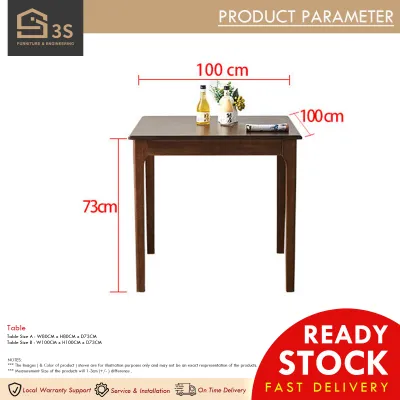
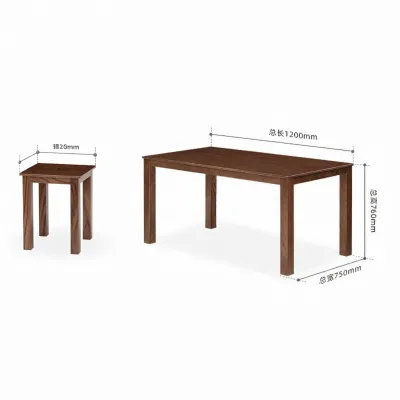
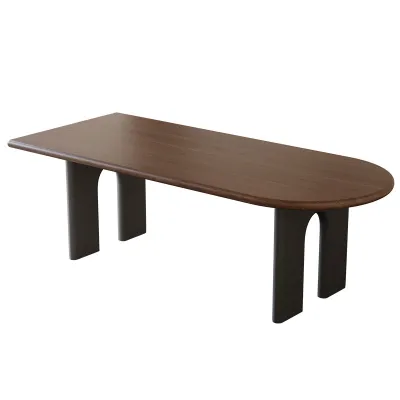
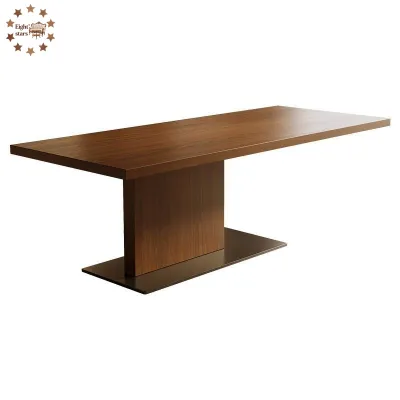
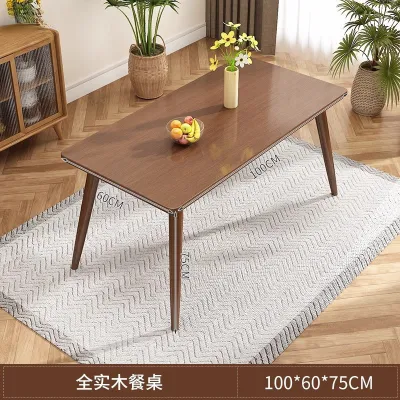
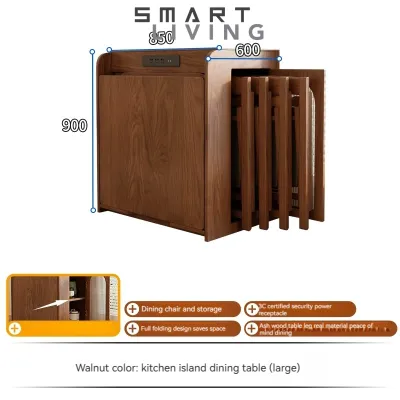
5 Lazada user ratings
Super satisfied! Looks exactly like the pictures – no color difference. Hardly any smell, and the service was awesome. Definitely recommend!
I feel satisfied with this table. The quality is high, and it is pretty. I like it very much!
I like this table. It is foldable, and it quality is high. I like its design very much!

Prices are valid at publication and may change. Please refer to the product page for the latest price.
Teak is a premium hardwood renowned for its high density and natural oils. For indoor dining, teak offers a rich, golden-brown hue that matures beautifully. However, do not assume an indoor teak table possesses outdoor-level weatherproofing. Indoor teak tables are typically treated with specific lacquers or oils that require distinct care, making it crucial to verify the exact surface treatment.
Acacia is a fast-growing hardwood characterized by striking, contrasting grain patterns and warm, varied tones. It occupies a mid-range market position, offering excellent hardness at a more accessible price point than premium woods. Because acacia trees grow in small diameters, these tables often feature joined boards of varying widths, creating a rustic, dynamic appearance where no two pieces are identical.
Oak is a classic, heavy hardwood known for its prominent, straight grain and exceptional structural rigidity. It is highly resistant to daily wear and tear. You will typically encounter red oak, which features warm, pinkish undertones, or white oak, which offers cooler, golden-brown tones. Both varieties provide a timeless look that fits traditional, modern, or farmhouse interiors.
Remember that a material name alone does not guarantee performance. Surface treatments, joinery precision, and overall construction methods play a massive role in how well your table holds up. Even the hardest wood can fail if poorly assembled or finished with a subpar sealant.
Key Comparison Dimensions for Your Dining Space
When evaluating these woods, focus on three practical dimensions: durability, aesthetics, and physical weight. These factors influence how the table performs daily, how it complements your interior design, and how easy it is to manage.

Durability is determined by a combination of wood hardness and surface protection. While oak and acacia are physically harder than rubberwood, a rubberwood table with a high-quality polyurethane finish can resist scratches better than a poorly finished oak piece. Look closely at the joinery; mortise-and-tenon joints or reinforced corner blocks indicate a stable structure. Avoid relying solely on the wood species name as a guarantee of scratch resistance.
Aesthetics and grain patterns define the visual impact of your table. If you prefer a clean, uniform look with minimal grain distraction, rubberwood is highly adaptable and easily stained to mimic darker woods like walnut. If you appreciate dramatic, swirling patterns and bold color contrasts, acacia provides a stunning focal point. Teak offers a subtle, tight grain with golden warmth, while oak delivers a classic, textured feel with prominent growth rings.
The physical weight of the table affects stability and mobility. Oak and teak tables are exceptionally heavy, making them highly stable but difficult to move when cleaning. Rubberwood is lighter and easier to reposition, making it a practical choice for smaller spaces or households that frequently reconfigure their layout. Regardless of your choice, use high-quality felt pads on the legs to protect your flooring.
Maintenance and Climate Considerations
Singapore’s tropical climate presents unique challenges for solid wood furniture. High relative humidity and temperature fluctuations can cause wood to expand and contract, potentially leading to warping or joint separation if the furniture is not properly maintained.
Routine cleaning is your first line of defense. Use a soft, damp microfiber cloth to wipe away dust daily. Spills must be cleaned up immediately, as standing liquids can penetrate the finish and leave permanent water rings. Avoid harsh chemical cleaners, abrasive scrubbing pads, or generic multi-purpose sprays, which can strip the protective topcoat over time.
To protect your table, manage its immediate environment. Avoid placing it in direct sunlight, which can dry out the wood and cause uneven fading. Similarly, position the table away from direct air-conditioning vents, as the constant flow of cold, dry air can cause rapid moisture loss and structural stress. Maintaining a stable indoor environment is key to preserving the wood’s integrity.
Always refer to the manufacturer’s specific care label for maintenance guidance. Some finishes require periodic re-oiling, while others only need a simple wipe-down. Never apply DIY polishing recipes or home remedies, as incompatible ingredients can react negatively with the factory finish and cause irreversible damage.
Budget and Value Expectations
Understanding the relative pricing of these wood types helps you align your expectations with your financial plan. While prices vary based on design, the materials generally fall into distinct cost tiers.
Rubberwood sits at the entry-level tier, offering an affordable path to owning a solid wood table. Acacia and oak occupy the mid-range tier, balancing durability, distinct aesthetics, and value. Teak resides in the premium tier, commanding a higher price due to its slow growth rate and exceptional natural properties.
The final S$ cost is influenced by several factors beyond the raw material. Complex joinery, custom design elements, thick solid wood tops, and brand warranties all contribute to a higher price. When comparing options, look for transparent material disclosures from the retailer to ensure you are paying for genuine solid wood rather than a thin veneer.
Be sure to factor in potential hidden costs when planning your budget. Delivery fees, assembly charges, and specialized maintenance products can add up. Verifying these details with the retailer before purchasing prevents unexpected expenses and ensures a smooth transaction.
Decision Framework: Which Wood Should You Choose?
To narrow down your choices, consider how your household’s daily habits, budget, and design preferences align with each wood type.
Choose rubberwood if budget is your primary consideration and you want a solid wood table for a low-impact, controlled environment. It is an excellent option for rental properties, starter homes, or households that prefer a simple, functional design that can be easily upgraded in the future.
Choose teak if you prioritize a premium feel, have a higher budget, and appreciate a smooth, tight grain that ages gracefully. Teak is an investment piece that, with proper care, can last for decades as a timeless centerpiece.
Choose acacia if you want a striking, rustic look with bold grain patterns and a durable surface at a mid-range price point. It is ideal for active households wanting a table with character that naturally masks minor wear and tear.
Choose oak if you prefer a classic or modern farmhouse aesthetic with high structural rigidity and a prominent, textured grain. Oak offers exceptional strength and a reassuringly solid presence that complements many interior styles.
Before finalizing your decision, verify if your table will be exposed to high moisture, heavy commercial-style use, or if you require specific custom dimensions. If your dining area doubles as a high-traffic workspace, prioritizing a harder wood with a highly durable polyurethane finish is essential.
Pre-Purchase and Delivery Checklist
Before committing to a heavy furniture purchase, verify the practical logistics of getting the table into your home and ensuring it fits comfortably.
First, measure your dining space carefully, leaving at least 90 centimeters of clearance around the table for chairs to slide out and people to walk past. Measure your doorways, stairwells, and elevator dimensions. A large, solid wood table cannot be bent, so ensuring adequate clearance for delivery is critical to avoiding costly return fees.
Next, check the table’s base design. Pedestal bases offer maximum legroom and seating flexibility, while corner legs provide excellent stability but can limit chair placement. Ensure the table’s footprint allows your existing dining chairs to slide completely underneath when not in use.
Finally, confirm assembly requirements with the retailer. Some solid wood tables are delivered fully assembled, while others require professional installation on-site. Review the retailer’s return policies and warranty terms so you understand your options in the event of transit damage or manufacturing defects.
Frequently Asked Questions (FAQ)
Can I mix different wood types in my dining room?
Yes, you can successfully mix different wood types in your dining room to create a curated, layered look. To keep the space cohesive, try to match the undertones of the woods—for example, pairing warm-toned acacia with warm-toned oak. You can also use an area rug to visually separate the table from wooden flooring, preventing the grains from clashing. Intentionally contrasting a dark wood table with lighter wood chairs can also create an appealing, modern aesthetic.
How do I fix minor scratches on a wooden dining table?
For minor surface scratches, always start by consulting the manufacturer’s care guidelines. Many brands offer approved touch-up markers or wax sticks specifically formulated to match their finishes. Gently apply the touch-up product to the scratch according to the instructions. Avoid DIY sanding, heat treatments, or chemical stripping, as these aggressive methods can easily ruin the protective topcoat and require a costly professional restoration.
Community discussion
Share your experience or ask a question. Comments are reviewed before publication.