
The best storage basket type for any given room depends on matching the basket’s material, structure, and ventilation to the room’s specific environmental conditions and storage demands. While natural woven baskets bring warmth to dry living areas, high-moisture zones like bathrooms require synthetic or treated materials that resist humidity. Selecting the right basket storage ensures your home organization remains both functional and visually appealing over time.
To organize your home effectively, you must evaluate how each basket type handles moisture, weight, and physical wear. Selecting the wrong material can lead to mold, snagged fabrics, or sagging shelves, whereas a targeted approach ensures long-lasting organization.
Core Selection Criteria for Room-Specific Basket Storage
Assess the weight of the items you intend to store before choosing a basket. Heavy books, toys, or pantry jars require rigid structures with reinforced bases, whereas lightweight linens can sit comfortably in soft, flexible fabric bins.
Products mentioned in this guide
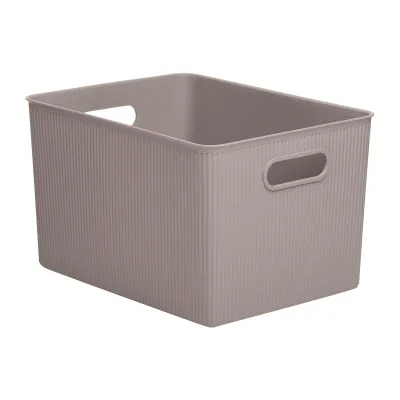
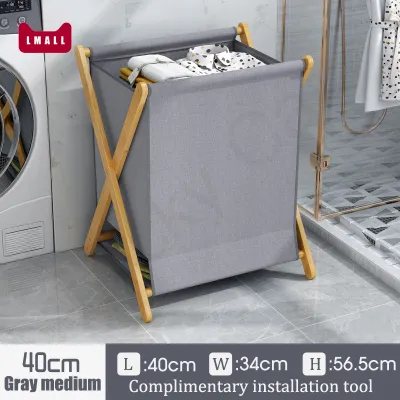
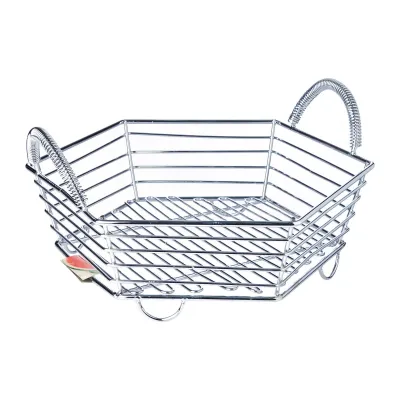
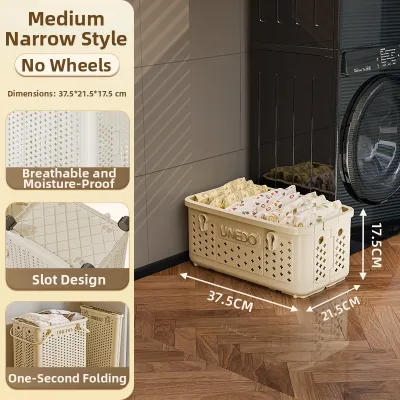
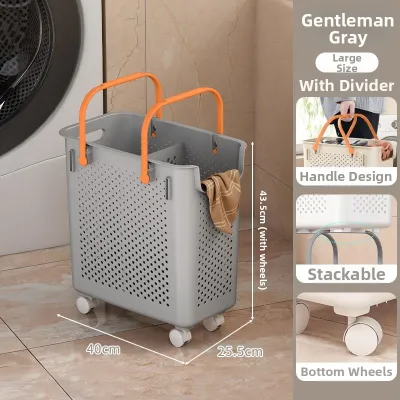
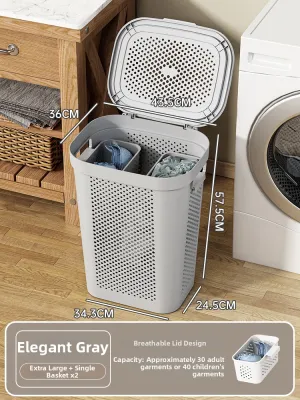
Prices are valid at publication and may change. Please refer to the product page for the latest price.
Evaluate the environmental conditions of the target room. High-humidity zones demand materials that do not absorb moisture, while dry spaces allow for a wider variety of natural fibers.
Measure your storage spaces carefully before purchasing any basket storage. Check the height, width, and depth of shelving units, wardrobe compartments, or under-bed clearances to ensure a smooth fit.
Examine the interior surface of the basket. Rough, unlined woven materials can easily snag delicate knitwear or silk, making smooth fabric linings or polished synthetic surfaces essential for clothing storage.
Consider how often you will move the basket. If you plan to pull it off high shelves frequently, look for integrated handles that are securely stitched or riveted to the main frame.
Choosing Baskets for High-Moisture and Utility Areas
Bathrooms, kitchens, and laundry rooms present unique challenges due to high humidity, steam, and potential liquid spills. In these zones, prioritizing moisture-resistant materials is critical to prevent mold growth and structural warping.

In humid climates like Singapore, synthetic weaves, such as polypropylene plastic imitation rattan, offer the look of natural fiber without the risk of absorbing water. These materials can be easily wiped down or rinsed in the sink when they accumulate soap residue or dust.
Treated metals and powder-coated wire baskets are excellent options for utility spaces. The protective coating prevents rust, while the open wire design allows for maximum airflow, which is ideal for damp hand towels or fresh kitchen produce.
Avoid placing untreated natural fibers like seagrass, water hyacinth, or willow in direct splash zones. Without a protective sealant, these materials absorb moisture rapidly, leading to mildew and unpleasant odors.
For laundry hampers or vegetable storage, look for baskets with removable, machine-washable fabric liners. This feature allows you to wash away spills, dirt, or sweat without damaging the outer basket structure.
Selecting Aesthetic and Functional Baskets for Living Spaces
Living rooms and entryways require basket storage that balances aesthetic appeal with daily durability. Because these baskets are often on display, they should complement your existing furniture finishes and interior design style.
Natural fibers like rattan, jute, and cotton rope add warmth and texture to communal spaces. These materials work well for holding throw blankets, cushions, or media accessories near the sofa.
To keep visual clutter to a minimum, opt for lidded baskets in high-traffic areas. Lids conceal miscellaneous items like remote controls or toys while protecting the contents from dust accumulation.
Ensure any basket intended for frequent transport has reinforced handles or sturdy rims. Baskets used to gather toys or carry firewood must withstand repetitive lifting without tearing or losing their shape.
Check the exterior texture of the basket before placing it on delicate wooden consoles or painted shelves. Rough bottoms can scratch polished surfaces, so look for baskets with felt pads, smooth fabric bases, or soft woven structures.
Optimizing Closet and Wardrobe Organization with Baskets
Closets and wardrobes benefit immensely from structured basket storage, which helps categorize smaller apparel items like socks, scarves, and folded t-shirts. To maximize vertical space, choose stackable designs or baskets that fit snugly on wardrobe shelves.
Always measure your closet shelves precisely, taking into account door hinges, sliding tracks, and light fixtures. A basket that is even slightly too wide can catch on the wardrobe frame, making daily access frustrating.
Select breathable materials like canvas, cotton rope, or open-weave wicker for clothing storage. Proper airflow prevents musty odors from developing when garments are stored for extended periods in enclosed closets.
Incorporate label holders, clear-front bins, or distinct color-coding systems to identify contents quickly. This prevents the need to pull down and rummage through multiple baskets to find a specific accessory.
Be mindful of the load-bearing capacity of your closet shelving, especially on upper tiers. Avoid filling large baskets with heavy winter wear or books on high shelves, keeping the overall weight within safe limits.
Care, Maintenance, and Safety Checks
Proper care and maintenance extend the lifespan of your basket storage while keeping your home safe. Always refer to the manufacturer’s care instructions before using wet cleaning methods on natural fibers.
Periodically inspect woven and wire baskets for loose strands, protruding splinters, or broken metal joints. Sharp edges can damage stored fabrics or cause minor scratches during handling.
Maintain a low center of gravity by storing heavy, fully loaded baskets on lower shelves or floor level. This practice prevents tipping hazards, which is particularly important in households with young children or pets.
When storing empty natural fiber baskets, keep them in dry, well-ventilated areas rather than damp basements or sealed plastic bags. This prevents long-term moisture absorption and preserves the integrity of the weave.
Frequently Asked Questions (FAQ)
Can I use the same type of storage basket in every room?
While using a single basket style throughout your home creates a cohesive aesthetic, it is rarely practical. A natural seagrass basket that thrives in a dry bedroom will likely mold in a humid bathroom, while a delicate fabric bin may not support heavy kitchen pantry items. Tailoring the material to each room’s environment ensures durability and better hygiene.
How do I prevent woven baskets from snagging my clothes?
To protect delicate fabrics from snagging, inspect the interior of woven baskets for rough fibers or sharp splinters before use. The most effective solution is to use removable fabric liners, which create a smooth barrier between the textured weave and your garments. Alternatively, choose baskets made from soft cotton rope or those with pre-installed fabric linings.
Community discussion
Share your experience or ask a question. Comments are reviewed before publication.