
Deciding how to organize your wardrobe often comes down to a fundamental choice between adaptability and permanence. The ideal storage system must align with your physical room dimensions, floor conditions, and lifestyle needs. Rolling drawer units offer unmatched mobility and modular flexibility, making them excellent for dynamic spaces and temporary living arrangements. Conversely, fixed closet organizers maximize vertical space and provide robust, long-term stability for dedicated storage areas. Choosing the right system requires evaluating how you access your belongings, the structural limits of your walls, and the physical characteristics of your flooring.
Core Differences in Mobility, Stability, and Storage
Rolling drawer units are freestanding storage modules equipped with caster wheels at their base. Typically constructed from lightweight materials such as plastic, wire mesh, engineered wood, or lightweight metal frames, these units are designed for easy relocation. Because they are not anchored to any wall, they can be rolled from one room to another or tucked away under desks and low hanging rods.
Fixed closet organizers are built-in, wall-mounted, or floor-to-ceiling track systems that are permanently or semi-permanently secured to your home’s structure. These systems utilize vertical standards, brackets, hanging rods, and integrated shelves to create a cohesive storage framework. They are designed to remain in one place for the duration of their lifespan.
Products mentioned in this guide
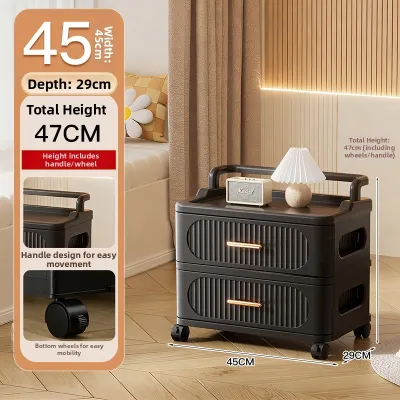
24 Lazada user ratings
cheap plastic for the price paid.. not really worth it..
Beautiful storage cabinet. Easily assembled. Thanks
Very sturdy & elegant look… will buy somemore
Well received but long wait delivery.
The color is very consistent.
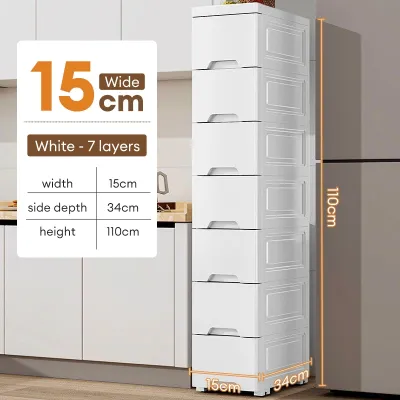
56 Lazada user ratings
It’s not what I expected. The picture I saw and what I received was really bad. Now I don’t know what to do with these.
Quick delivery and easy to install but overall item is flimsy- the drawers need to be adjusted when you pull them out.
received in good condition Ideal for kitchen gaps, 💰Price:good price
Fast delivery and good packaging. slim but can put many things
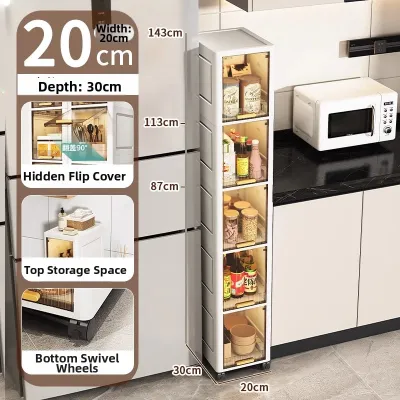
23 Lazada user ratings
There aren't any burrs, but I did need to tap the clips with a hammer during installation; everything else went fine.
Waited very long for it but worth the wait. Very easy to assemble and sides are sufficiently hard and sturdy.
Design:Nice Durability:Quite sturdy and material is good Good space utilization.
🎨Design:good 💾Storage Capacity:v.good
Great, stylish, and convenient.
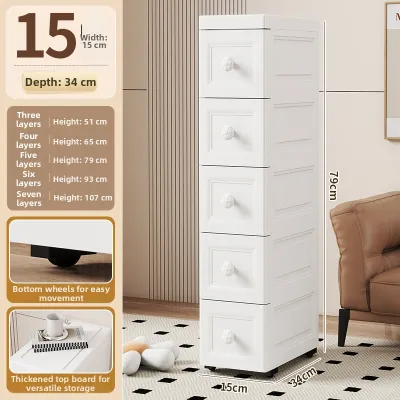
12 Lazada user ratings
Delivery took almost 2 weeks. The wait is worth it as I’m so glad I bought this! The size fits the small empty space gap behind my bed room …Read full reviewShow less
Delivery took almost 2 weeks. The wait is worth it as I’m so glad I bought this! The size fits the small empty space gap behind my bed room door. Good way to maximise the space with a proper storage shelving unit to keep small items. Quality of plastic is good and rather thick. It’s a pretty cabinet! Love it! Thank you seller! 👍🏻
🛠️Durability:Great and fast delivery, happy with purchase and hope it works well!
🛠️Durability:good one 😁 💾Storage Capacity:spacious 🥰 🎨Design:great 😃👍🏼
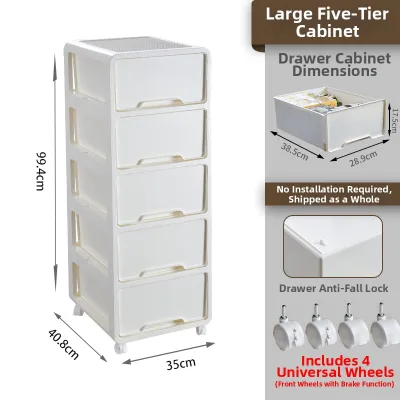
23 Lazada user ratings
After using it for a while, it really feels sturdy.
The colors are nice and the quality is great.
It can be locked, which is pretty great.
The color is really nice.
Not firm enough.
Prices are valid at publication and may change. Please refer to the product page for the latest price.
Mobility is the primary differentiator between the two systems. Rolling units excel in dynamic environments, allowing you to easily rearrange your room layout, clean the floor underneath, or transport your entire storage unit to another room. Fixed systems, once installed, remain completely static. Moving them requires complete disassembly, leaving behind structural holes that require patching and painting.
Stability and weight distribution also set these systems apart. Fixed organizers offer superior stability because they anchor directly into wall studs or solid masonry. They can support heavy winter coats, stacked boxes, and dense shelving loads without the risk of tipping. Rolling units rely entirely on their base footprint and gravity, meaning they face a higher risk of tipping or structural wobbling if loaded incorrectly or pushed over uneven surfaces.
Ultimately, dynamic, multi-purpose rooms benefit from the agility of rolling units. Dedicated walk-in or reach-in closets are best served by the high-capacity, structured nature of fixed organizers.
Evaluating Your Room Layout and Floor Conditions
The performance of caster wheels depends heavily on your flooring material. Hard surfaces like tile, vinyl, or polished concrete allow rolling units to glide effortlessly. Thick carpets or uneven floorboards create friction, causing wheels to drag, sink, or veer off course. For fixed organizers, floor leveling is critical; if your floor slopes, a floor-standing fixed system will require shims or adjustable leveling feet to prevent the entire structure from leaning.

Before purchasing any unit, measure the finished dimensions of your space, paying close attention to doorway and lift access if you are moving pre-assembled furniture. Ensure there is adequate clearance for drawer extension. A rolling unit requires clear floor space equal to its depth plus the full extension length of its drawers. You must also account for door swing paths, ensuring that wardrobe doors or room entryways do not collide with your storage units.
Fixed closet organizers place significant stress on your walls. Heavy-duty systems require anchoring into wooden wall studs or solid concrete. If you have hollow drywall, you must use specialized toggle bolts or hollow-wall anchors, and even then, weight capacities are severely limited compared to stud-mounted installations. Always locate studs using a stud finder before committing to a heavy wall-mounted system.
Lease agreements often dictate what storage systems you can use. Renters generally face strict limits on drilling into walls, making freestanding rolling units the preferred choice to avoid losing a security deposit. Homeowners have the freedom to invest in permanent, custom-built fixed organizers that add long-term value to the property.
Storage Efficiency and Item Categorization
Rolling drawer units are highly effective for enclosing bulky, seasonal items like sweaters, blankets, or shoes that you do not need to access daily. Because they are enclosed, they protect items from dust. Fixed organizers excel at daily accessibility, utilizing open shelving and hanging rods that keep your everyday wardrobe visible and within arm’s reach.
Always check the manufacturer’s specified load capacity for both drawers and shelves. Overloading a rolling unit can jam the caster wheels, bend the frame, or cause the drawer tracks to fail. For fixed systems, overloading shelves can lead to sagging or, in extreme cases, pull the wall anchors completely out of the drywall.
Fixed closet systems often feature adjustable tracks, allowing you to reposition shelves and hanging rods as your wardrobe changes. Rolling units are typically modular but have fixed internal dimensions. Once you purchase a rolling cart with three deep drawers, you cannot easily convert it into a hanging space or adjust the drawer heights.
Open fixed shelving requires meticulous folding and organization to maintain a tidy appearance. If you prefer a minimalist aesthetic but struggle to keep your clothes perfectly folded, enclosed rolling drawers hide visual clutter instantly, keeping your room looking clean even if the interior of the drawer is disorganized.
Installation, Maintenance, and Long-Term Upkeep
Setting up a rolling drawer unit is generally straightforward, often requiring nothing more than unboxing the frame and popping the caster wheels into their sockets. Installing a fixed closet organizer is a more intensive DIY project. It requires level lines, measuring tapes, drills, wall anchors, and precise alignment of vertical tracks to ensure shelves sit flat and drawers slide smoothly.
Maintenance habits differ significantly between the two systems. Rolling units must be periodically rolled out of their spots so you can vacuum the dust bunnies and debris that accumulate behind and underneath them. Fixed organizers require regular dusting of open shelves and vacuuming around the permanent baseboards, but they do not require physical heavy lifting to clean around.
Over time, caster wheels on rolling units accumulate hair, dust, and carpet fibers, which can lock the wheels and scratch hard floors. You must inspect and clean the casters regularly. For fixed systems, check the bracket connections and track glides annually to ensure no screws have loosened under the weight of your clothes.
If you are planning a large, floor-to-ceiling fixed closet installation and your walls are plaster, old masonry, or lack clear stud placement, stop and consult a professional installer. Attempting to mount heavy shelving to unstable wall materials can result in costly structural damage and safety hazards.
Decision Framework: Choosing the Right System for You
Choose a rolling drawer unit if you rent your home, frequently rearrange your furniture layout, or need a flexible storage solution that can slide under a desk or into a corner. It is also ideal if you prefer enclosed drawers to keep visual clutter out of sight.
Choose a fixed closet organizer if you own your home, have a dedicated closet space, and want to maximize your vertical storage with hanging rods and open shelving. This option is best for creating a seamless, high-capacity, built-in look.
Neither system may fit if your floors are highly sloped, your closet depth is too shallow to accommodate standard drawer glides, or your walls cannot support structural anchoring. In these cases, freestanding wardrobe armoires or tension-rod systems that do not require wall drilling may be better alternatives.
If you decide to combine both systems, verify the physical dimensions first. Ensure the height of the rolling unit does not block low-hanging garments on the fixed rods above, and confirm there is enough floor clearance for the rolling unit to slide in and out without hitting the vertical standards of the fixed organizer.
Frequently Asked Questions (FAQ)
Can I use a rolling drawer unit on a carpeted floor?
Yes, but performance depends on the carpet pile and caster design. Thick, plush carpets impede small plastic wheels, causing them to sink and making the unit difficult to roll. This resistance increases physical strain on the frame when you pull the drawers. Before purchasing, check the manufacturer’s specifications for caster wheel diameter and material; larger, heavy-duty rubber or polyurethane wheels glide much better on carpet. If your wheels still sink, placing a rigid plastic chair mat or a low-pile runner rug underneath the unit provides a smooth, stable surface for rolling.
How do I prevent a tall rolling drawer unit from tipping over?
Preventing tips requires strategic weight distribution and careful usage. Always load your heaviest items—such as jeans, shoes, or heavy blankets—into the bottom drawers to lower the unit’s center of gravity. Check the manufacturer’s weight limits and avoid overloading the top drawers. When accessing your items, avoid pulling out multiple drawers at the same time, as this shifts the weight forward and can cause the unit to fall. If the unit comes with anti-tip hardware or a wider stabilizing base, ensure these features are fully installed and utilized.
Are fixed closet organizers difficult to remove when moving out?
Removing a fixed closet organizer requires time, tools, and wall restoration. The removal process involves unscrewing the vertical standards, brackets, and wall anchors from the wall. This leaves behind noticeable drill holes, especially if heavy-duty toggle bolts were used. To secure your rental deposit, you will need to patch these holes with spackling compound, sand them smooth once dry, and apply matching paint. If you want to avoid this labor-intensive restoration, consider freestanding modular wardrobes or tension-based systems that secure between the floor and ceiling without screws.

Community discussion
Share your experience or ask a question. Comments are reviewed before publication.