
Choosing the right movable storage for a Singapore HDB flat depends entirely on whether you need continuous, narrow-gap accessibility or high-capacity, temporary organization. Rolling storage carts and foldable shelving units both offer excellent ways to maximize tight floor plans, but they serve fundamentally different spatial functions. Rolling carts excel at navigating tight corners and providing quick access to daily essentials in high-traffic zones like kitchens and bathrooms. Foldable shelving units, on the other hand, offer a robust, collapsible solution for bulkier items, allowing you to reclaim valuable floor space when the shelves are not in use.
In compact HDB layouts, where every square meter must be utilized efficiently, static furniture can sometimes make rooms feel cramped and inflexible. Movable storage solutions introduce adaptability, letting you reconfigure your living room, service yard, or kitchen as your daily needs change. By understanding the structural differences, weight capacities, and maintenance needs of these two storage types, you can select the option that best fits your home’s layout and lifestyle.
How Rolling Carts and Foldable Shelves Maximize HDB Space
The physical footprint of your storage unit determines how well it integrates into your HDB flat’s layout. Rolling carts typically feature a narrow, vertical design that occupies minimal floor area. This slender profile makes them highly effective for utilizing underused gaps, such as the space between a refrigerator and a kitchen wall, or the tight corner next to a washing machine in the service yard. Because they are built vertically with multiple tiers, they allow you to store a significant number of small items without encroaching on your main walking paths.
Products mentioned in this guide
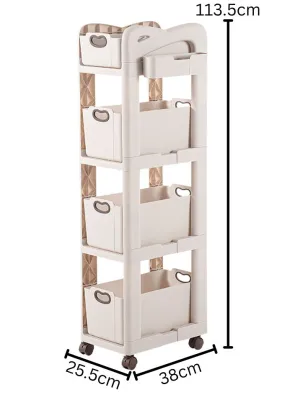
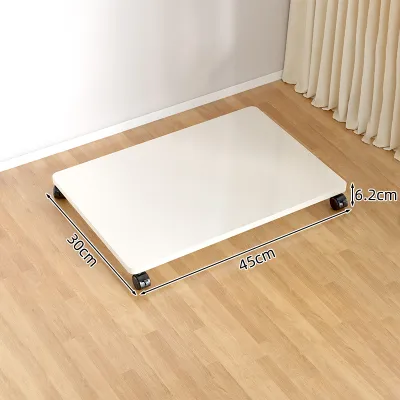
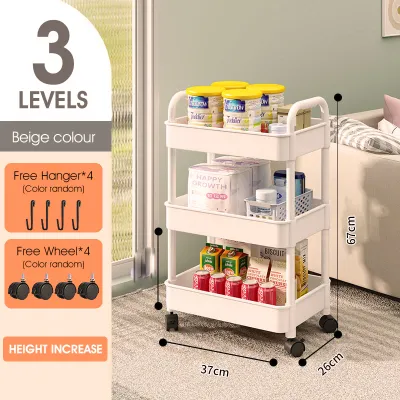
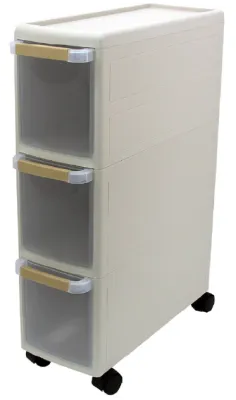
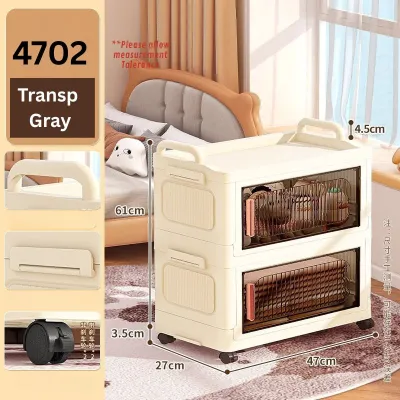
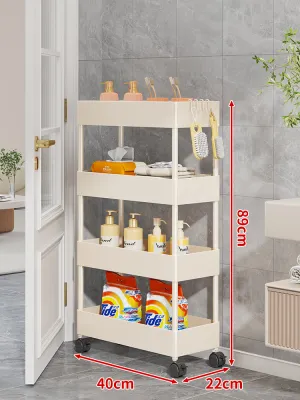
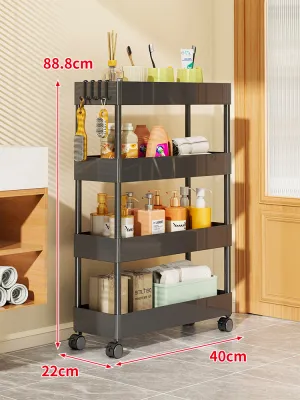
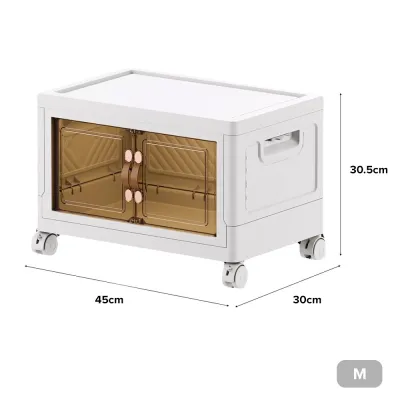
Prices are valid at publication and may change. Please refer to the product page for the latest price.
In contrast, foldable shelving units generally have a wider and deeper footprint, designed to hold larger items. While they occupy more floor space when fully deployed, their primary spatial advantage lies in their collapsibility. When you do not need them, these units fold down to a fraction of their depth—often just a few centimeters wide. This allows you to slide the collapsed frame behind a door, inside a built-in wardrobe, or flat against a wall, instantly reclaiming the floor area for other activities.
Maneuverability is another critical factor when navigating the typical layout of an HDB flat. Standard HDB doorways, narrow corridors, and tight bathroom entryways require furniture that can turn quickly without scraping walls or door frames. Rolling carts, equipped with 360-degree caster wheels, are exceptionally agile and can be guided through tight gaps with minimal effort. Foldable shelves, while sometimes equipped with wheels, are generally bulkier and less suited for frequent, tight-radius steering. If your storage strategy involves moving items daily between the kitchen, dining area, and service yard, the nimble nature of a rolling cart is highly advantageous.
For multi-use rooms, such as a study room that doubles as a guest bedroom, foldable shelves offer unmatched flexibility. You can set them up to hold temporary project materials or guest linens, and then fold them away completely once the guests arrive or the project is complete. This on-demand storage capability prevents your flat from feeling permanently cluttered, allowing you to maintain a clean, minimalist aesthetic when extra storage is unnecessary.
Comparing Load Capacity, Stability, and Daily Access
When evaluating movable storage, matching the structural design of the unit to the weight and size of your belongings is essential for safety and convenience. Foldable shelving units are typically engineered with a broad, stable base and flat, wide shelves. This design distributes weight evenly across a larger surface area, making them highly suitable for heavier or bulkier items, such as bulk groceries, small kitchen appliances, or storage boxes. Because the shelves are flat and open, retrieving large items from them is straightforward, requiring no awkward lifting over high basket edges.

Rolling carts, conversely, usually feature a tiered, basket-style design. These deep baskets are excellent for keeping loose, smaller items secure while the cart is in motion, preventing bottles, spices, or cleaning supplies from tipping over. However, the narrow base and vertical height of rolling carts mean they have a higher center of gravity. If you place heavy items in the top basket while leaving the bottom tiers empty, the cart can become unstable and prone to tipping when pushed over door thresholds or rug edges.
To ensure safety in your household, always verify the manufacturer’s specified weight limits for each shelf and the unit as a whole. High-quality movable storage units should clearly state these limits on their packaging or product manuals. Additionally, look for safety features such as wheel-locking mechanisms, which prevent the unit from rolling unexpectedly on slightly uneven floors. For taller foldable shelves, check if the manufacturer provides or recommends anti-tip anchoring hardware, especially if you plan to place the unit in a high-traffic area.
Daily access patterns should also guide your choice. If you need to retrieve items frequently throughout the day—such as cooking oils while preparing dinner or toiletries during your morning routine—the open, pull-out accessibility of a rolling cart is highly efficient. You can pull the entire cart directly to your workspace and push it back when finished. For items that are accessed less frequently, such as seasonal decorations or backup household supplies, the deep, stationary shelving of a foldable unit is often more practical.
Assembly Requirements and Long-Term Maintenance
The effort required to set up and maintain your movable storage can significantly impact your long-term satisfaction with the product. Foldable shelving units are highly favored for their user-friendly, tool-free assembly. Most models arrive almost fully assembled; you simply unfold the frame, secure a tension latch or lock, and swing the shelves into place. This makes them an excellent option for those who want immediate storage without the hassle of reading complex instruction manuals or handling small hardware pieces.
Rolling carts, on the other hand, typically require a multi-part assembly process. You will need to connect the vertical support frames, secure each basket tier with screws or clips, and install the caster wheels into the base. While manufacturers usually provide the necessary basic tools, assembly requires careful alignment to ensure the cart sits level and rolls smoothly. Incorrectly installed wheels or loose screws can cause the cart to wobble, track unevenly, or squeak during movement.
Long-term maintenance is vital to keep both types of storage functioning smoothly. For rolling carts, caster wheels are prone to collecting dust, hair, and fiber debris from your floors over time. This accumulation can clog the wheel bearings, making the cart difficult to steer or causing it to scratch delicate flooring. Regularly checking the wheels and clearing away any trapped debris will preserve their smooth rolling action. For foldable shelves, routine maintenance involves checking the hinges, joints, and locking mechanisms to ensure they remain tight and secure after multiple folding cycles.
Material selection and care are particularly important in Singapore’s warm, humid climate, especially when placing storage in moisture-prone areas like HDB kitchens, bathrooms, or service yards. Always check the product labels for material specifications and care instructions. Powder-coated steel, stainless steel, and high-grade plastics are generally preferred for humid environments as they resist rust and are easy to wipe clean. Avoid placing untreated metal or low-grade chrome-plated units in damp areas, as they can quickly develop rust spots that compromise both the appearance and structural integrity of the frame.
Decision Framework: Choose the Right Movable Storage for Your Layout
To finalize your decision, assess your specific household needs, spatial constraints, and daily routines against this practical decision framework.
Choose rolling carts if:
- You need to store lightweight, high-frequency items like spices, toiletries, baby care supplies, or craft materials.
- Your flat has narrow, underutilized gaps between appliances or furniture where a slim, vertical unit can slide out of sight.
- You require a highly mobile assistant that can easily travel with you from room to room as you perform daily chores.
- You prefer deep, basket-style tiers that prevent loose items from sliding off when the unit is moved.
Choose foldable shelves if:
- You need to store bulkier, heavier items such as kitchen appliances, bulk pantry goods, or large storage bins.
- Your storage needs are seasonal or temporary, requiring a unit that can collapse completely flat and be stored away when empty.
- You have a dedicated wall space or corner where a wider, more stable shelving unit can sit securely.
- You prefer flat, open shelves that allow you to slide large boxes on and off without lifting them over high basket rims.
Neither may fit if:
- Your HDB flat has highly uneven flooring or steep floor transitions that make wheeled units unstable or difficult to maneuver safely.
- The total weight of your intended storage items exceeds the manufacturer's certified load capacity, posing a structural collapse or tipping hazard.
- You require heavy-duty, permanent garage-style shelving that must be securely bolted to the wall for absolute stability.
Verify first if:
- You plan to place the unit inside a specific space, such as an HDB household shelter, where precise clearance dimensions and safety regulations must be strictly observed.
- You are renting your flat and must comply with landlord restrictions regarding freestanding furniture or potential floor-scratching risks from caster wheels.
- You intend to use the unit to support heavy, vibrating appliances like microwave ovens or stand mixers, which require checking both the unit's stability and wheel-locking capabilities.
Frequently Asked Questions (FAQ)
Can I keep movable storage inside my HDB household shelter?
Yes, you can place freestanding, movable storage units inside your HDB household shelter, provided they do not compromise the safety and primary function of the space. The fundamental safety principle is to ensure that the shelter entrance, door, and ventilation openings remain completely clear and unobstructed at all times. You must be able to open and close the heavy steel door fully without any interference from your storage units.
Additionally, you should avoid installing any permanent fixtures, drilling into the reinforced walls, or mounting shelves directly to the shelter structure, as this can compromise its protective integrity. Freestanding rolling carts and foldable shelves are excellent choices because they can be easily moved out of the way if access is required. Always verify the latest guidelines from the Singapore Civil Defence Force (SCDF) and HDB before organizing your household shelter to ensure full compliance with current safety regulations.

Community discussion
Share your experience or ask a question. Comments are reviewed before publication.