
Choosing between a roller wheel mover and furniture sliders depends on three main variables: the weight of your furniture, your flooring material, and how often you plan to rearrange your space. While both tools aim to protect your back and your floors, they operate on entirely different mechanical principles.
Choose a roller wheel mover if: You are moving exceptionally heavy, solid-wood, or metal items, navigating flat thresholds, or frequently reconfiguring a modular layout.
Choose furniture sliders if: You need to slide moderately heavy items across delicate hardwood or carpeted floors for occasional cleaning, or if you are working alone with limited storage space.
Products mentioned in this guide
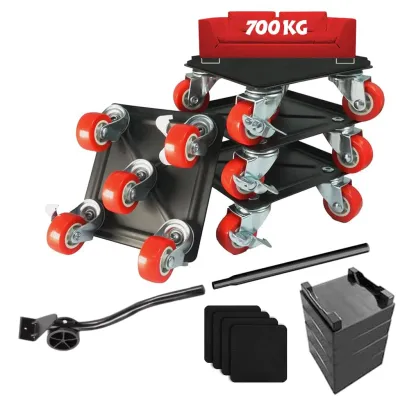
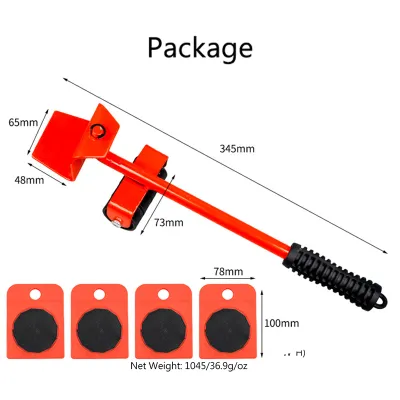
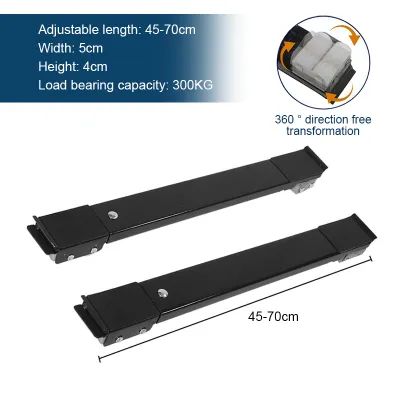
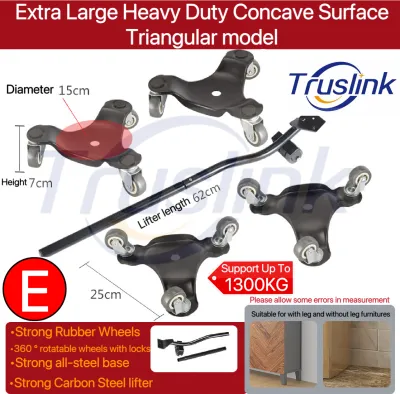
![[SG Stock] New Furniture Mover Tools Set Object Transport Lifter Stuff Carrying Glider Tool with 360 Degrees Rotating Wheels Effort-saving Heavy Furniture Moving Tools Set CNY Gift Present](https://img.lazcdn.com/g/p/0dd9b3ede0963be9593c45c12bd636a8.jpg_400x400q80.jpg_.webp)
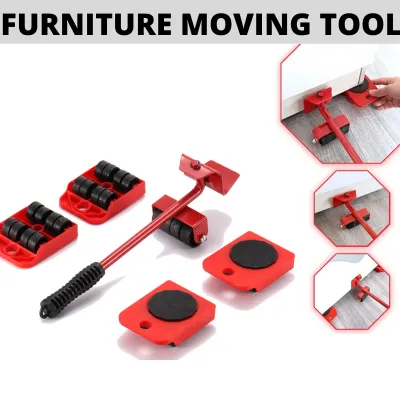
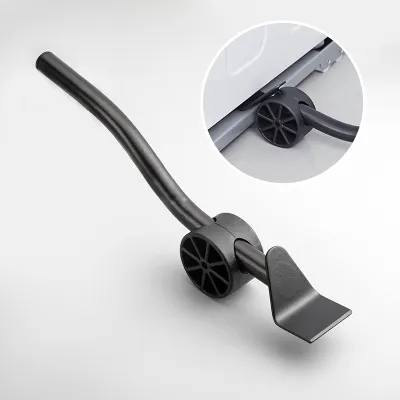
Prices are valid at publication and may change. Please refer to the product page for the latest price.
When to call professionals: If an item is top-heavy, structurally compromised, or requires lifting beyond your physical capacity, DIY tools can lead to accidents.
Step 1: Evaluate Your Furniture Weight and Dimensions
Before purchasing any moving accessory, you must assess the physical load of the item. Attempting to slide a piece that is too heavy for its structural design can cause permanent damage.
To estimate the load, start by checking the manufacturer’s product specifications or assembly manuals, which often list the net weight. If these are unavailable, compare the item to known household objects or look for material clues; solid oak, marble-topped consoles, and steel-framed wardrobes are significantly heavier than flat-pack particleboard items.
Pay close attention to the structural stress points of your furniture, particularly the legs and joints. When you use furniture sliders, you rely on lateral force to push the item. If the furniture has tall, slender legs or weak dowel joints, the friction between the slider and the floor can cause the legs to bend, crack, or snap entirely.
For items with an awkward center of gravity or a very wide base, a roller wheel mover is often the safer choice. These wheeled platforms distribute the weight across a broader, low-profile base. Instead of pushing against lateral friction at the very bottom of the legs, the wheels allow the entire unit to glide with minimal resistance, protecting delicate joints from shear stress.
Step 2: Match the Tool to Your Floor Type
Your flooring material is the primary line of defense against costly home damage. Using the wrong tool can leave permanent gouges, scratches, or tears that are expensive to repair.

On hard surfaces like homogeneous tiles, luxury vinyl tiles, and varnished hardwood, both tools carry specific risks. Sliders made of hard plastic will scratch wood and vinyl, so you must use felt-bottomed sliders instead. However, if even a tiny grain of sand or grit gets trapped beneath a felt slider, dragging it across the floor will act like sandpaper, leaving deep scratches. Roller wheel movers reduce this dragging friction, but heavy point-loads on small wheels can leave indentation marks on softer wood or vinyl.
Carpeted areas present a different challenge. Standard plastic sliders are designed to glide over carpet fibers, but if the carpet has a thick, plush pile, the sliders can sink, making the furniture difficult to budge. Conversely, small wheeled rollers will sink directly into carpet piles and struggle to roll, often bunching up the carpet backing or tipping over.
Always review your flooring manufacturer’s warranty and care guidelines before moving heavy items. Many modern flooring warranties are voided by dragging heavy loads or using non-approved protective pads. Checking these specifications helps you determine the maximum point-load your floor can handle without denting.
Step 3: Factor in Your Rearranging Frequency
How often you rearrange your living space should heavily influence your choice of moving tool. Investing in complex equipment may not make sense for a one-time move, while basic solutions might frustrate you if used weekly.
For one-time relocations, seasonal deep cleaning, or annual festive decorating, basic furniture sliders are highly practical. They are inexpensive, easy to slip under furniture legs, and can be left in place permanently under heavy items if they match your decor.
If you prefer a highly dynamic, modular living setup or frequently adjust your layout to accommodate guests, a durable roller wheel mover offers high ergonomic value. It minimizes physical strain and drastically cuts down the time required to clear a room.
Storage is another critical factor, especially in compact Singapore apartments where space is at a premium. Sliders are flat, lightweight, and can easily fit into a small drawer. A roller wheel mover, with its bulky frame and protruding wheels, requires dedicated storage space in a utility closet or storeroom when not in use.
Safety Checks and When to Stop
DIY moving requires a realistic assessment of your physical limits and the structural integrity of your furniture. Before lifting or pushing anything, perform a thorough visual inspection.
Look for signs that a piece is too fragile or top-heavy. Tall bookcases, display cabinets with glass doors, and top-heavy wardrobes are prone to tipping. If the joints are loose, or if the wood shows signs of splitting, do not attempt to move the item using sliders or rollers, as the physical stress of transit could cause a sudden collapse.
Inspect any existing casters or built-in wheels on your furniture. Ensure they spin freely and that any locking mechanisms are fully disengaged before you attempt to move the piece. If you are using a roller wheel mover, verify that the load is perfectly centered on the platform to prevent the dolly from slipping out from under the furniture.
Know when to halt the process. If you feel any physical strain, if the furniture begins to tilt precariously, or if the path involves tight corners and narrow doorways that you cannot safely navigate, stop immediately. In these situations, hiring professional movers in Singapore is the safest way to protect your property and your health.
Frequently Asked Questions (FAQ)
Can I use furniture sliders on a rug or carpet?
Yes, but you must use sliders specifically designed for soft surfaces. These sliders feature a smooth, hard plastic bottom that glides easily over carpet fibers without catching. Avoid using felt-bottomed sliders on carpets, as the high friction can cause the felt to tear away or create friction burns on delicate carpet fibers.
Will a roller wheel mover scratch my vinyl or hardwood floors?
A roller wheel mover can scratch hard floors if the wheels are made of hard plastic or metal, or if debris is trapped underneath them. To protect your floors, choose rollers with soft, non-marking polyurethane or rubber wheels. Always sweep or vacuum the floor thoroughly before rolling heavy items to ensure no grit gets caught under the wheels.
Do I need multiple people to use a roller wheel mover safely?
Yes, using a roller wheel mover safely usually requires at least two people. While one person carefully lifts the corner of the furniture using a jack or lever, the second person must position the wheeled platform securely underneath. Having an extra pair of hands also helps stabilize and steer the furniture as it rolls, preventing tip-overs.
Community discussion
Share your experience or ask a question. Comments are reviewed before publication.