
Protecting your furniture during a home renovation requires a strategic approach that goes far beyond throwing an old sheet over your favorite sofa. To safeguard your investment, you must select a renovation cover that directly matches the physical properties of the specific hazards at hand: lightweight, breathable plastics or non-woven fabrics for fine dust; waterproof vinyl or absorbent coated canvas for wet paint splatters; and rigid corrugated cardboard or cushioned moving blankets for physical impacts and construction debris. Choosing the wrong material can lead to irreversible damage, such as trapped moisture warping solid wood, paint bleeding through porous fabrics, or dropped tools denting delicate finishes.
Identifying Your Primary Renovation Hazards
Before purchasing any protective materials, evaluate the exact nature of the threats your furniture will face. Renovation hazards generally fall into three distinct categories: fine dust, paint, and physical debris. Fine dust—such as plaster, drywall, or concrete dust generated during hacking—consists of microscopic, highly abrasive particles. These particles settle into every crevice, infiltrate mechanical drawer slides, and act like sandpaper if wiped off a delicate surface. Paint hazards involve liquid splatters, drips, and chemical overspray that can permanently stain upholstery or chemically react with delicate varnishes. Physical debris hazards include falling tiles, dropped tools, and structural scrap that cause deep gouges, dents, and structural cracks upon impact.
To determine the best protection plan, assess the spatial layout of your home and the scope of the work. If your furniture must remain inside the active work zone, it will be exposed to a combination of heavy impact risks, wet paint, and thick dust. Conversely, if the furniture is stored in an adjacent room with closed doors, the primary threat is drifting airborne dust. Understanding these zones allows you to allocate your resources effectively, using heavy-duty, multi-layered barriers where the risk of physical impact is high, and lighter, breathable covers where dust prevention is the sole objective.
Products mentioned in this guide
![[SG local] Plastic Sheet / Plastic cover for Dust Prevention HIP renovation drop sheet for painting/ plastic cloth for renovation / drop sheet / plastic sheet for painting / dust cover / plastic sheet roll for dust prevention](https://img.lazcdn.com/g/p/d04ea0a31232fb487a2017f8d1ea476f.jpg_400x400q80.jpg_.webp)
![[SG SELLER]Plastic Dust Cover Dust Prevention Renovation Drop Sheet Protective Plastic Film Furniture Dustproof Cover Paintproof Waterproof Cover Sheet Rolls](https://img.lazcdn.com/g/p/d2c82f6cde5eed649a28d487364fc7d2.png_400x400q80.png_.webp)
![[SG Ready Stock]Masking Film with Tape 240cm/300cm/400cm Painting Protection Covering for Plastic Drop Cloth Sheet Spraying Dust Cover Furniture Dustproof Cover](https://img.lazcdn.com/g/p/cf8629ee8572f06e3fbb5012fda44aa3.png_400x400q80.png_.webp)
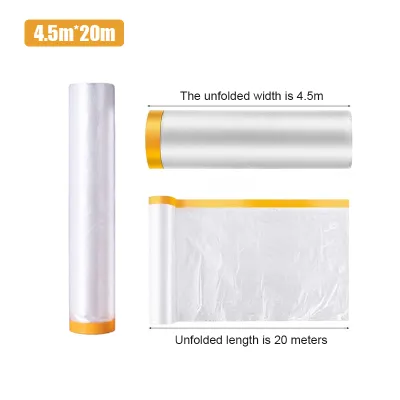
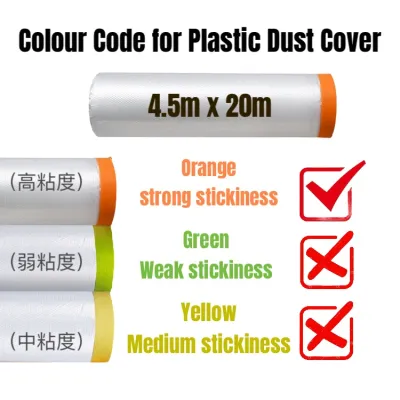
![[2-3 Days Delivery] 4.5m x 20m Plastic Dust Cover Protective Plastic Sheet Disposable Furniture Dustproof Cover Protective Cover Plastic Cover Plastic Film for Home Improvement CNY Gift Present](https://img.lazcdn.com/g/p/37fceab8fc43d4b3b58593d55aae9bcb.jpg_400x400q80.jpg_.webp)
Prices are valid at publication and may change. Please refer to the product page for the latest price.
Choosing a Renovation Cover for Fine Dust: Lightweight and Breathable Options
Fine dust is incredibly invasive, capable of traveling through the smallest gaps in doors and vents. Managing this hazard requires covers that seal out microscopic particles without creating secondary issues like moisture entrapment.

Plastic Sheeting and Polyethylene Films
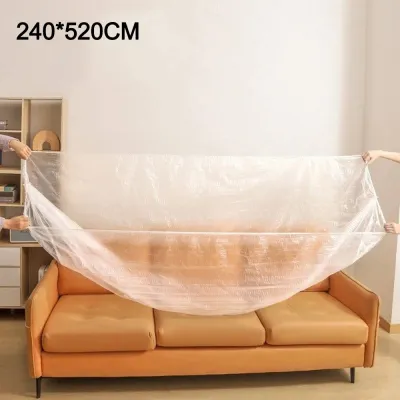
Thin polyethylene films, typically ranging from 1 to 2 mils in thickness, serve as an excellent first line of defense against airborne particles in non-active zones. These lightweight plastic sheets are highly flexible, allowing you to drape them over large wardrobes, dining tables, and shelving units with ease. Because they are completely non-porous, they prevent fine plaster and drywall dust from settling into fabric weaves or wood grain.
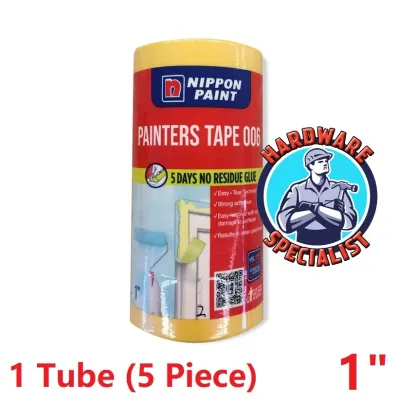
To maximize their effectiveness, seal all open edges to the floor or surrounding walls using low-tack painter’s tape. This prevents air currents from carrying dust underneath the cover. However, plastic films carry a significant risk of static electricity, which naturally attracts fine particles to the outer surface. When removing the cover, this static charge can cause the dust to cling to the plastic or disperse back into the air. To prevent this, always fold the plastic sheeting inward slowly and carefully during removal, trapping the dust inside the fold.
Tightly Woven Fabric and Non-Woven Covers
For long-term protection, especially on sensitive materials like solid wood, leather, or delicate upholstery, breathable covers are highly superior to airtight plastic. In humid climates, sealing furniture under non-porous plastic for weeks can trap ambient moisture, leading to mold growth, musty odors, and a cloudy finish on wooden surfaces known as “blushing.”
Tightly woven cotton dust sheets or specialized non-woven polypropylene covers provide a breathable alternative. These materials allow air circulation, preventing condensation from forming on the furniture’s surface while still offering a dense fiber matrix that blocks fine dust. When selecting these covers, verify the weave density or material specification to ensure it is rated to block fine construction dust, as loose or cheap weaves may let microscopic plaster particles pass right through.
Blocking Paint Splatters: Waterproof and Absorbent Solutions
Painting projects introduce liquid hazards that can ruin furniture finishes through chemical bonding or deep staining. Protecting against these threats requires materials that can either repel or absorb liquids before they reach the underlying furniture.
Waterproof Vinyl and Heavy-Duty Tarps
In active painting zones where large splatters or chemical paint strippers are present, heavy-duty waterproof vinyl or thick polyethylene tarps are indispensable. These impermeable barriers ensure that wet paint, solvents, and water cannot penetrate to the furniture beneath. They are particularly useful for protecting large, flat surfaces like dining tables or sideboards that might serve as temporary work benches for painters.
However, using impermeable materials requires extreme caution. You must ensure that both the furniture and the surrounding air are completely dry before applying the cover. Any moisture trapped beneath a heavy vinyl tarp in a warm, humid environment will have nowhere to escape, creating a greenhouse effect that can ruin wood finishes, soften glues, or encourage rapid mold growth. Additionally, the slippery surface of vinyl means wet paint will pool and remain liquid, creating a slip hazard for workers and increasing the risk of transfer if someone brushes against the cover.
Coated Canvas and Absorbent Drop Cloths
To mitigate the risks of pooling paint, professional-grade coated canvas drop cloths offer an exceptional solution. These covers feature a dual-layer design: a heavy, absorbent cotton canvas top layer and a non-slip, waterproof plastic or rubberized backing.
The absorbent top layer immediately catches and holds paint splatters, preventing the liquid from running off onto the floor or seeping under the edges of the cover. Meanwhile, the coated underside acts as an absolute barrier, preventing the paint from bleeding through to the furniture surface. This combination makes coated canvas ideal for draping over upholstered sofas, armchairs, and polished wooden cabinets located directly beneath active ceiling or wall painting.
Shielding from Debris and Impacts: Cushioned and Rigid Barriers
When renovations involve demolition, carpentry, or structural changes, the primary threat shifts from dust and paint to physical impacts. Dropped tools, falling plaster, and accidental bumps from heavy equipment can cause structural damage that simple plastic or fabric covers cannot prevent.
Corrugated Cardboard and Honeycomb Paper
Rigid materials like heavy-duty corrugated cardboard or honeycomb paper sheets provide outstanding protection against sharp impacts and localized pressure. Cardboard acts as a sacrificial crumple zone, absorbing and dispersing the kinetic energy of a falling object before it can dent or scratch the furniture surface.
This material is highly versatile and easy to customize. You can cut and score thick cardboard sheets to wrap around vulnerable table legs, protect sharp corners, or cover glass tabletops. For flat, high-value surfaces like stone countertops or veneered desks, laying down a layer of thick cardboard provides a sturdy shield that resists punctures from dropped screws, nails, or hand tools.
Bubble Wrap and Padded Moving Blankets
For delicate, high-gloss, or antique furniture, soft cushioning is vital to prevent surface marring, scratches, and vibration damage. Thick, padded moving blankets made from polyester or cotton blends are the industry standard for wrapping large, heavy items like wardrobes, pianos, and chests of drawers. They provide excellent overall cushioning and are durable enough to withstand being scraped against doorways or lift walls during transit.
Bubble wrap offers excellent localized protection for fragile elements, such as glass doors, carved details, or protruding handles. However, a critical safety rule must be observed when using bubble wrap: always ensure the bubble side faces away from the furniture’s surface. If the plastic bubbles are pressed directly against delicate, polished, or heat-sensitive finishes in a warm environment, they can leave permanent circular imprints or chemically bond with the lacquer, requiring professional refinishing to repair.
Layering Strategies for Multi-Hazard Renovation Zones
In active, multi-hazard renovation zones where dust, paint, and physical impacts are all present simultaneously, no single material can provide adequate protection. The solution lies in a systematic, multi-layered wrapping strategy that combines the unique strengths of different protective covers.
A highly effective three-layer system begins with a soft, breathable inner layer, such as a padded moving blanket or a clean cotton sheet, placed directly against the furniture. This layer prevents scratches, cushions the item, and allows the furniture’s finish to breathe. The middle layer consists of rigid corrugated cardboard or honeycomb paper, strategically placed over flat surfaces, glass panels, and sharp corners to absorb heavy physical impacts and resist punctures. Finally, the outer layer consists of a waterproof plastic film or heavy-duty tarp wrapped tightly around the entire assembly to seal out fine dust, paint splatters, and moisture.
When constructing this multi-layer shield, securing the materials properly is essential for stability. You must wrap heavy-duty stretch film or low-adhesion tape around the protective layers themselves, ensuring that no strong adhesives come into direct contact with the furniture’s wood, leather, or fabric. This creates a secure, self-contained protective shell that will remain intact even if bumped or shifted by contractors moving through tight spaces.
Securing Covers and Preventing Moisture Damage
The method you use to secure your renovation covers is just as important as the covers themselves. Using the wrong adhesive can cause severe damage, stripping away delicate wood veneers, leaving stubborn sticky residues on leather, or pulling fibers out of upholstered fabrics.
Always use high-quality, low-adhesion painter’s tape to secure your covers. Avoid standard duct tape, packaging tape, or heavy-duty masking tape, as their strong adhesives are designed for permanent bonding and will degrade wood finishes or leave residues that are incredibly difficult to remove without harsh chemicals. Even with painter’s tape, try to tape the cover to itself or to the floor rather than directly to the furniture whenever possible.
In naturally humid environments like Singapore, managing moisture is a critical part of furniture protection. Sealing furniture airtight for several weeks can trap ambient humidity, leading to rapid mold growth, musty odors, and finish clouding. To prevent this, leave small ventilation gaps at the bottom of your covers to allow air to circulate. If the renovation spans several weeks, make it a priority to periodically peel back the covers during dry, non-dusty phases of the project to let the furniture air out.
Before applying any cover, always clean and dry the furniture thoroughly. Any trapped dirt, grit, or moisture will act like sandpaper if the cover shifts, causing micro-scratches across the surface. Always check the furniture manufacturer’s care instructions before wrapping or taping any item. If instructions conflict, or if the material is highly sensitive (such as antique French-polished wood or aniline leather), consult a professional furniture restoration specialist before proceeding.
Frequently Asked Questions (FAQ)
Can I use regular bed sheets as renovation covers?
While old cotton bed sheets are convenient and offer basic protection against light, settling dust, they are not suitable for active renovation zones. Cotton is highly porous, meaning any spilled paint or liquid solvent will bleed straight through the fabric and stain the furniture underneath. Furthermore, bed sheets offer zero impact absorption against falling tools or heavy debris, and they can easily trap ambient moisture against wood finishes in humid conditions, potentially leading to warping or mold.
How do I prevent mold on furniture covered for several weeks?
To prevent mold growth during extended renovations, ensure the furniture is completely clean and dry before wrapping. Avoid using airtight plastic covers directly against wood, leather, or fabric surfaces; instead, use breathable inner layers like cotton moving blankets or non-woven dust sheets. Finally, ensure there is some ventilation at the base of the covers, and periodically lift the protective layers in a dry, well-ventilated space to allow any trapped humidity to dissipate.
Community discussion
Share your experience or ask a question. Comments are reviewed before publication.