
Singapore’s tropical climate brings sudden, heavy downpours throughout the year, especially during the northeast and southwest monsoon seasons. While a sturdy umbrella is essential for navigating the outdoors, managing wet umbrellas once you step inside is equally important. An unmanaged wet umbrella can quickly ruin expensive flooring, create dangerous slip hazards on polished tiles, and introduce excess moisture into your living space.
Choosing a reliable umbrella stand is not just about finding a place to corral your rain gear; it is a practical step in home maintenance and spatial organization. The right stand must balance water containment, structural stability, and material durability while fitting seamlessly into Singapore’s unique residential layouts, such as HDB flats and condominiums. This guide highlights what to look for in a quality umbrella stand, evaluates the leading brand directions available locally, and explains how to match, place, and maintain your stand for long-term performance.
What to Look for in a Quality Umbrella Stand
Selecting an umbrella stand requires evaluating several functional and structural features to ensure it performs well in a humid, high-traffic entryway. A poorly designed stand can lead to water damage, tipped-over units, or rusted metal within a few months of use.
Products mentioned in this guide
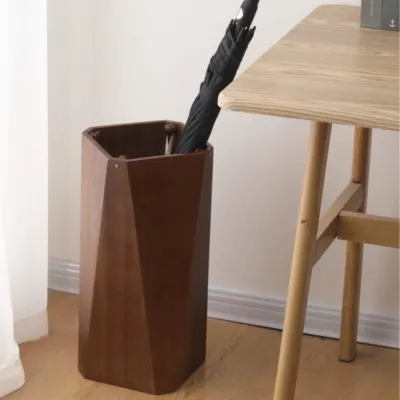
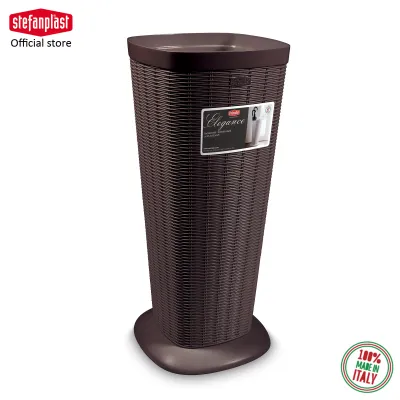
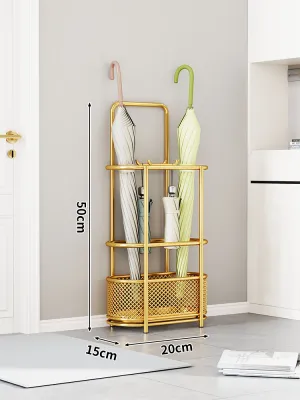
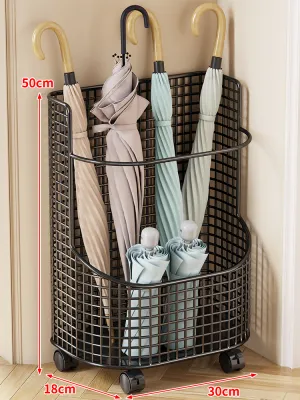
![[SG] Umbrella holder/ Foldable/ Stand Bucket / Wall-Mounted Umbrella Stand Home Door Umbrella / Storage Household](https://img.lazcdn.com/g/p/43446b82d4f03d70a7546a5d4ad8b3a6.jpg_400x400q80.jpg_.webp)
Prices are valid at publication and may change. Please refer to the product page for the latest price.
Water Containment and Floor Protection
The primary function of an umbrella stand is to keep water off your entryway floor. Different flooring materials react differently to pooled water. Engineered wood, parquet, and laminate flooring are highly sensitive to moisture; prolonged exposure can cause the wood fibers to swell, warp, and buckle, leading to costly repairs. Even homogeneous tiles or polished marble can become hazardous slip zones when wet.
When evaluating a stand, look for integrated water containment features:
- Removable Drip Trays: A plastic, silicone, or metal tray at the base collects runoff. Removable designs are highly recommended as they allow you to empty and clean the tray easily without lifting the entire stand.
- Absorbent Diatomite Mats: Some modern stands utilize diatomaceous earth inserts at the base. This highly porous natural material absorbs water rapidly and evaporates it quickly. However, you must verify that the mat can be removed periodically for sun-drying to prevent mold growth in Singapore's high humidity.
- Enclosed Bases: If the stand has a solid, non-removable base, check that the interior joints are fully sealed to prevent slow leaks onto your floor.
Material Durability in High Humidity
With relative humidity levels in Singapore frequently exceeding 80%, untreated metals will corrode rapidly. Rust not only compromises the structural integrity of the stand but can also leave permanent orange stains on your entryway floor tiles.
Do not assume that a material is durable simply because of its name. Instead, perform these physical checks:
- Powder-Coated Metal: Look for steel or iron stands that have been electrostatically powder-coated and heat-cured. This process creates a continuous, protective barrier that is far more resistant to moisture and scratches than standard liquid paint. Inspect the weld joints and corners to ensure there are no exposed metal gaps.
- Anodized Aluminum and Stainless Steel: These materials offer natural resistance to rust. For stainless steel, verify if the manufacturer specifies grade 304 or higher, which is highly resistant to corrosion.
- High-Density Plastics and Polymers: Heavy-duty ABS or polypropylene stands are completely immune to water damage and rust. They are lightweight and easy to clean, though they may lack the visual weight of metal or ceramic.
- Glazed Ceramic: Ceramic stands are naturally waterproof and heavy, making them highly stable. Ensure the interior is fully glazed, as unglazed clay can absorb moisture and develop mold over time.
Stability, Weight, and Tip Prevention
Tall golf umbrellas are top-heavy, especially when wet canopy fabric clings to the frame. A lightweight or poorly balanced stand will tip over easily when holding multiple large umbrellas, creating a safety hazard for young children, older adults, or active pets.
To ensure stability, evaluate the base weight and center of gravity:
- Weighted Bases: Look for stands with a heavy cast iron base, a thick ceramic bottom, or a plastic base weighted with cement inserts.
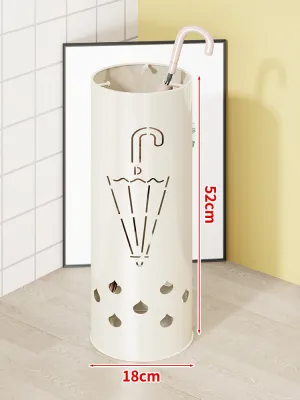
- Base-to-Height Ratio: A tall, narrow cylinder has a higher risk of tipping than a shorter, wider stand. If you plan to store long golf umbrellas, choose a stand with a minimum base diameter or width of 15 to 20 centimeters, or one that can be anchored or placed securely against a wall.
- Load Capacity: Check the manufacturer's guidelines regarding how many full-sized umbrellas the stand can safely hold without losing balance.
Capacity and Slot Design
An open bucket design allows you to drop umbrellas in quickly, but it can cause the wet canopies to press against each other. This traps moisture, slows down the drying process, and can damage the delicate water-repellent coating of your umbrellas over time.
Slotted or divided stands feature individual compartments or wire grids that keep each umbrella upright and separated. This layout improves air circulation, allowing the umbrellas to dry faster. Additionally, look for stands that incorporate lower hooks or dedicated short slots. These are essential for holding compact, folding umbrellas, preventing them from slipping to the bottom of a deep cylinder where they are difficult to retrieve.
Reliable Umbrella Stand Brands and Retail Directions in Singapore
When sourcing an umbrella stand in Singapore, you will find several distinct brand philosophies and retail avenues. Rather than searching for obscure specialty brands, focus on these established retail directions, keeping in mind the need to verify dimensions and material specifications on their official platforms.

Japanese Minimalist Brands
Japanese brands like MUJI and Nitori are highly regarded for their space-saving, functional designs. Because residential spaces in Japan share similar size constraints with Singaporean HDB flats, these brands design products that maximize utility within a very small footprint.
- Design Philosophy: Expect clean, geometric lines, neutral color palettes (such as off-white, grey, and matte black), and highly efficient layouts. You will find slim wire-frame stands that slide into narrow gaps or compact ceramic blocks with individual slots.
- Key Strengths: Excellent space efficiency, built-in drip trays, and minimalist aesthetics that blend into modern entryways.
- What to Verify: Before purchasing, visit their official online brand stores or local physical outlets to check current stock. Verify the exact height of the slots; some ultra-compact Japanese designs are optimized primarily for folding umbrellas or standard-sized umbrellas rather than exceptionally long golf umbrellas.
Scandinavian and European Functional Brands
Scandinavian and European brands, represented by retailers like IKEA and design houses like Hay, focus on combining robust industrial design with everyday practicality.
- Design Philosophy: These brands often utilize powder-coated steel, molded plastics, and natural wood accents. Their designs range from simple, budget-friendly wire baskets to sculptural, statement-making entryway organizers.
- Key Strengths: High durability, modular options, and multi-functional designs. Many options from these brands combine umbrella storage with shoe racks, coat hooks, or small storage trays for keys.
- What to Verify: Check the assembly conditions. Some flat-packed metal stands require self-assembly, so ensure you have the necessary tools. Always read the material care labels on their official websites to confirm if the metal has been treated for high-humidity environments.
Regional and Local Furniture Retailers
If you prefer a cohesive interior design style that matches your living room furniture, local and regional retailers such as Castlery, FortyTwo, and Commune are excellent directions to explore.
- Design Philosophy: These retailers often integrate umbrella storage into larger, premium entryway furniture pieces. You might find solid wood console tables with integrated metal umbrella holders, or industrial-style entryway trees made of powder-coated steel and treated timber.
- Key Strengths: Premium materials, cohesive aesthetic integration, and solid construction that acts as a focal point in your foyer.
- What to Verify: Integrated furniture pieces are significantly larger than standalone stands. Measure your doorway and lift access to ensure the piece can be delivered safely. Verify the lead times, delivery fees, and specific assembly services on the brands' official websites, as larger items may require professional installation.
Sourcing via Online Marketplaces
For a wider variety of niche designs, budget-friendly options, or specific materials like glazed ceramic and vintage brass, local ecommerce platforms and online marketplaces offer an extensive selection.
- What to Verify: When shopping on online marketplaces, do not rely solely on product photos. Carefully read the customer reviews to check for real-world stability and material quality. Look for feedback regarding whether the metal stands arrived with scratches or rust spots, and verify the seller's return policy. Always cross-reference the listed dimensions with your physical entryway space before placing an order.
Matching Umbrella Stands to Your Entryway Layout
Your home’s entryway layout dictates the ideal form factor and placement of your umbrella stand. Measuring your space carefully ensures that the stand remains highly functional without disrupting foot traffic.
Freestanding Corner Stands
Freestanding corner stands are best suited for wider HDB household shelters, spacious condominium foyers, or landed home entryways. These stands are designed with a triangular or square footprint to slide directly into underutilized corner spaces.
- Spatial Considerations: Measure the corner radius and ensure there is enough clearance for nearby doors to open fully. If placed near an HDB household shelter door, verify that the stand does not block the heavy steel door's swing path.
- Walkway Clearance: Choose a model with a stable, heavy base so that if it is accidentally bumped by someone entering or leaving the home, it will not tip over.
Wall-Mounted and Over-the-Door Options
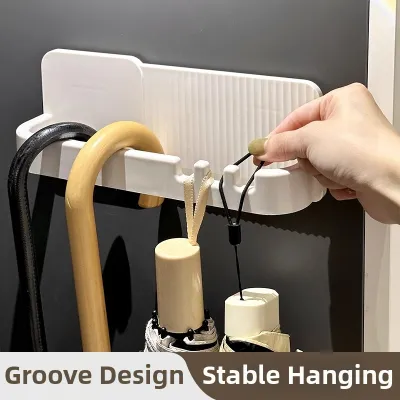
If you live in a compact BTO flat or have a narrow corridor foyer where floor space is at a premium, wall-mounted or door-mounted stands are highly efficient alternatives.
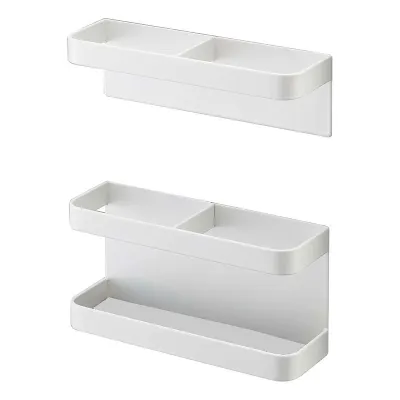
- Magnetic Stands: Many modern minimalist stands feature powerful neodymium magnets on the back. These can be mounted directly onto the interior steel door of your HDB household shelter. This setup requires zero drilling, keeps the floor completely clear, and can be adjusted to any height.
- Adhesive and Screw-Mounted Stands: Some wall-mounted stands use heavy-duty adhesive strips or screws. If you are renting, verify your tenancy agreement before drilling into entryway walls. For adhesive options, keep in mind that Singapore's humid climate can weaken adhesive bonds over time; check the maximum weight capacity specified by the manufacturer and avoid overloading the stand.
Multi-Functional Entryway Units
Multi-functional units combine umbrella storage with other entryway essentials, such as shoe benches, coat racks, or key organizers. These are ideal for creating a structured, organized transition zone just inside your front door.
- Measuring Depth: Measure the total depth of the unit. Ensure that when your front door is opened completely, it does not collide with the furniture.
- Moisture Barriers: Because these units are often made of wood or engineered wood (like MDF), verify that the umbrella storage section is physically separated from the wooden panels. Wet umbrellas should only come into contact with the integrated metal or plastic drip tray to prevent moisture from seeping into the wooden frame and causing mold or rot.
Maintaining Your Umbrella Stand in a Humid Climate
To extend the lifespan of your umbrella stand and maintain a hygienic, pest-free home, establish a regular cleaning and maintenance routine.
Routine Water Disposal and Dengue Prevention
In Singapore, standing water is a significant hazard due to the risk of mosquito breeding. The National Environment Agency (NEA) actively campaigns against stagnant water to prevent the spread of dengue fever.
- The 24-Hour Rule: Make it a strict habit to empty your umbrella stand's drip tray within 24 hours of any rainfall. Do not allow water to sit in the tray for days.
- Drying the Tray: After pouring out the accumulated water, wipe the drip tray completely dry with a clean cloth before replacing it in the stand.
Cleaning and Drying Techniques
Rainwater carries outdoor dust, dirt, and atmospheric pollutants that can mix to form a gritty, corrosive residue at the bottom of your stand.
- Metal Frames: Periodically wipe down powder-coated or stainless steel frames with a dry microfiber cloth to remove dust and moisture build-up, especially around joints and screws where rust is most likely to start.
- Plastic and Ceramic Trays: Wash removable plastic, silicone, or ceramic trays with mild, non-abrasive dish soap and warm water. Avoid using steel wool, harsh scrubbing pads, or highly acidic cleaners, as these can scratch the surface or strip away protective coatings.
- Diatomite Mats: If your stand uses an absorbent diatomite mat, wash it gently with running water if it becomes soiled. Sand it lightly with fine-grit sandpaper if the pores become clogged, and place it in a well-ventilated, shaded area to dry completely. Do not expose diatomite mats to direct, intense sunlight for extended periods, as this can cause them to warp or crack.
Moisture and Odor Control
Enclosed cylinder stands or deep bucket designs can trap damp air, leading to musty smells and mold growth inside the container.
- Deodorizers: Place a small bag of activated bamboo charcoal, a container of baking soda, or silica gel packets at the base of the stand. These natural absorbers will help neutralize damp odors and capture excess airborne moisture.
- Ventilation: Whenever possible, place your stand in a well-ventilated area near the entryway or under a ceiling fan to encourage natural air drying.
Safety Boundaries and Care Instructions
If you notice minor rust spots developing on a metal stand, do not immediately apply harsh chemical rust removers or industrial solvents. These chemicals can react unpredictably with the surrounding powder coating or paint, potentially stripping away the remaining protective finish and making the metal even more vulnerable to corrosion.
Always consult the manufacturer’s care instructions first. If the instructions do not cover rust treatment, contact the brand’s customer service or test a mild, diluted vinegar solution on a small, hidden area of the stand before applying it fully.
Frequently Asked Questions (FAQ)
Can I leave wet umbrellas in the stand overnight?
Leaving a soaking wet, closed umbrella inside a stand overnight is not recommended. When an umbrella is folded wet, moisture is trapped within the layers of the canopy fabric. This can damage the water-repellent coating, cause the metal ribs of the umbrella to rust, and lead to mold, mildew, and musty odors inside both the umbrella and the stand. For the best results, open your wet umbrella fully in a well-ventilated area—such as your bathroom, service yard, or tiled balcony—and let it dry completely before folding it and placing it back in the stand for long-term storage.
Are wall-mounted umbrella stands allowed in HDB flats?
You can use wall-mounted umbrella stands, but their placement must comply with local safety guidelines. If you plan to mount a stand on the external corridor wall of your HDB flat, you must ensure it does not obstruct the common walkway. The Singapore Civil Defence Force (SCDF) fire safety regulations require a minimum clear escape passage of 1.2 meters along common corridors. Additionally, drilling into external HDB corridor walls (which are common property) is generally restricted. To avoid these issues, mount the stand inside your home. A highly effective, damage-free solution is to use a magnetic umbrella holder attached directly to the interior steel face of your household shelter door.
Community discussion
Share your experience or ask a question. Comments are reviewed before publication.